

India's digital commerce story is really about Flipkart. Flipkart was started in 2007. Now it is a digital commerce system in the country. It began as a place to buy books online.
Flipkart is growing in a time when people talk about intelligence and machine learning and big data. The company is not about giving discounts or having big sales like Big Billion Days. It is about having infrastructure and being smart and helping everyone.
There are companies like Amazon India and Reliance Retail and Tata Group and Adani Group. They are all trying to be the best. Now the fight is about who can use intelligence and supply chain intelligence and retail media and cloud computing the best.
This blog is about how Flipkart uses cloud infrastructure and artificial intelligence. It wants to move from cities to smaller cities like tier 2 and tier 3 cities. Flipkart is helping to make India's digital economy bigger. It is doing this with Flipkart. It is a big deal for Flipkart.
The Role of Cloud Computing in Flipkart's Strategy
Cloud computing is what makes Flipkart work properly. It helps with things like finding products and services for customers, managing how things get delivered and making sure the company's marketing efforts are working well.
When a lot of people are using Flipkart at the time like during Big Billion Days the website and app have to be able to handle all of those people. This means millions of people are using their apps looking at the website and working with other systems that partner with Flipkart. If Flipkart did not use cloud computing it would be very hard to make this work.
Using cloud computing also helps Flipkart save money on delivering products makes the cost of each product better and helps the company see what is going on at the places where products are kept like fulfilment centres, dark stores and the places that help deliver products, which are called third-party logistics partners or cloud computing helps Flipkart, with its logistics and Cloud computing makes it easier for the company to do business.
Advantages of Cloud Computing for E-Commerce
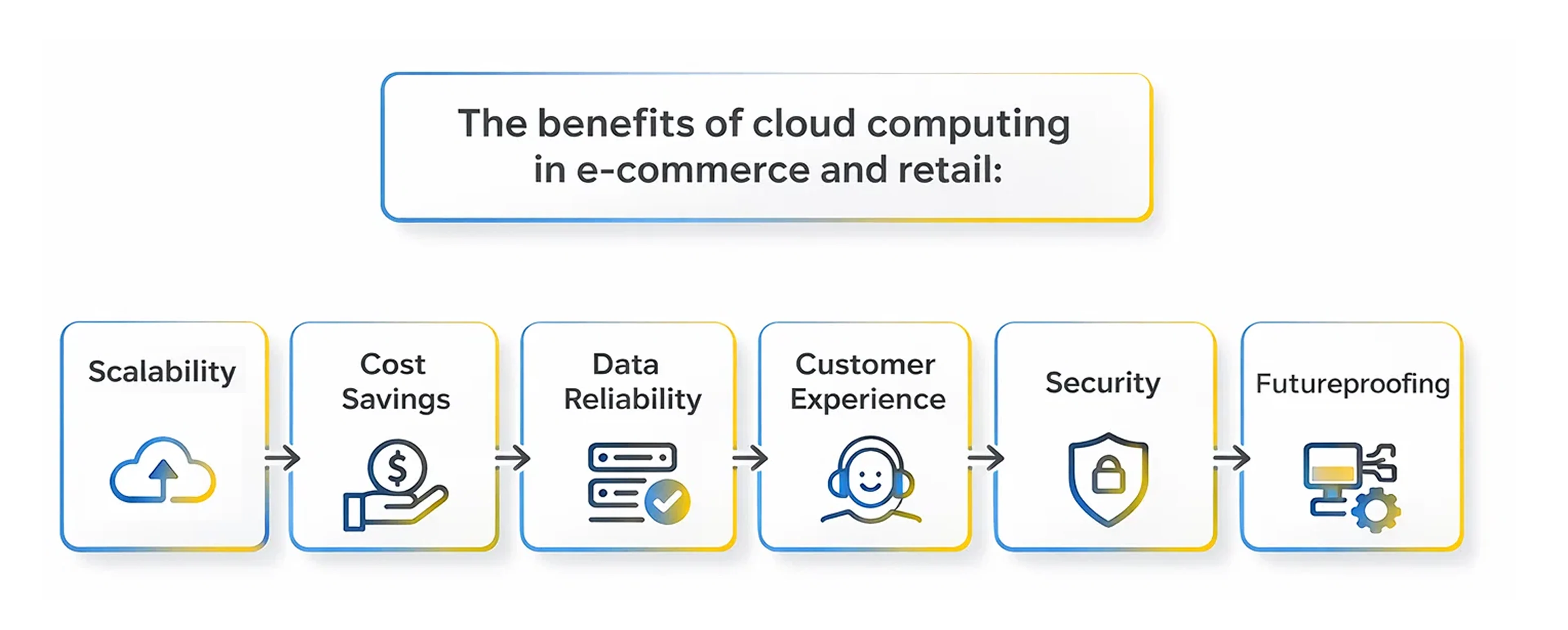
For a high-volume e-commerce platform, cloud computing offers:
- Scalability on demand during festive surges
- Cost optimization through pay-as-you-go models
- Improved supply chain visibility
- Real-time customer data processing
- Faster deployment of AI-native services
Cloud environments enable real-time big data analytics that support AI-driven personalization. This ensures that whether a user is browsing Vacuum Cleaners, Water Purifiers, Juicer Mixer & Grinders, or robotic vacuum cleaners, recommendations are intelligent and contextual.
Cloud also supports digital payment systems like Unified Payments Interface, making transactions seamless even in tier 3 cities.
Cloud Computing Service Models Powering Growth
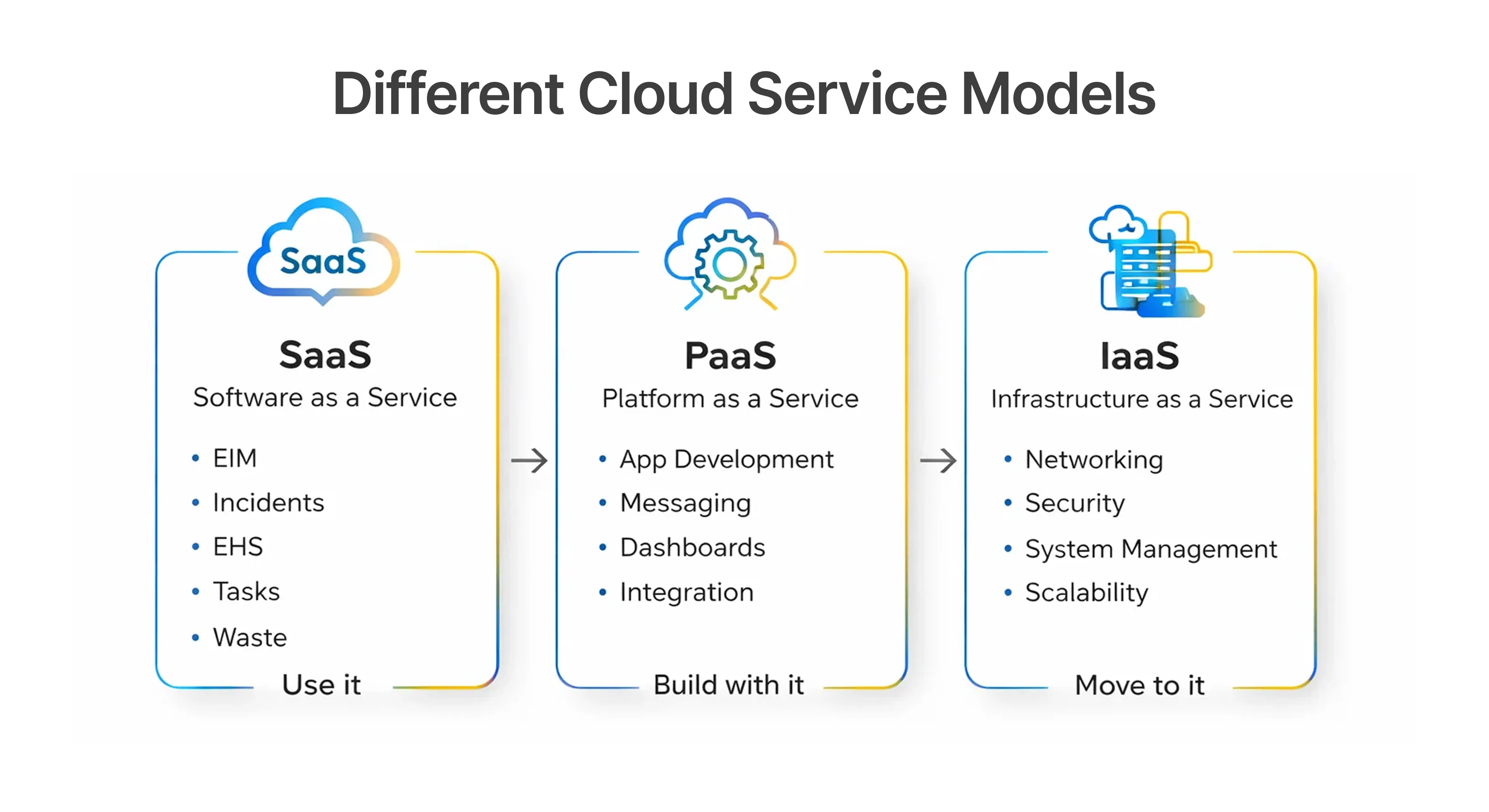
The Flipkart ecosystem uses service models.
- The Flipkart ecosystem uses IaaS, that's Infrastructure as a Service for its data centers and storage needs.
- The Flipkart ecosystem uses PaaS, that's Platform as a Service to train its AI models.
- The Flipkart ecosystem uses SaaS, that is Software as a Service for its media and analytics dashboards.
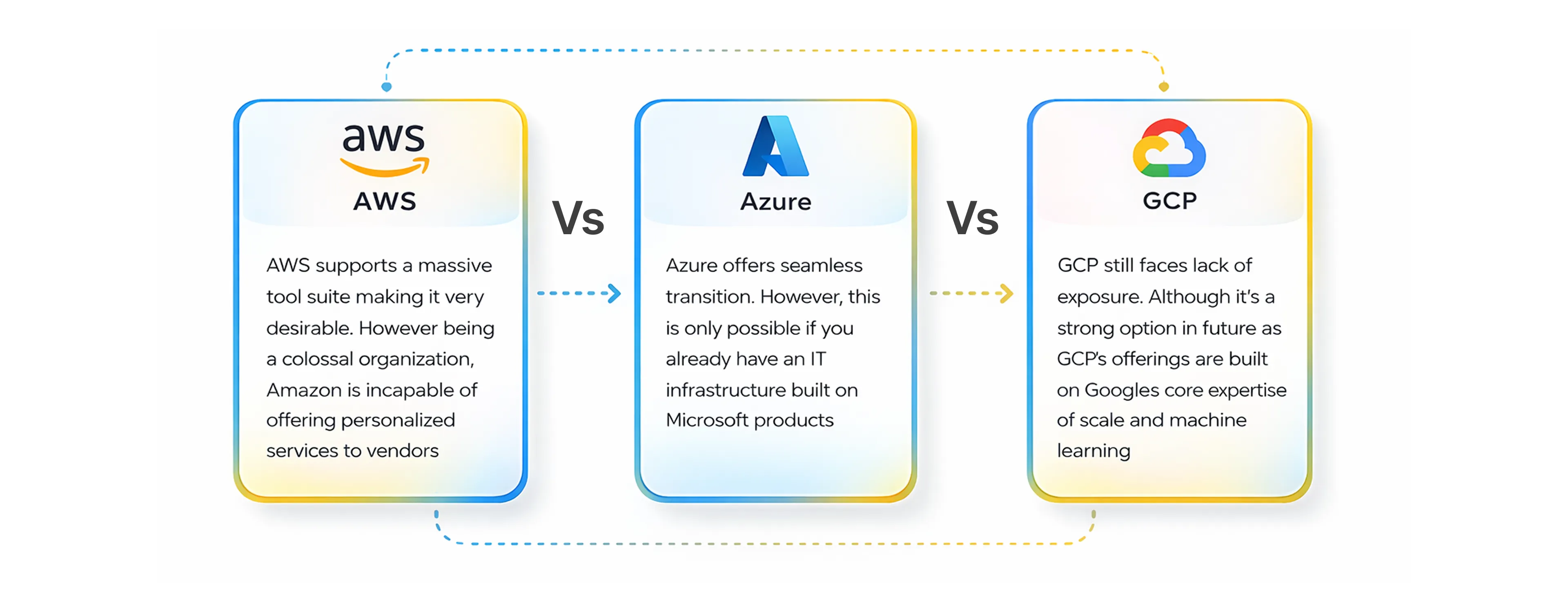
Cloud platforms like Google Cloud and Microsoft Azure help the Flipkart ecosystem with AI services. Services, like Vertex AI help the Flipkart ecosystem scale its machine learning and industrial AI applications.
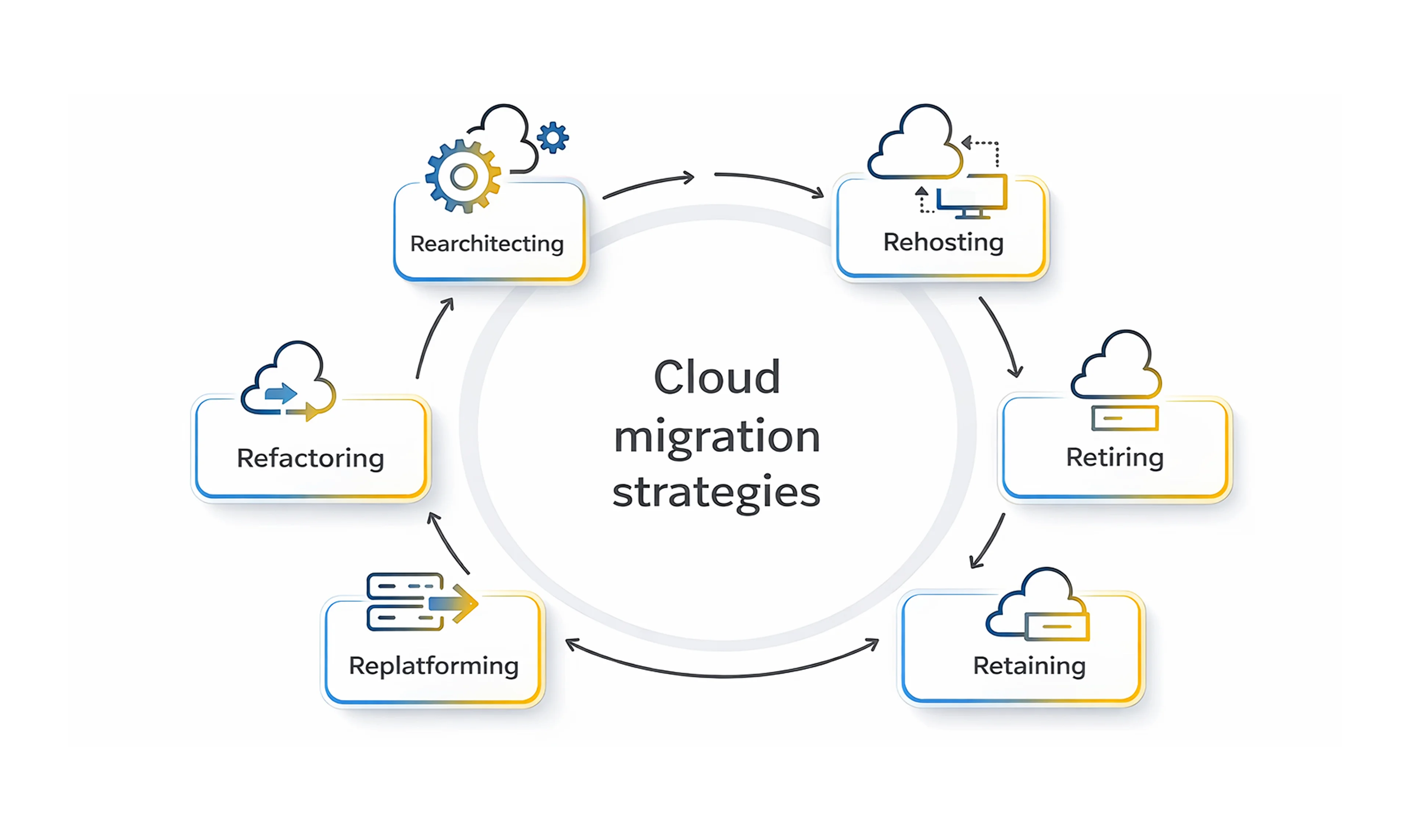
Cloud Migration: A Key Component
Cloud migration is not just a technology change, but it is a strategic move.
Flipkart is able to enhance operational efficiency, cybersecurity, and develop digital real estate through the migration of legacy systems to modern cloud infrastructure.
This is even more important as India is promoting initiatives such as the IndiaAI Mission, which promotes the development of scalable AI infrastructure in the country.
Harnessing Artificial Intelligence for Enhanced Customer Experience
Artificial intelligence sits at the heart of Flipkart’s customer experience strategy. From AI-driven personalization to automated supply chain optimization, AI ensures hyperlocal expertise at national scale.
In today’s digital commerce environment, customer experience determines market dominance. AI helps Flipkart compete effectively not only with Amazon India but also emerging D2C brands and consumer startups.
Generative AI Applications in E-Commerce
Generative AI enhances:
- Product descriptions
- Chat-based support
- Regional language content
- Automated catalog generation
- Smart marketing creatives
Using OpenAI models and other AI-native services, Flipkart can generate contextual content for regional languages, driving inclusion across India’s content revolution.
Generative AI also supports intelligent product exchange recommendations - for example, suggesting upgrades from touch mixer grinders to smart kitchen appliances aligned with urban lifestyle aspirations.
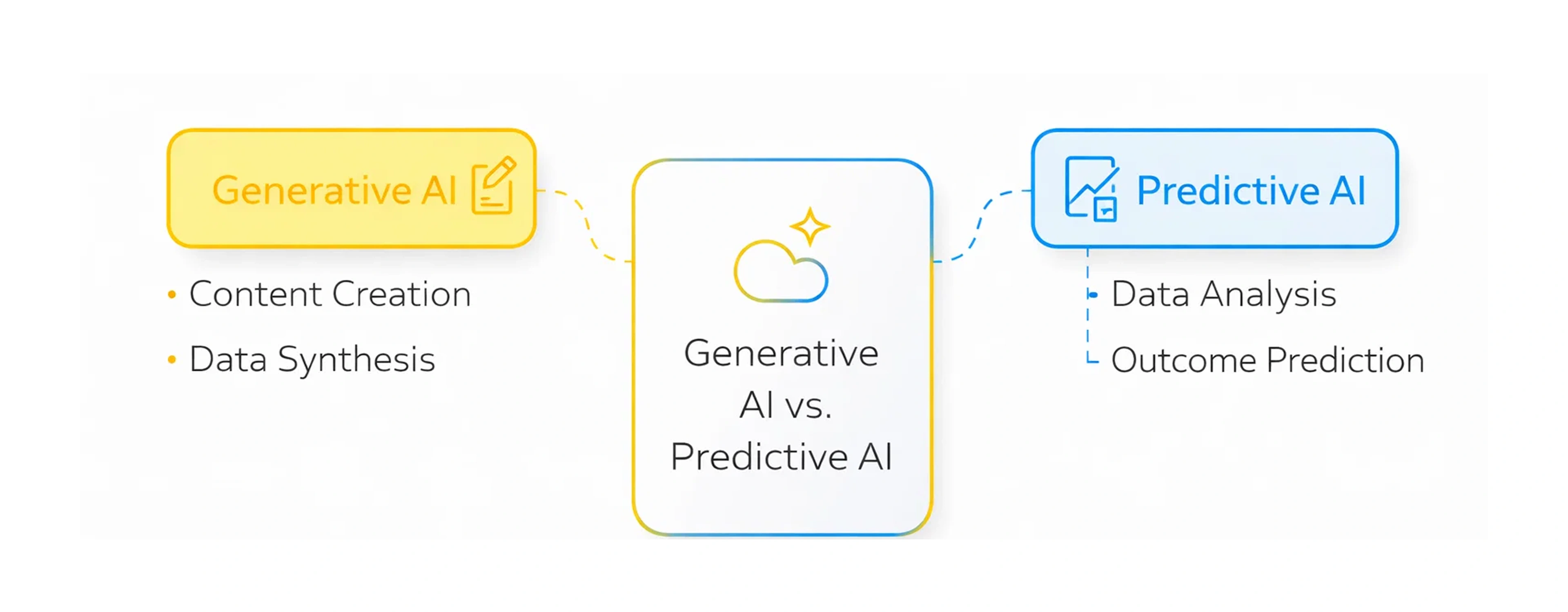
Generative AI creates new content, while Predictive AI forecasts outcomes. Learning these technologies through a data science course in Hyderabad helps build practical AI and analytics skills.
Predictive AI supports:
- Demand forecasting
- Inventory planning
- Logistics cost optimization
- Fraud detection
Generative AI supports:
- Customer engagement
- Smart chat interfaces
- Personalized product suggestions
Together, artificial intelligence and machine learning create a unified AI economy engine.
Natural Language Processing Techniques
Natural Language Processing (NLP) allows users to search in conversational language.
For example:
“Best water purifier under ₹10,000 for hard water”
NLP models interpret intent, context, and pricing filters. This improves product search accuracy and increases conversion rates.
It also supports voice-based search integrated with mobile apps distributed via Google Play Store.
Natural Language Programming & Emerging Trends
Emerging AI trends include:
- Code generation using AI
- Automated customer query resolution
- Conversational commerce
With advanced chips like GH200 Grace Hopper Superchip and Blackwell AI chips powering AI workloads globally, retail AI models are becoming faster and more efficient.
Flipkart's Cloud Infrastructure Solutions
Infrastructure defines scalability. Flipkart’s ability to manage high transaction volumes depends on a resilient logistics network and distributed data centers.
As conglomerates invest in massive AI facilities like the Jamnagar AI Data Center supported by players including Tata Consultancy Services and Jio Platforms, infrastructure is becoming the new competitive differentiator.
Understanding Cloud Infrastructure Types
Key infrastructure types include:
- Public cloud
- Private cloud
- Hybrid cloud
Hybrid models allow sensitive customer data to remain secure while scaling front-end commerce systems dynamically.
Cloud Infrastructure Services for High-Volume Retail
High-volume retail requires:
- Intelligent fulfilment centres
- AI-powered dark stores
- Third-party logistics integrations
- Real-time tracking
Quick commerce depends heavily on localized warehouses and AI-optimized last-mile delivery.
Google Cloud Computing & Azure Ecosystem
Cloud ecosystems like Google Cloud AI and Microsoft Azure AI provide:
- Machine learning pipelines
- AI-driven personalization engines
- Data lake architectures
Vertex AI simplifies industrial AI applications, from fraud detection to supply chain intelligence.
Strengthening AI Capabilities Through Talent & Tools
Technology is only as strong as the people building it.
Flipkart invests in AI talent, generative AI certification programs, and advanced AI development frameworks.
As India’s startup ecosystem grows, consumer startups and content platforms increasingly depend on AI tools for digital marketing, retail media optimization, and big data analytics.
Importance of Generative AI Certification
AI certification ensures teams can:
- Build scalable AI models
- Manage customer data responsibly
- Optimize recommendation engines
In the emerging AI economy, skills define competitiveness.
AI Development Frameworks & Tools
Common AI tools include:
- TensorFlow
- PyTorch
- Vertex AI
- Azure Machine Learning
These platforms integrate with data centers and support large-scale AI-native services.
Flipkart's Cloud Migration Strategy: Challenges and Solutions
Digital transformation requires careful planning. Migrating to cloud infrastructure introduces architectural complexity, vendor management challenges, and cybersecurity risks.
However, the long-term benefits far outweigh the initial transition hurdles.
Cloud Migration: Challenges and best practices
Key challenges include:
- Data transfer complexity
- Integration with legacy systems
- Downtime risks
- Cost unpredictability
- Data sovereignty compliance
Best practices include:
- Phased migration
- Hybrid cloud strategy
- Strong DevOps culture
- Real-time monitoring
- AI-driven workload optimization
Metro vs Tier-2 and Tier-3 Markets - The Real Transformation
India’s e-commerce growth story is no longer limited to metro cities. While metros built the foundation of online retail, the next phase of expansion lies in Tier-2 and Tier-3 markets.
Flipkart’s cloud migration and artificial intelligence strategy is designed specifically to bridge this gap.
Understanding the structural differences between these markets explains why cloud infrastructure and AI implementation are critical.
Consumer Behavior Differences Across Markets
Metro consumers typically show:
- Higher purchasing power
- Faster adoption of smart appliances and premium electronics
- Greater demand for same-day or next-day delivery
- Higher comfort with digital payments and UPI
Tier-2 and Tier-3 consumers, however, demonstrate:
- Strong price sensitivity
- Preference for value-driven durable goods
- Greater reliance on regional language interfaces
- Growing but evolving digital payment adoption
AI-powered personalization helps tailor recommendations differently for these segments. While metro users may see premium upgrades, Tier-3 users may receive affordability-driven suggestions powered by predictive analytics software and AI personalization tools.
Infrastructure & Logistics Gap
Metro cities benefit from:
- Dense fulfillment centers
- Established last-mile delivery networks
- Faster inventory turnover
Tier-2 and Tier-3 markets require:
- Distributed dark stores
- AI-optimized logistics routing
- Demand forecasting to avoid stockouts
- Cloud infrastructure solutions for real-time tracking
Here, cloud computing service models and cloud infrastructure services ensure scalability without excessive cost.
Hybrid cloud strategy enables secure data management while scaling front-end commerce operations.
Digital Readiness & Technology Adoption
Metro regions have mature digital ecosystems supported by:
- High-speed internet
- Strong digital wallet penetration
- Rapid AI feature adoption
Tier-2 and Tier-3 markets are growing rapidly but require:
- Mobile-first optimization
- AI-driven vernacular search powered by NLP models
- Natural language programming integration
- Simplified checkout experiences
Natural language processing techniques improve product discovery for queries like “best water purifier under 10000” in local languages.
This is where cloud infrastructure in cloud computing and generative AI applications play a transformative role.
Why This Difference Drives Strategy ?
Metro markets are approaching maturity.
The real long-term growth opportunity lies in emerging cities.
To transition from metro dominance to mass-market leadership, Flipkart relies on:
- Scalable cloud migration strategy
- AI supply chain tools
- Generative AI solutions for localized engagement
- Enterprise cloud solutions for operational efficiency
The transformation from metro to mass market is not just geographical expansion it is technological restructuring powered by cloud migration services, artificial intelligence, and scalable cloud architecture.
Scaling Beyond Tier-1 Cities with Cloud & AI
The next growth frontier lies beyond metros.
Tier 3 cities represent rising purchasing power, increasing digital literacy, and growing demand for home appliances like vacuum cleaners, water purifiers, and juicer mixer & grinders.
Cloud and AI make this expansion economically viable.
Infrastructure Readiness for Tier-2 and Tier-3 Markets
Expansion requires:
- Hyperlocal dark stores
- Optimized logistics network
- Reduced logistics costs
- Strong digital payment integration
Unified Payments Interface adoption accelerates trust in smaller towns.
AI-Driven Localization Strategies
Localization includes:
- Regional language interfaces
- AI-driven personalization
- Smart recommendations
- Mobile-first optimization
From demat accounts to content platforms, India’s digital economy is expanding rapidly - and Flipkart positions itself at the center of this transformation.
Conclusion
Flipkart’s transformation from metro-centric commerce to mass-market dominance demonstrates how cloud-native infrastructure and AI-powered intelligence can unlock inclusive digital growth across emerging economies.
Recap of Flipkart’s Cloud and AI-Led Growth Strategy
By leveraging cloud computing, scalable cloud infrastructure, and advanced AI models, Flipkart has strengthened supply chain efficiency, enhanced personalization, and optimized logistics across India’s diverse markets. Cloud migration and AI integration have enabled operational agility while supporting high-volume retail growth.
Unlocking the Potential of Tier-2 and Tier-3 Cities
The real expansion lies beyond metros. Through AI-driven localization, demand forecasting, and hyperlocal logistics networks, Flipkart bridges infrastructure and digital adoption gaps in emerging cities, accelerating mass-market inclusion.
The Future of Cloud, AI, and Digital Commerce
The future of digital commerce belongs to platforms that combine cloud-native architecture, intelligent automation, and localized engagement strategies. Flipkart’s metro-to-mass-market evolution illustrates how technology can scale not just businesses, but entire digital economies.
People Also Ask (FAQs)
Q1. What is cloud migration? Why do businesses need it?
Ans: Cloud migration is the process of moving our stuff, such as databases and applications from our own computers to cloud servers. This helps our business be more flexible, saves us money, and helps us work more efficiently.
Q2. How does Flipkart use AI to engage with customers?
Ans: Flipkart uses AI to generate product descriptions, develop chatbots, translate content, recommend products, and develop intelligent marketing campaigns.
Q3. What are the main advantages of cloud computing for shopping businesses?
Ans: Cloud computing helps e-commerce businesses scale easily, save money, develop new products quickly, analyze data in real time, and provide a better experience to customers.
Q4. What are the main hurdles in migrating to the cloud?
Ans: The main challenges are moving data, securing it, integrating it with existing infrastructure, and managing costs.
Q5. How are AI and predictive AI different?
Ans: Generative AI is used to create new content, while predictive AI analyzes past data to predict what will happen in the future, such as demand or pricing trends, and helps with logistics planning.

.webp)

.webp)