

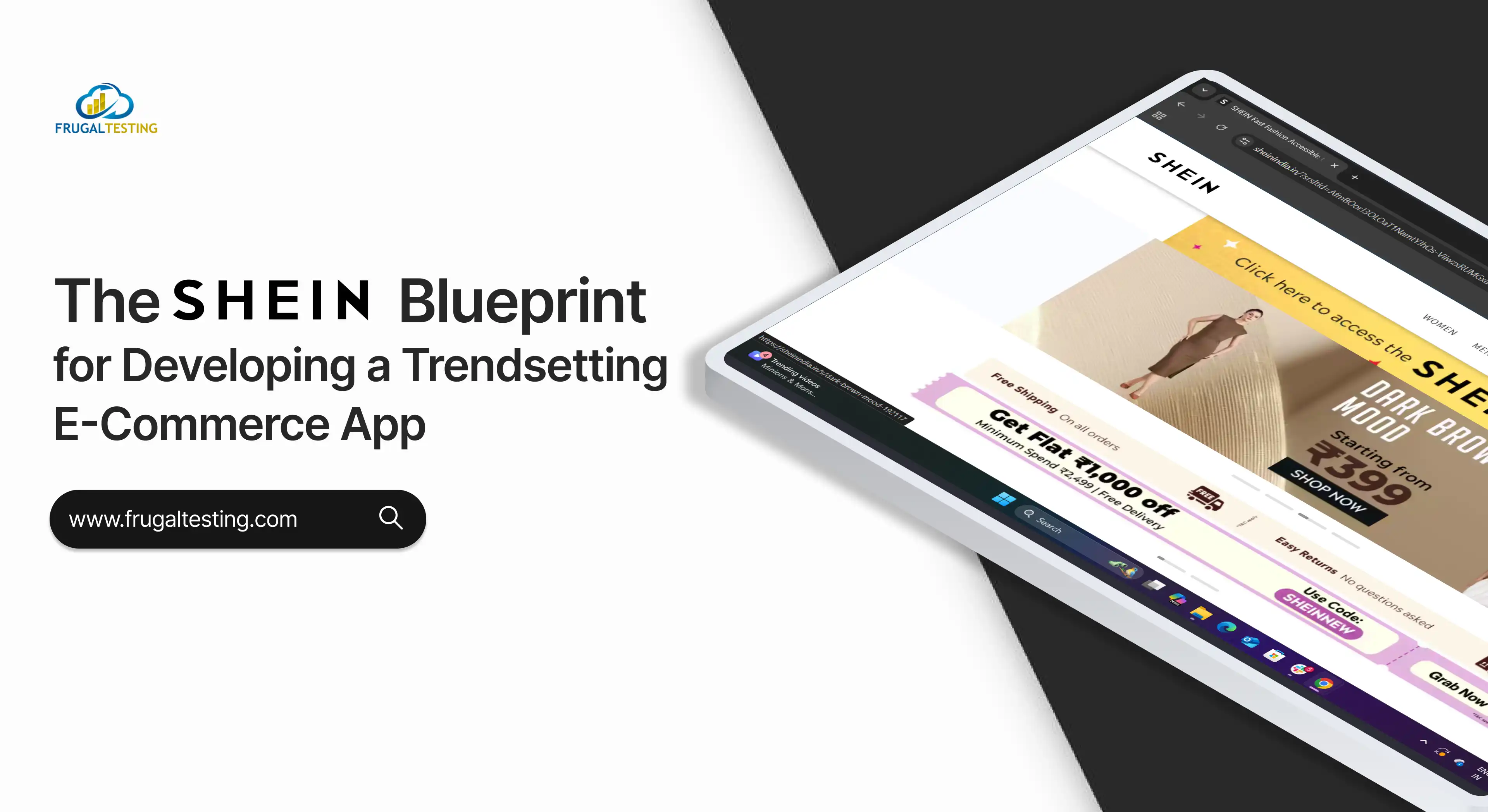
Shein has already established itself as a giant in the global fashion industry, rewriting the rules of fast fashion e-commerce on modern digital platforms. Under the leadership of its founder, Chris Xu, the company leverages artificial intelligence, big data analysis, and advanced supply chain management to provide real-time fashion to millions of customers across the globe.
From its aggressive social media and influencer marketing campaigns to hyper-personalized content, Shein understands consumer behavior, especially among Gen Z consumers. As the company moves forward with its planned IPO in Hong Kong, it continues to strengthen its digital dominance despite controversies over labor practices, regulatory challenges in Europe, and tariffs in the U.S.
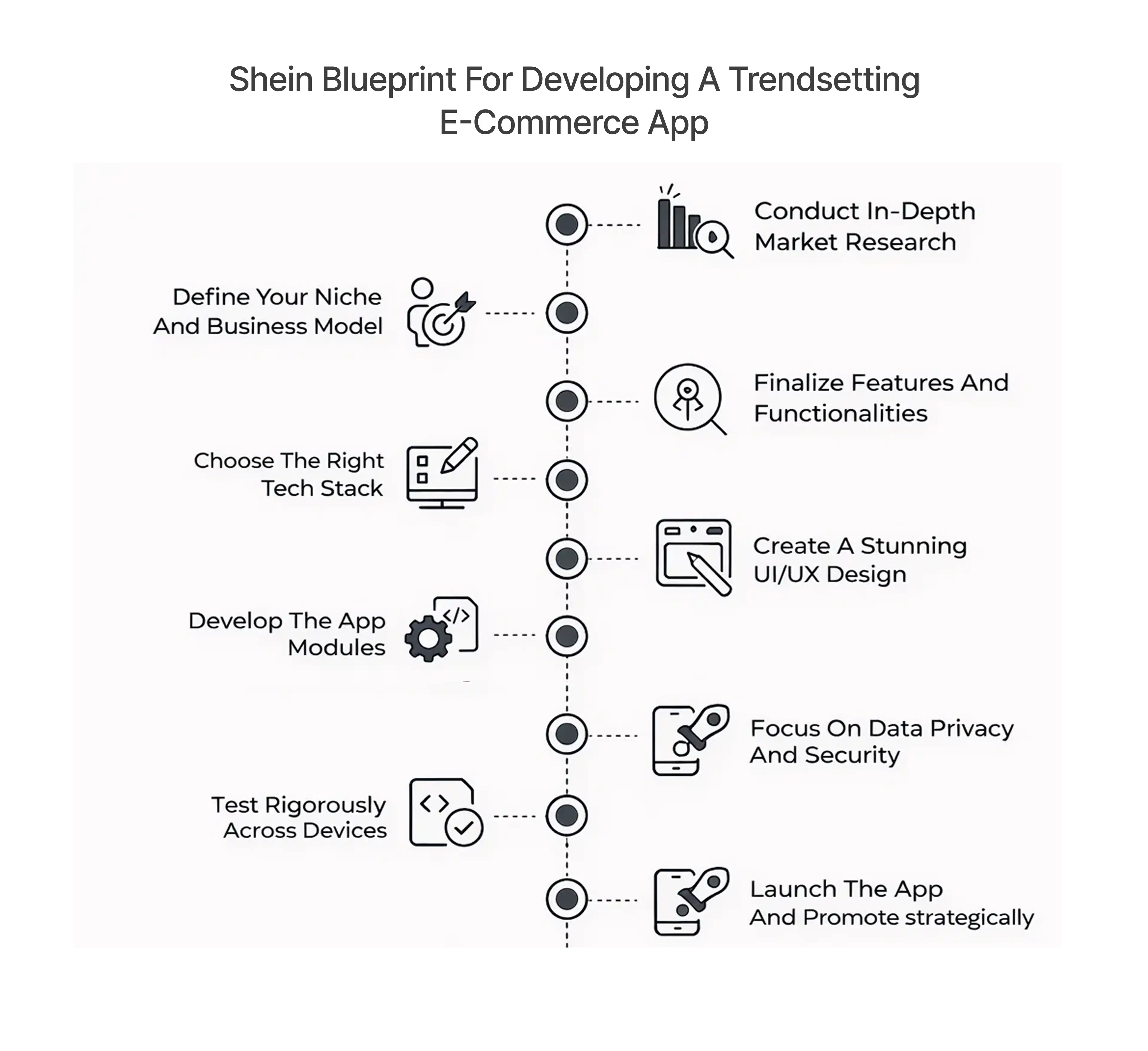
This blog will examine how companies can achieve success like Shein through effective app development, digital strategies, cloud infrastructure, and user engagement.
Understanding the E-Commerce Landscape
The fashion industry has undergone a swift transition towards digital-first business models. The current generation of consumers, particularly Gen Z, prefers quick, personalized, and seamless shopping experiences via mobile shopping apps, not websites .
The current fashion eCommerce industry is highly dependent on big data analytics, artificial intelligence, and real-time data to monitor trends, enhance inventory management, and improve supply chain management. Social media marketing and User-Generated Content also play essential roles in significant branding and in influencing the success of the fashion brand in the fast fashion industry.
Fast-Fashion E-Commerce Apps
The international e-commerce market has expanded rapidly, with trillions of dollars in annual sales exceeding trillions of dollars. This is now accounted for by mobile shopping apps, as consumers find these more appealing than browsing on desktop computers.
The major factors that contribute to this growth are as follows:
- Secure payment options
- Easy checkout processes
- Product recommendation services
- Flash sale notifications
- Faster registration processes
The Role of Mobile Apps in Fashion Retail
In the fast fashion industry, the key to success is the ability to respond quickly. Mobile apps give brands the ability to respond immediately to the latest fashion trends through:
- Artificial intelligence fashion forecasting
- Algorithmic design
- Instant inventory updates
- Data-driven insights from customer data
Shein uses User-Generated Content, viral messages such as “Super cute, please like,” and interactive elements to promote user engagement.
The omnichannel approach combines online experiences with pop-up stores, immersive experiences, and pop-up retail marketing campaigns.
Key Features of a Trendsetting E-Commerce App
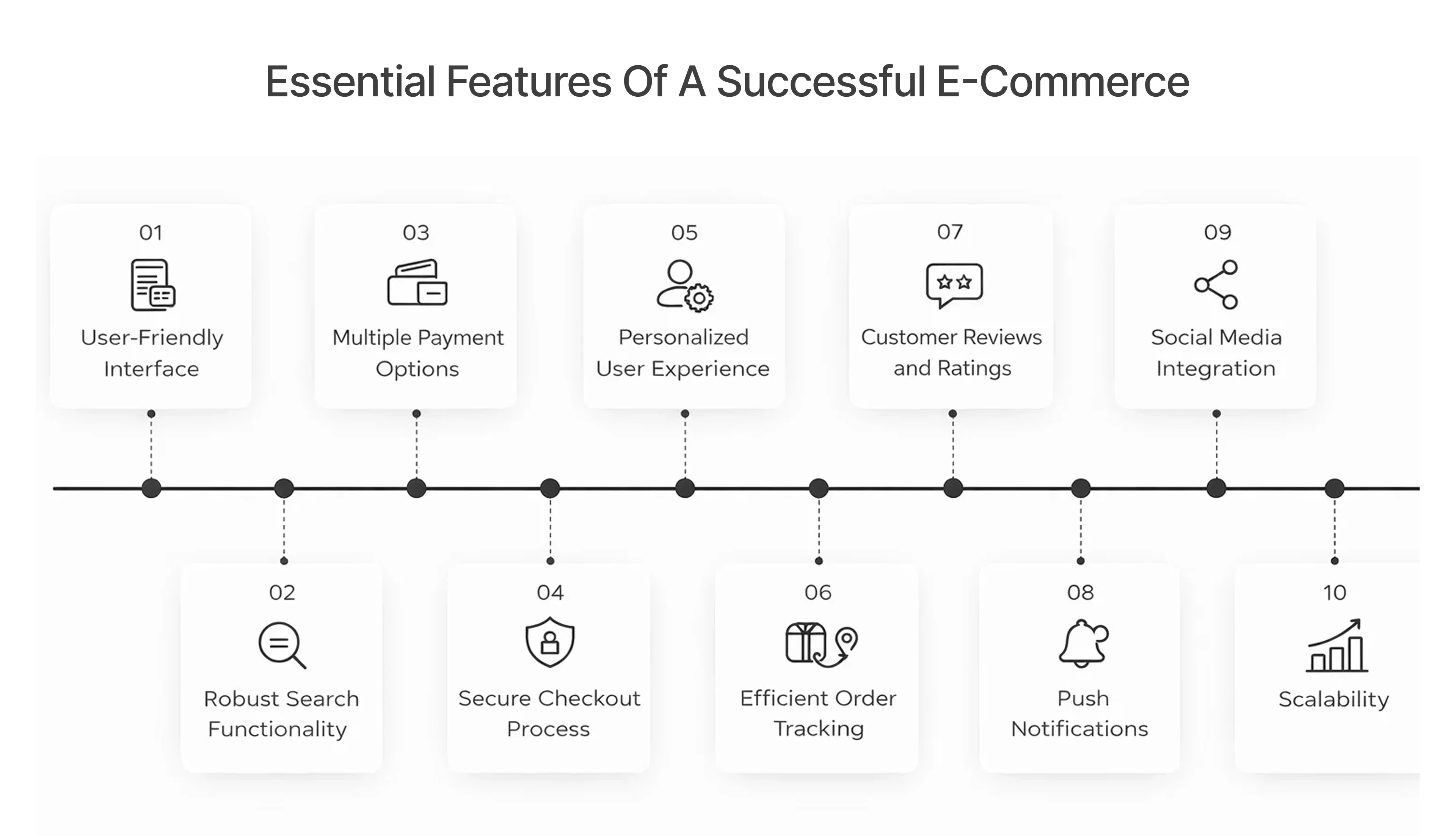
A fashion eCommerce app that is trend-setting must offer a seamless, personalized, and technology-driven shopping experience. User experience is the backbone and should offer smooth navigation, fast product search, easy user registration, secure payment methods, digital wallets, and a simple shopping cart.
Personalization using AI and big data analytics can assist in creating a dynamic, personalized Product Feed, smart recommendation systems, and personalized product suggestions based on real-time customer data.
Further, a strong inventory management system with real-time inventory updates can assist in enhancing supply chain management, while other features such as User-Generated Content, social media integration, and tools like AR Try-On can assist in enhancing user engagement and overall success with the brand in the fast fashion category.
User-Friendly Interface and Design
A smooth user experience is essential for retention. Applications such as Shein and Fashion Nova concentrate on:
- Intelligent product search
- AI-powered personalized Product Feed
- Sophisticated recommendation systems
- Multiple payment methods
- Multi-Language & Currency Support
Some of the new trends include:
- AR Try-On
- Virtual try-ons
- AI-powered sizing helps
- Rehelpsime inventory management
These help increase customer trust, improve perceptions of product quality, and minimize returns.
Integration of Peer-to-Peer Shopping
Peer-to-peer functionality allows consumers to resell fashion products, share fashion inspiration, and participate in fashion communities.
Advantages:
- Enhanced brand perception
- Increased engagement through social media
- Growth through fashion communities
- Authentic retail experiences
It also allows for collaborations such as Shein X, niche fashion lines such as Shein Frenchy, and casual wear lines such as Shein EZwear, which are made of materials such as cotton jersey.
Choosing the Right App Development Company
Peer-to-peer functionality allows consumers to resell fashion products, share fashion inspiration, and participate in fashion communities.
Advantages:
- Enhanced brand perception
- Increased engagement through social media
- Growth through fashion communities
- Authentic retail experiences
It also allows for collaborations such as Shein X, niche fashion lines such as Shein Frenchy, and casual wear lines such as Shein EZwear, which are made of materials such as cotton jersey.
Criteria for Selecting an E-Commerce App Development Company
While choosing the app development services, make sure they have experience in the following:
- D2C Ecommerce AE-commercepment
- Inventory Management Software
- Backend inventory management system
- Integration with ERP & Supply Chain Tech
You can opt for companies such as Webelight Solutions and Buildnextech, which provide scalable solutions for Clothing e-commerce.
- Your e-commerce provider should know about:
- Working with clothing manufacturers and garment factories
- Dealing with real-time inventory updates
- Providing smooth supply chain management.
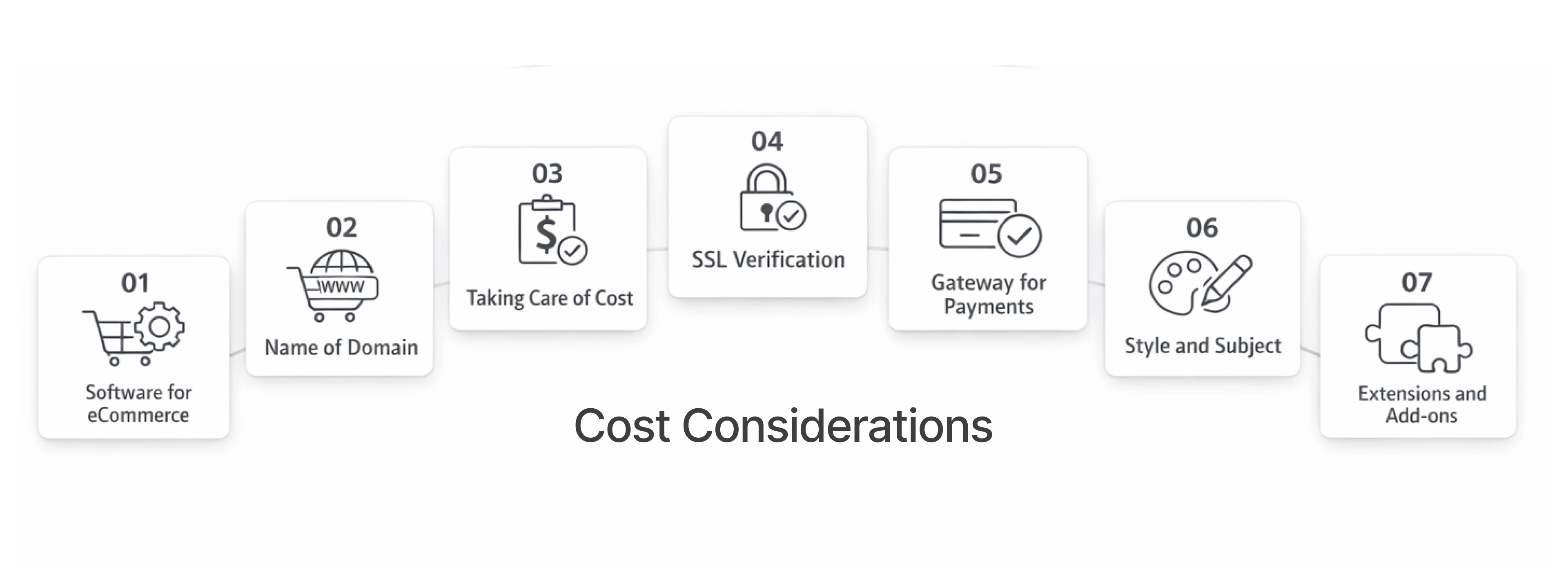
Cost Considerations
While choosing the app development services, make sure they have expertise in the following areas:
- D2C Ecommerce AE-commercepment
- Inventory Management Software
- Backend inventory management system
- Integration with ERP & Supply Chain Tech
The companies such as Webelight Solutions and Buildnextech have expertise in providing scalable solutions for clothing e-commerce.
- Your SEO provider should know about:
- Working with clothing manufacturers and garment factories
- Dealing with real-time inventory updates
- Providing smooth supply chain management
Cloud Cost Optimization in E-Commerce App Development
Cloud infrastructure plays an essential role in modern fashion e-commerce, especially in the fast fashion industry, where traffic is at its peak during flash sales, influencer drops, and marketing campaigns. Cloud infrastructure allows for real-time inventory management, secure customer data storage, and seamless transactions through payment systems. However, if not properly managed, cloud expenses can quickly go through the roof, thus affecting profitability.
Cloud expense management is essential to ensure that your mobile app development investment is feasible. Organizations need to implement auto-scaling for peak capacity, optimize databases driven by big data analytics, and eliminate unused infrastructure. Integration with cloud monitoring tools is also necessary to ensure optimal functionality while managing operational expenses. This is particularly important for applications that handle real-time inventory updates and high user engagement.
By integrating cloud infrastructure with your inventory management system and overall supply chain management, you can ensure that your Clothing e-commerce site has enhanced operational robustness and scalability. Proper cloud management not only helps in reducing expenses but also provides a fast and secure shopping experience, thus allowing your Clothing e-commerce site to scale without affecting speed and security.
Importance of Cloud Cost Management
The cloud infrastructure supports:
- Real-time scalability
- Secure storage of customer data
- Fast global performance
Real-time inventory management
However, without optimization, costs can rise. rapidly.
Best Practices for Cloud Cost Optimization
- Auto-scaling during peak periods
- AI-powered demand forecasting
- Tracking idle resources
- Database optimization through big data analytics
- Ongoing performance audits
Optimized cloud strategies improve the entire supply chain and protect against performance issues related to downtime or “Access denied” messages.
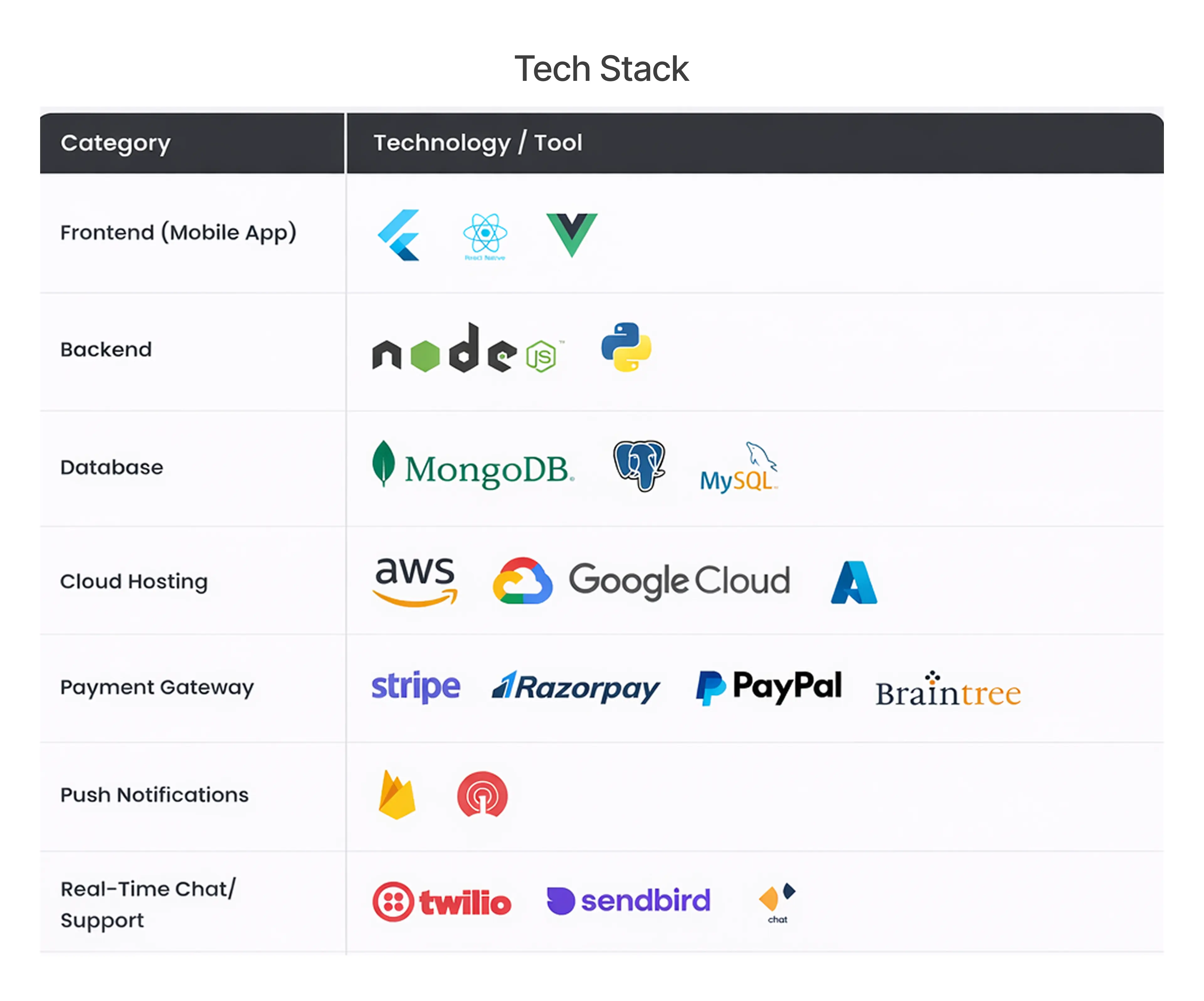
Development Technologies for E-Commerce Apps
Use of the right technology stack is an essential part of creating a scalable fashion e-commerce mobile application. In terms of the frontend development of the mobile application, technologies such as React Native assist in creating fast and cost-effective cross-platform applications for Android and iOS.
In terms of backend development, cloud technology assists in creating secure payment gateways, smooth shopping cart experiences, and real-time inventory management with auto-updates.
The latest technology trends in mobile applications include the use of artificial intelligence and big data analytics to create recommendation engines, personalized product recommendations, and dynamic feeds based on customer data. In addition to Inventory Management Software and supply chain management, these technologies assist in creating a seamless shopping experience in the fast fashion industry.
React Native for Cross-Platform App Development
React Native is preferred in fashion eCommerce because of:
- Fast deployment
- Cost-effectiveness
- Cross-platform compatibility
- Smooth AI integration
It helps in developing scalable and feature-rich apps efficiently.
Custom App Development Services
Custom solutions provide:
- Personalized backend integration
- Enhanced inventory management system
- AI-driven recommendation systems
- Smooth integration with ERP & Supply Chain Technology
Custom development allows scalability and differentiation, which is not possible with off-the-shelf solutions.
Ethics, Sustainability & Brand Responsibility
The fast fashion sector has experienced a rapid rise in growth, which has led to concerns about the treatment of workers, the environment, and ethical sourcing. The Rana Plaza disaster brought the dangers of the global garment industry into sharp focus.
The key areas that fashion brands need to concentrate on are:
- Ethical employment practices
- Lower carbon footprint
- Open and transparent supply chain management
- Sustainable Brand Development
- Circular economy projects
A balance between speed and sustainability will enhance consumer trust.
Reinventing Ultra-Fast Fashion Through Technology
Shein’s Reinventing Ultra-Fast Fashion business model incorporates:
- AI-powered demand forecasting
- Algorithmic designs
- Real-time production cycles
- In-depth consumer behavior knowledge
- Effective digital marketing campaigns
Although there are issues with consumer manipulation and regulation, Shein’s use of artificial intelligence, real-time inventory, and aggressive digital marketing has transformed the contemporary Clothing e-commerce industry.
Conclusion
The success of Shein is made possible by its remarkable synergy of AI, big data, agile supply chain management, and effective digital marketing. Its capability to provide real-time fashion, personalized shopping experience, and smooth app performance makes it stand out in the cutthroat e-commerce market.
To develop a fashion-forward e-commerce app, fashion brands need to concentrate on speed, personalization, secure payment, scalable inventory management, and data-informed decision-making. With the right technology partner such as Buildnextech, businesses can develop a scalable and consumer-centric platform for success in the online fashion industry.
People Also Ask (FAQs)
Q1.What is the average cost of e-commerce website development?
Ans: Basic platforms cost $5,000-$20,000, while advanced AI-driven online store solutions can go above $100,000 depending on customization and integrations.
Q2.How can I hire a mobile app development company?
Ans: Follow these steps to hire the right mobile app development company:
- Define your project scope.
- Review portfolios.
- Evaluate expertise in fashion eCommerce.
- Assess technical skills in AI, inventory management, and cloud optimization.
- Check client testimonials.
Q3.What are cloud cost optimization tools?
Ans: They are platforms that monitor cloud usage, identify unused resources, forecast demand using AI, and reduce unnecessary spending.
Q4.What features should a fashion app have?
Ans: A successful fashion eCommerce app should include the following essential features:
- Personalized product recommendations
- AI-based sizing assistance
- Secure payment gateways
- Real-time inventory
- Push alerts
- User-Generated Content integration
Q5.How does a peer-to-peer fashion app work?
Ans: Users can buy, sell, review, and share fashion items within the app ecosystem. AI suggests trends based on customer data, while backend systems handle authentication, fraud detection, and inventory updates.

.webp)

.webp)