

The best AI-powered test management tools for QA teams in 2026 include Katalon Studio for mid-sized teams, Testsigma for no-code automation, Tricentis Tosca for enterprise compliance, Qase for modern integrations, and TestRail for structured governance. The right platform depends on team size, CI/CD architecture, automation maturity, reporting requirements, and whether native AI capabilities or plugin-based AI enhancements align better with your workflow.
Software delivery cycles continue to shrink, placing growing pressure on QA teams to maintain release quality without slowing deployment velocity. Traditional software testing approaches often struggle to scale across Agile development, continuous integration, and continuous deployment environments, making AI-powered test management platforms increasingly important for automation-driven engineering teams.
From intelligent test case generation to self-healing execution and predictive defect analysis, AI-powered testing tools help organizations reduce maintenance overhead, improve test coverage, and stabilize CI/CD testing workflows. In this guide, Frugal Testing explores the leading AI-powered test management tools for 2026 and the key factors teams should evaluate before selecting a platform.
Why AI Is Changing the Way Teams Manage Software Testing
The Shift From Manual QA to AI-Driven Test Management in Agile and DevOps
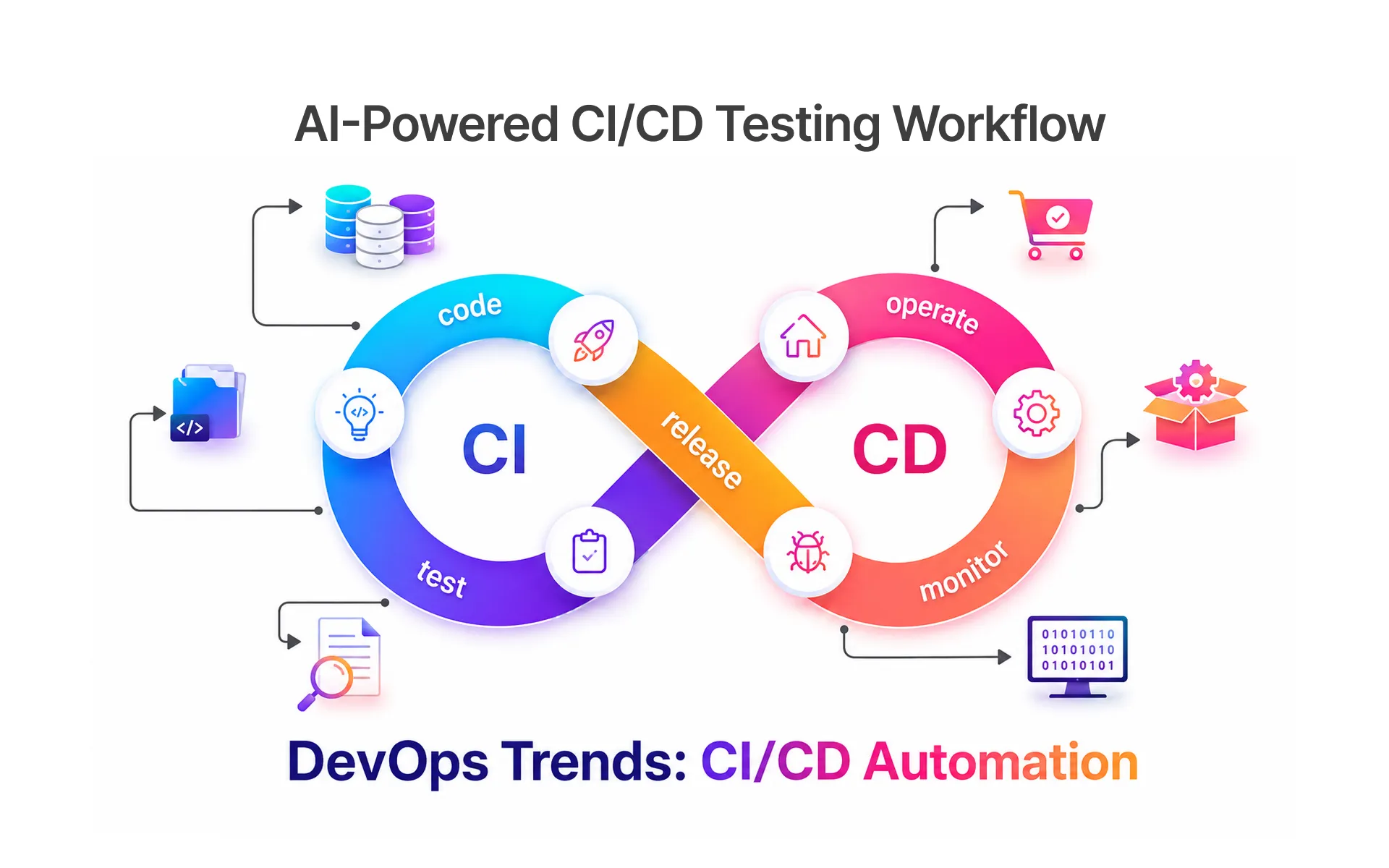
Modern Agile and DevOps environments demand rapid releases, continuous testing, and reliable automated tests. Manual QA processes cannot scale in fast-moving software delivery pipelines, which is why teams now depend on test automation tools that integrate with CI/CD automation systems and deliver real-time feedback throughout development.
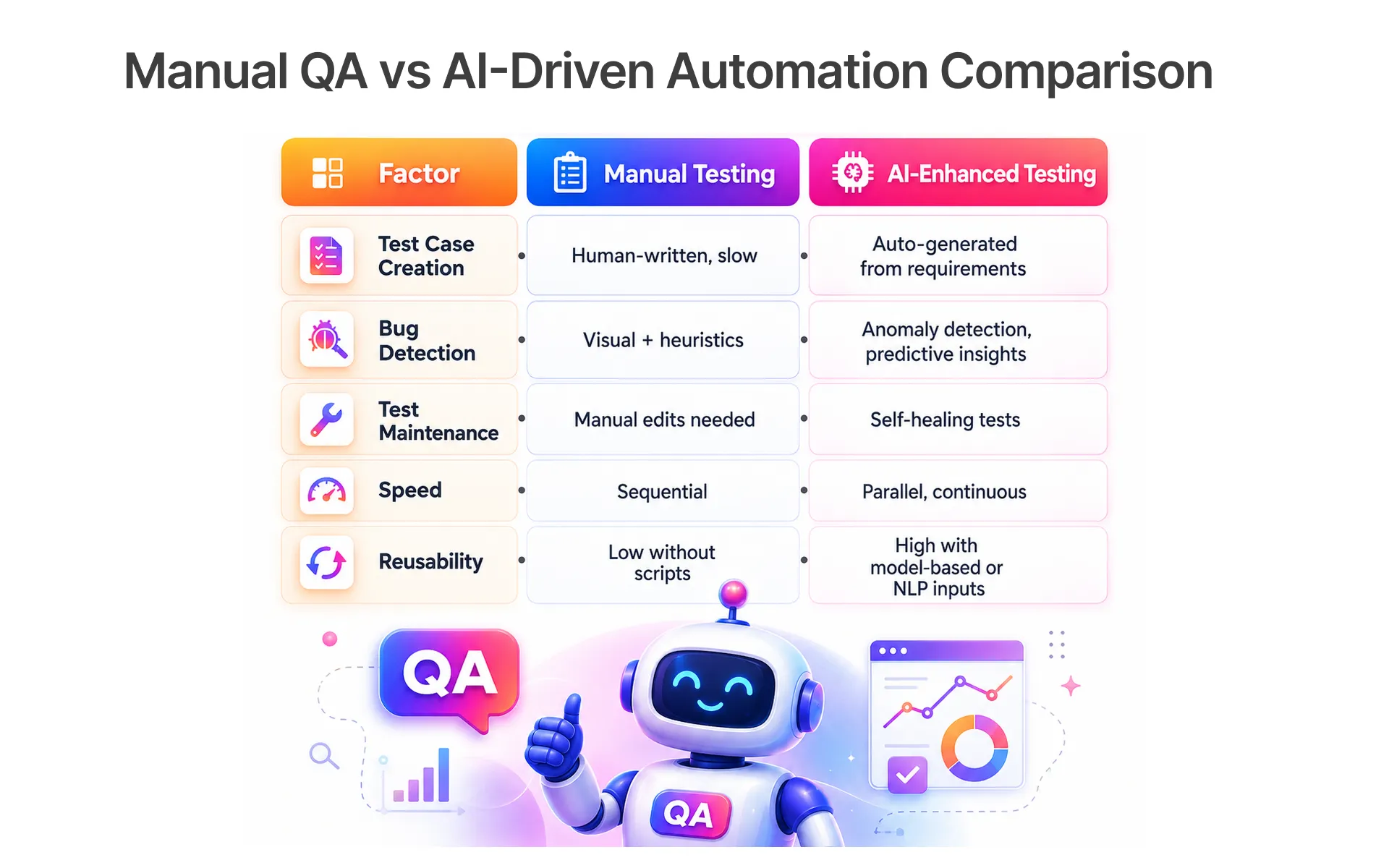
AI-driven testing platforms improve efficiency by automatically generating test scripts, identifying coverage gaps, and prioritizing regression testing based on risk analysis. According to the World Quality Report by Capgemini, AI adoption in quality assurance testing has significantly increased as organizations demand faster and smarter testing workflows. At Frugal Testing, QA teams that integrated AI-powered test selection with Selenium and Playwright frameworks reduced release validation time by 35–40% within the first two sprint cycles by concentrating automated runs on high-risk modules identified through predictive defect analysis.
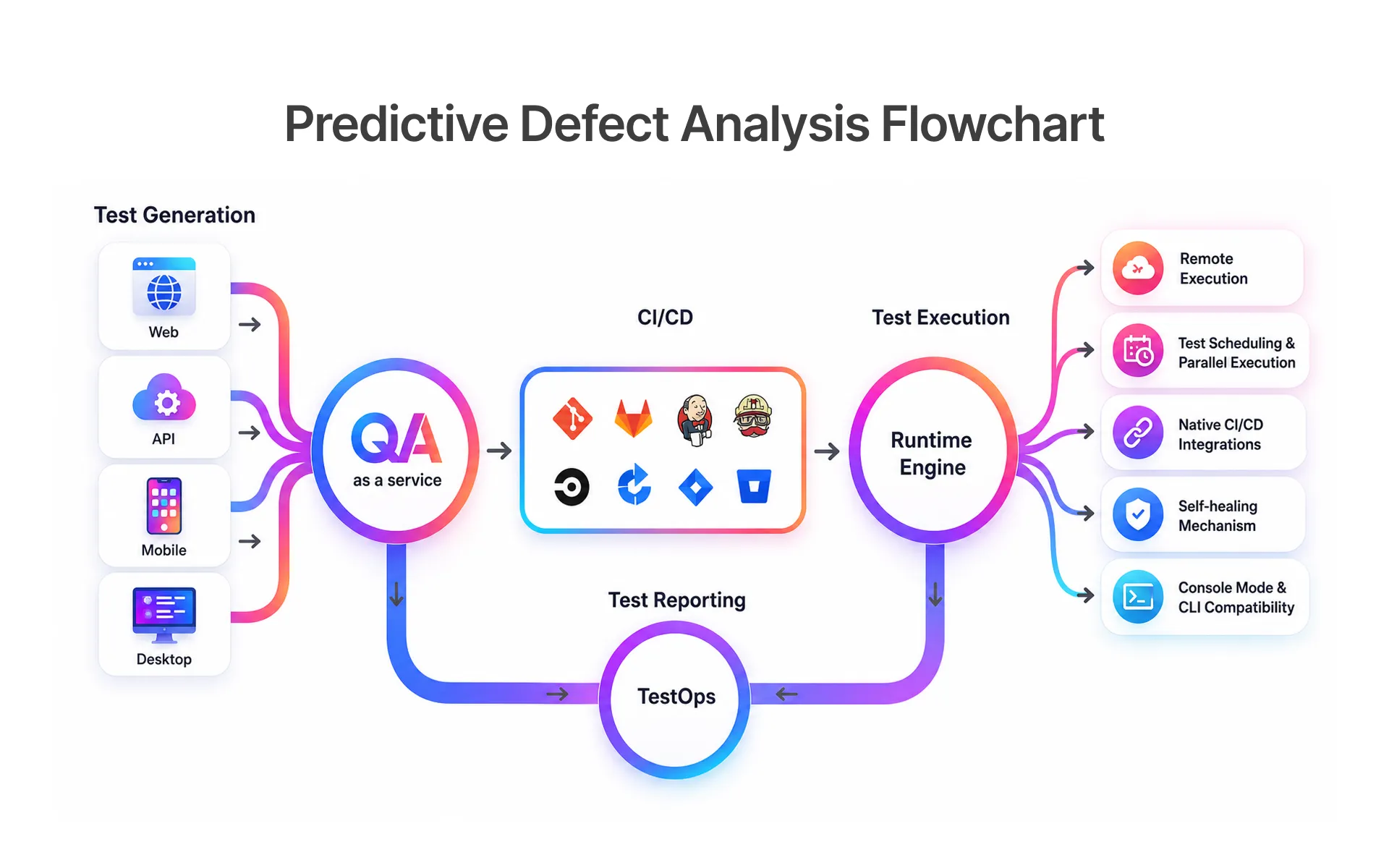
Why Traditional QA Struggles in Fast CI/CD Environments and the Rising Cost of Test Maintenance
Traditional test management relies on manual test planning, static test suites, and brittle test scripts that break whenever UI changes occur. As applications evolve, these scripts demand constant maintenance, which means QA automation engineers spend more time fixing tests than validating product quality.
In CI/CD pipelines, even minor test failures delay deployments and erode developer confidence in the automated testing workflow. AI-powered no-code and low-code test automation platforms address this with self-healing tests that automatically adapt locators and detect UI modifications without human intervention. Tools like Rainforest QA and the BrowserStack AI Test Case Generator already leverage machine learning to stabilize automated testing across cross-browser testing environments, reducing test defect noise significantly.
How AI Improves Speed, Accuracy, and Scalability in QA Automation
Artificial Intelligence improves QA automation by making testing smarter, not simply faster. AI-powered test management tools analyze historical test results, identify risky modules, and optimize test execution schedules inside CI/CD pipelines, enabling teams to ship with greater confidence at every sprint.
Modern platforms use natural language automation to convert User Stories and BDD/Gherkin scenarios into executable automated tests, reducing dependency on expert scripting knowledge. Visual AI and Pixel-Perfect Visual Diffing further enhance end-to-end testing by catching visual regressions that traditional automation tools miss particularly valuable in eCommerce, banking, and healthcare applications. At Frugal Testing, QA automation engagements that combined Playwright testing, Selenium automation, and AI-driven reporting consistently reduced manual QA workload by 40–60% within the first two sprint cycles while improving defect escape detection through automated coverage gap analysis.
Test Management vs Test Automation: Understanding the Difference
What Is Test Management and Why It Matters for Automation Teams
Test management focuses on planning, organizing, tracking, and analyzing software testing activities across the full software delivery lifecycle. It covers managing test cases, test suites, test data, test runs, defect analysis, and quality reporting, giving teams centralized visibility into QA health at any point in development.
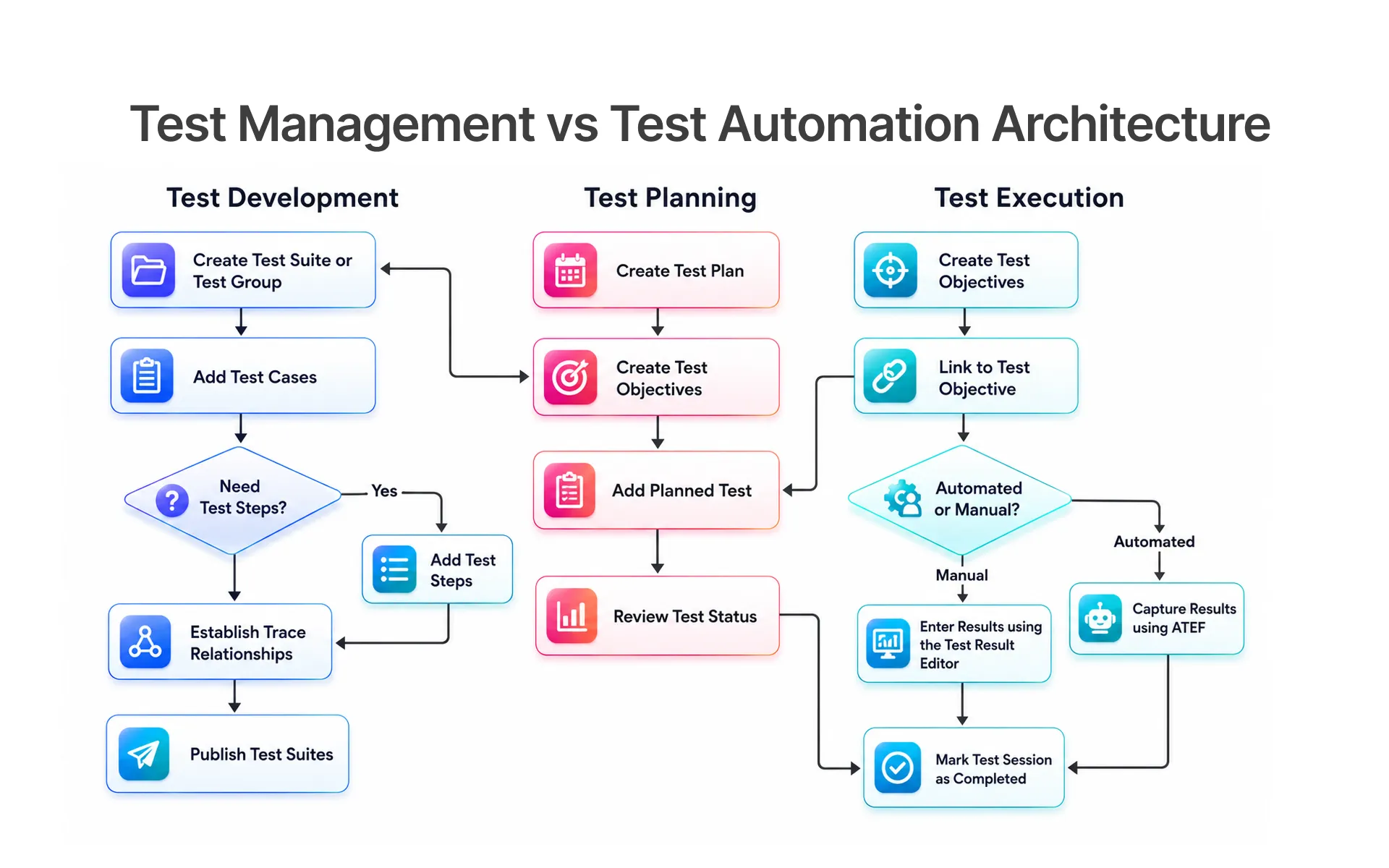
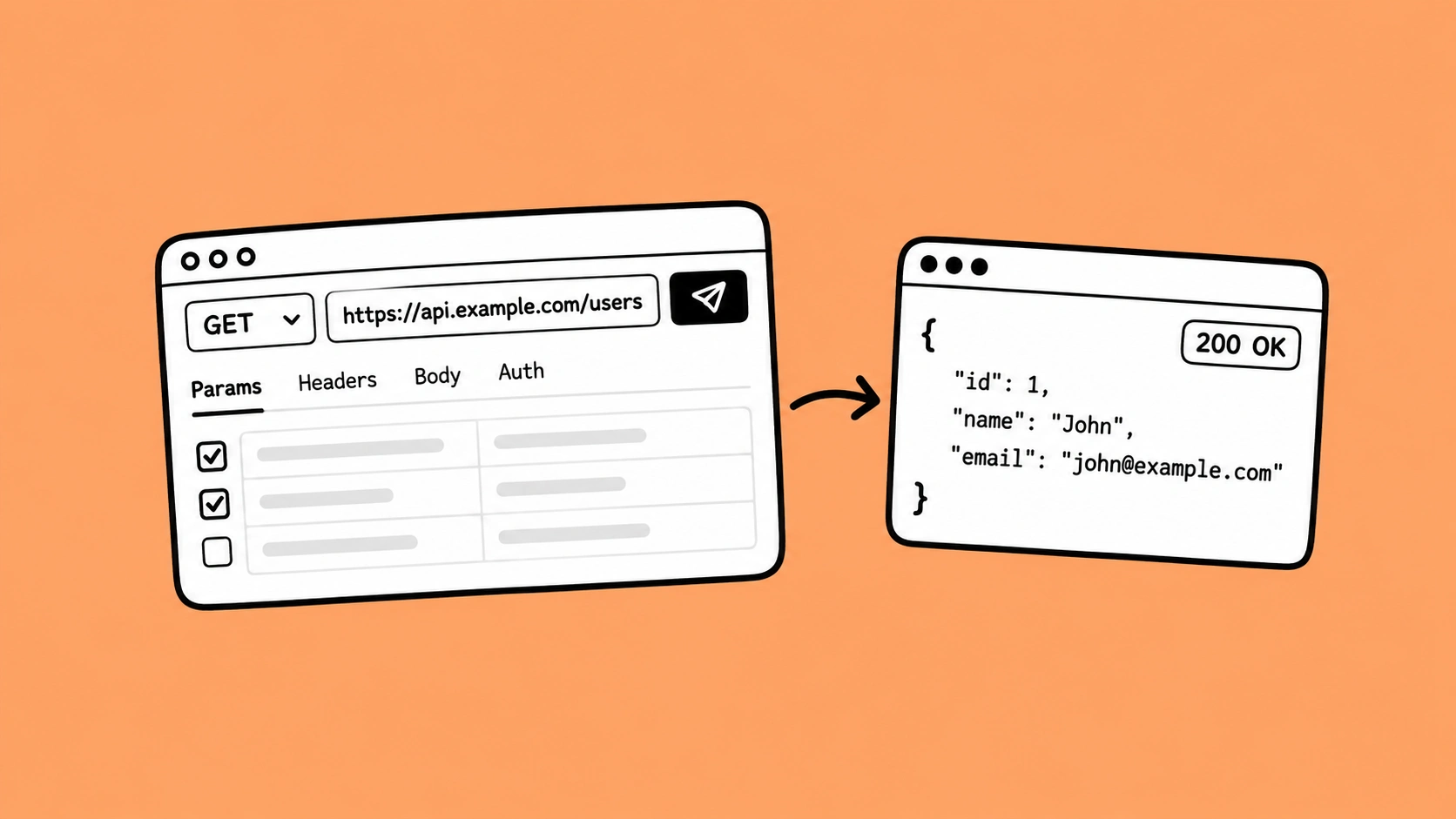
Test automation, by contrast, focuses on executing automated tests through frameworks like Selenium, Playwright, or API automation tools. While automation testing tools handle script execution, test management tools govern the broader QA strategy. Without strong test management, even the most capable automation frameworks become difficult to govern at scale. Modern AI test management tools close this gap by unifying planning, execution, and analytics into one intelligent ecosystem, giving CTOs and DevOps leads the quality signals they need to make confident release decisions.
Core Components of an Effective Test Automation Framework
A reliable test automation framework is the backbone of any scalable QA automation strategy. At its core, it requires reusable test scripts, version control systems, reporting engines, CI/CD integration, and stable test environments that support integration testing, cross-browser testing, and end-to-end testing.
Frameworks built around Selenium, Python, and Playwright automation are widely adopted for their flexible scripting and modern browser automation capabilities. Playwright testing has grown particularly popular for its speed, parallel test execution support, and reduced flakiness compared to older Selenium setups. An effective framework also needs structured test case management, defect clustering for faster triage, risk-based prioritization, and enterprise-grade security for regulated environments. AI-powered platforms automate many of these management tasks using predictive QA insights and autonomous test generation, freeing engineers for higher-value testing work.
How AI-Powered Test Management Tools Bridge Planning and Execution and Where Selenium and Playwright Fit In
AI-powered test management tools unify QA planning with automated testing execution. They generate test cases from user stories, prioritize test runs based on defect history, and optimize regression testing during continuous deployment, eliminating manual coordination between planning and engineering teams.
Platforms like Qase and TestRail Enterprise connect directly with CI/CD tools such as Jenkins and GitHub Actions. The JIRA Extension AI Test Case Generator and GitHub Copilot further support intelligent test writing by surfacing automated test scenarios from development tickets and requirements. It is important to understand that Selenium and Playwright are execution frameworks, not test management platforms they control how tests run, not how they are planned or reported. The right approach is to govern strategy through an AI-powered test management tool and connect it to Selenium or Playwright for execution, creating a layered architecture that combines structured planning with powerful automation.
Essential Features to Look For in AI-Powered Test Management Tools
AI-Driven Test Case Generation and Intelligent Test Coverage
One of the most impactful advantages of AI-driven testing is automatic test case generation. AI systems analyze application flows, user behavior modeling, and historical defects to produce meaningful test scenarios that human testers may overlook under time pressure, improving test coverage while reducing manual planning effort.
Teams can also detect coverage gaps early in development, lowering the risk of defects reaching production. Enterprise banking applications, for example, use AI-powered automation tools to validate thousands of financial workflows across microservice architectures — a scale where manual testing would be entirely impractical. Continuous test case generation ensures regression suites stay relevant as features evolve, which is a clear marker of QA maturity for high-velocity software teams.
Self-Healing Automation and Smart Test Maintenance
Self-healing tools automatically detect UI changes and update failing locators during test execution without requiring engineer intervention. This reduces flaky tests, lowers maintenance costs, and keeps automated testing workflows stable even as the application under test changes frequently across sprint cycles.
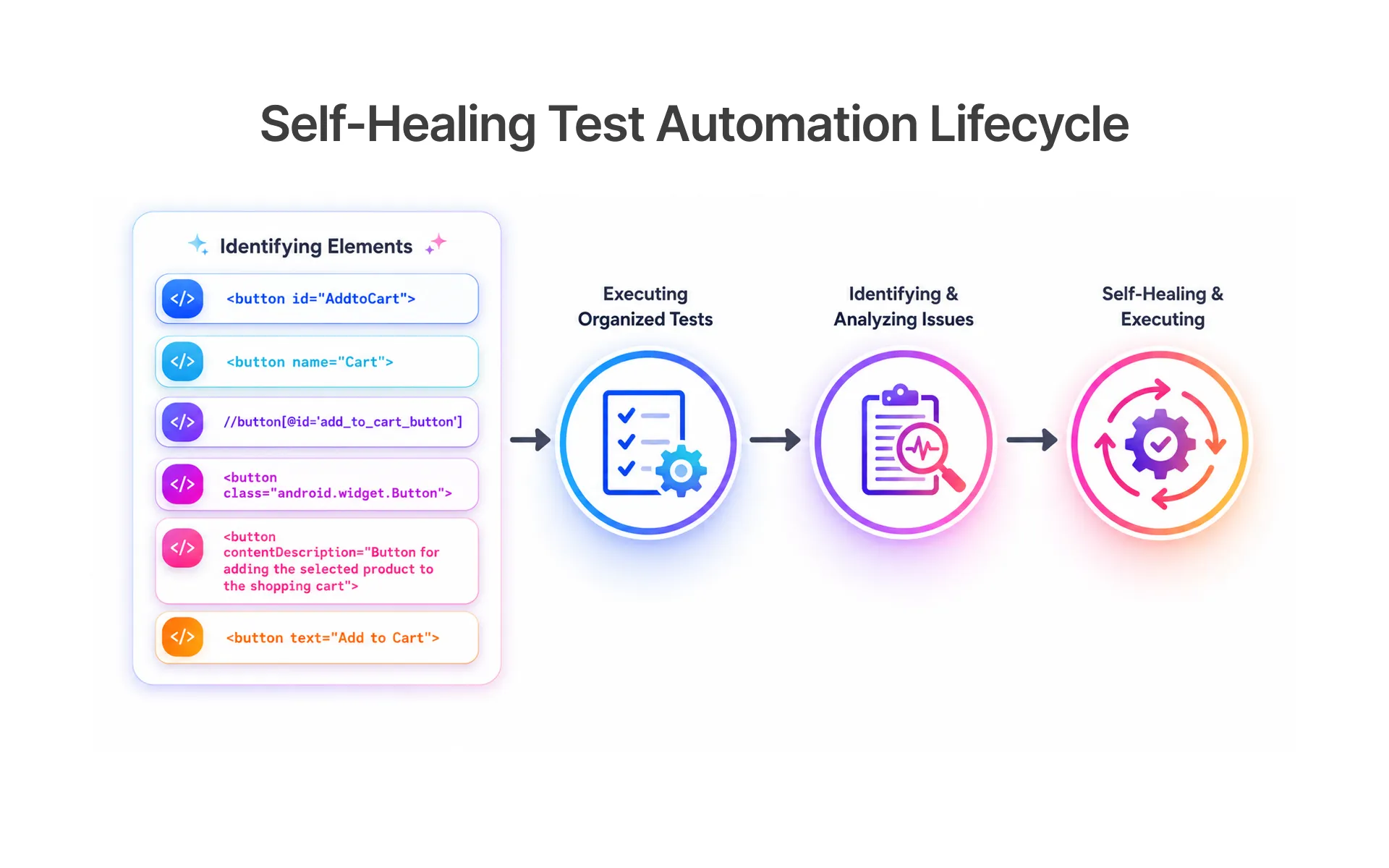
Platforms such as Perfecto by Perforce and Testsigma use Vision AI and self-healing execution to stabilize test runs across virtual devices and browsers. Rather than generating waves of false failures after every frontend update, these platforms adapt intelligently and continue running. When self-healing combines with AI-powered test prioritization, teams reduce both noise and maintenance burden simultaneously, freeing engineers for exploratory testing and new feature coverage.
Advanced Reporting, Analytics, and Predictive QA Insights
AI-powered analytics provide visibility into software testing trends that traditional dashboards cannot surface. Teams can track test results, analyze defect clustering, aggregate errors by module, and use predictive defect analysis to anticipate failures before the next release cycle, helping CTOs and DevOps leads allocate resources more strategically.
Rather than reacting to production failures, teams can proactively address quality risks before code ships. Predictive analytics is rapidly becoming a key differentiator in modern AI-powered test management platforms as organizations prioritize proactive quality engineering over reactive defect management. Frugal Testing integrates AI-powered reporting into its automation testing services to give clients actionable quality signals across every sprint, not just at release time.
Native CI/CD Pipeline Integration and DevOps Compatibility
Modern test management tools must integrate seamlessly with CI/CD pipelines, version control systems, and the broader DevOps toolchain. Support for Jenkins, GitHub Actions, GitLab CI, Azure DevOps, and Kubernetes-based deployment workflows is now a baseline expectation, not a premium feature.
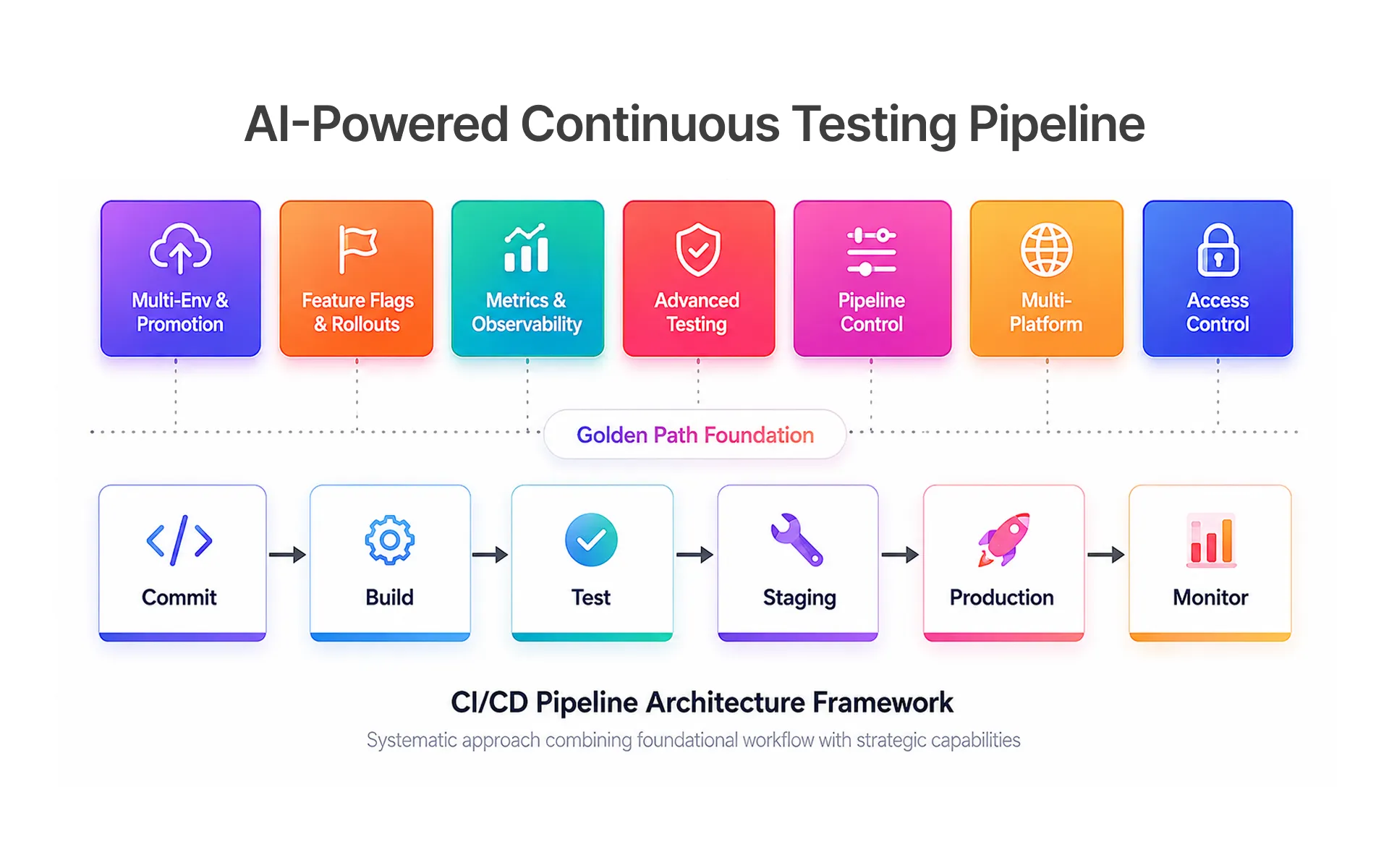
Teams also require deep integration with Selenium, Playwright, API automation frameworks, and RPA software ecosystems. Without these connections, test management tools become isolated silos that slow delivery rather than accelerate it. Strong CI/CD compatibility ensures continuous testing happens automatically throughout the software delivery lifecycle, making quality a built-in property of every deployment.
Best AI-Powered Test Management Tools for Automation Teams in 2026
Katalon Studio: AI-Assisted Test Management and Automation
Katalon Studio combines automated testing, API automation, visual validation, and AI-assisted reporting into a unified platform. It supports Selenium-based automation and integrates with popular CI/CD tools. Katalon is widely adopted by mid-sized organizations because it balances enterprise-grade functionality with an accessible learning curve for teams transitioning from manual testing.
Testsigma: Cloud-Native AI Test Management Platform
Testsigma focuses on natural language automation and AI-powered no-code testing. QA teams create automated tests using plain English while leveraging self-healing execution and predictive insights. Its cloud-native architecture suits distributed QA automation teams working across multiple environments, removing infrastructure management from the team's plate.
Tricentis Tosca: Enterprise AI-Powered Continuous Testing
Tricentis Tosca is built for enterprises requiring model-based testing, autonomous test generation, and enterprise-grade security. Large organizations rely on Tosca for regulatory compliance, integration testing, and continuous deployment validation. Its risk-based prioritization engine helps enterprises optimize regression testing across complex application ecosystems.
Qase: Modern AI-Powered Test Management With Automation Integrations
Qase offers modern test case management with native integrations for Playwright, Selenium, Jira, and GitHub. Its AI-powered reporting features simplify defect analysis and quality trend monitoring. Qase suits teams that want strong test management capabilities without the complexity or cost of enterprise-only platforms.
TestRail With AI: Industry-Standard Test Management Enhanced With AI Insights
TestRail remains one of the most trusted platforms for structured test management. Recent AI enhancements improve test prioritization, reporting accuracy, and defect trend analysis. Many QA teams combine TestRail Enterprise with Selenium or Playwright automation frameworks for scalable, well-governed software testing operations.
How to Choose the Right Test Management Tool for Your Team
Key Evaluation Criteria: Features, Integrations, Scalability, and Support
Choosing the right test management tool requires evaluating your testing strategy, technology stack, and team size together. QA leaders should assess AI-driven testing capabilities first, then CI/CD integration depth, scalability for growing projects, cross-browser testing support, reporting quality, security certifications, and vendor support responsiveness.
A tool that serves a five-person QA team well may not handle the compliance and reporting demands of an enterprise environment. Running a structured pilot program before full adoption saves significant time and budget and reveals integration gaps that feature lists alone never expose.
Matching Tool Capabilities to Your Team's Expertise and Project Type
Teams experienced with Selenium Python tend to prefer open frameworks with flexible integration options, while less technical teams benefit more from no-code automation testing tools with guided workflows. Playwright automation fits modern web applications that need stable end-to-end testing and fast parallel execution. For mobile-heavy projects, platforms with native device lab integrations take priority.
Frugal Testing helps organizations assess QA maturity and align automation testing services with project complexity, compliance goals, and delivery timelines, ensuring the chosen tool fits both current needs and future scale.
Measuring ROI From QA Automation Services and Test Management Investment
ROI from test management investment goes beyond reduced testing time. The full picture includes faster release cycles, measurable reduction in production defects, broader test coverage, lower long-term maintenance costs through self-healing automation, and increased deployment confidence that reduces costly rollbacks.
Organizations that embed AI-driven testing into CI/CD automation consistently report improvements in software delivery speed and customer satisfaction — making the right tool a strategic investment across the entire delivery organization.
The Future of AI in Test Management and Continuous Testing
Emerging Trends: Autonomous Testing, AI Agents, and Self-Optimizing Pipelines
The next generation of AI-powered test automation tools is moving toward Agentic Test Automation and fully autonomous decision-making. AI agents will independently create, execute, and optimize test suites based on live production data and user behavior modeling, reducing human intervention while improving scalability for complex applications.
Teams building AI-native QA workflows today will be better positioned to adopt these autonomous capabilities as they mature over the next two to three years.
Continuous Testing in CI/CD and Its Impact on Software Delivery Speed
Continuous testing has moved from best practice to competitive necessity in modern DevOps workflows. AI-powered systems prioritize test execution based on specific code changes in each commit and historical risk patterns, focusing effort where failures are most likely rather than running full regression suites on every build.
This enables faster deployments without sacrificing quality assurance standards, turning quality from a release bottleneck into a genuine delivery accelerator.
How AI Advances Integration Testing and End-to-End Testing Accuracy
As applications grow more interconnected, integration testing becomes increasingly complex. AI identifies hidden dependencies across microservice architectures and flags potential failure points before they surface in production, shifting defect discovery earlier in the CI/CD pipeline.
AI also enhances end-to-end testing accuracy through visual AI validation and predictive defect analysis that flags high-risk user interaction paths. These improvements help organizations maintain stability as architectures grow more distributed and user journeys become more complex.
Conclusion: Building a Smarter QA Automation Strategy With AI
Key Takeaways on Selecting the Best AI-Powered Test Management Tools
AI-powered test management tools are redefining how QA teams approach software testing. From self-healing tests and predictive analytics to autonomous test generation and native CI/CD integration, AI enables faster and more reliable quality assurance that scales with modern delivery demands.
The right platform should support your existing automation framework, integrate with CI/CD pipelines, and deliver actionable insights that improve release quality over time. Whether your team uses Selenium Python, Playwright automation, or a no-code approach, 2026 has a tool built for your maturity level.
How Frugal Testing Helps Automation Teams Achieve Scalable, AI-Driven QA
We help organizations modernize QA automation using AI-driven testing strategies, Selenium automation, Playwright testing, and scalable automation testing services tailored to each team's maturity and delivery goals. Our expertise in CI/CD automation, continuous testing, and intelligent test management helps QA teams reduce maintenance overhead, improve defect detection, and accelerate software delivery across every release cycle.
Organizations that embed AI-driven testing into CI/CD automation workflows can measurably reduce release validation time, lower defect escape rates, and improve delivery confidence across high-velocity engineering environments.
People Also Ask (FAQs)
Q1.Can small QA teams and startups realistically afford AI-powered test management tools?
Ans: Yes. Many AI-powered test management tools offer tiered pricing, free plans, or pay-as-you-go models that make them accessible beyond enterprise budgets. Platforms like Qase and Testsigma offer startup-friendly plans with core AI features included. The ROI argument also works in favor of smaller teams reduced manual effort and faster release cycles offset the subscription cost quickly, making AI test management a practical investment even for lean QA teams.
Q2.How do AI-powered test management tools support cross-platform testing for web, Android, and iOS applications?
Ans: AI-powered test management tools integrate with cloud-based device labs and cross-browser testing platforms to execute tests simultaneously across web, Android, and iOS environments. They use intelligent test distribution to assign test cases to the right environment automatically, track results per platform in unified dashboards, and flag platform-specific failures without manual filtering. This eliminates the need to maintain separate test suites for each platform, saving significant time for QA automation teams managing multi-platform applications.
Q3.How do AI testing tools detect, prevent, and auto-heal flaky tests in CI/CD pipelines?
Ans: AI testing tools monitor test execution patterns over time to identify tests that pass and fail inconsistently. Once a flaky test is flagged, self-healing mechanisms automatically inspect UI locators, element paths, and workflow dependencies to find what changed. The tool then updates the affected test without engineer intervention. In CI/CD pipelines, this prevents false failures from blocking deployments and keeps developer confidence in the automated testing suite intact across every build.
Q4.Which AI-powered test management platforms offer no-code automation for manual QA teams?
Ans: Testsigma is the most recognized platform for natural language, no-code test creation, allowing manual testers to write automated tests in plain English. Katalon Studio offers a record-and-playback interface alongside AI assistance for teams with limited scripting experience. Rainforest QA provides a fully no-code environment built for non-technical QA contributors. These platforms lower the barrier to automation significantly, enabling manual QA testers to contribute directly to automated testing workflows without deep coding knowledge.
Q5.What advantages do AI-native test management tools offer over TestRail or Jira plugins?
Ans: AI-native test management tools are built with intelligence at their core, meaning features like test case generation, self-healing, predictive defect analysis, and smart test prioritization work natively rather than through third-party add-ons. TestRail and Jira are strong project and test tracking platforms, but their AI capabilities depend on plugins that often require separate licensing, manual configuration, and limited integration depth. AI-native tools deliver a unified experience where planning, execution, analytics, and maintenance intelligence all operate within a single connected platform.

.webp)