

Fast-paced software development cycles and extremely tight CI/CD automation place intense deadline pressure on modern engineering organisations. While speed is a key driver of innovation, it also increases the risk of delivering unstable software systems, weakens software quality assurance practices, and negatively impacts overall customer experience.
This article is written for product and engineering leaders and evaluates the most common testing gaps Agile teams frequently overlook. It also provides pragmatic, enterprise-scale strategies to close these gaps. Frugal Testing applies a proven framework that balances automation testing with manual testing, uses risk-based coverage, leverages AI-driven validation, and relies on real-time monitoring to help organisations achieve high quality at scale while maintaining velocity.

The Importance of Comprehensive Software Testing
Understanding where software testing delivers measurable business value is essential for prioritising limited QA team capacity in high-velocity environments. Effective software quality assurance protects trust, ensures risk compliance, and maintains stability across continuous releases.
Business outcomes to protect:
- Consistent user experience and long-term customer retention
- Revenue-critical workflows and secure user authentication paths
- Incident reduction aligned with Error budgets
Testing investments to favour:
- Stable regression tests
- Critical-path integration tests
Production real-time monitoring across the content pipeline
In regulated industries, enterprise QA services must ensure test evidence supports auditability, security posture, and governance requirements without slowing delivery.
Understanding Software Testing in Agile Environments
In modern Agile QA, testing must shift left while remaining practical. Embedding testing early within Agile teams allows defects to be detected when remediation costs are lowest. Practices such as test-driven development (TDD) help teams design resilient systems before implementation.
- Developers validate changes using fast unit tests and maintainable test scripts.
- User acceptance testing ensures features align with real business needs.
- Test automation accelerates feedback without eliminating manual testing, which remains essential for exploratory and usability validation.
This layered approach aligns with the testing pyramid, ensuring scalable quality without excessive maintenance overhead.
The Cost of Skipping Testing
Skipping or compressing testing under deadline pressure may feel productive, but it often increases long-term costs. Defects escaping into production directly affect customer experience, security vulnerabilities, and regulatory issues.
- Hidden and visible costs include:
- Incident remediation and customer support escalations
- Brand erosion and increased customer churn
- Ineffective defect management caused by flaky pipelines and unreliable signals
Over time, engineers lose trust in automation tools, weakening confidence in the overall software delivery process.
Industry reports like the Quality Transformation Report show that fixing defects post-release can cost up to 30x more than early-stage testing. Skipping testing is not speed-it is deferred failure that undermines software reliability.
Building a Culture of Quality Assurance
Quality is not the responsibility of a single Test Manager or Test Lead—it is shared across product, development, QA, and Site Reliability Engineering teams
Key cultural enablers include:
1. Early involvement of the QA team during planning and retrospectives
2. Transparent dashboards tracking regression health and security vulnerabilities
3. Recognition of quality outcomes, not just delivery speed
4. Strong software quality assurance cultures treat testing as a strategic capability rather than a bottleneck.
5. Empower Test Leads, Test Managers, and QA Engineers
6. Use defect-tracking systems like JIRA integrated with CI/CD pipelines
When teams prioritize quality, disengagement drops and collaboration improves. BuildNexTech helps enterprises design QA operating models that reduce fatigue, improve accountability, and support scalable digital transformation.
Common Testing Gaps in Rapid Release Cycles
When Agile (Agile, Scrum) & DevOps organisations employ CI/CD pipelines, they will often implement numerous releases, resulting in the discovery of weaknesses in software quality assurance; while frequent releases can foster innovation, they can also result in predictable testing gaps, resulting in increased business risk, decreased system reliability and increased customer dissatisfaction. By early identification of these testing gap areas, delivery speed can be maintained while also providing the same level of reliability support as previously mentioned.
Insufficient Regression Testing
Frequent releases can result in unintended breakage of existing functionality due to the lack of reliable regression tests. Consequently, these issues remain undetected until they reach production.
Risk: Critical workflows may fail silently, disrupting revenue-generating paths and core user journeys.
Implications: Emergency rollbacks, increased effort required for incident response, and a poor experience for customers.
Remediation: Perform smoke testing on each commit to identify high-risk failures early, and implement nightly scheduling of broader regression tests to ensure continued stability of the system through multiple releases.
Failure to Update Test Suites
Test scripts that are past their useful life create noise and false confidence within the Continuous Integration/Continuous Delivery (CI/CD) process. They hide true defects and cause the Software Quality Assurance (SQA) process to be less effective.
Risk Fact: There is a risk of expending resources on low-value automation, missing regression tests, and not testing the functionality of evolving features or increased integration points.
Mitigation Steps: Ensure that any changes made to tests will coincide with the change in feature code during the development process. Enforce the use of version-controlled test maintenance for all automated test cases. Retire old automated test cases (outdated) using structured defect management and risk-based prioritisation to ensure that all automated test cases align with critical business workflows as they evolve over time.
Lack of Comprehensive Test Coverage
Integration points, APIs, and distributed data flows can introduce coverage gaps when using microservices architecture and continuous integration/deployment (CI/CD) pipelines; as a result, these gaps could create a variety of risks, including:
• Silent data corruption throughout dependent services;
• Delayed identification of defects; and
• Cascading failures that cannot be traced back to the origin of the problem.
To mitigate the above-mentioned risks, it is recommended that companies prioritize their testing based on the potential business impact as well as the criticality of the integration process, so that the highest-risk data paths (i.e., those related to revenue-generating services), highest-risk service dependencies, and cross-system interactions are tested first, while also utilizing risk-based testing methods to drive business value through effective risk management strategies.
Ignoring Non-Functional Testing
Most Teams Do Not Allocate Enough Time For Load Testing / Performance Validation When A Product Has A Fast-Paced Release Cycle With Short Deadlines
Risk: Unscheduled System Outages During High Traffic Peak Loading. They're From Inexperienced Teams That Have Never Been Tested Into Peak Traffic; Performance Loss; Systems Are Not Responsive to Users; Increased Exposure to Regulatory Satellites (Compliance Issues) From High Traffic And/or Regulatory-Sensitive Environments
Mitigation: Load Testing And Performance Validation Should Be Included In A Continuous Integration / Continuous Delivery (CI/CD) Gating Process For Any High-Risk Change; Making Use Of Real-Time Monitoring For Continuous Tracking Of System Health To Identify Performance Issues Early Enough To Prevent Negative User Impact.
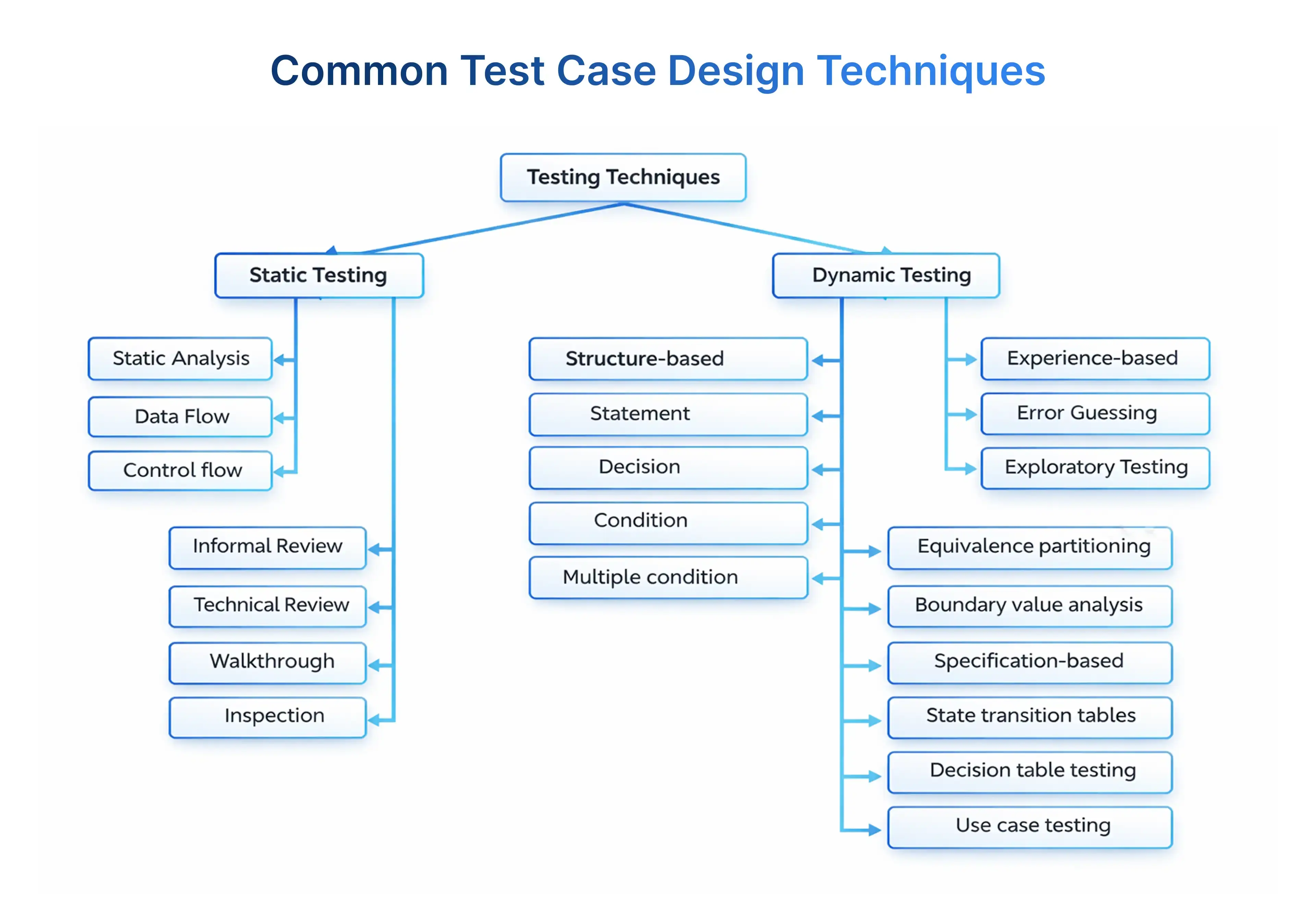
Inadequate Test Case Design
Poorly defined Test Cases fail to validate real business intent.
- Vague test plans miss business risk scenarios
- Smoke tests fail to validate end-to-end flows
- Exploratory testing is deprioritized
Risk: Defects pass undetected
Mitigation: Link test cases directly to acceptance criteria and use test case generation tools to improve coverage.
Limited Collaboration Between Teams
Testing gaps grow when QA, DevOps engineers, and developers work in silos.
- Feedback loops slow down CI/CD automation
- Vendor reliance increases miscommunication
- Shadow IT emerges through citizen development
Disconnected teams slow incident response.
Risk: Siloed QA, DevOps, and development teams slow feedback, create testing gaps, and delay incident resolution, increasing MTTR( Mean Time to Resolution) and impacting release quality.
Mitigation: shared test plans, centralised dashboards, and integration with a project management tool
Collaboration through tools like Slack and shared dashboards strengthens continuous testing and accountability.
Overlooking Edge Cases
Edge cases often cause the most damaging failures.
- Rare user behaviors trigger cache invalidation issues
- Traffic prioritization and network slicing fail under load
- Content delivery pipelines break unexpectedly
Edge cases related to latency, data volume, or infrastructure - especially in edge computing scenarios—are often missed.
Mitigation: targeted exploratory testing, fault injection using Chaos Monkey, and controlled failure experiments
Testing edge cases improves resilience and customer retention, especially in high-traffic systems.
Strategies to Address Testing Gaps
In order to fill the testing gap for rapid Release environments, the software Quality Assurance process must be balanced with the Velocity of delivery, the risk of Business Operations and the complexity of the SYSTEMS being deployed. Rather than increasing Testing Volume, High-performing Teams leverage Risk-based Testing strategies, which support Continuous Integration (CI) and Continuous Delivery (CD).
Implementing Automated Testing
Automation is the backbone of modern QA.
- Use AI-assisted automation tools to reduce maintenance overhead
- Use automation tools like Tricentis, Testsigma, BrowserStack
- Integrate with CI/CD services and DevOps tools
- Effective automation testing is risk-driven rather than volume-driven.
- Automate critical regression and integration tests
- Balance automation with manual validation
Automation reduces manual testing fatigue while improving speed and consistency.
Continuous Integration and Continuous Testing
CI must enable continuous testing to support reliable continuous deliveries.
Gate merges with fast validations.
Schedule broader regression and load testing.
Use telemetry and Error budgets to guide release decisions.
Continuous testing ensures faster feedback and fewer production defects.
Incorporating User Feedback Loops
User feedback validates real-world quality.
- Production data helps close testing gaps.
- Combine synthetic checks with real-time monitoring.
- Convert incidents into repeatable tests.
- Align priorities with user-impacting failures across the delivery lifecycle.
This approach improves engagement and long-term software reliability.
Tools and Technologies to Enhance Testing
Test Management Software
Test management platforms centralize QA operations.
- Track test cases, test plans, and defect management
- Integrate with JIRA and project management tools
- Improve visibility for Test Managers and Test Leads
Performance Monitoring Tools
Monitoring ensures systems meet expectations.
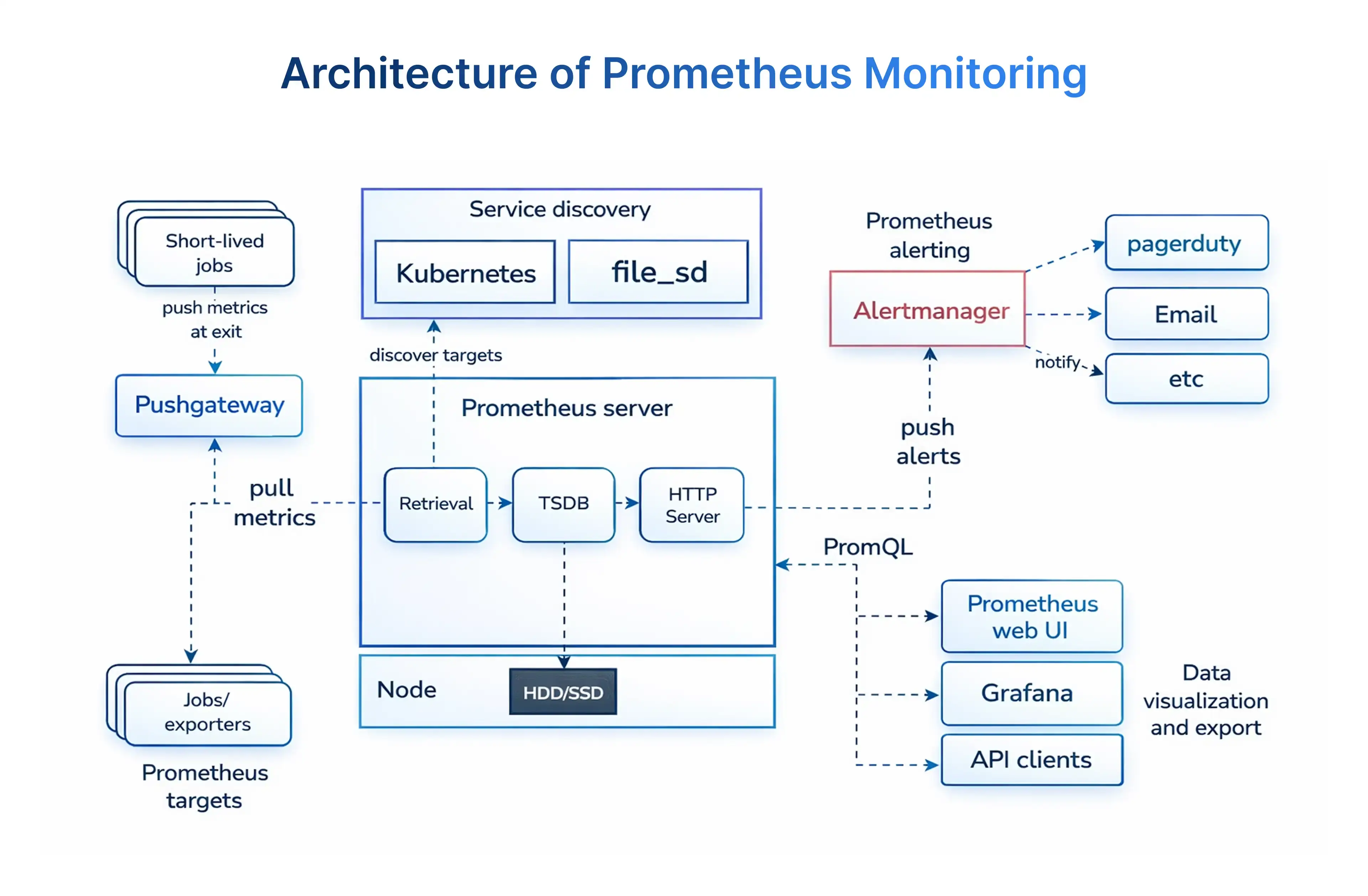
- Use Prometheus for real-time monitoring
- Track error budgets and SLOs
- Support Site Reliability Engineering practices
Security Testing Tools
Security testing protects against modern threats.
- Security testing tools help identify vulnerabilities and protect applications from threats.
- Static tools like SonarQube and Checkmarx detect security issues in source code early.
- Dynamic tools such as OWASP ZAP and Burp Suite test running applications and APIs.
- Dependency tools like Snyk find vulnerabilities in third-party libraries.
- Integrating these tools into CI/CD pipelines ensures secure and rapid releases.
The Future of Software Testing
Modern testing is evolving into intelligent validation powered by AI models. These models support AI-driven validation, anomaly detection, adaptive regression selection, and security analysis. Combined with shift-left practices, scalable QA platforms, and enterprise QA services, organisations can validate complex architectures without increasing headcount.
AI-enabled testing supports modern architectures that include microservices, containers, network slicing, advanced caching techniques, and distributed systems - ensuring quality scales with innovation.
Frugal Testing actively adopts these innovations to help enterprises modernize QA without sacrificing speed.
Conclusion: Closing testing gaps is key to maintaining quality in rapid releases
Closing testing gaps is not about slowing delivery - It is about strengthening confidence. By aligning software quality assurance with business risk, risk compliance, and delivery goals, organisations can maintain speed without sacrificing reliability. Frugal Testing recommends investing in stable regression suites, balanced automation, secure authentication validation, strong defect management, and continuous feedback loops to deliver resilient, high-quality software systems under real-world constraints.
People Also Ask (FAQs)
Q1: What are some suggested tools for Continuous Testing?
Ans: Select a tool or tools that integrate with your existing CI/CD pipeline and support automated regression, performance and security checks. Examples are Tricentis or Testsigma for automation. Use BrowserStack to perform cross-browser testing. Utilise a tool such as Prometheus or New Relic for Observability. Select tools that contain Audit trails for Compliancy. (Tricentis).
Q2: How can teams improve their Software Testing process?
Ans: Prioritise Testing based on Business Risk, Move Testing Left to Development, Automate Regression, Smoke Suites, Track Flaky Tests, Close the Loop using Telemetry and Post-investigation testing of live systems.
Q3: What are some common types of Software Testing?
Ans: Common types of Software Testing performed by teams: Unit, Integration, End-to-End (Regression), Performance, Security and Exploratory Testing, each type trades off risk and speed. Map each type of test to Release Gates. Do not treat all types of Tests as required for each Change to a Piece of Software.
Q4: How can Automation assist in Regression Testing?
Ans: Automation replaces manual effort, increases speed of repeatability and offers consistent Regression Coverage from Release to Release. It is recommended to focus Automation on Critical Flows, and also use Risk-Based Scheduling Methods to control the runtime of your CI/CD Pipeline.
Q5: What kinds of testing typically get overlooked by CI/CD pipelines?
Ans: The inclusion of non-functional testing, specifically performance, scalability and various levels of security scanning, is most often not considered within rapid CI/CD systems. Therefore, to address this, lightweight checks should be integrated into the CI system, while heavier tests should still be run either on a nightly basis or prior to release.

.webp)