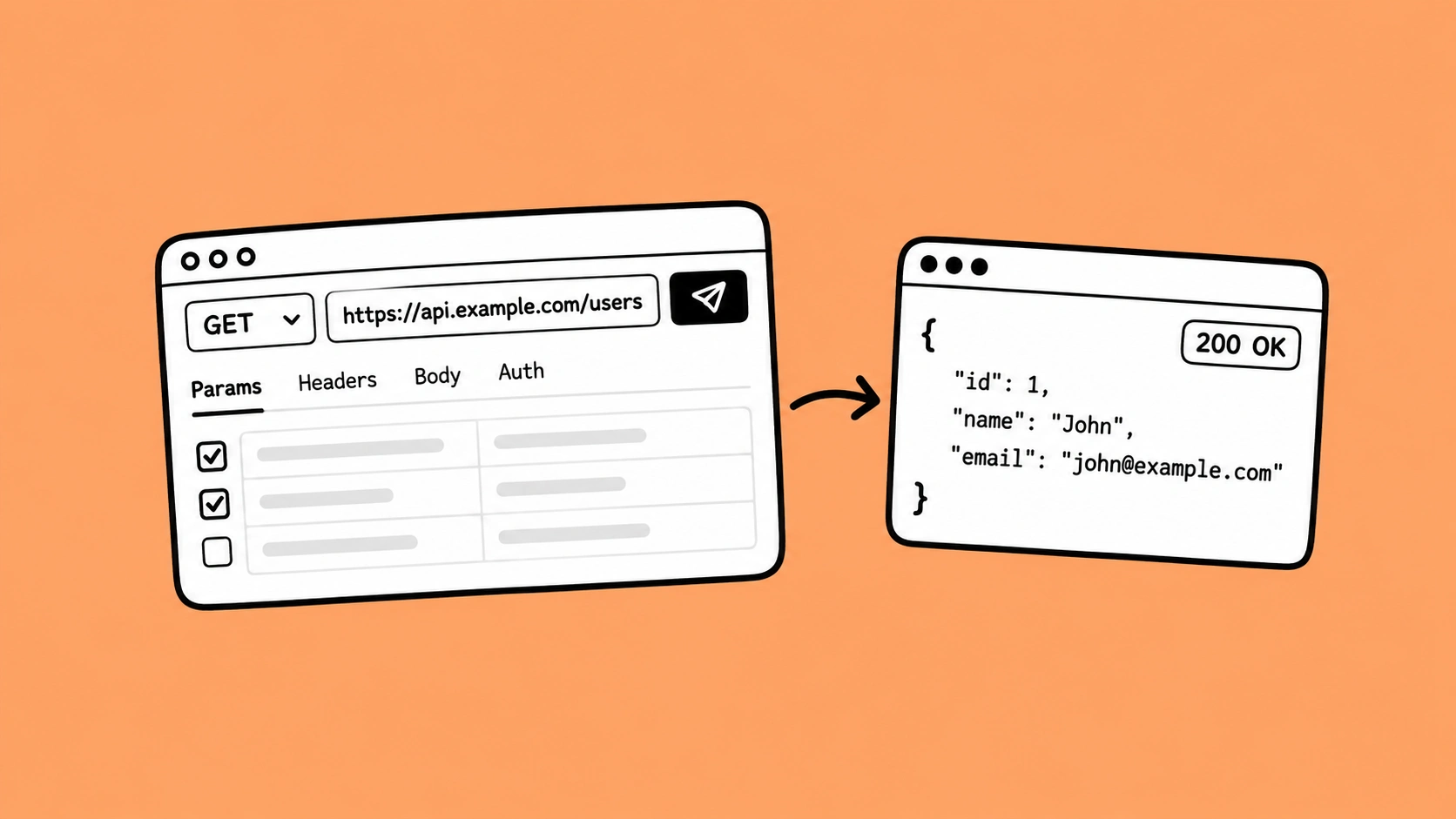



Codeless automation testing is a method of building and executing test cases through visual interfaces without writing code. It uses drag-and-drop components and AI-driven capabilities to make automation accessible across teams.
Software teams are under increasing pressure to deliver faster while controlling costs and maintaining quality. Software teams face increasing pressure to release faster while controlling QA costs. As a result, many organizations are adopting codeless automation testing tools to improve efficiency without expanding automation engineering teams.
Traditional automation testing works, but it's expensive and slow to scale. You need automation scripts, a test automation framework, and engineers who can actually write and maintain them. Codeless testing tools change the model, tests get built through a visual interface using clicks and configurations, not code.
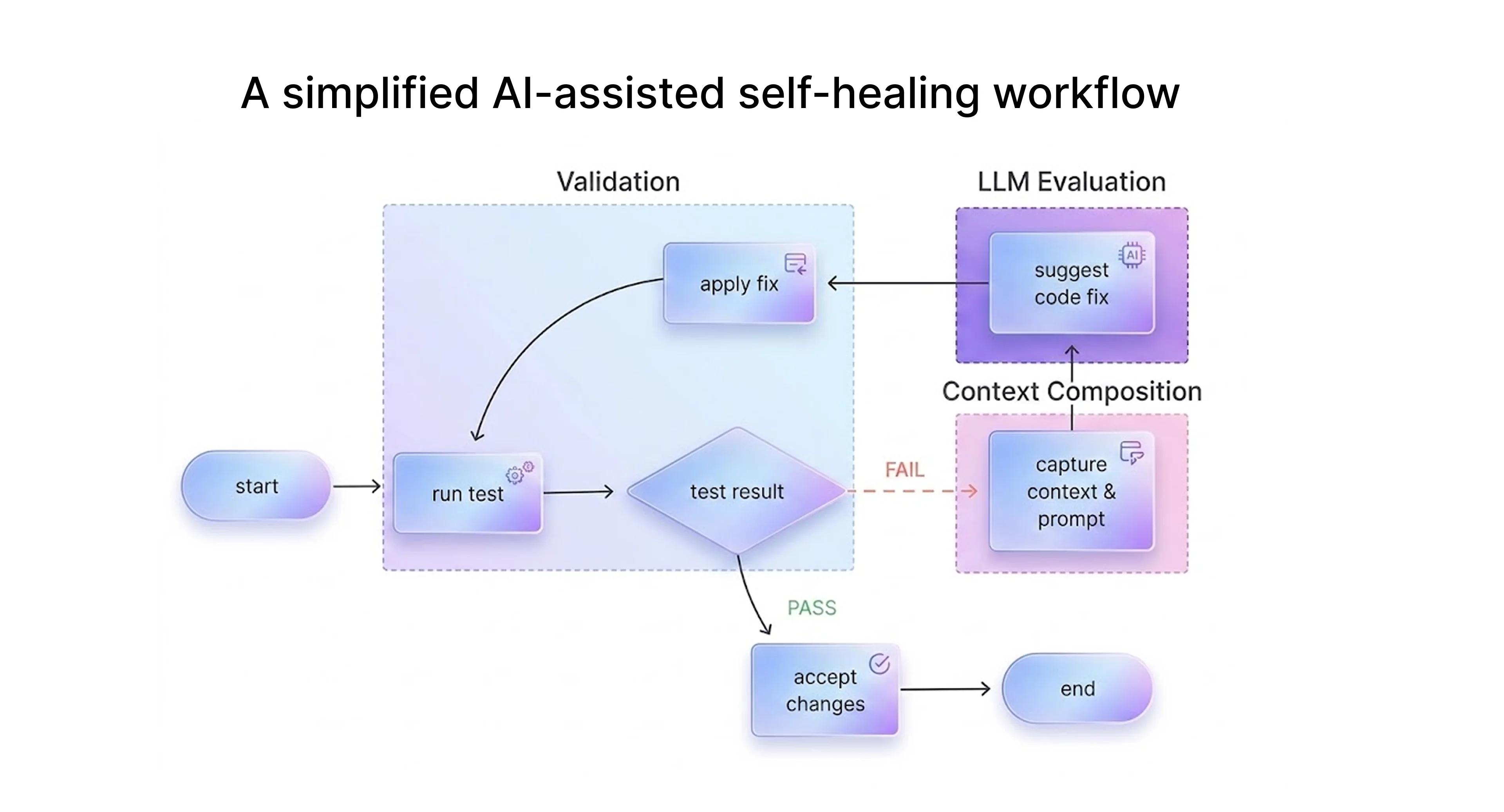
Codeless tools handle UI changes using techniques like element recognition and self-healing locators. When a button ID or layout shifts, the system identifies the updated element instead of breaking the test. This reduces test failures caused by minor UI updates and cuts down manual maintenance effort significantly.
What Is Codeless Automation Testing? Benefits, ROI, and Use Cases
Codeless automation testing means building and running tests without writing any code. These platforms handle the complexity through visual layers, drag-and-drop components, and AI features that make testing accessible to more people on the team, not just the automation engineers.
It works well for teams building single-page web applications, large enterprise systems, and complex digital platforms where testing needs to move fast without breaking things. The value isn't just technical, it changes who can contribute to QA and how quickly they can get up to speed.
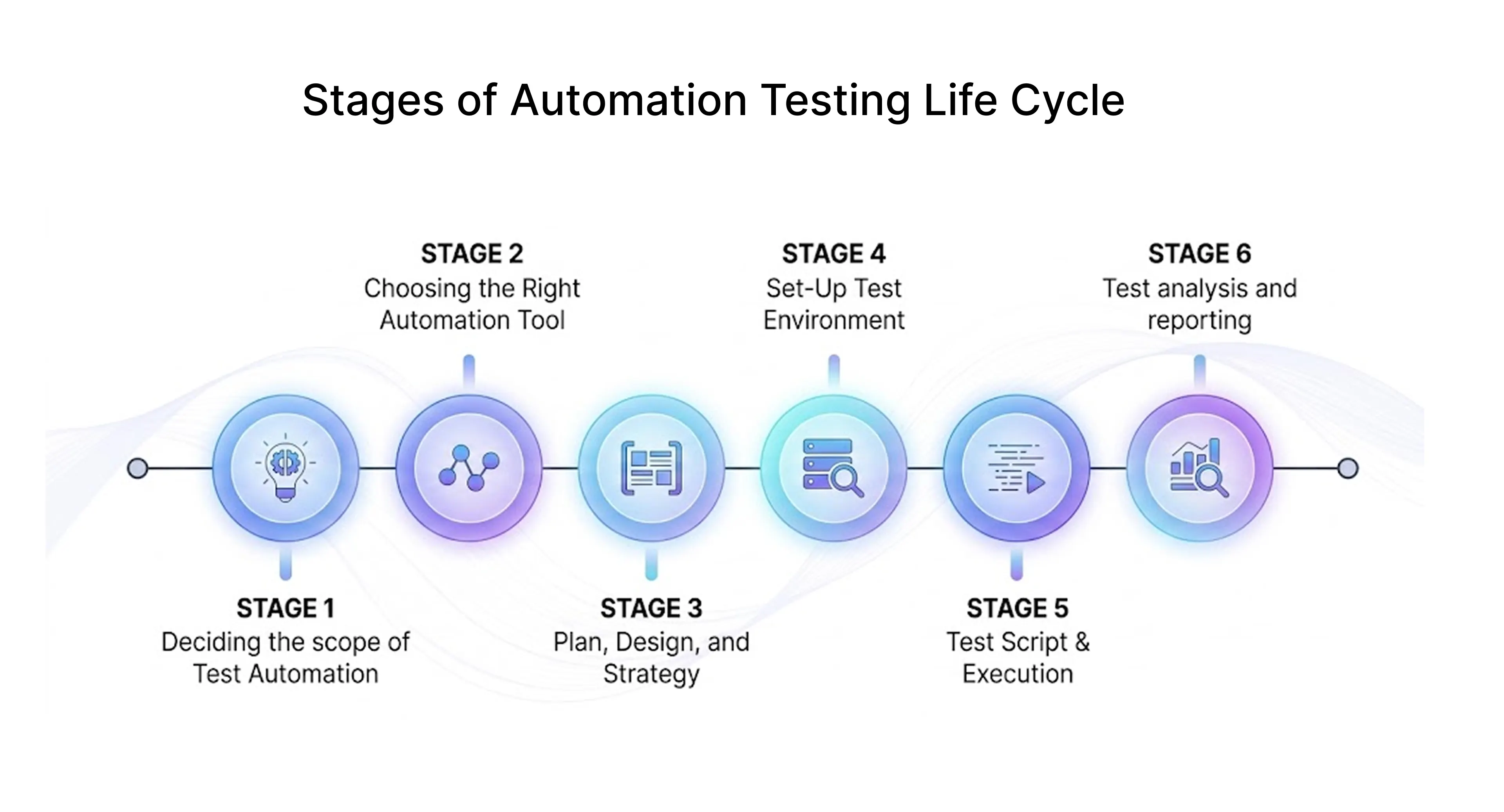
How Codeless Automation Testing Works
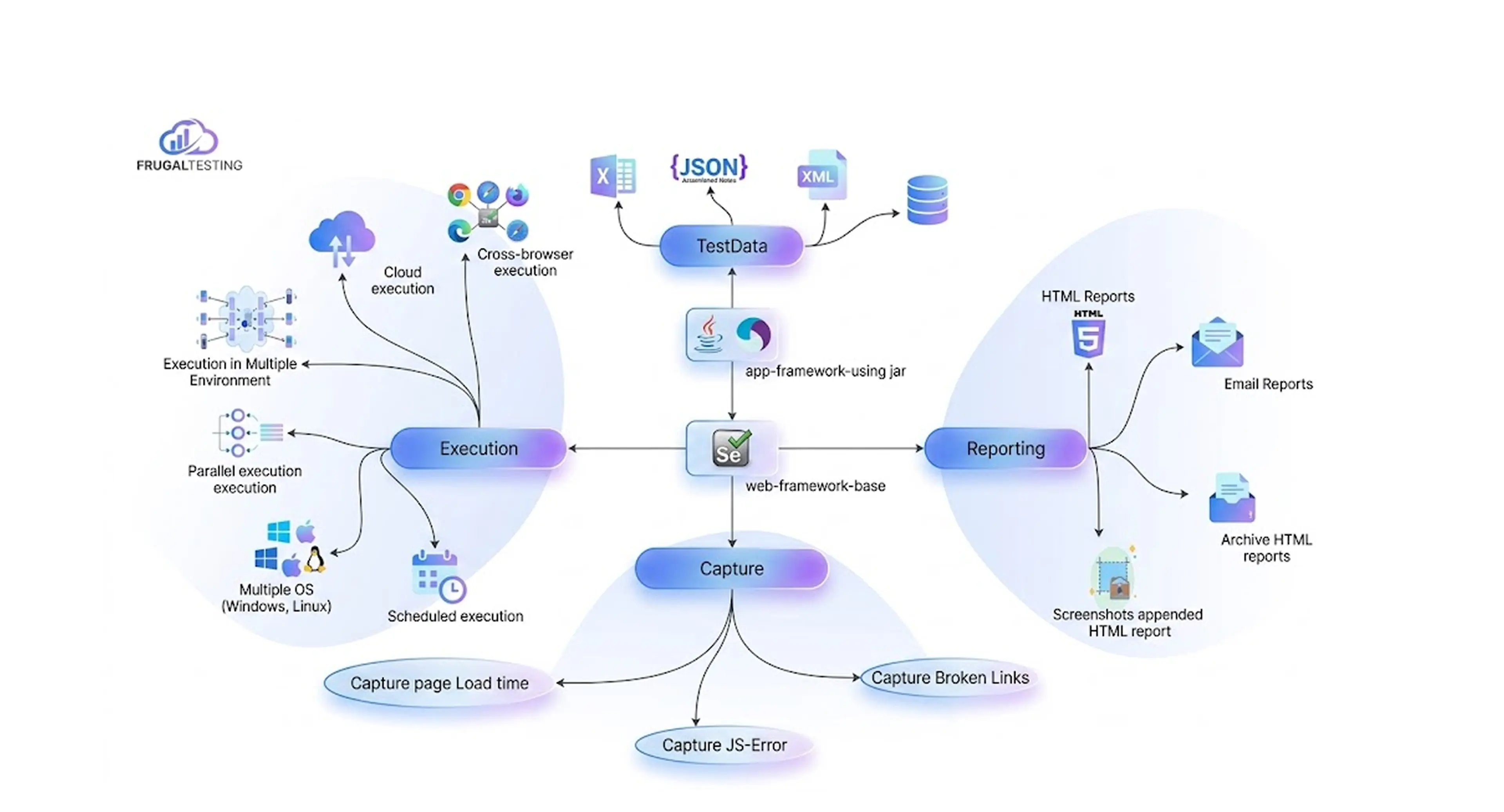
The core advantage of codeless platforms is removing the dependency on coding expertise without removing the capability. In practice, that looks like this:
- Build test cases through visual interfaces with no scripting required
- Record user interactions through browser recorders or Chrome extensions
- Create reusable test components that slot into structured test suites
- Run functional testing, regression testing, and end-to-end tests reliably
- Manage test data through integrated test data management systems
- Let AI handle UI changes automatically before they cause failures
The result is a QA process that's faster to build, easier to keep up, and open to the whole team.
Why Enterprise Teams Are Adopting Codeless Testing
Enterprise adoption of codeless testing is accelerating because automation demands now exceed what specialist-only QA teams can support efficiently.
- QA teams no longer depend entirely on automation specialists
- Cross-browser and cross-device testing becomes easier to execute
- Agile teams collaborate better when testing is accessible
The global automation testing market size was valued at USD 20.60 billion in 2025 and projected to reach USD 24.25 billion in 2026 to USD 84.22 billion by 2034, exhibiting a CAGR of 16.84% during the forecast period, according to Fortune Business Insights.
How Codeless Automation Testing Reduces QA Costs (ROI Breakdown)
QA cost reduction comes primarily from lowering manual effort, reducing maintenance overhead, and expanding test coverage without increasing team size.
Lower Resource and Hiring Costs
People's costs make up most QA budgets. Traditional automation requires experienced engineers to build and maintain scripts, which increases hiring costs and slows team scaling. This entails higher costs and greater complexity.
- A team of automation engineers is no longer needed to implement a reliable QA system.
- Manual testers can automate processes; their expertise is valuable in this process.
- New members will be trained in days rather than weeks or months.
- This improves the efficiency of testing infrastructure usage, eliminating waste.
Faster Testing and Reduced Time-to-Market
Speed matters in CI/CD development. Every testing delay is a delivery delay with real business consequences. Codeless tools are built to move quickly:
- Tests get created and reused in a fraction of the time compared to scripted approaches
- Regression testing runs continuously inside CI/CD pipelines without manual triggering
- Real-time test results give teams instant feedback on what's working and what isn't
- Release cycles stop being bottlenecked by testing
Less Maintenance, More Stability
Ask automation engineers what eats most of their time and maintenance is usually the answer. Every UI change, every refactored element, every new feature can break existing tests. Codeless platforms are built to handle this:
- AI-driven auto-healing detects and fixes test failures caused by UI changes
- Tests adapt automatically instead of breaking when the interface changes
- Automation scripts don't need constant attention
- Long-term maintenance costs drop significantly
ROI Breakdown Table
Best Enterprise Codeless QA Solutions and Codeless Automation Testing Tools
The market for test automation tools has grown considerably. Katalon Studio is one of the widely used platforms in this space, offering AI-driven test generation and cross-browser testing capabilities. But picking the right tool means looking past the marketing.
AI-Powered Codeless Testing Tools, What to Actually Evaluate
Feature lists can be misleading. What you actually want to know is whether a tool will hold up in your environment and fit how your team works. Here's what matters:
- Cloud-based platform support and access to cloud-based device farms for broad coverage
- Reporting features that give you real detail, not just pass/fail but actual failure context
- Clean integration with existing test management software
- Visual validation testing that catches UI regressions before users notice them
- Compatibility with your data layer, SQL Server, XML files, and whatever else you're running
If a tool checks these boxes, it'll fit into your workflow without creating new headaches.
Tool Evaluation Table
Codeless vs. Script-Based Automation Testing
Codeless automation is powerful, but script-based testing isn't obsolete. Both have their place, and most mature QA strategies use both. Knowing where each fits helps you make better calls.
Comparison Table
When Script-Based Automation Still Wins
Script-based automation remains the better choice in scenarios that require deeper technical customization:
- Performance load testing and scenarios of load testing requiring a high level of customization
- Validations of the back-end and unit testing that require direct access to the code
- Automated test frameworks based on complex business logic
- Sophisticated test automation frameworks where code flexibility is more important than convenience
The hybrid way of conducting tests, combining codeless and scripted solutions, seems most popular and effective among all others.
CI/CD Integration - How Codeless Testing Fits Modern DevOps Pipelines
Modern development runs on CI/CD pipelines. Testing that doesn’t integrate into this workflow creates delays, manual effort, and slower releases. For enterprise teams, automation must run continuously alongside development, not as a separate step.
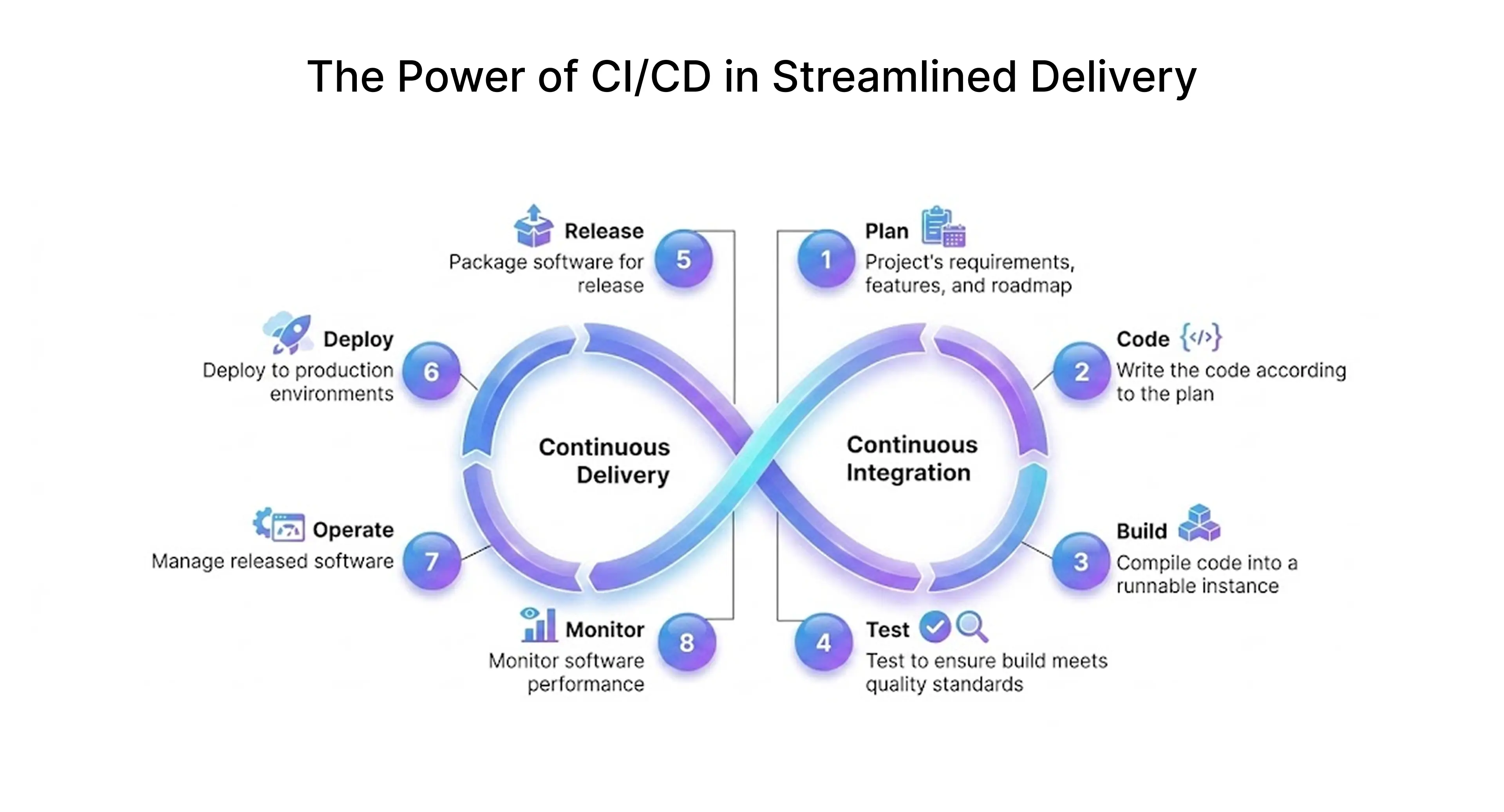
Why Continuous Testing Is Non-Negotiable for Enterprise QA
Fixing bugs early saves money. Continuous testing allows this to happen. However, for that to be really achieved:
- Defect leakage drops when tests run on every build
- Mean Time to Detect shrinks, giving teams more time to fix than to investigate
- Agile teams iterate faster when tests are running in the background
- Software quality stays consistent rather than variable
Without continuous testing, you're flying blind at speed. Most enterprises can't afford that.
How Codeless Testing Integrates with CI/CD Pipelines
Most modern codeless tools are designed with DevOps workflows in mind. Integration is usually straightforward:
- Tests trigger automatically on every new build with no manual intervention
- Regression testing runs continuously so regressions get caught immediately
- Real-time test results feed directly into developer dashboards
- DevOps tools connect cleanly without extra configuration overhead
Testing becomes a continuous part of the delivery workflow rather than a separate release-stage activity.
Best CI/CD Practices for Codeless Testing at Scale
Smart Strategies to Maximize QA ROI with Codeless Automation
Switching to codeless automation is a good start, but it's not the whole story. How you implement it determines whether you get real value or just a new set of tools that collect dust.
Focus Automation on High-Impact, High-Frequency Tests
Automation does not need to occur for all types of tests. Automation of everything results in a large test suite that is prone to failure. Concentrate your efforts on the places where automation makes sense:
- Automate regression and functional tests that run frequently.
- Prioritize repetitive manual tests that consume significant team time.
Optimize Resources with Scalable Test Architecture
As your product grows, testing needs to grow with it. Good architecture makes that possible without constant rework:
- Build reusable test components that can be adapted across different test scenarios
- Invest in test case reusability from day one, it pays off as the suite grows
- Keep test infrastructure lean so it doesn't become its own cost center
- Use cloud-based platforms to scale execution without managing hardware
Getting the architecture right now saves expensive restructuring later.
Codeless Automation for Enterprise QA Teams
Enterprise QA has demands that go well beyond what a small team faces. Larger applications, more complex integrations, regulatory requirements, teams across time zones. Codeless automation needs to hold up under all of it.
Scalability Requirements
Enterprise applications aren't small, and testing them isn't simple. Your automation platform needs to actually scale:
- Full support for cross-browser testing and cross-device testing across your entire user base
- Cloud-based device farms that let you run tests at scale without managing physical devices
If a platform can't scale to your needs, you'll hit a ceiling faster than expected.
Governance, Compliance, and Security
Enterprise environments run on rules, internal policies, industry regulations, data privacy requirements. Your QA tools need to operate within those constraints:
- Role-based access control so the right people have the right permissions
- Secure handling of test data, especially when it includes production-like information
These aren't optional features in an enterprise context. They're baseline requirements.
Integration with Enterprise Toolchains
A QA platform that doesn't connect to the rest of your stack creates more problems than it solves:
- Clean integration with your existing test management software
- Compatibility with CI/CD pipelines and the DevOps tools your team already uses
- Support for enterprise databases and systems your applications depend on
When everything connects, QA becomes part of how development works, not an afterthought.
Case Study How Codeless Automation Reduced QA Costs by 45%
A mid-sized fintech company struggled with slow regression cycles and high maintenance overhead in their automation framework. Their QA team spent nearly 60% of their time fixing broken test scripts after UI updates.
They implemented a codeless automation platform integrated into their GitHub Actions CI/CD pipeline with parallel browser execution across cloud test environments. Manual testers were trained to create automated test cases using visual workflows instead of code.
Within three months:
- Test creation time dropped by 40%
- Maintenance effort reduced by 45% due to self-healing capabilities
- Regression cycles shortened from 2 days to 6 hours
- Test coverage increased by 30% without adding new resources
This allowed the team to release updates faster while keeping QA costs under control.
Conclusion
Codeless automation changes how QA teams operate by making testing faster, easier to maintain, and more scalable.
The strongest codeless automation programs deliver measurable operational gains: shorter regression cycles, lower maintenance overhead, and broader automation coverage across the QA organization. In practical enterprise deployments, codeless automation has helped teams reduce regression cycles from two days to six hours, cut maintenance effort by 45%, and increase test coverage without expanding QA headcount.
A January 2026 survey of over 40,000 testers by TestGuild found that 72.8% of respondents named AI-powered testing and autonomous test generation as their top priority for 2026, with 62.6% of those respondents having 10 or more years of experience a signal that codeless and AI-assisted approaches are now mainstream, not experimental.
Key Takeaways for Reducing QA Costs
- You don't need a team of automation specialists to run a strong QA program
- Test coverage improves when more people can contribute to automation
- Maintenance costs drop when AI handles UI changes for you
- Release cycles speed up when testing is embedded into the development pipeline
How Frugal Testing Can Help You Implement Codeless Automation
At Frugal Testing, we help enterprise teams implement codeless automation with measurable outcomes.
In a recent client engagement (fintech domain), we integrated a codeless automation platform into an existing CI/CD pipeline and reduced regression testing time by 60%, while cutting test maintenance effort by 40% through AI-based self-healing.
Our approach focuses on:
- Implementing enterprise-grade codeless QA solutions tailored to your tech stack
- Integrating seamlessly with CI/CD pipelines and DevOps workflows
- Enabling non-technical teams to contribute to automation using no-code testing platforms
If you're looking to scale QA without increasing cost or complexity, we can help you build a reliable, future-ready automation strategy.
FAQs (People Also Ask)
Q1. Which codeless automation tool is best for enterprise QA?
Ans: Start by evaluating whether the platform supports your tech stack, integrates with your CI/CD pipeline, and scales with your test volume. The best codeless automation tool depends on those requirements rather than brand popularity alone.
Q2. What is the ROI of codeless automation testing?
Ans: Based on industry benchmarks and client implementations, teams typically see 40–60% reduction in maintenance costs and 30–50% faster test creation compared to traditional scripted automation, along with lower hiring dependency.
Q3. Can codeless automation testing replace Selenium?
Ans: Not entirely, but it reduces how much you rely on it. For most functional and regression testing, codeless tools do the job well. For complex, code-level scenarios, Selenium still has a role. A hybrid approach is usually the most practical answer.
Q4. How does codeless automation integrate with CI/CD pipelines?
Ans: Most codeless platforms are built with CI/CD in mind. Tests trigger automatically on every build, results feed back into your pipeline in real time, and the whole loop runs without manual involvement. That's one of the more practical benefits of modern no-code testing tools.
Q5. Is codeless automation scalable for large enterprise applications?
Ans: Yes, when you pick the right platform. Enterprise-grade codeless tools support cloud execution, parallel testing across environments, and integrations with complex toolchains. Scalability is built in, not added as an afterthought.

.webp)