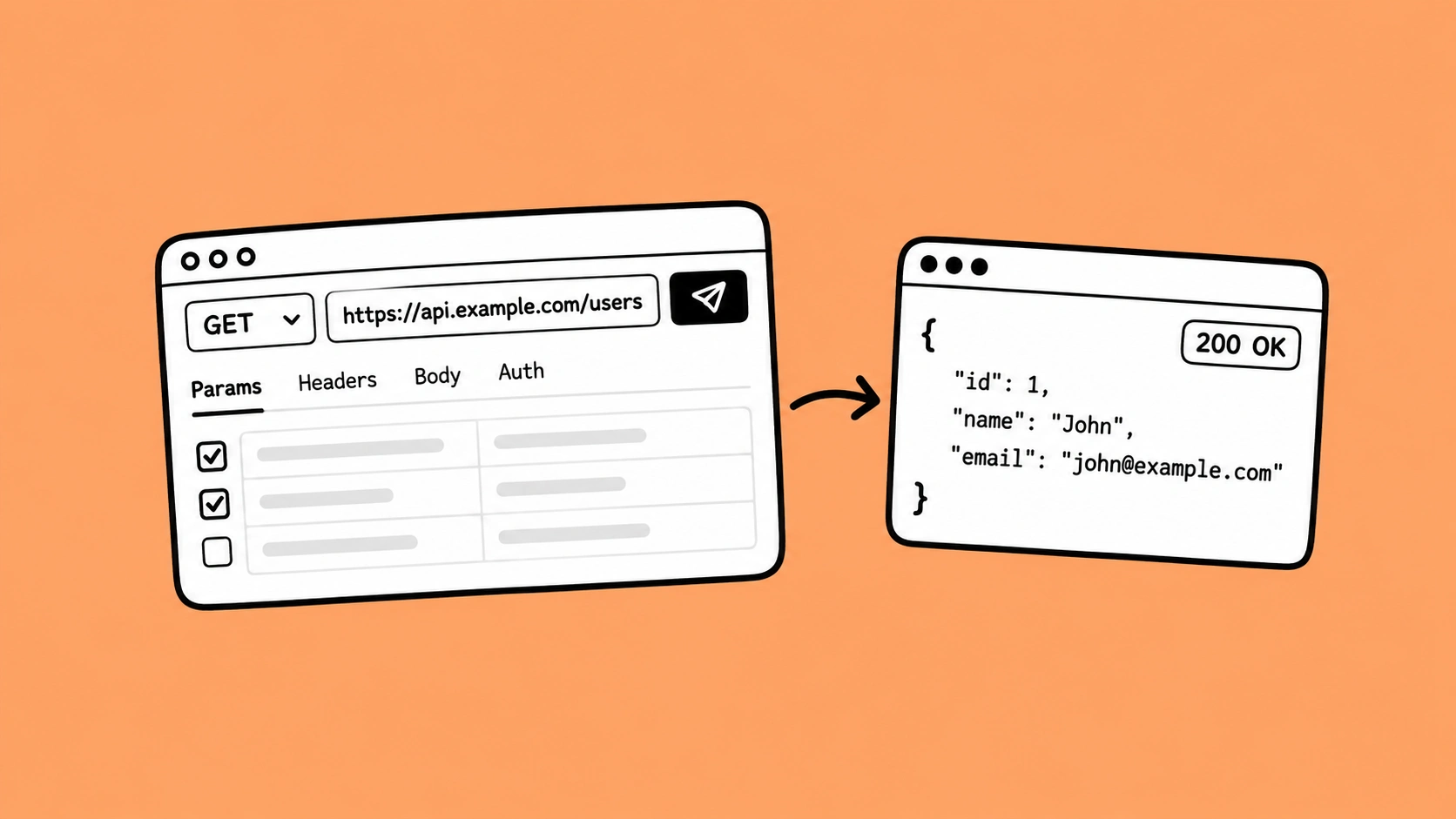


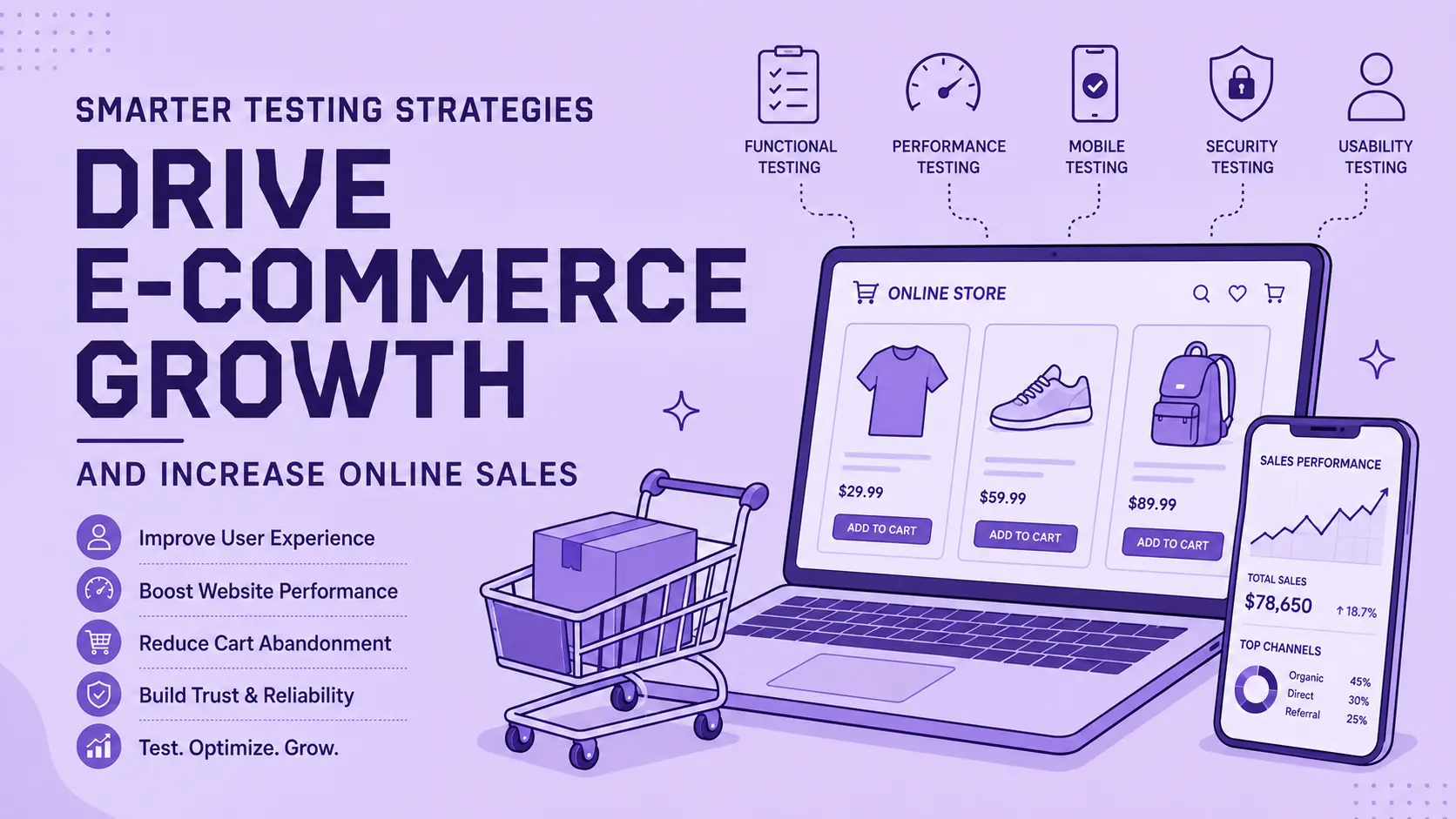
The e-commerce industry has never been more competitive. New online stores emerge every day, while customer expectations continue to rise. Shoppers now expect websites to load instantly, provide seamless navigation, offer secure checkout experiences, and work flawlessly across every device. A single technical issue can send potential buyers to a competitor within seconds.
While many businesses focus heavily on marketing campaigns, social media promotions, and paid advertising, sustainable growth often depends on something less visible but equally important: delivering a consistently reliable shopping experience. Every click, search, product page, and checkout interaction contributes to customer trust. Businesses that invest in improving these experiences are more likely to convert visitors into loyal customers.
For growing online stores, testing is no longer just a quality assurance activity. It has become a strategic business function that supports higher conversion rates, stronger customer retention, and long-term revenue growth.
Customer Experience Is the Foundation of Growth
Every visitor forms an opinion about an online store within moments of landing on the website. Slow loading pages, confusing navigation, or broken product images create immediate friction. Even minor usability issues can reduce trust and encourage customers to abandon their purchases.
Successful online retailers continuously evaluate how customers interact with their stores. They monitor page speed, identify navigation bottlenecks, simplify checkout processes, and optimize mobile experiences. Regular usability testing helps uncover hidden obstacles before they affect thousands of shoppers.
For online stores, keeping customer questions organized and responding quickly is just as important as optimizing the website itself. A shared communication workspace for e-commerce teams can help businesses manage customer conversations across channels without losing track of important inquiries.
Why Continuous Testing Matters
Many businesses assume their website is functioning correctly simply because it appears to work during routine checks. However, software updates, third-party integrations, payment gateways, plugins, and browser updates constantly introduce new risks.
Continuous testing helps businesses detect problems before customers experience them. Instead of discovering errors after sales begin to decline, automated testing identifies defects during development and deployment.
This proactive approach reduces downtime, minimizes customer frustration, and allows development teams to release new features with greater confidence.
Key benefits include:
- Faster website performance
- Improved checkout reliability
- Better mobile compatibility
- Reduced cart abandonment
- Increased customer confidence
- Higher conversion rates
These improvements collectively contribute to stronger business growth.
Data Should Guide Every Optimization Decision
Growing an online store requires more than intuition. Successful businesses rely on data-driven marketing to understand customer behavior
Analytics tools reveal valuable insights such as:
- Which pages have the highest bounce rates
- Where customers abandon the checkout process
- Which products generate the most engagement
- How mobile users behave differently from desktop visitors
- Which traffic sources produce the highest-value customers
Testing these insights through A/B experiments allows businesses to make evidence-based improvements instead of relying on assumptions.
Small adjustments such as changing button placement, simplifying forms, or improving product descriptions can significantly increase conversion rates when supported by real customer data.
Mobile Optimization Is No Longer Optional
Mobile commerce now represents a significant share of global online shopping. Customers browse products while commuting, compare prices during in-store visits, and complete purchases from smartphones throughout the day.
A website or website to app converter that performs poorly on mobile risks losing a substantial percentage of potential revenue.
Effective mobile testing should include:
- Responsive layouts
- Touch-friendly navigation
- Fast loading speeds
- Optimized product images
- Streamlined checkout forms
- Mobile payment functionality
Every improvement helps reduce friction during the purchasing journey.
Building Customer Trust Through Reliability
Trust is one of the most valuable assets an online business can develop.
Customers expect secure payment processing, accurate inventory, reliable shipping information, and uninterrupted website availability. Technical failures quickly damage credibility and often result in lost sales.
Regular performance testing, security testing, and regression testing help ensure every release maintains the quality customers expect.
Businesses that consistently provide dependable shopping experiences earn stronger reviews, higher customer satisfaction scores, and increased repeat purchases.
Learning From Unexpected Industries
Sometimes innovative ideas come from industries outside traditional retail.
For example, fitness equipment manufacturers often use customer behavior analysis to improve product engagement. A company selling a rebounder for adults or an online retailer offering products such as Tissot can study user feedback, website navigation, and purchasing patterns to understand what motivates buyers. Similar analytical approaches can help e-commerce businesses refine product pages, improve content, and present information in ways that encourage stronger purchasing decisions.
The lesson is simple: understanding customer behavior is valuable regardless of the industry.
Automation Accelerates Business Growth
As online stores expand, manual testing becomes increasingly difficult.
Every new feature introduces additional complexity. Product catalogs grow larger, payment options expand, shipping providers change, and promotional campaigns become more sophisticated. To manage this complexity, many businesses collaborate with website development agencies to streamline technical operations and maintain code quality over time. Experienced partners, including teams like GetDevDone, often emphasize combining structured automated testing with precise manual checks to safeguard the user experience.
Automated testing allows businesses to validate critical workflows much faster than manual processes alone.
Important automated tests often include:
- User registration
- Login functionality
- Product search
- Shopping cart operations
- Coupon validation
- Payment processing
- Order confirmation
- Inventory synchronization
Automation enables development teams to deploy updates more frequently while maintaining confidence in website stability.
Personalization Increases Conversion Rates
Modern consumers appreciate personalized shopping experiences. Making eCommerce application development essential for delivering AI-driven recommendations, customized product suggestions, and seamless customer journeys.
Recommendation engines, customized promotions, recently viewed products, and personalized email campaigns all contribute to increased engagement.
However, personalization introduces additional technical complexity. Different customer segments may experience different content, requiring extensive testing to ensure every variation functions correctly.
Testing personalization strategies helps businesses avoid displaying incorrect offers, broken recommendations, or inconsistent pricing.
Reliable personalization creates more relevant shopping experiences that encourage higher spending and stronger customer loyalty.
Performance Directly Impacts Revenue
Website speed has become a competitive advantage.
Research consistently shows that even small increases in loading time can reduce conversions. Customers expect product pages to appear instantly, images to load quickly, and checkout processes to finish without delays.
Performance testing should evaluate:
- Server response times
- Image optimization
- Database efficiency
- Content delivery networks
- Third-party integrations
- Peak traffic handling
Improving these technical factors often produces measurable increases in sales without increasing advertising budgets.
Monitoring After Deployment
Launching new features is only the beginning.
Continuous monitoring helps identify issues that may not appear during testing environments. Real users interact with websites using countless browser versions, devices, internet speeds, and operating systems.
Monitoring tools provide valuable information about:
- Error rates
- Failed transactions
- Slow pages
- Server availability
- User sessions
- Conversion performance
Businesses that respond quickly to these insights maintain stronger customer satisfaction while minimizing lost revenue.
The Importance of Seasonal Readiness
Holiday shopping events, flash sales, and promotional campaigns create massive spikes in website traffic.
Without proper load testing, increased visitor numbers may overwhelm servers, resulting in slow performance or complete outages.
Consider a retailer launching a major seasonal promotion featuring outdoor games and recreational products like a trampoline. If the website struggles under increased traffic, potential customers may abandon their purchases before completing checkout. Proper scalability testing ensures online stores remain stable even during their busiest sales periods.
Preparing for peak demand protects both revenue and brand reputation.
Future-Proofing Your E-Commerce Business
Technology continues to evolve rapidly. Artificial intelligence, voice commerce, augmented reality, and predictive analytics are reshaping online shopping experiences.
Businesses that embrace continuous improvement, often with the support of ecommerce SEO services, are better positioned to adapt to these innovations.
Rather than treating testing as a final step before launch, successful organizations integrate quality assurance into every stage of development. This approach reduces long-term costs, improves customer satisfaction, and creates a foundation for sustainable growth.
As competition intensifies, online retailers that prioritize reliability, usability, performance, and data-driven optimization will consistently outperform those relying solely on marketing efforts. Investing in smarter testing strategies not only prevents costly mistakes but also creates better customer experiences that naturally lead to higher conversion rates, increased sales, and lasting business success.
People Also Ask (FAQs)
Q1. Why is testing important for e-commerce growth?
Ans: Testing ensures that an online store functions smoothly, providing a seamless shopping experience. It helps identify bugs, improve performance, and increase conversion rates, directly contributing to higher sales.
Q2. How does website performance affect online sales?
Ans: Slow-loading websites lead to higher bounce rates and abandoned carts. Faster websites improve user experience, build trust, and significantly increase the likelihood of completed purchases.
Q3. What is the role of automation in e-commerce testing?
Ans: Automation speeds up repetitive testing tasks like checkout flows, login processes, and payment validation. It helps businesses release updates faster while maintaining website stability.
Q4. How does mobile optimization impact conversions?
Ans: Since most users shop on mobile devices, a mobile-optimized website ensures better usability, faster navigation, and smoother checkout, all of which increase conversion rates.
Q5. How often should an e-commerce website be tested?
Ans: Ideally, testing should be continuous—before every release, after updates, and during peak traffic periods—to ensure consistent performance and prevent revenue loss.



.webp)