


Website deployment is often viewed as the culmination of a website project. In reality, deployment is where the real test begins. Many web-based products, from startup MVPs to enterprise platforms, fail to deliver business measurable business outcomes after going live. This is not because the software wasn’t built, but because deployment, production readiness, and post-release strategies were misunderstood or rushed.
For companies investing in web development services, website testing services, or app development services, understanding why websites fail after deployment is critical. At Frugal Testing, we’ve worked with software teams across India, the US, and Europe, helping organizations avoid deployment failures and release instability, production issues, and costly rollback scenarios. We were able to do this by combining QA strategy, automation, and business-focused testing, as well as application testing services.
Key Insights from This Article:
Deployment equals business launch
Testing gaps break production
CI/CD misalignment causes risk
Monitoring and KPIs ignored
Marketing drives post-launch adoption
Insufficient Pre-Deployment Planning and Risk Analysis
Any failures in deployment typically begin to occur well before the deployment date. Lack of proper planning, requirements, and risk analysis of the website development process introduces invisible cracks that are only evident at the production levels. This is often the result of not following a structured custom web design and development approach that aligns business requirements with technical execution from the beginning.
Undefined Business and Technical Objectives Before Release
The biggest failures in the deployment of websites are associated with a situation where a team pays attention to only the completion of the code, but not the measurable results. Developers can be successful in the implementation of an application, only to find out that the application does not accommodate revenue targets, business KPIs, and user processes.
- Lack of clarity around business outcomes, revenue expectations, and organizational readiness
- Misalignment between software developers, QA time allocation, and stakeholders
- Requirements not mapped to deployment workflows or CI/CD deployment goals
- No definition of success metrics for production environments
In the absence of well-stated objectives, deployments are more of a technical undertaking instead of a business achievement. At Frugal Testing, we convert business KPIs into deployable test criteria that block risky releases before production.
Missing UX and Usability Validation in Staging Environments
It is necessary to have a staging environment similar to production, but many designers omit UX validation in a real environment. Even the most attractive website design can fail after deployment if navigation, responsiveness, accessibility, and user interactions are not properly validated in production-like environments. This creates horror scenarios of deployment where users find it difficult to navigate, perform tasks, or access key features.
- Usability testing was skipped due to sprint pressure or code freeze deadlines
- No validation across real devices, browsers, or cookie configurations
- Host file and configuration file differences between staging and production
- Ignoring accessibility and regional UX expectations
When UX issues reach production, no amount of rollback or version control can save user trust. Continuous verification and early validation ensure the deployment experience matches user expectations.
Post-Deployment Technical Failures That Hurt Production Stability
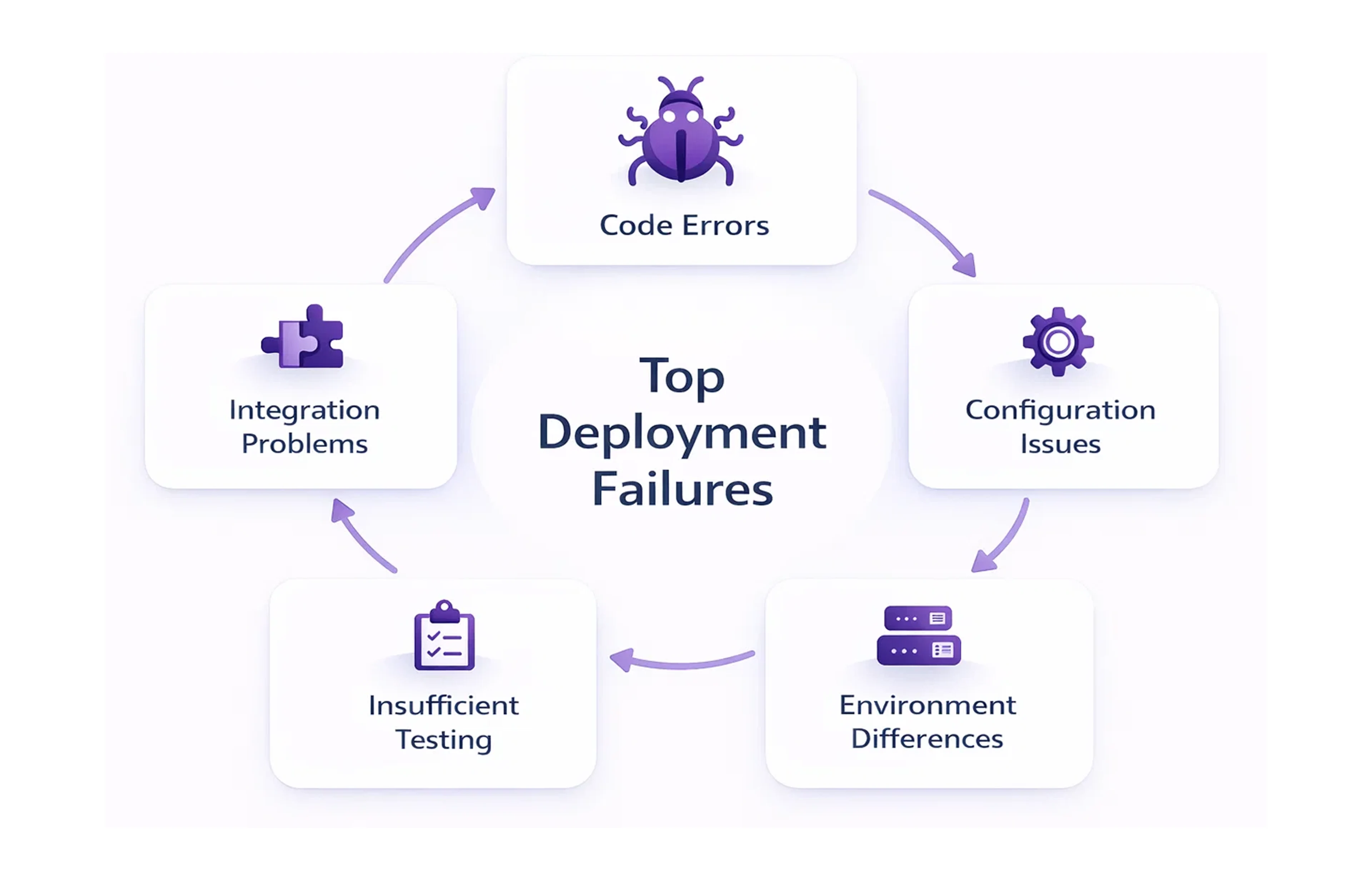
Even with good planning, technical gaps during deployment can cripple availability and performance. These failures often surface immediately after release.
Incomplete Cross-Browser and Cross-Device Testing Risks
Current web development covers desktops, mobile app development systems, tablets, and various operating systems. Broken layout, stack overflow errors, or broken workflow in production are all a result of incomplete testing.
- Missing coverage across browsers, devices, and OS combinations
- Failure to test database schema changes and SQL files across environments
- Configuration management issues tied to collation or schema change errors
- Inadequate automated deployment process validation
Frugal Testing combines both automation and manual validation through CI/CD testing services within CI/CD pipelines, ensuring that all code changes are validated before release and that early strategies are executed before release.
Hosting, Infrastructure, and Downtime Issues After Deployment
Modern deployments rely on cloud infrastructure, Kubernetes, load balancers, and web farms. Misconfigurations here cause downtime, slow response time, or complete outages.
- Improper setup of web servers and load balancer rules
- Kubernetes misconfigurations during web app deployment
- Lack of rollback strategy using DeployBot or Octopus Deploy
- Secrets exposure due to missing AWS Secrets Manager or GitGuardian checks
Monitoring tools like New Relic, AppDynamics, and Dynatrace are critical to detect failures early. Without them, teams rely on customer complaints instead of metrics.
Ineffective Content and Information Architecture Post-Deployment
A technically sound website can still fail if users cannot find information or search engines cannot index content correctly.
SEO and Indexing Gaps After Website Deployment
SEO issues are one of the most common deployment mistakes, especially for website development projects focused only on functionality.
- Missing metadata and broken internal linking structures
- Incorrect robots.txt or sitemap configuration files
- Poor information architecture is affecting crawlability
- No validation of deployment artifacts affecting SEO
The search engines and machine learning-based tools rely on structured content. For businesses working with a best link building agency, maintaining a technically sound website is essential for preserving search visibility and authority. Frugal Testing works alongside the SEO and content teams to make sure that deployment does not destroy search ranking gains incurred during development.
Lack of Continuous Optimization and Maintenance Strategy
Deployment is not a one-time event. Websites require ongoing monitoring, optimization, and maintenance to remain secure and performant.
Absence of Regular Updates and Security Patching
Security vulnerabilities often emerge after deployment when updates are delayed or ignored.
- No automated deployment scripts for patch releases
- Outdated libraries and dependencies in production
- Weak error handling and logging tools
- Lack of governance and change management
Continuous integration and CI/CD tools help teams deploy fixes quickly without disrupting users. Frugal Testing emphasizes controlled automation over risky manual deployments.
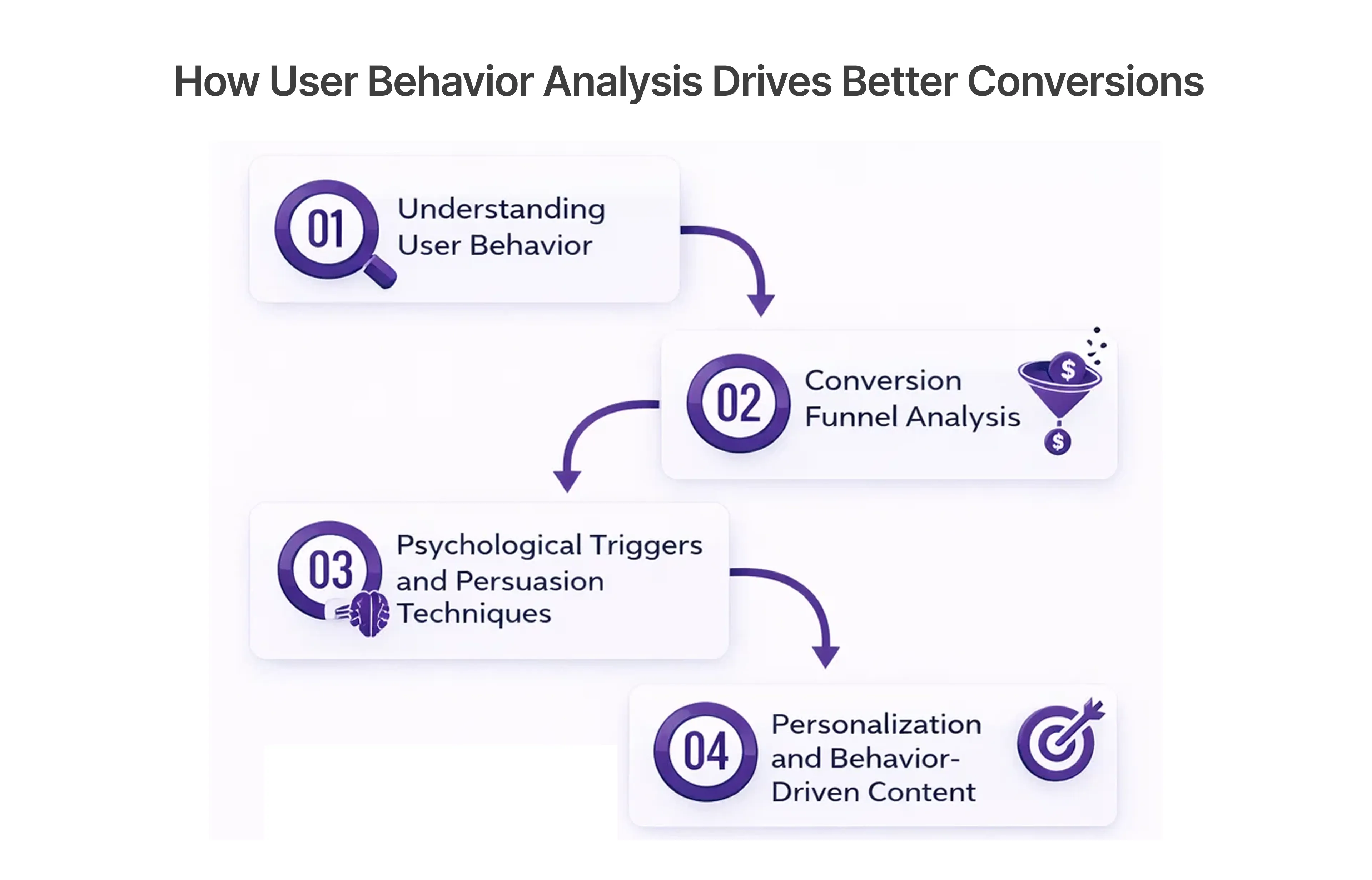
Failure to Analyze User Behavior and Performance Metrics
Many teams deploy websites without tracking how users actually interact with them.
- No application performance monitoring in production
- Missing server logs or incomplete logging tools
- Ignoring availability, response time, and conversion metrics
- Lack of feedback loops from real users
Tools like HoneyBadger, Dynatrace, and New Relic enable teams to connect deployment outcomes to business KPIs.
Weak Go-To-Market and Visibility Strategy After Launch
Even if a website is deployed technically, it might still fail to generate visitors if no one knows that the site exists. Production-ready sites without a visibility or promotion strategy or support from the best saas link building agency are far less likely to achieve sustained organic growth and business success.
Inadequate Post-Launch Marketing Execution
Many organisations are not aware of how essential marketing after launch really is, thinking that once an app has been made available, the users will come. If there is no plan that has been created for after launch, then many successful launches will have difficulty getting users and generating traction.
- No coordinated launch plan across regions or services
- Poor coordination between development and marketing teams
- Ignoring regional targeting for local services
- No tracking of referral or campaign performance
For startups and enterprises alike, deployment must align with marketing execution to generate traction.
Poor Social Media and Referral Channel Utilization
Testing helps increase reach beyond the amount of traffic that a business/brand has. Without testing, an organization may not get the benefit of organic discovery, peer-to-peer trust, or the continued growth of the organization after its initial launch. Referral programs powered by platforms like Referral Rock, Ambassador, or Influee can significantly amplify this peer-to-peer effect by incentivizing customers to become advocates for your product.
- No social proof or influencer validation
- Weak referral tracking mechanisms
- Inconsistent messaging across platforms
- No monitoring of social-driven traffic metrics
Successful web deployment blends technical excellence with visibility strategy.
Ignoring Marketing and Promotion as a Deployment Factor
Deployment is not just a technical milestone-it’s a business launch that directly impacts visibility, adoption, and revenue. Treating it purely as a technical task limits growth and weakens market impact.
What Role Does Digital Marketing Play in Website Success?
The purpose of digital marketing is to connect deployed applications or software to actual users or revenue by providing visibility and quality traffic. Digital marketing will help a brand's new website or app gain exposure through search, paid media (campaigns), and content by delivering it to the right audience. Without digital marketing, deploying software (app or website) will not generate adoption of the app or website, and will not provide a business effect for many companies (deployment may be well built). Businesses wanting to improve their online presence can work with Blank Theory, whose team specialises in everything from Google Ads and SEO to branding, content, and high-performing websites.
- Search, paid ads, and content marketing drive discovery
- Analytics validate whether the deployment meets business impact goals
- Marketing data feeds future deployment decisions
Ignoring marketing turns even the best-built applications invisible.
Leveraging Social Media and Influencer Partnerships Effectively
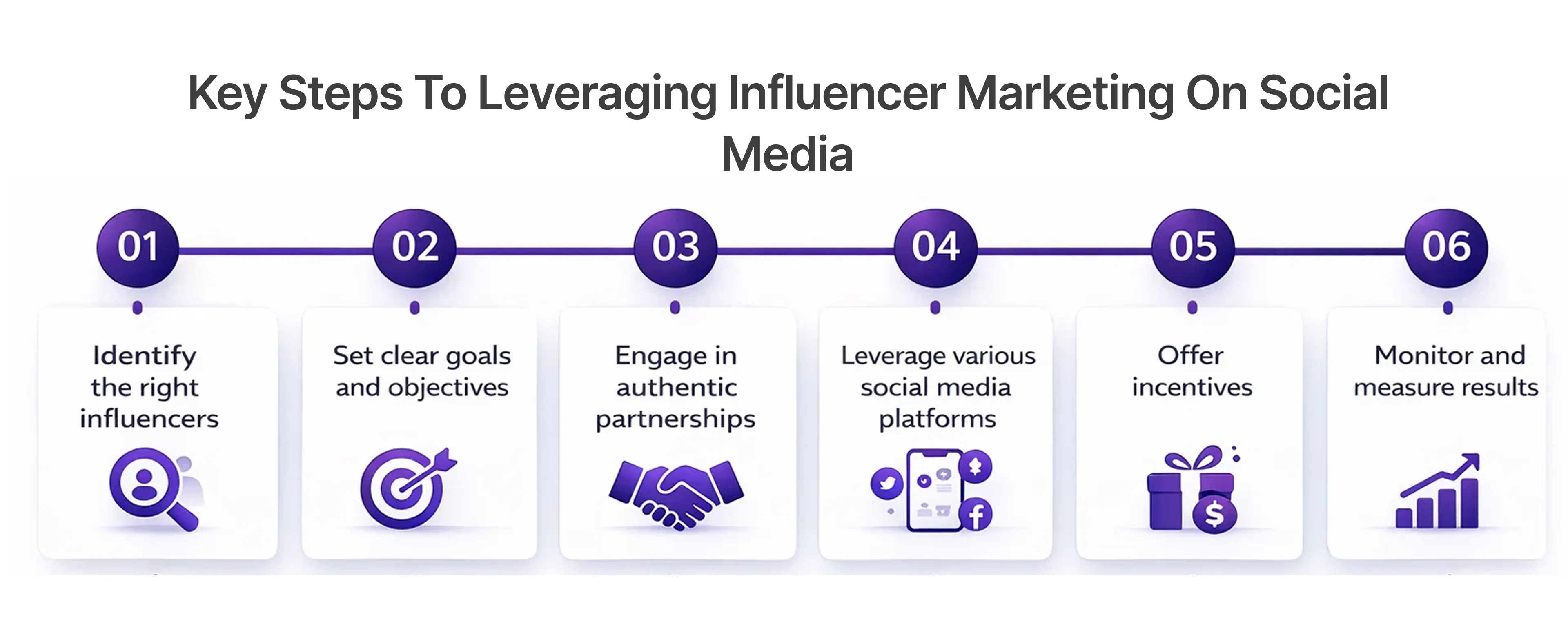
When it comes to gaining the trust of new users and getting them to use your product, influencers and partnerships play a vital role in that process. By using trusted voices within an industry to validate a web-based product, the end-user is more likely to try, engage with, and buy the product. This is especially true after launch because social proof will help alleviate some of the initial apprehension towards using the product and shorten the cycle of building trust. Brands that want consistent influencer-style content without the cost and unpredictability of human partnerships can use invideo agent to create an AI influencer, a branded virtual spokesperson that produces regular content across social channels without exclusivity fees or brand risk.
- Industry experts validate credibility
- Social engagement supports AI-driven discovery
- Referral signals improve ranking and conversions
For AI-powered real estate finance platforms, SaaS tools, and enterprise products, promotion is inseparable from deployment success.
Conclusion: Turning Deployment Into Long-Term Success
Website deployment failures rarely happen because of a single mistake. They emerge from gaps in planning, testing, monitoring, optimization, and discoverability. From version control and CI/CD process failures to ignored business KPIs and weak go-to-market execution, deployment dysfunction impacts revenue, trust, and growth.
At Frugal Testing, we assist organizations in getting deployment to be more of a controlled, measurable, and scalable process rather than a risky occurrence. Our integration of automation, ongoing validation, performance analysis, and business-oriented QA will guarantee that you are getting real-life results with your website rollout, not a successful one.
When the next site or app you are developing is about to go to production, not only on paper, then it is time deployment becomes a strategic capability- not a vibe-on.
People also Ask For (FAQ’s)
Q1.Why do many websites fail even when the development and deployment are technically successful?
Ans: Technical success alone doesn’t ensure usability, performance, or user adoption. Poor UX and lack of post-launch strategy often lead to failure.
Q2.How early should risk analysis and usability validation be performed before deployment?
Ans: They should start in the planning and design phases. Early validation helps identify critical issues before development and launch.
Q3.What are the most common post-deployment technical issues that impact user trust?
Ans: Slow performance, security flaws, broken features, and inconsistent cross-device behavior reduce user trust.
Q4.Why is continuous optimization critical after a website goes live?
Ans: User behavior and system demands change over time. Continuous optimization ensures performance, stability, and relevance.
Q5.How does weak marketing and visibility strategy contribute to post-launch failure?
Ans: Low visibility limits user reach despite a functional website. Poor SEO and promotion result in low traffic and engagement.

.webp)



.webp)