

Software testing has become increasingly complex as businesses develop applications that must perform reliably across multiple platforms, devices, and environments. Traditional testing methods often struggle to keep pace with rapid development cycles, creating a growing need for intelligent automation solutions. Modern agentic tools provide capabilities for autonomous task execution, workflow coordination, and intelligent decision-making, helping organizations understand how AI-driven systems can support more efficient automation. By combining artificial intelligence with adaptive processes, these technologies are changing how development teams approach software quality and operational efficiency.
Understanding Agentic AI in Software Testing
Agentic AI refers to artificial intelligence systems capable of pursuing defined objectives, making decisions, and performing tasks with varying levels of independence. Unlike conventional automation, which follows predetermined instructions, agentic systems can evaluate information and adjust their actions based on changing conditions. This flexibility makes them particularly relevant to software testing environments where applications frequently evolve.
Traditional testing frameworks generally require developers to create scripts that specify individual actions and expected results. Agentic AI introduces a more adaptive approach by interpreting testing objectives, identifying potential problems, and recommending appropriate actions. Although human supervision remains essential, these capabilities can reduce repetitive work and allow testing professionals to concentrate on complex quality concerns.
Improving Test Coverage and Efficiency
One of the greatest challenges in software testing is ensuring sufficient coverage without significantly increasing development time. Agentic AI can help analyze application behavior, identify testing gaps, and suggest additional scenarios based on available requirements and system information. This approach supports more comprehensive testing while reducing the effort involved in manually designing every test case.
Intelligent automation can also improve efficiency by prioritizing tests according to risk, recent code changes, and historical failures. Instead of repeatedly executing an entire testing suite, AI-assisted systems can recommend tests most relevant to a particular software update. However, teams must periodically validate these recommendations to ensure important defects are not overlooked.
Supporting Continuous Testing in DevOps
Modern DevOps practices emphasize continuous integration and continuous delivery, requiring testing processes to operate alongside frequent software updates. Agentic AI can support these workflows by monitoring development pipelines, evaluating test results, and identifying issues that require attention. Its ability to coordinate multiple activities makes it useful in environments where rapid feedback is essential.
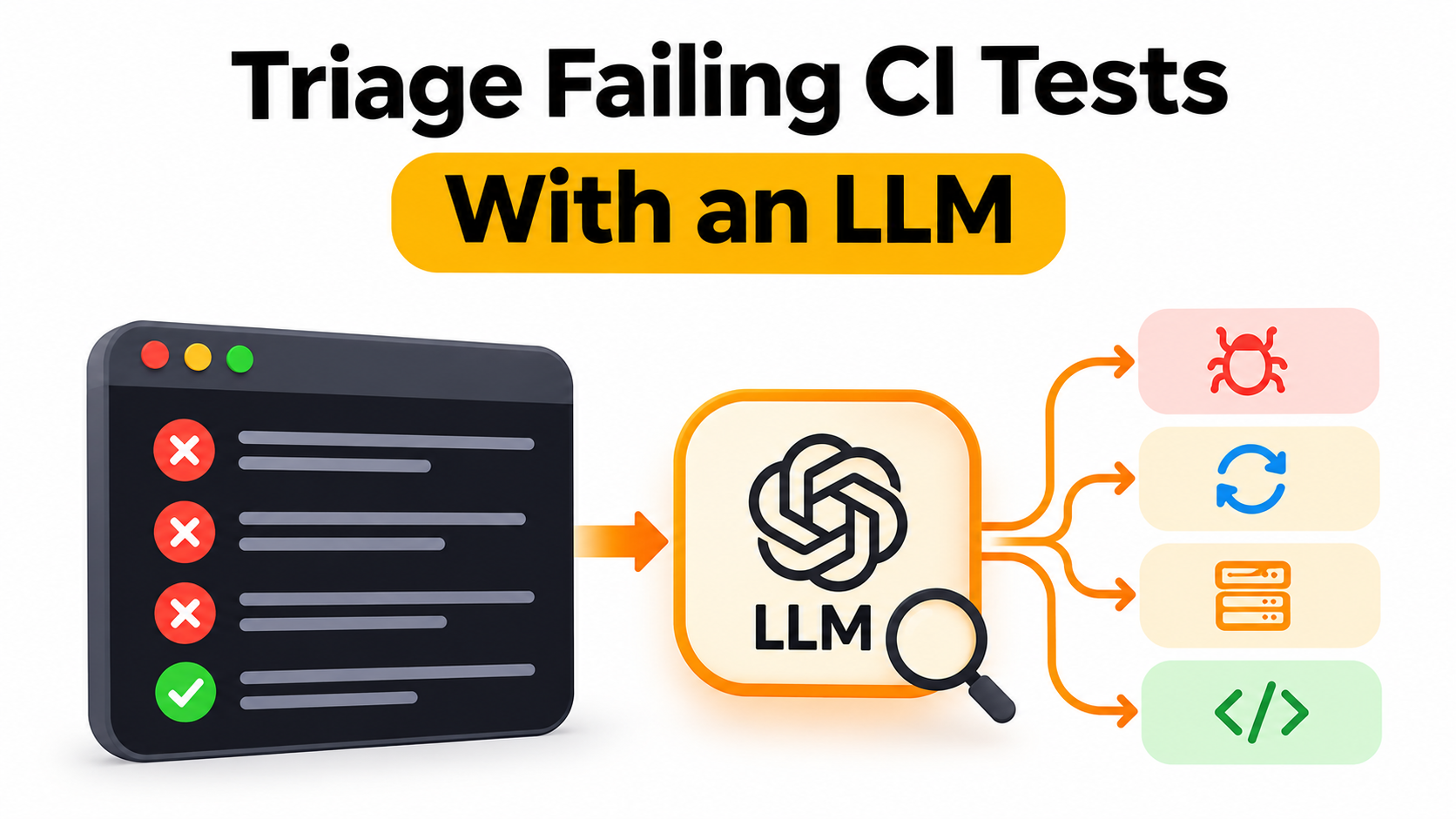
For example, an AI agent could examine a failed automated test, review relevant application logs, and suggest possible causes before notifying developers. This process can shorten investigation times and help teams resolve problems before they affect production systems. Integrating these capabilities into existing DevOps pipelines requires clearly defined permissions, reliable integrations, and appropriate oversight.
Reducing Maintenance Challenges in Test Automation
Maintaining automated tests can become expensive when applications undergo frequent interface or functionality changes. Traditional scripts may fail because of minor adjustments to page layouts, element identifiers, or navigation structures. Agentic AI can assist by examining these changes and proposing updates that preserve the original testing objectives.
Some intelligent testing systems can identify alternative interface elements when previously configured selectors stop working. While this capability may reduce maintenance demands, automatically modified tests must still be checked for accuracy and unintended behavior. A successful automation strategy balances adaptability with verification to prevent incorrect results from entering the development process.
Strengthening Software Quality Through Intelligent Analysis
Software testing generates substantial amounts of information, including execution logs, performance measurements, defect reports, and historical test results. Agentic AI can help interpret this information by identifying recurring patterns and highlighting unusual system behavior. These insights allow quality assurance teams to investigate potential problems before they develop into larger operational failures.
Predictive analysis can also support decisions about testing priorities and resource allocation. By examining previous defects and application changes, intelligent systems may identify components that deserve additional attention during future testing cycles. Such predictions should complement established testing practices rather than replace professional judgment or independent verification.
Addressing Security, Reliability, and Governance
Despite their advantages, agentic AI systems introduce challenges involving security, accountability, and operational control. Autonomous agents may interact with sensitive development environments, access internal information, or perform actions that affect testing infrastructure. Organizations therefore need appropriate access restrictions, monitoring mechanisms, and approval processes for higher-risk activities.
Reliability is equally important because AI-generated decisions are not always accurate or consistent. Testing teams should establish evaluation criteria, maintain audit trails, and regularly assess whether automated actions produce acceptable outcomes. Clear governance policies help organizations benefit from intelligent automation while maintaining control over critical software development processes.
Conclusion
Agentic AI is creating new opportunities to improve software testing through adaptive automation, intelligent analysis, and better coordination across development workflows. These technologies can help organizations expand test coverage, reduce maintenance requirements, and identify potential issues more efficiently, although their effectiveness depends on reliable implementation and human oversight. As software environments become more complex, businesses that combine agentic AI capabilities with established quality assurance practices will be better positioned to develop dependable applications. The future of software testing will depend not simply on increasing automation, but on building intelligent systems that support accurate, secure, and accountable decision-making.