


QA is often overlooked in the development of custom web applications, but it plays a vital role in ensuring the application meets both user expectations and business goals. QA testing is not just about finding bugs; it is about making sure the application is scalable, secure, and user-friendly.
- QA ensures that all components, from front-end to back-end, work in sync.
- QA validates APIs, user interfaces, and security features.
- QA is crucial for identifying defects, performance bottlenecks, and usability issues before deployment.
- QA prevents production issues and downtime, ensuring smoother releases.
QA testing not only improves functionality but also enhances the overall customer experience, reducing the Total Cost of Ownership (TCO) and accelerating Digital Transformation.
Why QA Matters More Than Most Teams Realize
When businesses invest in custom web application development, most of the attention goes toward the front-end, backend, UX design, APIs, scalability, and features. Yet the real success factor is something many teams don’t fully recognize until it’s too late - Quality Assurance (QA).
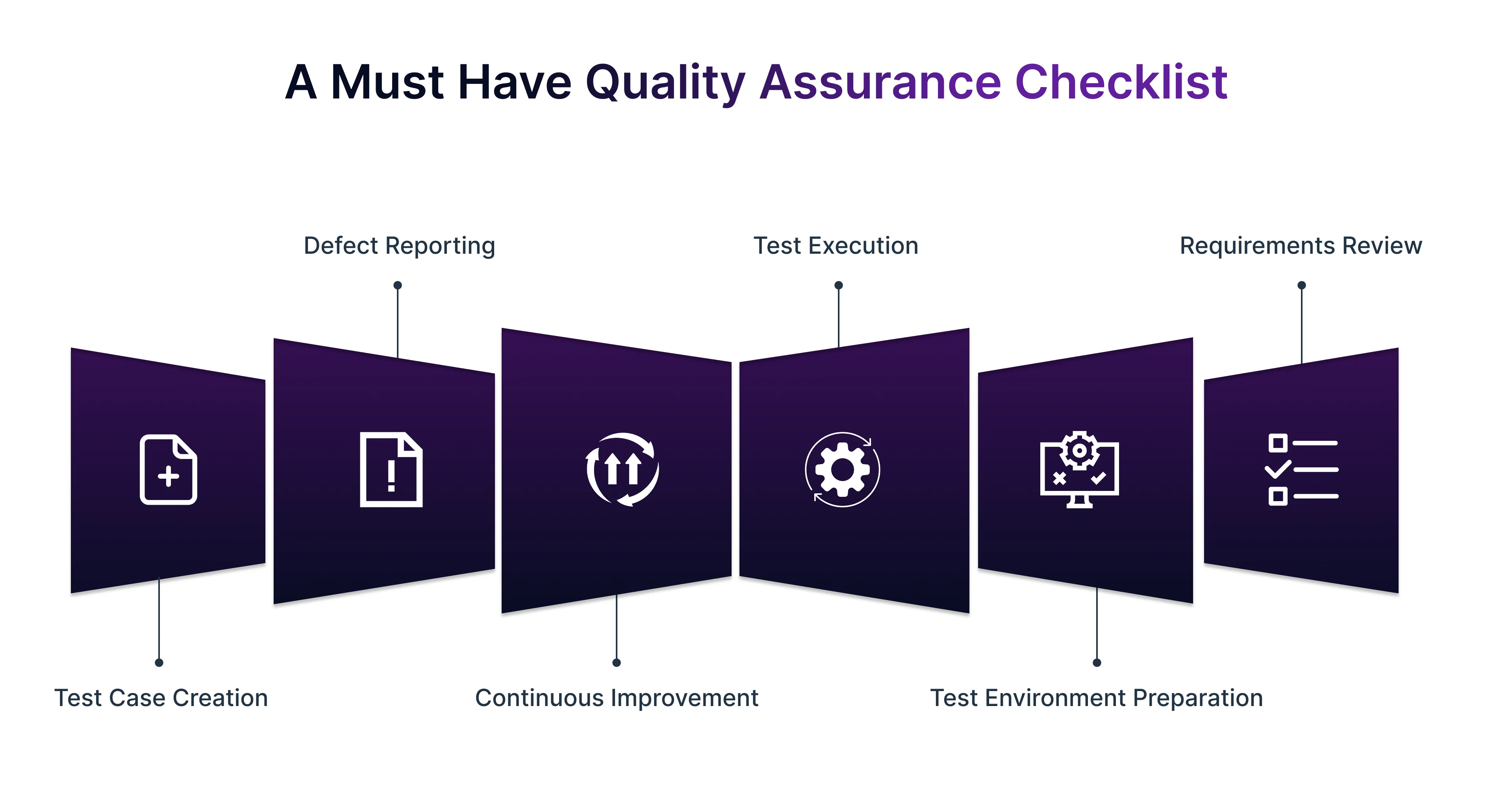
QA is not just about finding bugs. It’s about ensuring software quality, customer satisfaction, predictable release cycles, lower Total Cost of Ownership (TCO), and smooth Digital Transformation. The best engineering teams understand that software testing is the hidden engine that keeps their application usable, secure, scalable, and future-proof.
Understanding the Full Landscape of Modern Custom Web Application Development
As we explore the technical depth of custom web applications, it’s essential to consider how QA integrates with each phase of development. This integration ensures seamless functionality, security, and scalability.
Web Development Fundamentals Every Team Should Understand
Custom web applications today involve a multi-layered architecture combining UI/UX design, APIs, databases, microservices, TypeScript, Headless CMS, and CI/CD pipelines. For ecommerce platforms, CRM systems, customer portals, and route optimization systems, every component must work flawlessly across devices, browsers, and environments.
Why Companies Choose Custom Web Development Services Over Off-the-Shelf Tools
Custom web applications deliver:
- Tailored workflows
- Long-term scalability
- Better integration with legacy + modern APIs
- Lower cost over time
- Enhanced security and performance
But these advantages materialize only when QA processes are prioritized.
The Overlooked Role of QA in Custom Web Application Development Projects
By embedding QA throughout the development process, teams can prevent costly issues, improve software quality, and ensure the final product meets both business goals and user expectations.
QA as an Essential Pillar in SDLC Meaning and Execution
Quality Assurance (QA) plays a critical role throughout the Software Development Life Cycle (SDLC), ensuring that the custom web application not only meets functional expectations but also adheres to non-functional requirements, such as security, performance, and usability. QA integrates deeply into every phase of the SDLC, enabling teams to deliver a seamless product.
- QA verifies that the software meets business goals through functional and non-functional testing.
- Security and performance testing are key to maintaining data protection, ensuring applications can scale under pressure.
- Usability testing helps to ensure that the user experience (UX) is intuitive and that the application performs as expected across different devices and browsers.
In this manner, QA acts as the key enabler that aligns the technology delivery with the business objectives and ensures customer satisfaction. It’s through this alignment that businesses can scale confidently, knowing that the core product meets the required standards.
How QA Catches Critical Gaps in Custom Software Development Early
Without proactive QA, a range of issues can emerge late in the development process, jeopardizing timelines and inflating project costs. These issues, such as defects, API schema mismatches, and scalability bottlenecks, may only become evident during final testing or even after deployment, leading to costly fixes and delays.
- Defects such as logic flaws or unexpected crashes may not show up in the early stages, but they can cause significant user-facing issues later.
- API mismatches can break integrations and disrupt data flows, compromising the functionality of the application.
- Cross-browser glitches and scalability limitations can degrade the user experience, especially as the application’s user base grows.
- Security breaches caused by untested code can lead to significant reputational damage and financial penalties.
By identifying such issues early, QA testing prevents them from escalating and helps teams stay on track, both in terms of time and budget.
Case Example from Fintech and Healthcare Sectors
In industries like fintech and healthcare, where the stakes are high and errors can be costly, proactive QA is essential. Here are a few real-world examples that illustrate the importance of early QA involvement:
- A fintech platform was able to prevent a $5M compliance penalty by performing early security testing. By identifying gaps in security protocols during the early stages of development, the team was able to fix vulnerabilities before they could be exploited.
- A healthcare application used performance testing and regression testing to improve API performance by 37%. QA uncovered hidden bottlenecks in the microservices architecture, which were resolved before launch, ensuring the application could handle high data volumes with minimal lag.
These examples underscore how proactive QA in custom software development can prevent potentially devastating issues, saving both time and money.
Key QA Processes That Strengthen Every Custom Web Application Development Lifecycle
Next, we’ll explore the essential QA processes-functional, regression, usability, accessibility, and performance testing-that help guarantee the success of every custom web application project.

Functional and Regression Testing for Custom Software Development
One of the most essential aspects of QA testing is ensuring that the application’s features work correctly and reliably. Functional testing ensures that each feature meets its requirements, while regression testing ensures that new changes don’t negatively impact existing functionality.
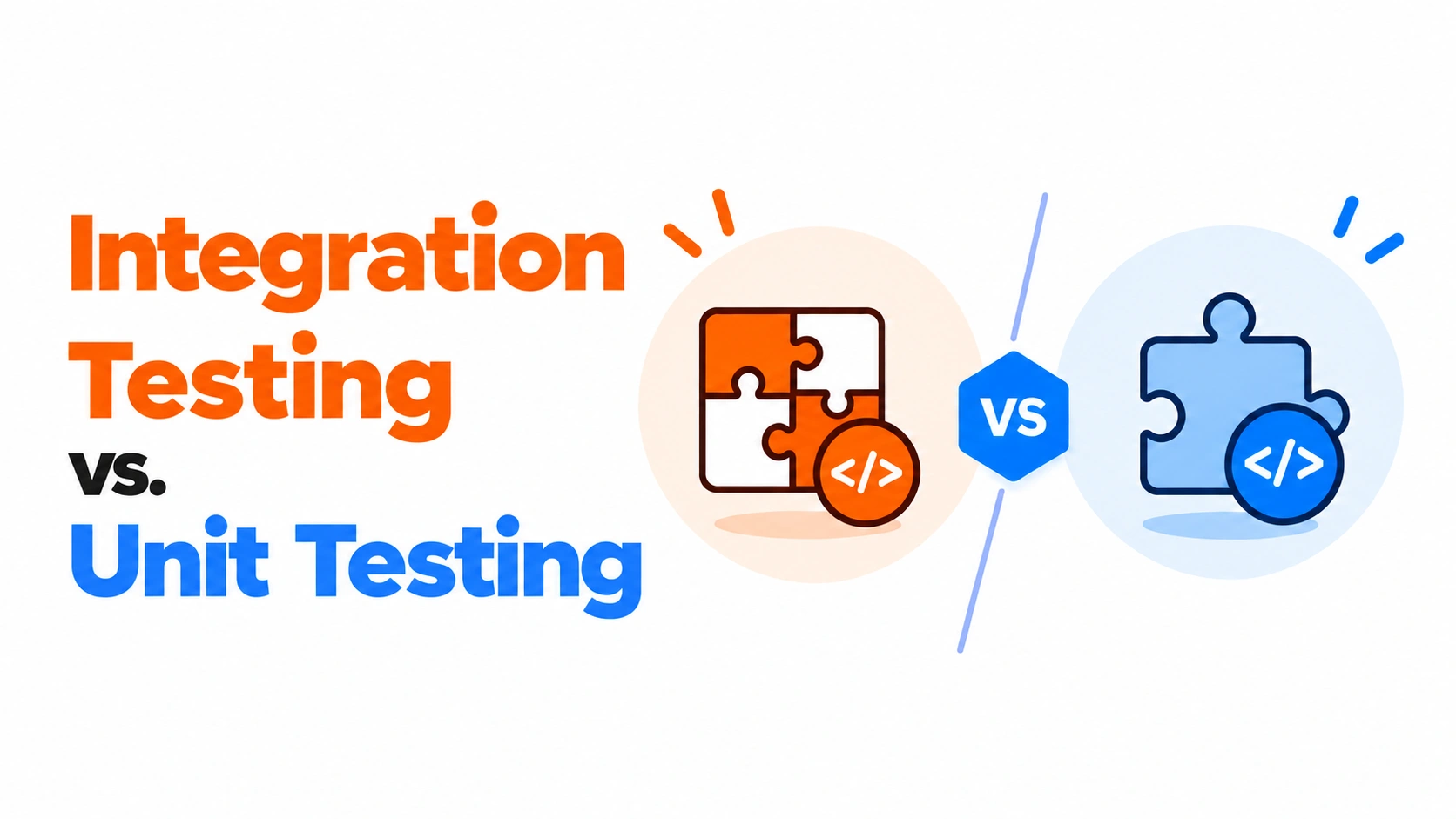
- Unit testing verifies that individual components of the application perform as expected.
- Integration testing ensures that different parts of the system work together as intended.
- End-to-end testing simulates user actions to ensure the system as a whole functions as expected.
- Acceptance testing confirms that the application meets business requirements and is ready for deployment.
Together, these processes ensure that the custom web application remains functional, stable, and adaptable to future changes.
Usability, Accessibility, and Cross-Browser Validation
In modern web applications, providing a seamless user experience is crucial. Usability testing ensures the application is intuitive and easy to use, while accessibility testing guarantees compliance with guidelines like WCAG, ensuring the app is accessible to users with disabilities.
- UI testing verifies that the user interface (UI) is visually appealing and easy to navigate.
- Web UI testing ensures that the design elements work well across devices.
- Accessibility testing ensures that all users, including those with disabilities, can interact with the application effectively.
- Compatibility testing verifies that the application works across different browsers and devices, ensuring consistent user experience for all users.
By performing these tests, businesses can ensure that their applications are inclusive, functional, and ready for deployment across multiple platforms.
Security and Performance Testing for Modern Web Applications
Security and performance are two of the most important factors for the success of a custom web application. Security testing helps identify vulnerabilities that could lead to data breaches or cyberattacks, while performance testing ensures that the application performs well even under heavy loads.
- API testing ensures that external interfaces are secure and function correctly, facilitating reliable data exchanges.
- Performance testing evaluates how the application handles high traffic, load spikes, and stress scenarios.
- Scalability validation tests how well the application can handle growth, ensuring it remains responsive and reliable as user numbers increase.
By conducting these security and performance tests, businesses can ensure that their web applications meet the highest standards of software quality assurance.
How QA Automation Accelerates Custom Software Development at Scale
Automation not only improves efficiency but also allows for quicker releases. Let’s explore how QA automation fits into the development workflow and benefits engineering teams.
Where Automation Fits into SDLC Phases in Real Projects
QA automation is a powerful tool that speeds up the testing process, ensuring that teams can test more comprehensively and frequently. Automation fits into each phase of the SDLC, enhancing efficiency, reducing human errors, and allowing for more extensive testing.
- CI/CD integrates automated tests into the continuous integration and delivery process, ensuring continuous validation.
- Test orchestration automates the management and execution of test cases, allowing teams to run them at scale without manual intervention.
- Automated test execution ensures that tests are run consistently across all stages, providing immediate feedback.
Automation significantly enhances the speed of the development process, enabling faster releases with fewer bugs.
Faster Releases, Fewer Bugs - Benefits Engineering Teams Gain
Automation improves the testing process by ensuring faster releases with fewer bugs. By reducing manual testing efforts, QA engineers can focus on more complex issues, while the automation tools take care of the repetitive testing tasks.
- Release speed increases as automated tests run continuously through CI/CD pipelines.
- Test coverage is expanded as automated tests run more scenarios in less time.
- Regression cycles are faster, ensuring that bug fixes and feature additions don’t introduce new issues.
The ability to automate testing processes allows engineering teams to deploy updates more quickly while reducing the likelihood of defects.
Tools and Frameworks Used by Modern QA Teams
Modern QA teams rely on powerful automation tools to streamline the testing process. Popular tools such as Selenium, Cypress, JUnit, Appium, and TestRail enable teams to automate everything from unit testing to end-to-end testing and API testing.
- Selenium and Cypress are used for automating web UI testing.
- Appium helps automate mobile application testing.
- TestRail serves as a comprehensive test management platform, organizing test cases and tracking results.
- Azure DevOps provides CI/CD pipelines for streamlined development and deployment.
These tools allow QA teams to execute automated tests across multiple platforms and frameworks, enhancing productivity and test accuracy.
Real-World Impact of QA on Complete Custom Web Application Delivery
Now, let’s look at the real-world impact of QA on custom web application delivery, especially when it comes to preventing costly issues, enhancing maintainability, and ensuring long-term success.
Avoiding Costly Production Issues Through Proactive Testing
When bugs or defects are found in production, the cost of fixing them is much higher than if they had been detected during the development process. In fact, errors found in production can cost up to 100x more to resolve than those identified during development. Proactive testing helps prevent these costly issues.
- Bug tracking tools allow teams to address issues before they reach production.
- Test result analysis provides insights into trends and areas that require additional attention, reducing the likelihood of defects in future releases.
By catching bugs early through QA testing, businesses can prevent revenue loss and reputational damage caused by production failures.
Enhancing Maintainability and Scalability in Custom Web Applications
Custom web applications need to evolve as businesses grow. QA testing ensures that updates and new features don’t disrupt the existing functionality or break essential modules. This ensures the maintainability of the application and its ability to scale over time.
- Performance testing ensures the application remains fast and responsive as traffic increases.
- Regression testing ensures that new features do not interfere with the core functionalities.
- Scalability validation ensures that the app can handle an increasing user base without compromising on speed or performance.
QA processes ensure that custom web applications can grow and evolve without causing service disruptions or compromising user satisfaction.
Why QA Is Critical for Enterprise-Grade Systems
For enterprise-grade systems, such as those in finance, logistics, and healthcare, the stakes are much higher. These industries rely heavily on high availability, data security, and zero downtime. Mature QA processes ensure that these critical systems meet regulatory standards, perform securely, and maintain uptime.
- QA is essential for ensuring compliance with industry regulations, such as HIPAA in healthcare or GDPR in data protection.
- Security testing ensures that sensitive data is protected from cyber threats.
- Performance testing ensures that the application can handle high volumes of transactions or sensitive operations.
Without QA, these systems would be prone to failure, which could lead to data breaches, compliance penalties, or financial losses.
How Frugal Testing Ensures Quality for Custom Web Application Development
Let’s explore how we leverage our expertise, processes, and cutting-edge tools to deliver exceptional quality and drive success in every custom web application project.
Expertise in QA Testing Services Across Industries
Frugal Testing brings deep cross-industry experience, helping teams deliver flawless digital products regardless of their business model or tech stack. Our QA specialists support B2B companies, digital marketing agencies, US-based businesses, SaaS product builders, and large enterprises with scalable end-to-end testing services that cover functionality, performance, security, usability, automation, CI/CD integration, and device/browser compatibility.
Award-Winning Processes and Enterprise Delivery Standards
Built on Security-by-Design, structured test strategy, test case development, test reports, and smart bug tracking tools.
AI-Driven QA and Automation Frameworks Used at Frugal Testing
Frugal Testing uses:
- AI in QA automation
- Machine Learning predictive insights
- AI-powered recommendation engine
- generative AI for test case generation
- automation success frameworks for CI/CD
These reduce testing cycles while increasing accuracy and customer satisfaction.
Conclusion: The Future of QA in Custom Web Application Development
Modern custom web applications are complex - and only robust QA ensures they are scalable, secure, and user-centric. With the rise of AI automation, continuous testing, and SQAaaS, QA is transforming from a back-office function into a strategic driver of business growth and digital success.
People Also Ask
Q1. Why quality assurance is crucial in software development?
QA ensures the software is reliable, secure, and user-friendly before release, reducing bugs, cutting long-term costs, and improving customer satisfaction.
Q2. What is QA in web development?
QA in web development is the process of validating that a web application works correctly across features, browsers, devices, and user scenarios through manual and automated testing.
Q3. How did you keep UI tests stable in a changing low-code platform?
By using resilient selectors, page-object patterns, test data isolation, and constant synchronization with UI changes, the tests remained stable even as the platform evolved.
Q4. How important was reporting and logging?
Extremely important-clear logs and reports helped quickly trace failures, identify trends, accelerate debugging, and improve collaboration between QA and development teams.
Q5. How long does a custom web development project take?
Timelines vary based on complexity, but most custom web applications take 3–9 months including planning, design, development, QA, and deployment.