

Overview of automated testing and its role in software development
In modern software delivery, Automation Testing is no longer optional it’s the backbone of fast, reliable releases. From startups to enterprises, teams rely on software testing automation to ensure applications perform consistently across environments, browsers, and user scenarios. At companies like Frugal Testing, automation is a key driver of efficiency, shortening release cycles and maintaining product quality.
- Reduces manual effort and human error in repetitive test cases.
- Enables faster feedback in CI/CD pipelines and software delivery.
- Supports scalability in large applications and enterprise testing.
- Improves consistency in automation scripts and test scripts
As applications grow more complex, traditional testing approaches struggle to handle dynamic workflows. In this blog, we will explore how Model Context Protocol (MCP) enhances context handling, how it integrates with Playwright automation and AI-driven testing, and how it transforms modern QA automation tools for smarter, more efficient testing.
Introduction to Model Context Protocol (MCP) and its importance
The Model Context Protocol (MCP) is an emerging standard designed to bridge AI systems and external tools, enabling better context sharing across systems. Unlike traditional automation frameworks, MCP introduces structured communication between AI agents, external systems, and testing environments.
- Enables interaction between large language models and testing tools.
- Standardises communication via API Calls, REST APIs, and Streamable HTTP.
- Supports integration with AI assistants like ChatGPT and Gemini AI.
- Enhances context awareness using Context Memory and session memory.
With MCP, automation evolves from static scripts to intelligent, context-aware workflows.
Why context handling is critical in quality assurance (QA)
In Quality Assurance (QA), context is everything. Without proper context handling, even the best qa automation tools can produce unreliable results. Context includes session data, user state, environment variables, and API responses.
- Poor context handling leads to flaky tests and inconsistent results.
- Missing session data affects MCP login and authentication flows.
- Lack of state tracking impacts visual validation and API testing.
- Inefficient context reuse slows down qa automation testing.
By improving context handling, teams can significantly enhance test accuracy and reliability.
Understanding Model Context Protocol (MCP)
What is Model Context Protocol (MCP)?
The Model Context Protocol (MCP) is a standardised protocol that enables AI applications and automation systems to share structured context efficiently. It acts as a communication layer between language models, tools, and data sources.
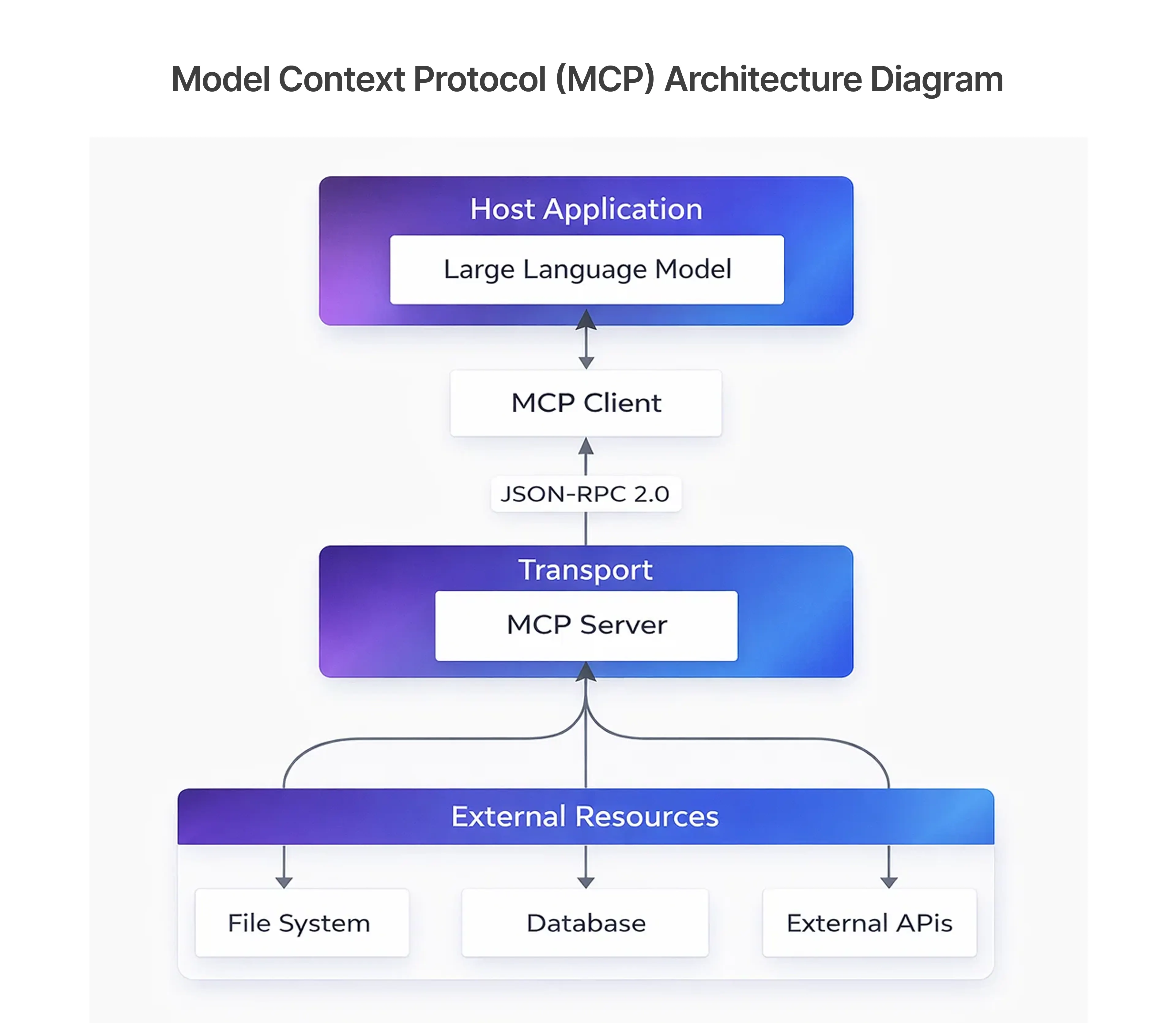
- Defines how context is passed between systems
- Enables tool registration and Tool Descriptions.
- Supports agentic workflows and multi-agent systems.
- Facilitates integration with generative AI tools.
MCP is becoming a foundational element in building intelligent automation systems that go beyond traditional scripting.
MCP architecture, components, and MCP server overview
The architecture of MCP consists of multiple components working together to enable seamless communication. These include the MCP server, MCP Client, and MCP Host, each playing a specific role.
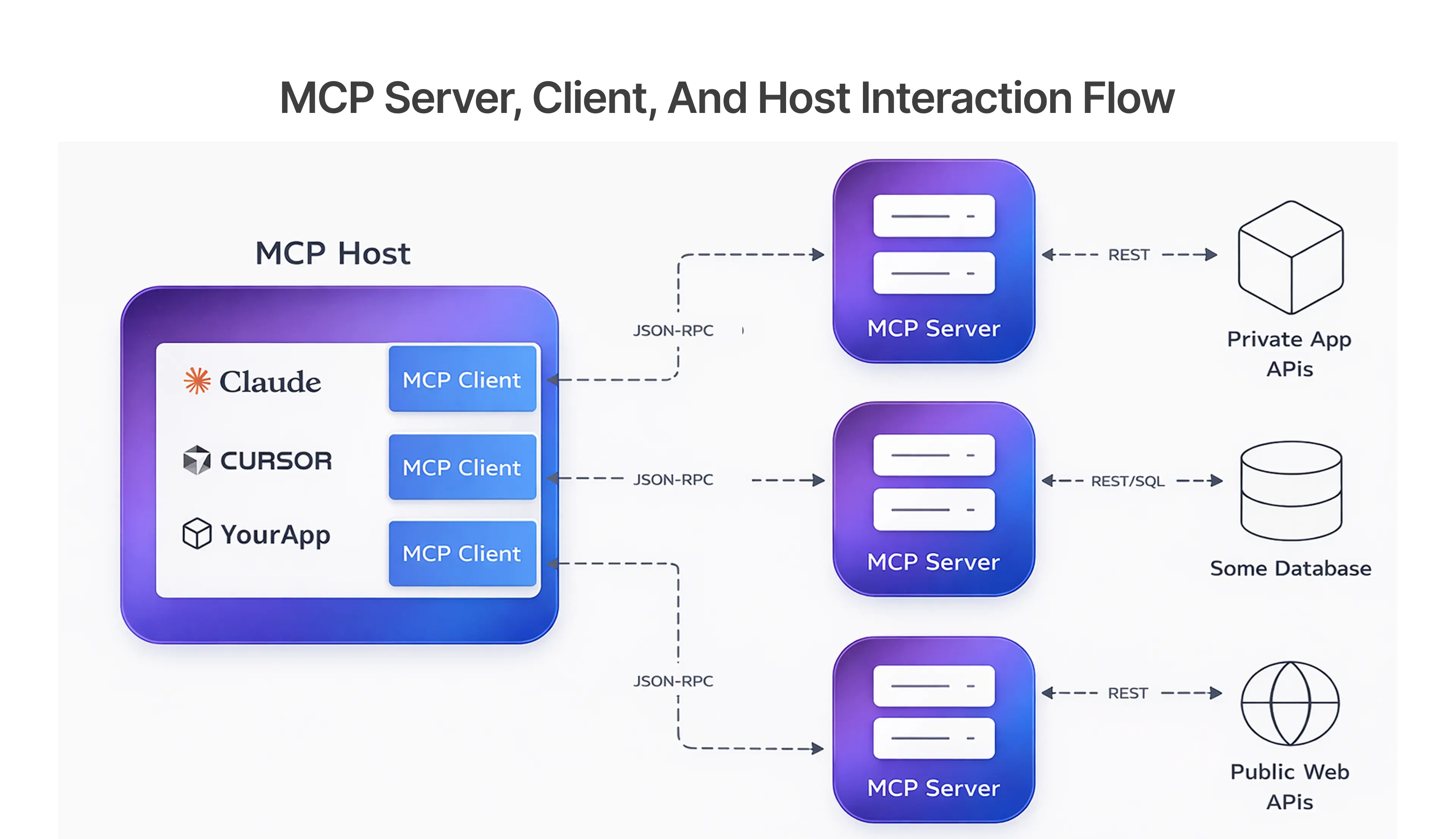
- MCP Server: Connects to external tools and data sources.
- MCP Client: Sends requests and manages interactions.
- MCP Host: Executes workflows and manages orchestration.
- Supports integration with API gateways like Kong AI Gateway.
This modular design allows MCP to scale across different environments and use cases, making it ideal for automation testing.
MCP in AI: Integration with ChatGPT, OpenAI, and Gemini AI
MCP plays a crucial role in enhancing Artificial Intelligence (AI) systems by enabling them to interact with external tools and data. Platforms like ChatGPT, OpenAI, and Gemini AI leverage similar concepts to extend their capabilities.
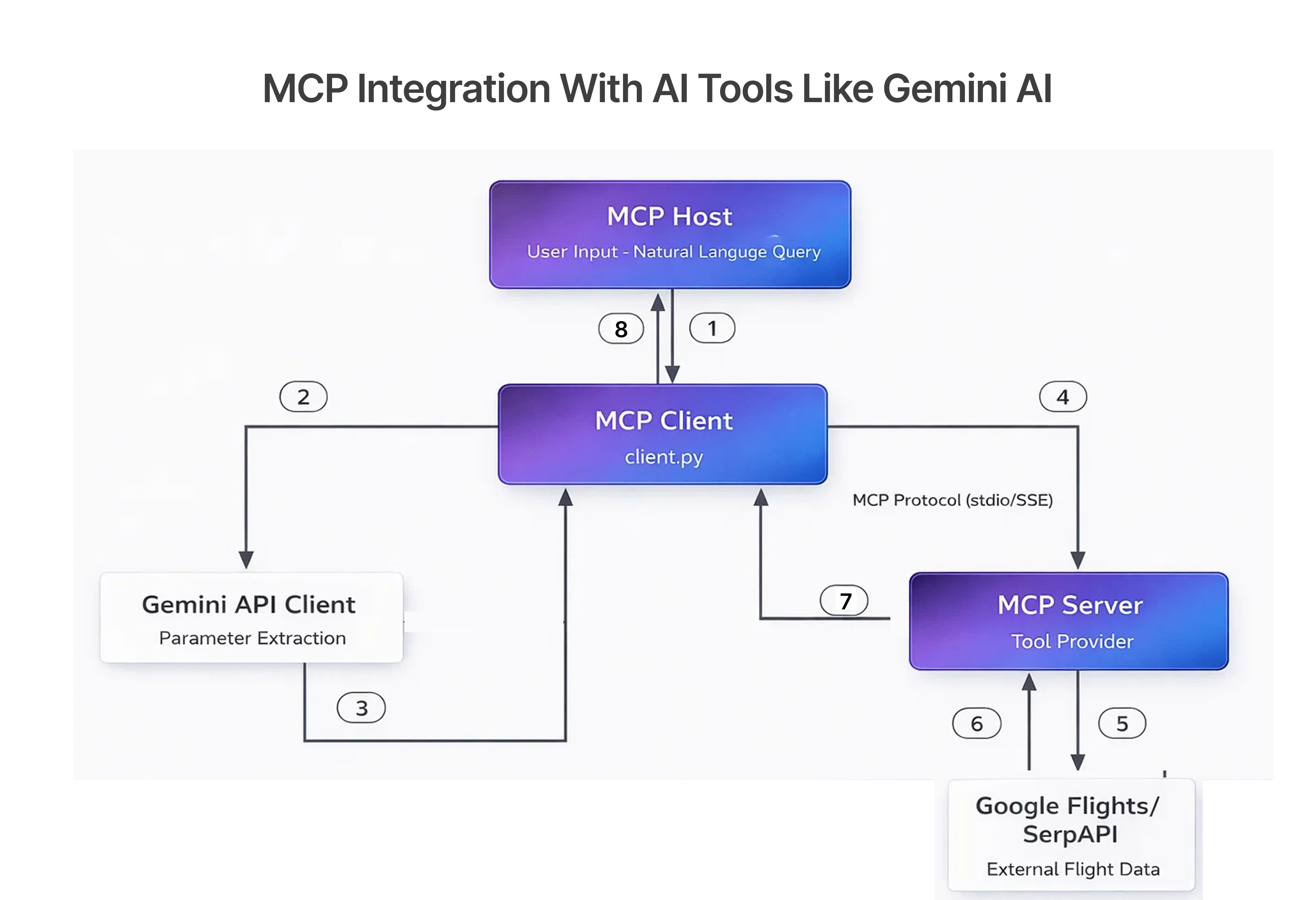
- Enables AI-powered IDEs and GitHub Copilot integrations.
- Supports retrieval augmented generation using vector databases.
- Enhances AI assistants with real-time data access.
- Powers agentic AI workflows in testing and automation.
This integration allows AI systems to become active participants in testing workflows rather than passive tools.
Key features of MCP: MCP login, scalability, and flexibility
MCP also brings with it a number of features that render it very effective in the current testing environments. These characteristics are concerned with scalability, flexibility and security.
- MCP login will be used to perform a safe authentication with OAuth 2.1 and identity providers.
- Promotes MCP Authorization and access controls.
- Scales distributed system workflows.
- Enables a connection with content repositories and API contracts.
These features render MCP as an effective tool to use in complex testing environments.
The Importance of Context in Automated Testing
What is context handling in software testing?
Context handling refers to the ability of a testing system to maintain and reuse relevant information across test executions. This includes session data, API responses, and user states.
- Maintains context window for AI-driven testing.
- Stores API response messages and session data.
- Tracks user flows across multiple test steps.
- Enables consistent execution of test framework logic.
Effective context handling ensures that tests behave predictably across different scenarios.
Context handling vs traditional automation testing
Traditional automation testing relies on stateless execution, where each test runs independently. In contrast, MCP-enabled systems introduce context-aware workflows.
- Traditional testing lacks session memory and state tracking.
- MCP-based testing uses Context Memory for better accuracy.
- Reduces redundancy in automation scripts.
- Improves efficiency in test automation.
This shift represents a major evolution in how testing systems operate.
Benefits of context-aware testing: accuracy and reduced failures
Context-aware testing significantly improves test reliability by ensuring that all necessary information is available during execution.
- Reduces false positives and negatives in qa qc processes.
- Improves API response properties validation.
- Enhances visual tests and UI consistency.
- Supports better Error Handling.
By leveraging context, teams can achieve higher accuracy and confidence in their testing outcomes.
How MCP improves context handling in automated testing
MCP enhances context handling by enabling seamless communication between systems and maintaining structured data flow.
- Integrates with external systems and external tools.
- Supports API Calling and real-time data access.
- Enables an orchestration layer for workflow management.
- Improves handling of external data.
This results in smarter, more efficient testing processes that adapt to real-world scenarios.
Leveraging Playwright for Automation Testing
Overview of Playwright as a browser testing tool
Playwright is a modern browser testing tool designed for reliable and fast web automation. It supports multiple browsers and provides robust features for testing complex applications.
- Cross-browser support for Chromium, Firefox, and WebKit.
- Built-in support for automated web testing.
- Advanced debugging and tracing capabilities.
- Integration with CI/CD pipelines.
Playwright is widely used in qa automation testing for its flexibility and performance.
Key features of Playwright for automated web testing
Playwright offers several features that make it ideal for modern software automation testing.
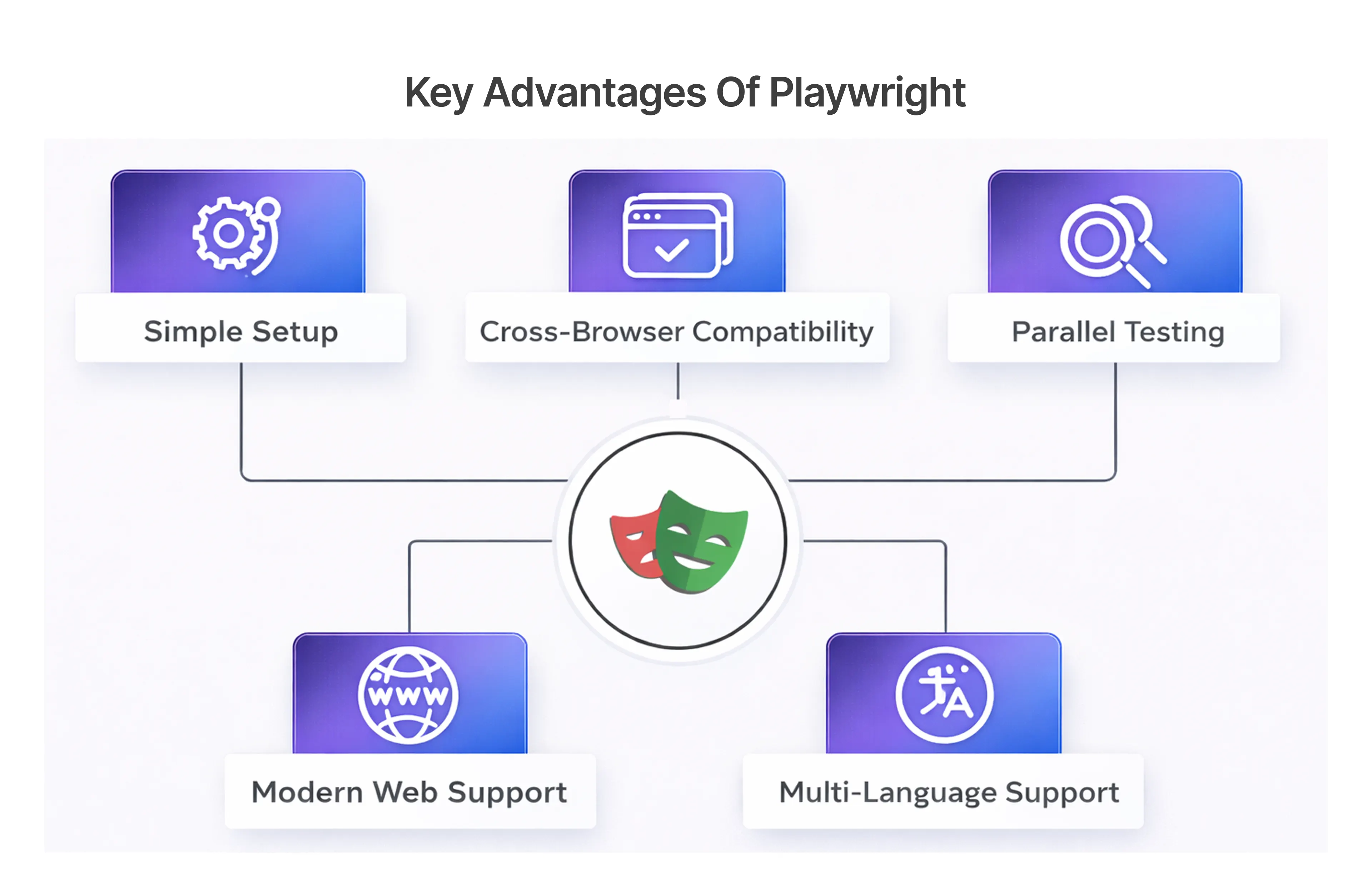
- Auto-waiting for elements and actions.
- Supports visual validation and screenshots.
- Handles network requests and API response validation.
- Enables parallel test execution.
These features make Playwright a powerful choice for teams looking to enhance their testing capabilities.
Integrating MCP with Playwright automation
Integrating MCP with playwright automation allows teams to build context-aware testing workflows that are more intelligent and efficient.
- Use MCP to manage session data and authentication.
- Integrate the MCP server with Playwright test scripts.
- Enable agentic workflows for dynamic testing.
- Improve test reliability with context reuse.
This combination creates a next-generation testing approach that leverages both AI and automation.
Best practices for Playwright testing and QA automation
To maximize the benefits of Playwright and MCP, teams should follow best practices in qa automation tools.
- Use modular test scripts for maintainability.
- Implement robust Error Handling.
- Leverage API gateways for secure communication.
- Optimize test execution for performance.
Following these practices ensures scalable and reliable testing processes.
Tools and Technologies for Automation Testing
Overview of automated testing tools: Selenium, Cypress, TestCafe
There are several automated testing tools available, each with unique features and capabilities.
- Selenium for cross-browser testing.
- Cypress for fast frontend testing.
- TestCafe for simplified test execution.
- MCP-enabled tools like BlazeMeter MCP Server.
Choosing the right tool depends on project requirements and team expertise.
Choosing the right QA automation tools for your QA department
Selecting the right tools is critical for the success of any qa department.
- Evaluate ease of use and learning curve.
- Consider integration with existing systems.
- Assess community support and documentation.
- Ensure compatibility with AI tools.
A well-chosen toolset can significantly improve testing efficiency and outcomes.
Comparison of browser testing tools and automation frameworks
Different tools offer varying capabilities, making it important to compare them carefully.
- Playwright vs Selenium: performance and modern features.
- Cypress vs TestCafe: ease of use and speed.
- MCP-enabled frameworks: context awareness.
- Support for AI-augmented testing.
Understanding these differences helps teams make informed decisions.
Future trends in software testing automation and MCP
The future of testing lies in the integration of AI and automation. MCP is at the forefront of this transformation.
- Rise of AI-powered IDEs and generative AI.
- Adoption of multi-agent systems.
- Increased use of vector databases and RAG.
- Growth of AI enablement in testing.
These trends highlight the growing importance of MCP in modern testing.
Quality Assurance (QA) vs Quality Control (QC)
Difference between QA and QC in software testing
Understanding the difference between QA and QC is essential for effective testing strategies.
- QA (Quality Assurance) focuses on process improvement.
- QC (Quality Control) focuses on identifying defects.
- QA is proactive, while QC is reactive.
- Both are essential for maintaining quality.
This distinction helps teams implement balanced testing approaches.
Role of QA and QC in automation testing processes
Both QA and QC play critical roles in automation testing.
- QA ensures test processes are efficient and scalable.
- QC validates outputs and identifies issues.
- Together, they improve software testing automation.
- Support continuous improvement in testing.
A strong QA and QC strategy leads to better software quality.
Importance of QA automation testing in modern development
In today’s fast-paced development environment, qa automation testing is essential.
- Speeds up release cycles and software delivery.
- Improves accuracy and consistency.
- Reduces manual effort.
- Enhances collaboration across teams.
Automation is key to staying competitive in modern software development.
Enhancing quality assurance with MCP and AI-driven testing
MCP enhances quality assurance by integrating AI capabilities into testing workflows.
- Enables AI-driven validation.
- Supports automation agents and intelligent workflows.
- Improves visual tests and API validation.
- Enhances overall testing efficiency.
This combination represents the future of QA automation.
Conclusion: The Future of MCP in Automated Testing
Key Takeaways: How MCP Improves Context Handling and Automation Testing
If you're looking to build smarter and more reliable automation testing workflows, adopting Model Context Protocol (MCP) can be a game-changer for your QA strategy.
The Model Context Protocol (MCP) is transforming how software testing automation is performed by introducing context-aware workflows. By integrating with AI tools, external systems, and modern frameworks like Playwright, MCP enables smarter and more efficient testing processes.
- Improves context handling using Context Memory.
- Enhances integration with AI applications and tools.
- Reduces redundancy in automation scripts.
- Supports scalable and secure testing environments.
By leveraging MCP, teams can move beyond traditional testing limitations and embrace a more intelligent, future-ready approach to QA automation testing.
Final Thoughts: Adopting MCP for Smarter QA Automation
As the industry moves toward AI-augmented testing, adopting MCP is becoming essential for staying competitive. Organizations like Frugal Testing are already leveraging MCP to deliver faster, smarter, and more reliable testing solutions.
- Enables intelligent agentic workflows.
- Improves collaboration between tools and systems.
- Enhances qa automation tools capabilities.
- Supports future-ready testing approaches.
By embracing MCP, teams can unlock the full potential of software automation testing and build more resilient, high-quality applications.
People also Ask For (FAQ’s)
Q1.What is Model Context Protocol (MCP) in automation testing?
Ans: Model Context Protocol (MCP) is a standard that helps automation testing systems maintain context across workflows, improving software testing automation and AI-driven testing efficiency.
Q2.How does MCP improve Playwright automation and browser testing tools?
Ans: MCP protocol enhances Playwright automation and other browser testing tools by preserving session and state, making playwright testing more reliable and reducing repeated steps.
Q3.What is an MCP server and how is it used in QA automation testing?
Ans: An MCP server connects AI tools like ChatGPT and OpenAI GPT with qa automation tools, enabling context-aware execution in qa automation testing.
Q4.How does MCP login help in automated testing tools?
Ans: MCP login allows automated testing tools to reuse authentication and session data, improving efficiency in automation web testing and software automation testing.
Q5.How is MCP related to artificial intelligence tools like ChatGPT and Gemini AI?
Ans: MCP in AI enables tools like ChatGPT, Perplexity, and Gemini AI to interact with automated testing tools, making automation testing more intelligent and adaptive.
Q6.How does MCP improve quality assurance (QA) and quality control (QC)?
Ans: MCP protocol enhances quality assurance (QA) by optimizing qa automation testing processes, while also supporting quality control (QC) through better context-aware validation.