


Software testing is evolving because organizations are implementing AI-driven platforms together with CI/CD pipeline and their automated workflow systems. In 2026, quality assurance is no longer limited to manual effort or legacy tools because intelligent QA software tools, which combine automation with analytics and test management, will drive testing processes.
Key Topics Covered in This Guide:
- Best QA software tools for modern software testing in 2026
- Automation testing tools like Selenium, Katalon Studio, and AI-driven platforms
- Test management tools for Jira and test case management software
- Test reporting tools, QA analytics, and sample test reports
At Frugal Testing, we see a growing shift toward smarter, cost-efficient testing strategies that balance automation testing tools with human expertise. This guide explores the best quality assurance tools and platforms shaping software testing in 2026.
Best QA Software Tools for Modern Software Testing in 2026
Modern software testing needs QA software tools that possess both flexible and intelligent capabilities to keep pace with fast development cycles, changing user needs, and complex software environments. Organizations in 2026 will adopt AI-native platforms together with integrated test automation tools, which enable continuous delivery for their software development processes.

The tools enable QA engineers to sustain software quality during multiple product launches while the software applications become more complex. The systems enable testing to begin earlier in the development process while supporting automation-based testing methods, which work according to continuous integration and continuous delivery systems.
Key Factors to Consider When Choosing QA Tools
The appropriate QA testing tool should be selected based on three factors which include business requirements and technical infrastructure and future growth requirements. In 2026 QA teams must evaluate testing tools which provide both intelligent testing capabilities and seamless integration with development pipelines. The system supports test automation and manual testing and API testing.
- Integration with Jira test management tools and CI/CD pipelines
- AI insights such as predictive smarts and self-healing UI test maintenance
- Ease of use for QA teams and quality assurance engineers
Organizations in 2026 will focus on QA tools that integrate natural language understanding, visual testing, and real device testing to achieve accurate results across various browsers, operating systems, and user environments.
Top Automation Testing Tools in 2026
1)ACCELQ
ACCELQ is an AI-powered, codeless test automation platform for web, mobile, API, and desktop testing. Its self-healing engine automatically adapts to UI changes, eliminating the need for manual script maintenance. Intelligent test impact analysis and native CI/CD integrations ensure only change-relevant tests run on each commit.
2)Selenium WebDriver
Selenium WebDriver is an open-source automation framework used for cross-browser web application testing. It supports multiple programming languages such as Java, Python, and C#. Selenium is widely adopted for building scalable and flexible automation testing solutions in CI/CD pipelines.
3)Katalon Studio
Katalon Studio is a complete automation testing tool for web, mobile, and API testing. It supports both script-based and codeless automation approaches. QA engineers use Katalon to simplify test creation and accelerate automation adoption across teams.
4)Cypress
Cypress is a modern end-to-end testing framework designed for fast and reliable web application testing. It provides real-time execution, automatic waiting, and powerful debugging features. Developers prefer Cypress for testing modern JavaScript-based applications.
5)Playwright
Playwright enables cross-browser testing using a single API across Chromium, Firefox, and WebKit. It supports parallel execution and modern web application automation. Playwright is known for its stability and ability to handle complex UI interactions.
6)Appium
Appium is an open-source mobile automation framework for testing Android and iOS applications. It allows cross-platform testing using the same automation scripts. Appium integrates easily with CI/CD pipelines and supports multiple programming languages.
7)Ranorex Studio
Ranorex Studio is a commercial automation testing tool for desktop, web, and mobile applications. It provides a powerful object recognition engine and both codeless and script-based automation. Enterprises use Ranorex for complex UI and regression testing.
8)TestComplete
TestComplete is a comprehensive automation testing tool for web, desktop, and mobile applications. It supports keyword-driven and scripting approaches with built-in object recognition. QA teams use TestComplete for scalable enterprise automation solutions.
9)Robot Framework
Robot Framework is an open-source automation framework that uses a keyword-driven testing approach. It supports web, API, and mobile automation through libraries like SeleniumLibrary and AppiumLibrary. It is widely used for readable and maintainable test automation.
10)BrowserStack Automate
BrowserStack Automate is a cloud-based automation platform for running tests on real browsers and real devices. It integrates with Selenium, Cypress, and Playwright for cross-browser and mobile testing. Teams use it to validate applications across multiple environments.
11)Functionize
Functionize is an AI-native test automation platform that uses machine learning to create, execute, and maintain tests across web applications. It enables teams to build tests using natural language, making automation accessible to both technical and non-technical users. Functionize automatically adapts to UI changes, significantly reducing test maintenance effort and accelerating release cycles.
How AI Is Used in QA Tools in 2026
Artificial intelligence is transforming QA workflows by enabling:
- Self-healing tests that adapt to UI changes
- Predictive analytics for defect trends and risk forecasting
- AI-assisted test generation and natural language test creation
- Smart test prioritization based on code changes and history
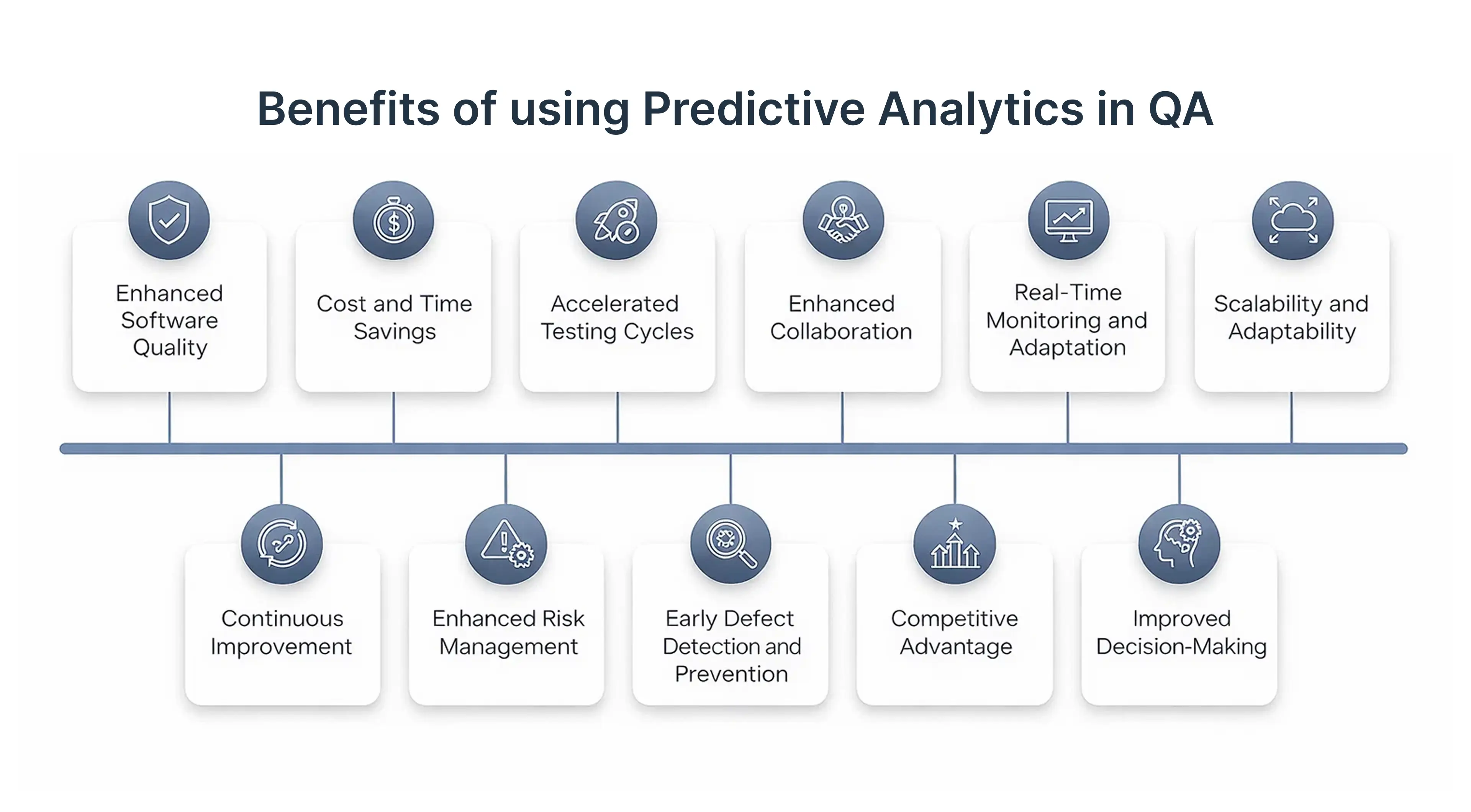
These capabilities reduce manual maintenance, speed up releases, and help QA teams scale with confidence.
Quality Assurance and Automation Testing Fundamentals for Software Development
The basic principles of quality assurance together with automation testing methodology need to be studied by teams because this knowledge enables them to extract maximum value from QA software tools while developing software systems that are both dependable and capable of handling increased operational demands. The 2026 testing requirements of organizations will need them to implement testing methods which incorporate both systematic processes and artificial intelligence automation.
- Difference between quality assurance and quality control
- Importance of automation testing in modern QA
- Role of tools in test management in software testing
These foundations ensure sustainable quality strategies for enterprises while enabling faster releases, improved collaboration, and measurable outcomes.
Difference Between Quality Assurance and Quality Control in Software Testing
Quality assurance creates structured processes to stop defects from occurring whereas quality control uses testing and validation to find existing defects. Both processes are necessary for developing dependable software that maintains consistent quality throughout its development process.
- Quality assurance ensures preventive practices
- Quality control verifies outputs through testing
- QA engineers design test scenarios and test cases
- QC validates app functionality through execution
Knowing what is quality control versus quality assurance helps teams structure better testing workflows.By combining both disciplines, organizations ensure software quality across the development lifecycle.
What is Automation Testing and Its Importance in Modern QA (2026)
What is automation testing? The process uses automated testing tools to run test cases which create automatic test results that deliver fast and precise results across all testing cycles. The increasing use of CI/CD pipelines together with continuous delivery systems has made automation testing essential for current quality assurance processes.
- Reduces manual effort
- Supports CI/CD pipelines
- Enables faster regression cycles
- Improves coverage across platforms
Tools like automation testing Selenium, Katalon Studio, and Selenium WebDriver dominate modern QA strategies.In 2026, automation testing also includes generative AI and large language models that generate regression scripts and test libraries automatically.
Role of QA Software Tools in the Software Testing Lifecycle
QA software tools support every phase of the software testing lifecycle, from planning and design to execution, reporting, and maintenance. These tools ensure consistency, traceability, and quality across continuous development environments.
- Test design using test case management software
- Execution via test automation tools
- Reporting through test reporting tools
- Maintenance with self-healing UI test maintenance
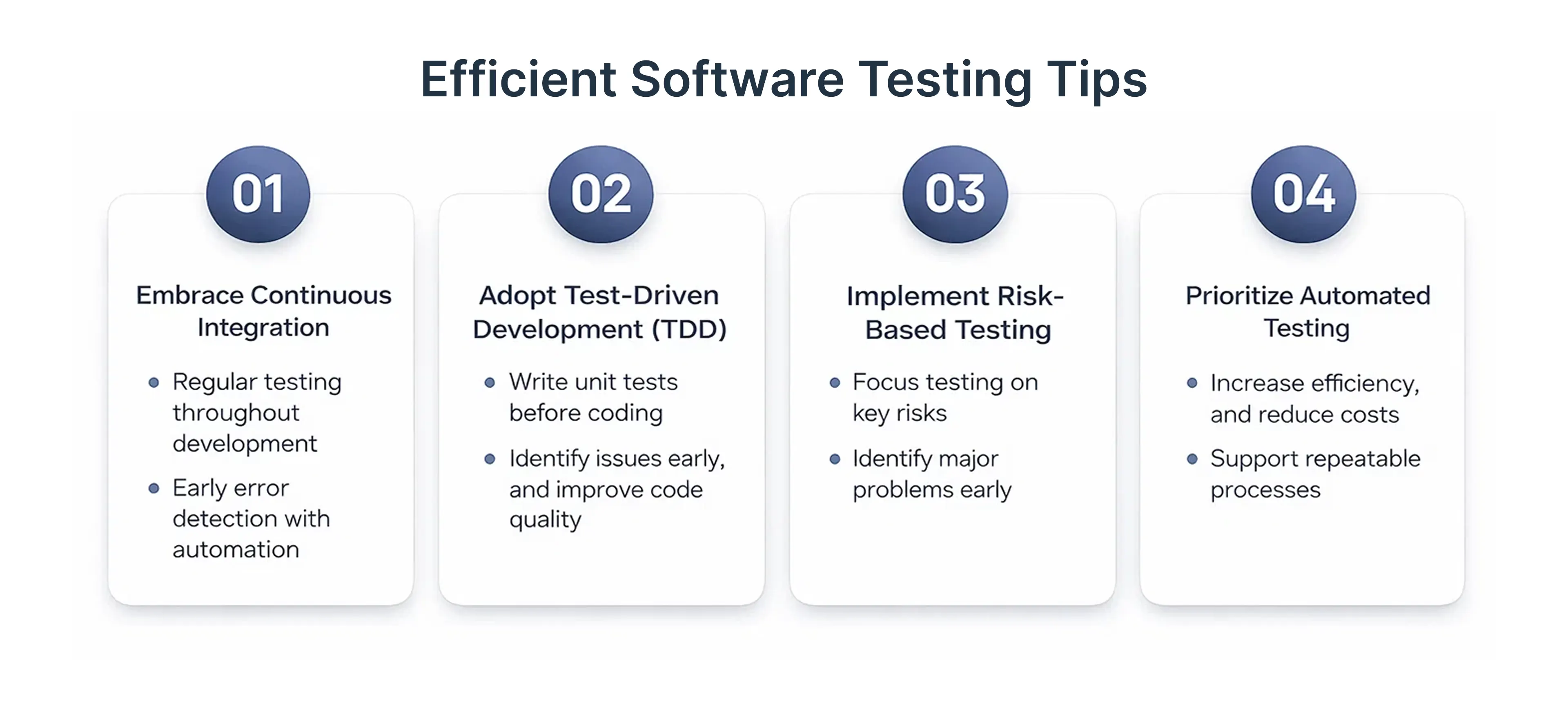
These tools ensure continuous quality across shift-left testing and concurrent releases.A structured test management platform allows QA teams to handle test data management and regression scripts efficiently.
Top Test Management Tools for QA Teams
1)AccelQ
ACCELQ Unified Test Lifecycle Management provides unified test lifecycle management within the same platform used to design and execute tests. Requirement-linked test cases with bidirectional Jira sync give teams full traceability from user stories to defect reports. AI-driven coverage gap analysis supports release gate decisions without relying on manual estimation.
2)TestRail
TestRail is a centralized test case management software that helps teams organize, execute, and track test cases efficiently. It provides real-time dashboards, detailed reports, and seamless integration with Jira and CI/CD pipelines for better traceability.
3)Xray for Jira
Xray is a Jira-native test management tool that allows teams to manage manual and automated test cases within Jira. It supports full traceability from requirements to defects and is ideal for Agile and DevOps workflows.
4)PractiTest
PractiTest is an end-to-end QA management platform that helps teams manage requirements, tests, and defects in one place. It offers customizable dashboards and advanced analytics for risk-based testing and quality control.
5)Qase
Qase is a modern test management platform for both manual and automated testing. It provides intuitive test case organization, execution tracking, and integration with automation tools and Jira to improve team productivity.
6)TestLodge
TestLodge is a lightweight and user-friendly test management tool for small and mid-sized teams. It simplifies test planning, execution, and reporting while supporting integration with bug tracking systems.
7)Testmo
Testmo is a modern unified test management platform that brings manual testing, automated testing, and exploratory testing into one workspace. It provides powerful reporting, execution tracking, and CI/CD integrations for better visibility and control over QA processes.
8)Zephyr for Jira
Zephyr is a popular Jira-based test management tool designed for Agile teams. It enables test case creation, execution, and reporting directly within Jira and provides end-to-end traceability between requirements, tests, and defects.
9)Tuskr
Tuskr is an agile-focused test management tool built for fast-moving QA teams. It offers a clean interface for managing test cases, organizing test runs, and integrating with CI/CD pipelines and bug tracking tools to streamline QA workflows.
Top Test Reporting and QA Analytics Tools
1)ACCELQ
ACCELQ gives teams a clear, real-time view of test health bycombining results from web, mobile, API, and desktop testing into livedashboards through QA automation.Instead of just pass/fail, you see coverage heatmaps, defect trends, and flakytest insights that actually help you fix what matters. It also flags potentialregression risks from recent code changes before your pipeline runs, so youknow if a release is truly ready, not just green on paper.
2)Allure Report
Allure Report is an open-source reporting framework that generates visually rich and interactive test execution reports. It supports screenshots, logs, and attachments from automation tools like Selenium and Cypress. QA teams use Allure to improve transparency and debugging efficiency.
3)ReportPortal
ReportPortal is an AI-powered test reporting and analytics platform that aggregates test results from multiple frameworks. It analyzes failure trends and provides intelligent dashboards for root cause analysis. This helps QA teams make data-driven decisions about test stability and quality.
4)ExtentReports
ExtentReports is a customizable reporting library used with automation frameworks to generate detailed execution reports. It supports charts, logs, and screenshots for better visualization of results. Teams use it to create professional and stakeholder-friendly test reports.
5)BrowserStack Test Reporting
BrowserStack Test Reporting provides execution summaries and visual insights for tests run on real browsers and devices. It integrates with automation tools and CI/CD pipelines to support cross-browser and mobile validation. This helps teams detect environment-specific issues quickly.
6)JUnit Reports
JUnit Reports generate basic test result summaries from automated test executions. They are widely used in CI environments to display pass/fail status and build health. These reports provide quick feedback for developers and QA engineers.
7)TestNG Reports
TestNG Reports provide structured and detailed results for automated test executions using the TestNG framework. They include test status, execution time, and failure reasons. QA teams use them to monitor regression cycles and automation stability.
8)Katalon TestOps
Katalon TestOps is a centralized QA analytics and reporting platform that collects results from web, mobile, and API tests. It provides dashboards, trend analysis, and quality metrics for release readiness. This tool helps teams track automation effectiveness over time.
9)Grafana with QA Dashboards
Grafana is used with test data sources like InfluxDB or Elasticsearch to visualize QA metrics and trends. It provides real-time dashboards for pass rates, defect density, and execution performance. Teams use Grafana to gain continuous visibility into software quality.
Table: Tools by Category and Use Case
Legend: ⚫ = Strong native support, ⚪ = Some level of support
How Frugal Testing Enables Smarter QA with Powerful Tools
Frugal Testing promotes quality while being cost-efficient by focusing on value-driven testing rather than excessive tooling or unnecessary automation. In a time when organizations are overwhelmed by multiple QA automation tools and complex test management platforms, Frugal Testing provides a strategic approach to use powerful tools in a smarter and more sustainable way.
At Frugal Testing, this approach blends QA automation tools with human judgment to ensure both speed and accuracy. Teams use automation testing tools for regression cycles and repetitive tasks while relying on QA engineers for exploratory testing, usability validation, and risk-based decision-making.
Frugal Testing also helps organizations optimize resource usage by lowering maintenance tax, reducing manual effort, and improving ROI from existing tools such as TestRail, Selenium WebDriver, and Jira test management tools. This strategy enables enterprises to scale testing operations without increasing cost or complexity.
Tools Used by Frugal Testing
At Frugal Testing, we combine practical, high-impact tools that balance automation power with cost efficiency:
- ACCELQ for AI-powered codeless automation and unified QA management
- Selenium WebDriver for core automation
- Katalon Studio for cross-platform workflows
- TestRail for test case management and traceability
- ReportPortal and Allure for unified reporting
- Jira Test Management Tools for planning and defect integration
This blend ensures lean tool sprawl while maintaining high quality outcomes.
Conclusion: Building a Future-Ready QA Ecosystem in 2026
In 2026, software testing is defined by intelligent QA software tools, automation testing Selenium frameworks, and fully integrated test management platforms that operate within modern CI/CD pipelines. Organizations that adopt AI-driven testing tools, advanced test reporting systems, and unified QA ecosystems gain a significant competitive advantage through faster releases and higher software quality.
Key Learnings from This Guide:
- Unified QA ecosystems improve requirement traceability and visibility across the software testing lifecycle.
- Automation testing reduces manual effort and accelerates regression cycles while improving test coverage.
- QA analytics and test reporting tools drive smarter, data-informed release decisions.
- Integrated platforms such as TestRail and Jira improve collaboration and workflow efficiency.
- Frugal Testing ensures cost efficiency by focusing on high-impact test cases and smart automation strategies.
People Ask Questions (FAQ's)
1)Which are the top QA tools for modern software testing in 2026?
Ans: Top QA tools include Selenium WebDriver, Katalon Studio, TestRail, Tricentis qTest, Xray for Jira, Virtuoso QA, Eggplant Test, and Apache JMeter.
2)What are test management tools, and how do they help QA teams?
Ans: Test management tools organize test cases, test scenarios, defect tracking, and reporting. They improve collaboration and traceability for QA teams.
3)What role does TestRail play in test case management?
Ans: TestRail acts as a centralized test case management software with API integration, reporting, and collaboration features.
4)How can QA engineers prepare for future testing trends in 2026?
Ans: QA engineers should learn automation testing tools, machine learning, visual AI testing, and CI/CD integration while mastering test management platforms.
5)What should organizations consider when selecting QA tools?
Ans: Organizations should evaluate integration, scalability, automation support, reporting features, and alignment with business goals before selecting QA software tools.