

Launching a new tech product is a big achievement. No matter if you’re interested in building a mobile app, SaaS platform, API, AI tool, or connected device, start-up founders put in a lot of time improving features, fixing technical problems, and listening to users. But as soon as customers start using your product, your business responsibilities grow, too.
Problems like software bugs, security gaps, system crashes, and performance issues can all lead to legal trouble. No business structure can remove every risk, but setting up the right legal and administrative basics helps founders handle these challenges better. Many tech entrepreneurs choose a Limited Liability Company (LLC) as they work to build a business that lasts.
Understanding Product Liability in the Technology Industry
People often think of product liability in terms of physical goods, but tech companies can also face claims about the software and tools they create. As software becomes part of industries like finance, healthcare, manufacturing, and education, customers expect even more from these products.
Technology businesses may develop:
- Mobile applications
- SaaS platforms
- APIs
- Connected devices
- AI-powered tools
- Enterprise software
If a software problem disrupts operations, exposes private data, or causes financial loss, customers may ask for explanations or even take legal action. Each product is different, but all tech companies need to understand the responsibilities that come with launching products.
The Role of Business Structure
Starting a technology company goes beyond creating software alone. As your customer base, revenue, and partnerships grow, it’s important to consider the legal structure that will support your business for the long term.
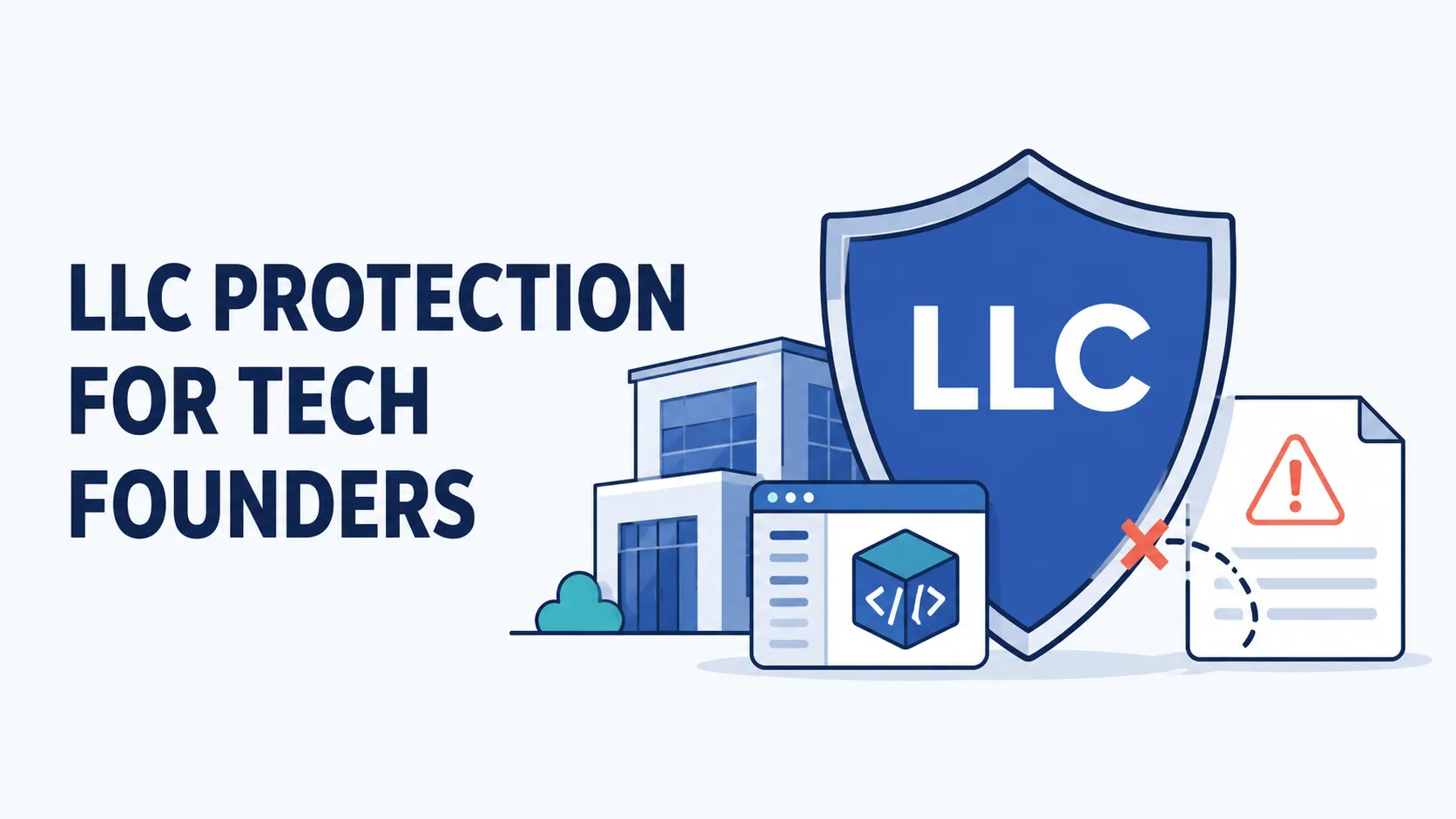
Many startup owners choose to establish an LLC. This vehicle enables a separate legal entity to be created and helps with contracts, banking, financial organization, and daily operations. Furthermore, an LLC can aid in future growth.
Not everyone wants to deal with the forms. A service like LegalZoom can handle it, though it pays to see the pros and cons before you commit.
Handling administrative tasks is also important. An Employer Identification Number (EIN) is needed for banking, taxes, payroll, and other financial matters. A registered agent receives official legal and compliance documents for the company, making sure important notices are managed properly.
Setting up these administrative basics early on can help you remain organized as you develop your products and expand your customer base.
Understanding the Role of an LLC
Founders should know what an LLC is meant to do within the overall structure of a business.
An LLC creates a legal entity that is separate from its owners. To keep that separation, you need to follow good business practices, like keeping financial records organized, using proper documentation, and separating personal and business activities.
An LLC doesn’t mean you don’t have to follow the law, maintain product quality, or address customer concerns. Product development, regulatory compliance, and managing operations are important throughout your company’s life.
Seeing an LLC as just one part of your overall business strategy can help you make better decisions as your company grows.
Reduce Product Liability Through Better Development Practices
Good development practices lead to better products and help prevent avoidable problems.
It’s a best practice for a tech company to have structured processes for the following things:
- Product testing
- Quality assurance
- Security reviews
- Version control
- Bug tracking
- Release documentation
These practices create consistency during development and make it easier to find, investigate, and fix issues.
Additionally, it’s always wise to keep thorough documentation about all of your internal processes. This helps development teams get insight into how decisions were made, what changes have been implemented, and how to handle updates that come down the line in the future. Organized development processes support ongoing improvement throughout the product’s life.
Prioritize Using Clear Customer Agreements
Customer agreements set clear expectations between your company and its users. As your technology business grows, these documents become an even more important part of daily operations.
Depending on the product, important documentation in your business might include:
- Terms of service
- Software licensing agreements
- Privacy policies
- Acceptable use policies
- Service agreements
Clear agreements help explain how the product should be used, outline customer responsibilities, and share important policies. Reviewing these documents regularly also lets businesses update them as products, services, and regulations change.
Good communication builds stronger customer relationships and supports consistent business operations.
Protect Your Intellectual Property and Internal Processes
Tech companies often develop valuable intellectual property before they realize how important it is.
Software code, APIs, proprietary algorithms, technical documentation, branding, and internal processes all add to your company’s long-term value. Therefore, they need to be kept under a proverbial lock and key.
Whenever multiple founders, contractors, or outside developers have a hand in creating your product and bringing it to market, ownership should be clearly defined. Use written agreements to set expectations. This will reduce uncertainty about IP rights and who owns what.
Keeping your documentation organized also helps with future business opportunities, such as partnerships, investment talks, and expansion.
Your Operational Systems Should Support Growth
As customer demand grows, technology companies often find that operational systems are just as important as product development.
Areas that benefit from documented processes include:
- Financial recordkeeping
- Customer support procedures
- Compliance documentation
- Incident response planning
- Internal operating policies
Well-organized systems improve consistency across the business and make it easier to onboard employees, manage customer relationships, and handle operational challenges.
Strong internal processes also give leaders better insight into how the business is performing and where improvements may be needed.
Protect the Business as Carefully as the Product
Building a successful technology company takes careful planning beyond just product development. A strong legal and administrative foundation helps support the business as customers, revenue, and responsibilities grow.
Everything we have covered in this article helps build that foundation. When combined with careful product development, strong customer agreements, and ongoing operational oversight, these elements help position a technology business for sustainable growth and support the responsibilities that come with launching new products.

.webp)