



The evolution of online auctions has changed the way that buyers and sellers connect through digital auction sites. eBay is by far the most recognized auction website, with millions of listings every day, and growing in categories such as Trading Cards, Electronics, and Collectibles, among others.
In addition to this growth of eBay, the Securities and Exchange Commission is investigating Black Market Goods for fraud. As eBay continues to experience growth, the challenge of maintaining the safety and security of online transactions. To accomplish this, the eBay system must incorporate, balance, and incorporate elements of real-time bidding speed, real-time fraud prevention, the integrity of the reputation system, and the ability to process payments efficiently and stably. The eBay auction site supports many different types of auctions, including Buy It Now, Proxy Bidding, Reserve Price Listings, and Timed Auctions.
eBay also provides numerous Automatic Bidding Tools, including Snipe Tools, Bid Increment Automation, etc. When utilized, these Automatic Bidding Tools can result in a form of Fraud called "Shilling" or "Sheltering" and/or "Siphoning" of bids; therefore, the eBay system has developed a Risk Management Process to mitigate these types of fraud.
Key takeaways
- eBay’s auction system depends on fast, real-time bidding and automated bid logic.
- Testing ensures reliability, accuracy, and performance during high-traffic bidding.
- Online auctions face major fraud risks like shill bidding and account misuse.
- Performance and scalability testing keep the system stable during bidding spikes.
- Strong fraud detection and secure payment systems protect users and maintain trust.
How Online Auctions Work on Modern Digital Auction Platforms
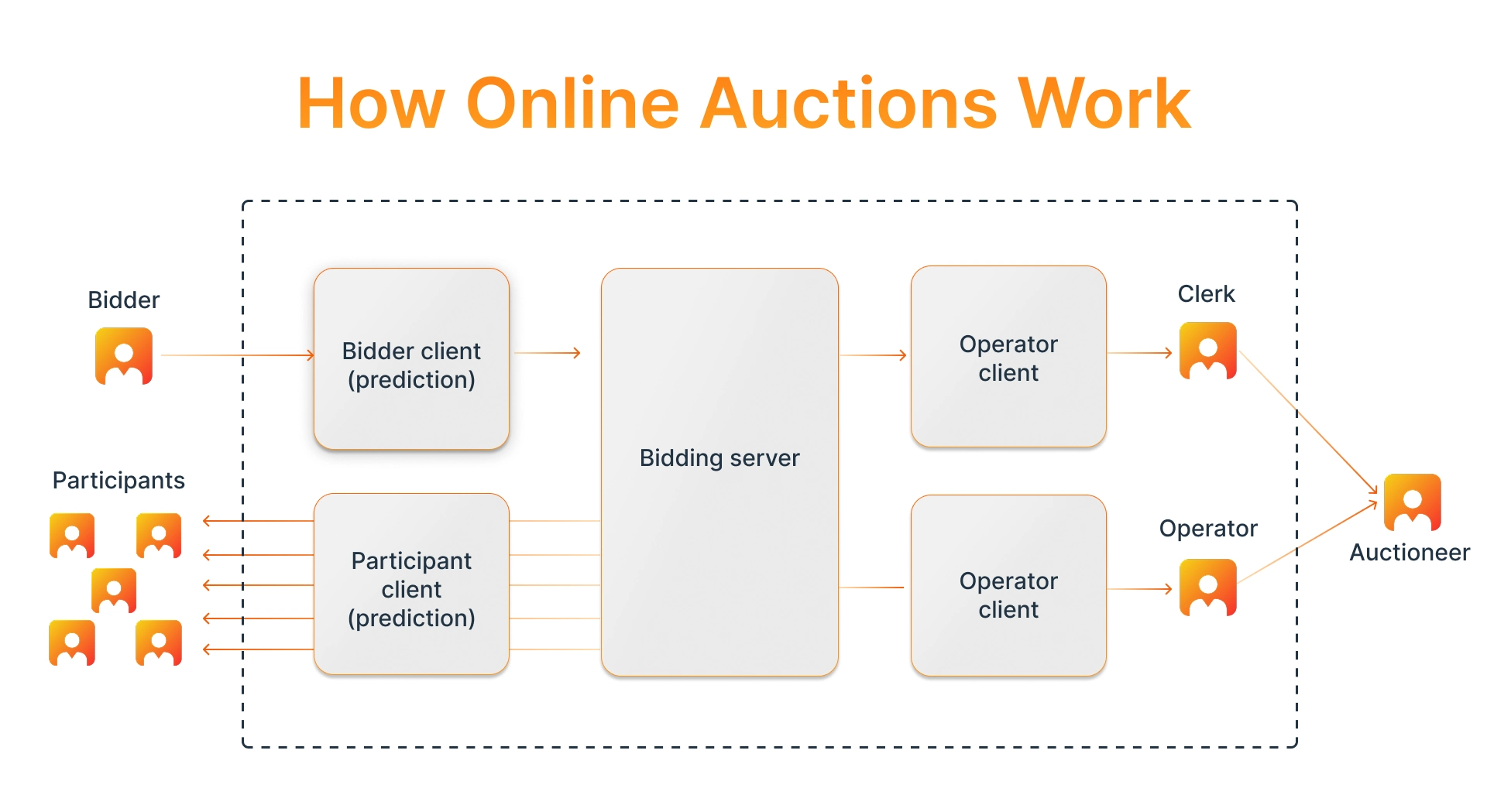
In an eBay real-time auction, each time a bidder places a bid, the system instantly executes the multiple checks associated with that bid, such as a maximum bid limit, the minimum increment, and any updates that may occur with the current price. eBay uses automated bidding, proxy bidding, and sniping tools within a strict set of rules in place to ensure that phony auction listings, hackers using hijacked accounts, and bidders who take advantage of non-satisfactory processes do not occur.
The bulk of the activity in some of the most competitive auction categories, such as eBay cards, makes it necessary for eBay to put into place very strong fraud prevention tools. eBay has developed an extensive network of fraud detection tools to monitor customer behavior on an ongoing basis, establish fraud solutions, and detect likely eBay bidding bot activity, as well as to monitor user verification and risk mitigation processes.
Encrypted payment gateways that secure online transactions enable a safe checkout experience. Finally, an eBay feedback system enables the development of customer relationships by building trust and bolstering eBay's market integrity.
Why Testing Is Critical for Auction Platforms
Testing allows for the continued proper operation of an eBay-like auction site during significant events when demand overwhelms the system, as evidenced by events like GITEX Global 2025 and other large sale events. There are a variety of vulnerabilities to both average users and business owners, which may result in loss of reputation and financial harm due to detection failures, fraud, delayed bid updates, or payment gateway errors.
- Ensures system stability during peak demand and rapid-fire bids.
- Protects users against auction fraud, shill bidding, and post-auction fraud.
- Validates compliance with security systems and contractual obligation rules.
Core components of eBay’s real-time auction architecture
High-speed nidding engines and listing management systems are just two examples of the infrastructure behind the eBay action architecture. Additionally, eBay has secured the transaction by implementing numerous other services, including search and discovery platforms, AI recommendation systems, and payment processing platforms.
All of these technologies work together to provide real-time information about the bidding process (i.e., bid increment logic, eBay's automatic bidding triggers, and updates to the current price), as well as to ensure that online transactions on eBay are secure through the use of reputable payment providers and reputation stacking protections for sellers.
The use of indexing services allows users to quickly obtain the best auction listing search ranking, and services such as the Global Shipping Program, Category Hierarchy, and My eBay Dashboards give users immediate access to the various auction listings available on eBay. The eBay action architecture uses artificial neural networks and pattern detection techniques to continuously monitor trading activity and detect potential fraud.
Key risk in real-time auction systems
Many risks associated with real-time auction systems include shill bidding, pre-auction fraud, fraud in escrow, as well as the use of eBay's bidding bot tools to game the price-discovery process. Small delays in the system can result in significant risks when combined with automated bid technologies that enable a rapid rate of bidding, through reserve prices, duration of auctions, and rules regarding an auction's format.
- Bid shielding and siphoning attacks artificially distort competitive fairness.
- Skewed distribution in transaction data complicates concept drift detection.
- Criminal associates may exploit private listings or compromised accounts.

Real-time bid updates & event handling
With the presence of real-time bid updates, any place bid action that occurs will trigger an instant recalc of the system's Auto Bid Amount, Maximum Amount Limits, and Current Price Adjustments in the bidding engine. The event-based process supporting recalculation is dependent on triggers that provide minimal latency estimates while managing User Verification Data and Reputation System Metrics.
- Ensure fairness by preventing outdated bid information.
- Integrates scoring systems for fraud detection and trust management schemes.
- Supports cryptographic auction security and real-time detection features.
Functional Testing for eBay’s Auction System
Functional Testing ensures that each feature of the eBay auction model is functioning appropriately and will consist of multiple test cases. Some of these test cases will be as follows: Proxy Bidding, Reserve pricing, Buy It Now, Maximum bidding limits, and Auction Listing options will all be tested under many variations of conditions.
It is important to have all of these test cases properly validated in order to ensure that the eBay online bidding platforms perform the expected functionality without error, even in cases when users use a bid sniping strategy or rapid Place Bids. Validation of bidding process integrity can help protect against online auction fraud and abuse of reputation systems.
Proper testing of the auction management software will also ensure the secure processing of payments (incl. accurate account balances, transaction fees, integration with payment gateways, etc.). These functions are fundamental for providing safe online transactions.
Testing Proxy Bidding Logic
As part of the overall auction model on eBay, Proxy Bidding allows bidders to indicate the maximum amount they are willing to spend, with eBay automatic bidding systems submitting bids at regular increments based on the user's maximum. Testing ensures that eBay's automatic bidding process will always work as designed, regardless of the amount of the user's maximum bid and any changes to the minimum amount or other auction format requirements.
- Validates correct bid increment calculations.
- Ensures the automatic bidding engine respects all bid limits.
- Confirms proper user notifications during outbid events.
Outbid Notifications & Real-Time Updates
When a user bids higher than you, you need to be immediately notified of the outbid via the eBay auction website, as well as within the "My eBay" section of both Developer ventures: desktop and mobile interface designs. Through testing, it has been established that by continuously updating the system at a fast rate, we will always provide you with up-to-date and reliable outbid information, especially during those "bidding frenzy" moments or "last-second" bidding.
- Guarantees consistent syncing across devices and user roles.
- Prevents delayed alerts that could affect bidding behaviors.
- Ensures fairness in the bidding mechanism and real-time bidding flow.
Real-Time Bidding Performance Testing
Testing the performance of Online Auction Sites assures that the Online Auction Site continues to operate smoothly at times of high bid volume and the surges of last-second bidders. This testing assesses how well the Online Auction Site's systems are able to process Automatic_Bids, manage Sniping, calculate Bid_Increments, and re-calculate the Current_Price while allowing for the mitigation of delays due to system degradation.
Performance testing of the back-end components unique to the Online Auction Site (Bid Engine, Search and Discovery tools, Payment Gateway services) under loads helps ensure safe online transactions while reducing the potential for damage from Auction_Fraud, PostAuction_Fraud, and failed bid processing that occurs during periods of high-volume activity.

Load Testing with High Bid Volume
Testing the load simulates concurrent user participation from 1 to thousands across multiple sale formats, including Buy It Now, Reserve Price, and Proxy Bidding, to validate the real-time processing of bid updates and User Actions for the Sale under peak traffic conditions.
- Measures system response times for place bid actions.
- Evaluates the scalability of the real-time bidding engine.
- Detects potential bottlenecks in auction listing updates and feedback system synchronization.
Stress Testing During Final Seconds of Auctions
Stress Testing examines aspects of auction duration that are prone to bid sniping, bid shielding, and last-minute bid increases when bidding time is closing in at the tail end of an auction. Bidding through automated systems like Bid Butler, automated bidding tools (such as those available on eBay), must also be tested to verify adherence to eBay auction regulations and eBay's secure payment methods used by buyers.
- Checks real-time bid update accuracy
- Verifies minimum bid increment enforcement
- Monitors transaction DB for anomalies or failed bids.
Scalability Testing for Peak Traffic Events
Scalability testing is performed to ensure that a digital auction platform will be able to handle unexpected increases in user participation that may occur due to worldwide sporting events, GITEX Global 2025 exhibitions, and highly sought-after Trading Cards auctions.
The process includes performing tests on the various features of the Auction Engine, Recommendation Engine, Mobile-Optimized Sites, and reputation/review system when there is increased stress from usage.
Providing scalable infrastructure helps reduce the likelihood that auction fraud will occur, decreases the potential for the system crashing, and ensures that all user transactions are protected while participating in online auctions under the most demanding conditions. Bid automation, real-time updates to bids, and Performance of the bidding engine are also tested during these events.
- Confirms the reliability of secure payment systems and payment processing.
- Assesses the auction management tools and listing management services.
- Supports risk management process for large-scale auction platforms.
Fraud Prevention Mechanisms in eBay’s Auction System
Preventing fraud is crucial for eBay in the context of online auction systems. The main means of fraud prevention for eBay include User Verification, Pattern Analysis, Anomaly-Based Intrusion Detection (IDS), and Adaptive Fraud Detection Systems (FDS). Each of these tools helps in detecting fraudulent transactions and online auction scam detection.
Real-time detection, Cryptographic auction security, and agent-based trust modeling have significantly decreased the number of fraudulent auction activities, including Shill Bidding, Bid Siphoning, Fake Auctions, Escrow Fraud, and Post Auction Fraud.
The Reputation System, Feedback System, and Feedback Scores of users are also utilized to prevent auction fraud and to track down potential criminal associates and/or attempts to undermine other users' accounts through multiple uses of a single user ID.
Secure Identity Verification & Automated Fraud Alerts
Identity verification ensures that users adhere to eBay auction rules while minimizing risks of auction fraud. Automated fraud alerts watch bidding behaviors, user roles, and suspicious activity patterns in real-time. They support trust management schemes and anomaly-based detection.
- Confirms user verification integrity.
- Alerts administrators about unusual bidding patterns.
- Protects auction platforms from reputational damage
Testing Fraud Prevention Components
Testing the Fraud Prevention components confirms whether or not the mechanisms developed for the detection of Auction Fraud, Post-Auction Fraud, Shill Bidding, and Bid Shielding are functioning properly. Pre-Auction Fraud and Victim Sphere scenarios have been created in the System to verify that the detection algorithms work in real-time, and Adaptive FDS adjustments can be made based on those detections. As well, the status of the feedback reputation system enforcement can also be assessed through the use of the Test Framework.
With the cryptographic auction and trust management schemes verified, the secure payment systems will have been tested to ensure that a financial loss or reputational harm due to an unsafe online transaction will not occur.
Validating Shill Bid Detection Logic Using Test Data
The identification of shill bidding is done through pattern-based or anomaly-based intrusion detection, and analysis using decision trees and data mining techniques. These processes are designed to identify collusion or manipulation of auction participants and activities by using a sample of data that is separate from actual auctions to allow appropriate competitive bidding by all legitimate bidders while flagging suspicious activity.
- Confirms automated system detects repeated shill bidding attempts.
- Tests agent-based trust and adaptive FDS under simulated fraud scenarios.
- Validates feedback system adjustments for dishonest participants.
Security Testing: Protecting Payment & Identity Data
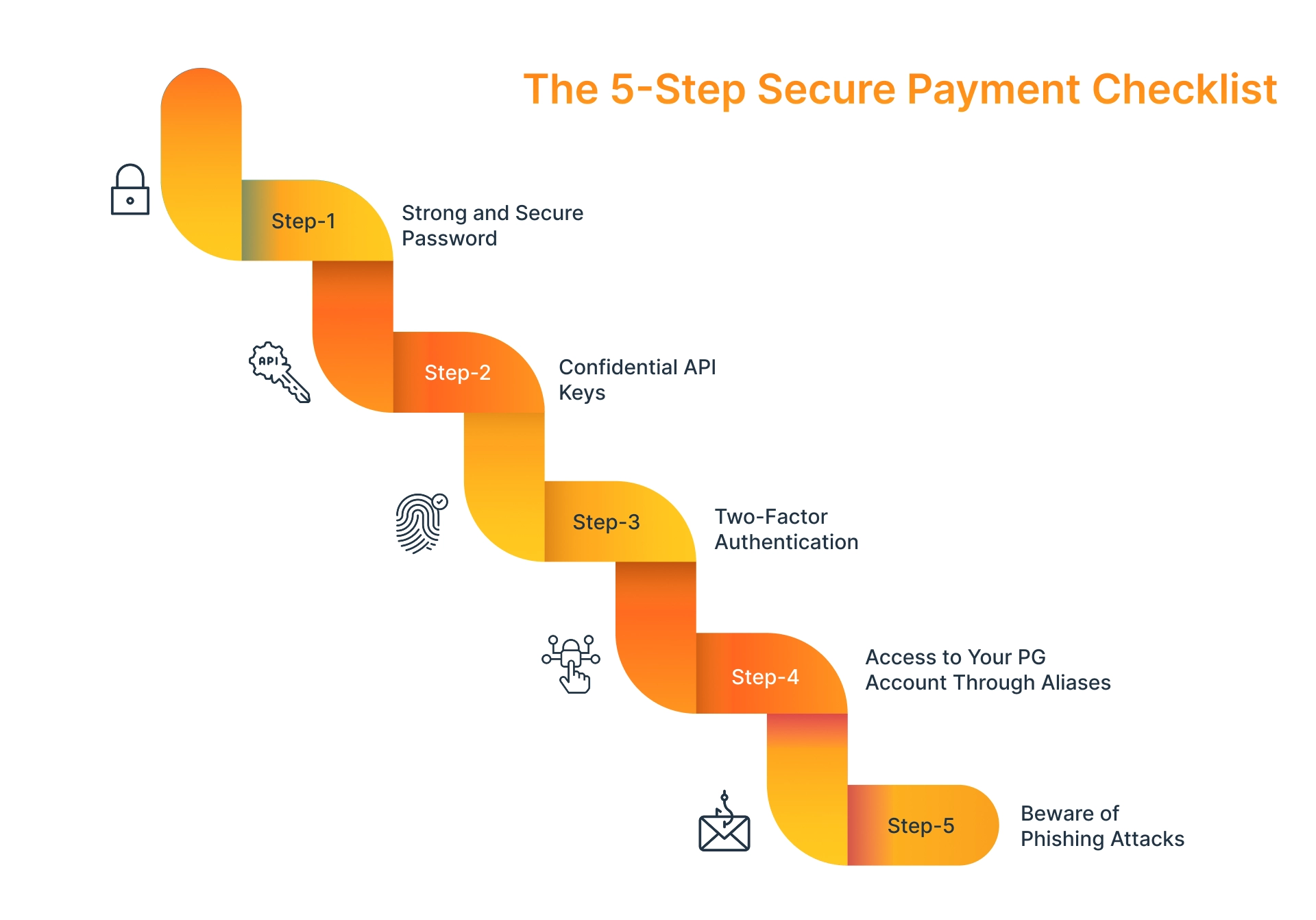
Security testing ensures all payment methods, payment gateways, and transaction fees are protected from fraud or data breaches. Cryptographic auction security, secure payment systems, and escrow mechanisms safeguard users during online bidding.
- Validates secure handling of shipping address and payment information.
- Ensures compliance with auction site security systems and data protection policies.
- Prevents exploitation of vulnerabilities in auction listing or payment processing.
Tools & Technologies Used for Testing Online Auction Systems
There are two types of eBay auctions: automated and manual. Automated tools that assist bidders are typically utilized to verify real-time bidding on auctions, monitor for fraudulent use, and determine performance. AI-driven recommendations represent one of the automated tools utilized by bidders.
Anomaly-based monitoring systems and supervised classification models, such as support vector machines (SVMs) and artificial neural networks (ANNs), also feature prominently in these systems; such automated bidding simulators run simulations for bidder transactions in order to match them with the relevant databases. There are also a variety of other technologies that can be leveraged to help protect online auctions.
For example, concept drift detection, cryptographic auction schemes, auction management tools, indexing services, and search ranking engines all play a role in helping to secure auctions from malicious activity. Additionally, these technologies also assist in enforcing the rules governing how eBay will operate with respect to each of the different types of auctions.
- Supports real-time detection of bidding fraud and auction scams.
- Ensures reliable execution of Proxy Bidding, automatic bidding, and sniping tool simulations.
- Integrates scoring systems and a feedback reputation system for reputational integrity.
Conclusion - Importance of Continuous Testing in a Dynamic Auction Ecosystem
The ongoing process of testing within the eBay auction environment allows for continued support of a safe and secure online auction environment. Proxy Bidding, Reserve Price enforcement, and Buy It buy-it-now transactions are examples of how this process is able to validate the integrity of the auction environment.
Examples of how eBay's testing processes verify that the above functions are being executed accurately are through Peak Volume bidding performance testing, which provides eBay with the needed confidence in its ability to manage peak bidding volume and reduce Fraud, Shill Bidding, and Post-Auction Fraud. The ability to provide Real-Time Bid Updates, Automated Bidding Systems (ex., Bid Butler), and Sniper Tools through a Feedback System and Reputation System allows for an environment of Fair Play and trust between eBay's users.
Furthermore, eBay uses Advanced Fraud Detection techniques to protect users from online fraud, as well as Secure Payment Methods, User Verification, and Cryptographic Security for all online auction transactions. Pattern Analysis allows eBay to protect its users from becoming victims of Internet Auction Scams, thereby protecting the reputation of eBay.
Patterning with Frugal Testing specializes in robust functional testing solutions and sophisticated Selenium automation testing services to guarantee quality. Alongside us, BuildNexTech excels at creating powerful digital foundations through custom software development company expertise and dedicated mobile app development services. This collaborative approach means that while BuildNexTech develops your high-impact SaaS application testing company, Frugal Testing is there to ensure its performance is perfected, closing the loop on innovation for reliable, exceptional market delivery.
People Also Asked - (FAQ’s)
1. Is auction sniping illegal?
No, auction sniping is generally legal. It’s a strategy to place bids at the last moment to win, and while some platforms discourage it, it’s not against the law.
2. What kind of auction system does eBay use?
eBay uses a proxy bidding system. You set your maximum bid, and the system automatically increases your bid incrementally to keep you the highest bidder.
3. Can eBay detect shill bidding?
Yes, eBay monitors bidding patterns and account activity to detect shill bidding, which is when sellers or accomplices artificially inflate prices.
4. Does eBay prevent bid sniping?
No, eBay does not prevent sniping. However, its proxy bidding system ensures fairness by automatically placing incremental bids up to a user’s maximum.
5. What is a sniping tool for eBay?
It’s software or a service that automatically places a bid in the final seconds of an auction, increasing your chances of winning without manual last-second bidding.

.webp)


.webp)