

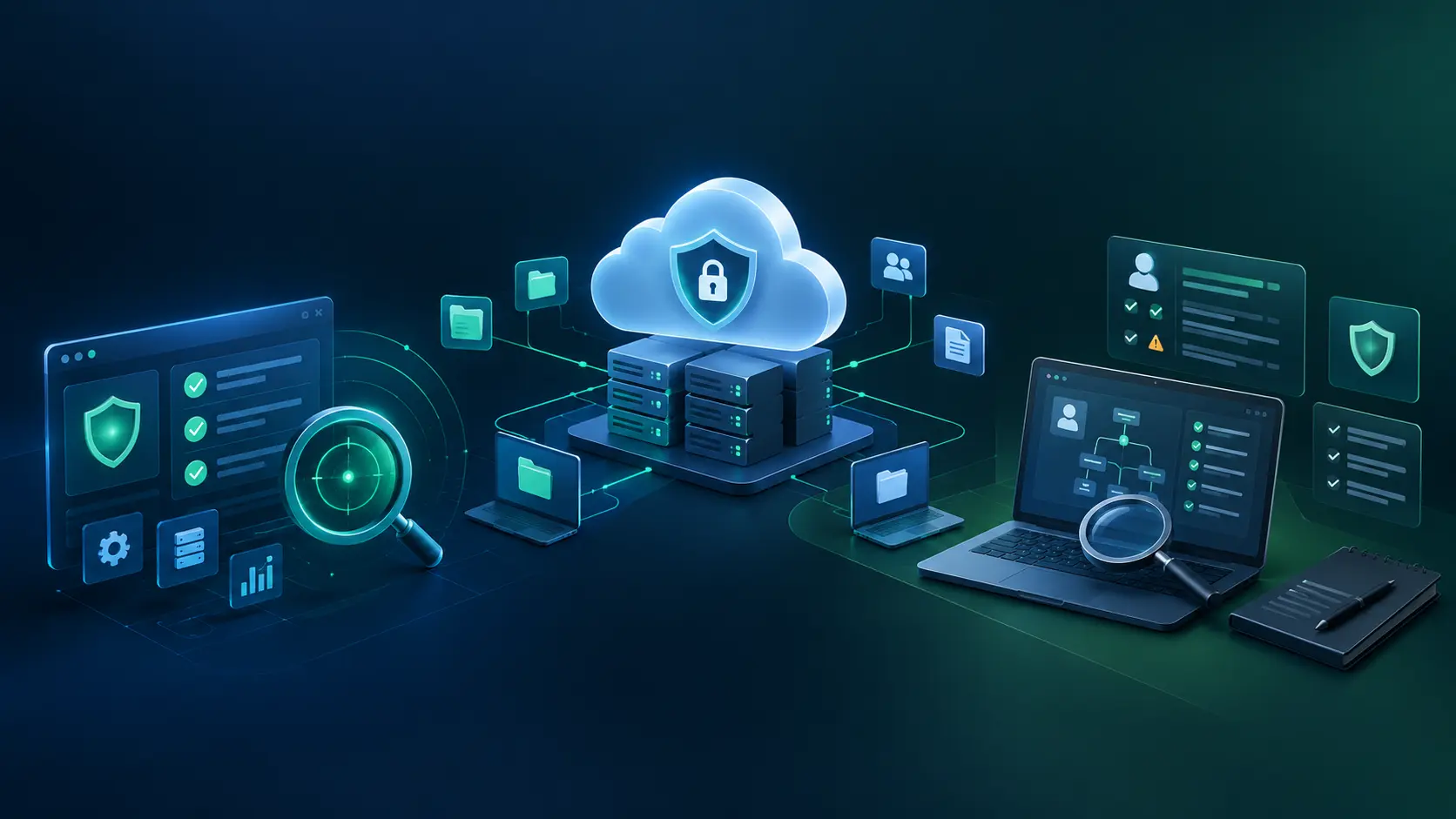
Cloud workspaces have transformed howteams work. Files are shared across platforms, employees connect from different locations and new applications can be addedin a few clicks. That flexibility is valuable, but it also creates a movingtarget for security teams. A cloud environment can change several times in asingle day, which means security testing needs to look beyond a one-off audit.For a software QA and testing company, this is where automated detection andmanual security auditing become especially useful. They serve differentpurposes, and bringing them together creates a much stronger way to assesswhether a workspace remains secure as it evolves.
Automated Detection Keeps Watch Between Audits
Automated detection is particularlyeffective for the repetitive checks that need to happen frequently. A testingsolution can assess configurations, access permissions, authenticationcontrols, exposed resources and other predefined security conditions withoutrequiring a tester to inspect each setting by hand. This helps teams identifyconfiguration drift when changes move an environment away from an approvedbaseline.
That matters because cloud workspaces arerarely left untouched for long. A new application gets connected, an employeereceives broader permissions, a developer changes a setting duringtroubleshooting or an account remains active after someone leaves the business.Each change can introduce a security concern. Automated testing gives QA teamsa consistent way to identify these changes and raise findings early, beforethey become buried beneath the normal pace of development and administration.
Manual Auditing Brings Context to the Findings
Automation is excellent at consistency,but it cannot always understand why a particular weakness matters to thebusiness. Manual security auditing brings experienced testers into the processto investigate the relationships between systems, permissions, applications anduser behaviour. This is especially important when testing authentication flows,privilege boundaries and business logic. A workspace can pass several automatedchecks while still containing an unexpected route through a combination of otherwiseacceptable permissions. A skilled tester can follow that route, challenge theassumptions behind the controls and explore what happens when a user behavesoutside the expected workflow.
That investigative approach is closelyaligned with strong software QA. Testers are already trained to look beyond thehappy path, explore edge cases and find behaviour that does not match theoriginal expectations. Applying the same thinking to cloud security can revealweaknesses that a rule-based security check has no reason to explore.
Test the Workspace Like a Real User
A valuable security assessment should notstop at asking whether the correct setting is enabled. It should also examinewhat a user can actually do once they are inside the environment. Testers canassess scenarios involving different account types, permission levels,authentication methods and connected applications. They can examine whether astandard user can access information intended for administrators, whether anaccount with excessive privileges can affect sensitive resources and whethersecurity controls continue to work when several services interact.
This is where automated and manualapproaches complement each other particularly well. Automation can quicklyidentify accounts, permissions or configurations that deserve attention, whilemanual testing can explore how those elements behave together. The combinationprovides a much clearer view of practical risk than either approach providesalone.
Account for Unusual Account Activity
Cloud security testing also benefits fromconsidering situations where activity begins through a legitimate user accountbut does not follow the usual pattern. Business Email Compromise is a usefulexample because an account can sometimes be used in unexpected ways, such aschanging forwarding settings, accessing information outside normal routines orsending messages that do not fit established patterns. This makes BEC security relevant to cloud workspacetesting, as QA teams can assess how identity controls, activity monitoring,application permissions and mailbox settings respond when account behaviourchanges.
The goal is simply to check that theright safeguards are working as intended. By testing these scenarios in acontrolled environment, organisations can improve visibility around unusualaccount activity, fine-tune their settings and give teams a clearerunderstanding of how their cloud workspace responds to changes in normalbehaviour. For a QA and testing company, this is another valuable opportunityto apply structured testing principles to everyday cloud security and helpensure that safeguards continue to perform as expected.
Give Automation and Manual Testing Different Jobs
The strongest testing strategy does notask whether automation or manual auditing is better. It gives each approach thework it handles best. Automated checks are ideal for scale, repetition andcontinuous assessment. They can run regularly, compare environments againstdefined requirements and flag changes without consuming large amounts of testertime. Manual assessments are better suited to complex investigations, unusualattack paths and situations where professional judgement is needed to understandthe significance of a finding. For a QA and testing company, this division canalso make security testing more efficient. Testers spend less time repeatedlychecking straightforward conditions and more time investigating the areas wheretheir expertise can uncover something genuinely unexpected.
Make Security Part of Continuous Quality
A practical approach is to establishclear security requirements, automate the checks that can be reliably repeatedand use manual testing for deeper assessments of higher-risk areas. When anissue is discovered and fixed, it should also be retested so teams can verifythat the change solved the original problem without creating another oneelsewhere. That is the real advantage of combining both approaches. Automateddetection provides the ongoing visibility, while manual auditing provides thecuriosity and judgement needed to investigate what the numbers and alertsactually mean. For modern cloud workspaces, security becomes much stronger whenit is treated as an ongoing quality process rather than a box that gets tickedonce a year.



.webp)