

Overview of the fintech and banking ecosystem
The fintech and banking ecosystem has undergone a massive digital transformation over the last decade. From mobile banking and digital wallets to Open Banking APIs and real-time payment processing, financial services are now deeply embedded in cloud-based platforms and interconnected systems. Fintech companies, traditional banks, payment gateways, and third-party API providers operate in a tightly coupled financial technology sector where speed, innovation, and scalability are business-critical.
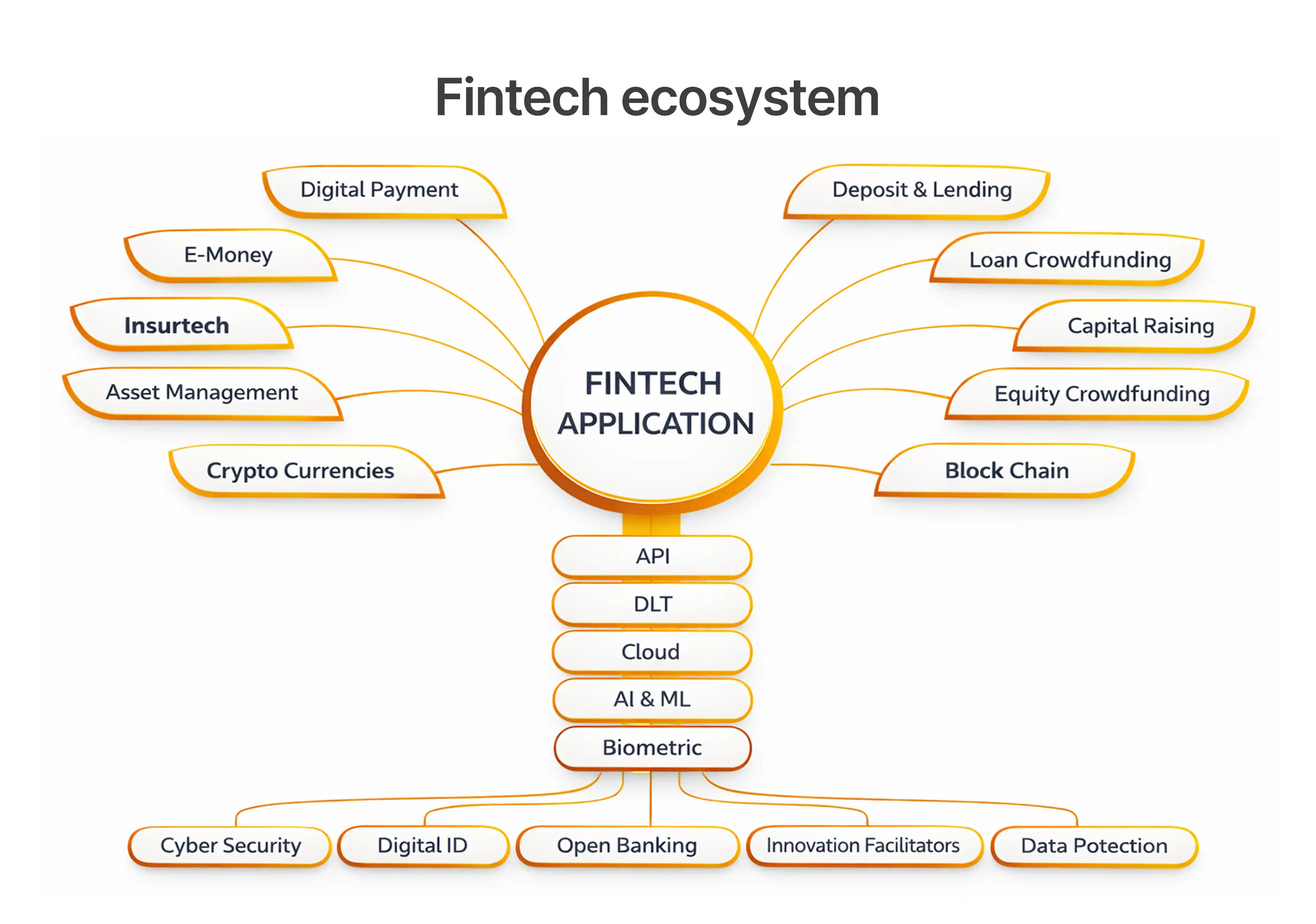
- Rapid adoption of mobile banking and digital banking platforms.
- Increased reliance on APIs, cloud security, and third-party integrations.
- Expansion of fintech startups into lending, invoicing software, and peer-to-peer platforms.
This innovation-driven ecosystem creates immense value but also increases cyber risks. As banking applications and fintech apps grow more complex, security testing becomes essential to identify security gaps before attackers exploit them.
Table: key tools and approaches QA teams use for fintech apps
Importance of security testing for trust and compliance
Customer trust is the foundation of the financial services industry. Users trust banking apps and financial applications with sensitive customer data, including personal data, financial data, and banking credentials. Any failure in application security testing can result in massive data breaches, regulatory penalties, and permanent brand damage.
- Security testing validates security requirements before production releases.
- Compliance testing ensures alignment with PCI DSS, ISO 27001, and regulatory frameworks.
- Strong security controls protect customer experience and transaction security.
At Frugal Testing, security testing is treated as a trust-building exercise, not just a technical task. A proactive security testing strategy reassures customers and regulatory bodies that financial data is protected end-to-end.
Growing cyber threats targeting financial applications
The financial industry is the most targeted sector for cyber threats. Hackers actively exploit API vulnerabilities, weak authentication mechanisms, and business logic flaws in fintech software and banking applications. Attacks such as phishing attacks, ransomware attacks, malware attack campaigns, and DDoS attacks have increased significantly.
- Identity theft and money laundering schemes target payment processors.
- API exploitation and shadow APIs expose backend systems.
- Massive data breaches impact financial institutions globally.
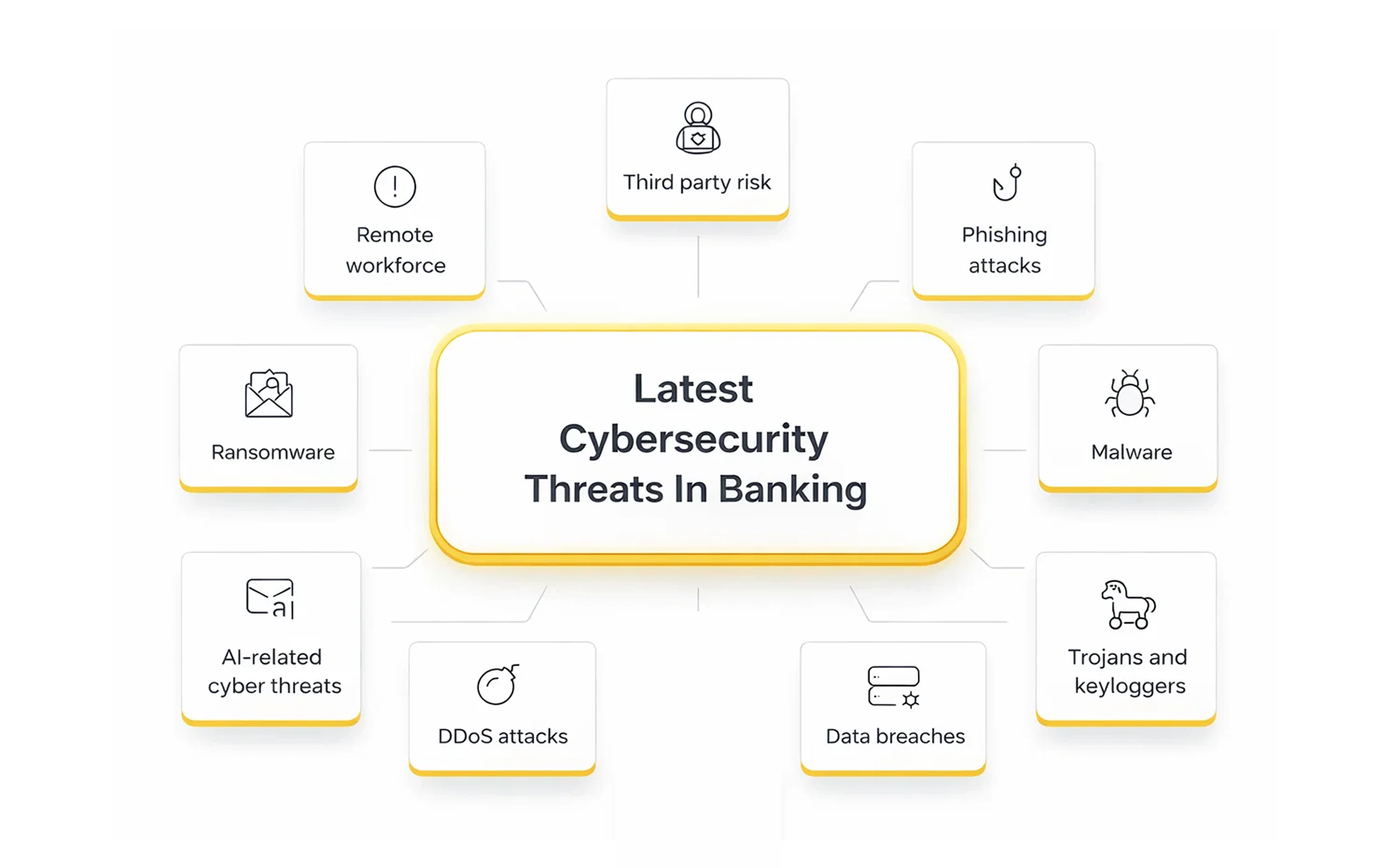
These growing threats make security testing a continuous necessity rather than a one-time effort.Beyond application-level testing, financial institutions are increasingly investing in owned SIEM and SOC infrastructure to enable continuous, real-time threat detection, closing the gap between a vulnerability being tested and an attack actually being caught in production.
Understanding Security Testing in Fintech
What is security testing and why it matters in fintech
Security testing is the process of identifying vulnerabilities, misconfigurations, and security gaps within fintech apps, banking apps, APIs, and cloud-based platforms. Unlike traditional software testing, security testing in fintech must account for transaction security, regulatory regimes, and real-time threat intelligence.
- Application security testing focuses on web testing, mobile testing, and API testing.
- Pen testing simulates real-world hacking scenarios.
- Security testing protects customer data and financial transactions.
In fintech companies, even a small vulnerability like SQL injection or improper JWT tokens handling can expose millions of users. This is why security testing is mission-critical for fintech app security.
Role of security testing in regulatory compliance
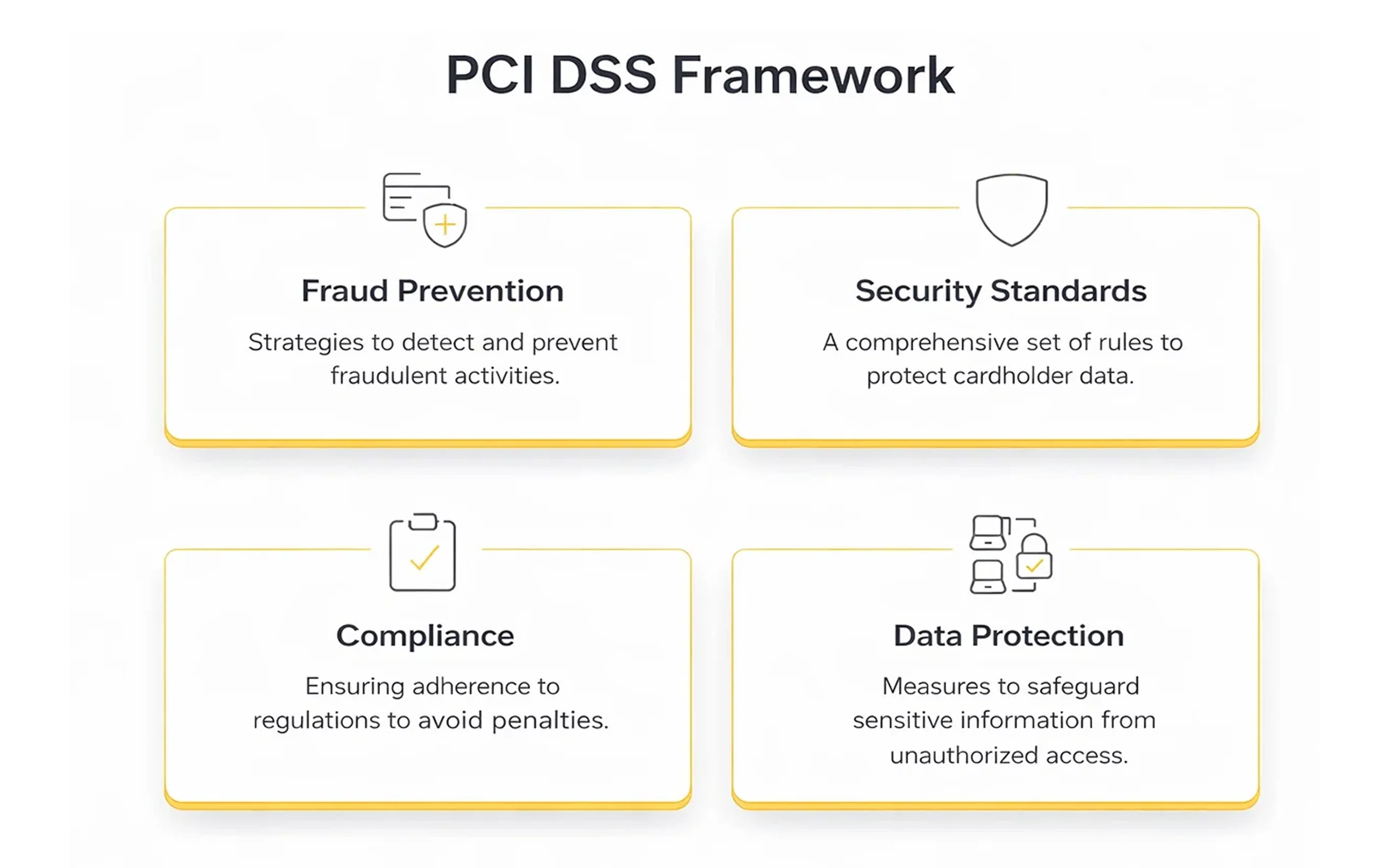
Regulatory compliance is a non-negotiable requirement in the financial technology solutions landscape. Regulatory bodies mandate strict data protection and security measures to protect banking data and financial data.
- PCI DSS governs payment processing security.
- ISO standards such as ISO 27001 ensure information security management.
- Regulatory frameworks enforce privacy and security controls.
Security testing helps fintech startups and banking applications demonstrate compliance, reduce regulatory penalties, and meet audit expectations across multiple regulatory landscapes.
Key security testing types used in fintech
Fintech software relies on multiple layers of security testing to ensure resilience against cyber risks. Each testing type addresses specific attack vectors and security requirements.
- Penetration testing and pentesting services.
- Application security testing and regression testing.
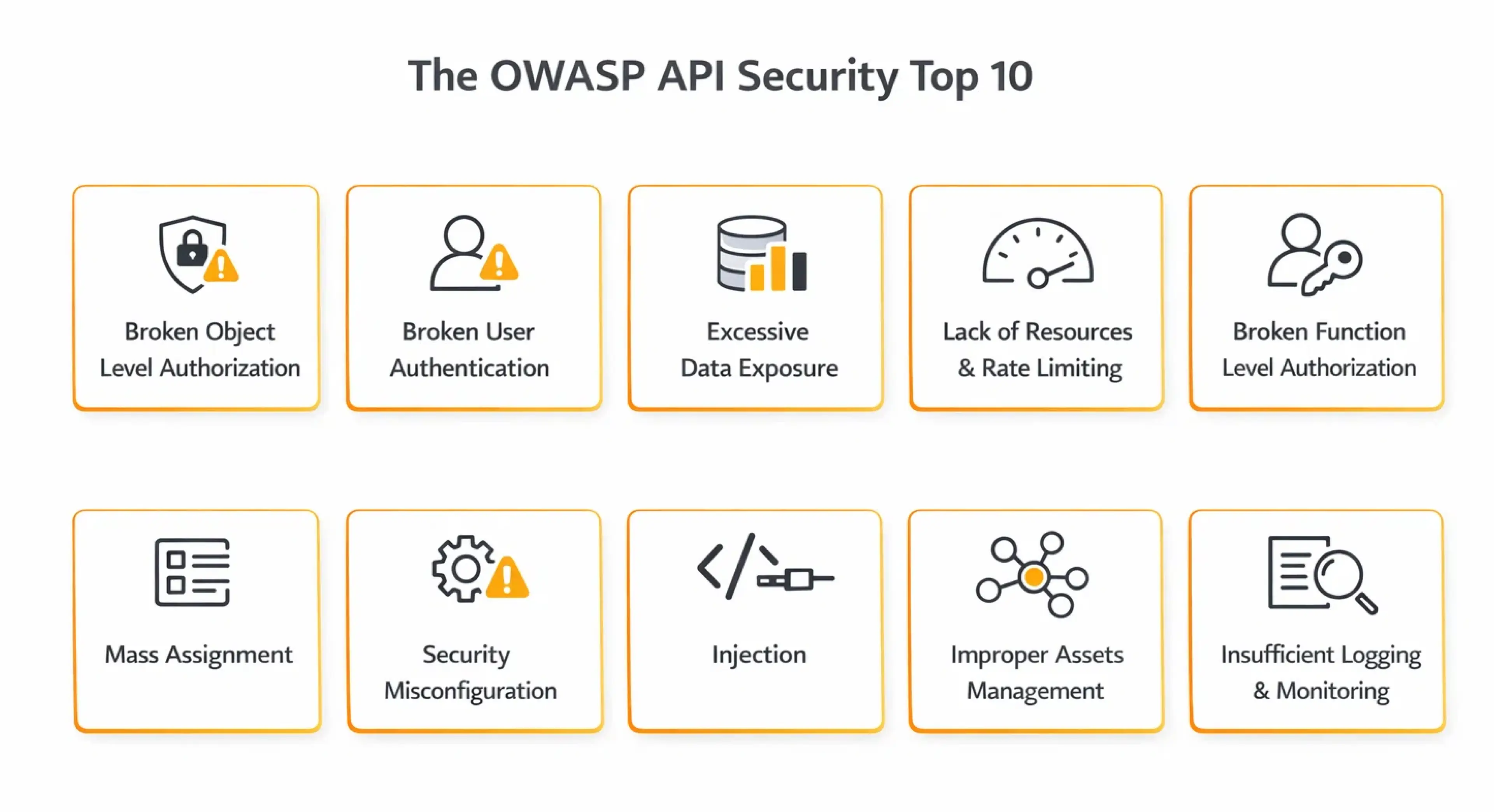
- API security testing aligned with OWASP API Security Top 10.
A layered security testing approach ensures both functional and non-functional risks are addressed before deployment.
Unique Security Challenges in Fintech and Banking
Evolving cyber threat landscape
The cyber threat landscape evolves faster than traditional security models. Hackers use advanced hacking tools, AI-driven models, and automated hacking software to identify weaknesses in real-time payment mandates and digital banking systems.
- AI-powered phishing attacks and credential stuffing.
- Exploitation of multi-cloud strategy misconfigurations.
- Targeted attacks on payment gateways and Open Banking APIs.
Security testing must evolve continuously to counter modern attack techniques and emerging cyber threats.
Increasing hacking and fraud attempts
Fraud detection is a constant challenge in fintech apps and banking applications. Fraudsters exploit weak authentication, poor API security, and delayed transaction monitoring to bypass security measures.
- Account takeover via identity theft.
- Payment fraud through compromised APIs.
- Real-time fraud detection challenges.
Security testing helps uncover these weaknesses early, enabling fintech companies to strengthen defenses before fraud impacts customers.
Risks to digital banking and payment systems
Digital banking platforms process millions of transactions daily. A single vulnerability in payment processing systems or banking apps can cause widespread financial losses and reputational damage.
- Transaction security failures during peak load tests.
- API vulnerabilities affecting payment processors.
- Third-party risks from external integrations.
These risks reinforce the need for continuous security testing across the entire financial ecosystem.
Application and API Security Testing in Fintech
Application security testing tools and techniques
Application security testing in fintech combines automated test automation tools with manual ethical hacking techniques. This hybrid approach ensures deep coverage across UI and UX tests, backend logic, and cloud infrastructure.
- Web testing for OWASP Top 10 vulnerabilities.
- Mobile banking app security validation.
- End-to-end testing and regression testing.
Application testing tools help identify application breaches before attackers exploit them in production.
Importance of API security in fintech applications
APIs are the backbone of fintech software, enabling Open Banking, payment gateways, and third-party API integrations. However, APIs are also the most exploited attack surface.
- API authentication failures using OAuth 2.0.
- Broken API authorization and excessive data exposure.
- Insecure API gateway configurations.
API security testing ensures APIs are resilient against API exploitation and shadow APIs.
Common API vulnerabilities and mitigation strategies
API vulnerabilities often stem from weak security controls and lack of continuous testing. Addressing these risks requires proactive API security tools and testing methodologies.
- SQL injection and business logic flaws.
- Insecure JWT tokens and weak TLS 1.3 enforcement.
- Missing rate limiting leading to DDoS attacks.
Regular API testing using OWASP API Security Top 10 guidelines significantly reduces these risks.
Role of Ethical Hacking and Penetration Testing
Ethical hacking in fintech security
Ethical hacking simulates real-world attacks to uncover vulnerabilities before malicious hackers exploit them. White hat hackers use controlled hacking techniques to test fintech app security safely.
- Controlled exploitation of security gaps.
- Validation of firewall configurations.
- Assessment of cloud security posture.
Ethical hacking provides actionable insights that automated tools alone cannot detect.
Benefits of penetration testing for financial applications
Penetration testing delivers real-world assurance that security measures work under attack conditions. It is a critical component of security testing for fintech companies and banking apps.
- Identifies critical security gaps.
- Improves incident response readiness.
- Enhances customer trust and regulatory confidence.
Pentesting services are especially valuable before major releases or regulatory audits.
White hat vs black hat hackers
Understanding the difference between ethical and malicious hackers helps organizations appreciate the value of security testing.
- White hat hackers improve security posture.
- Black hat hackers exploit vulnerabilities for financial gain.
- Ethical hacking neutralizes real-world threats.
Engaging ethical hackers transforms security from reactive to proactive.
Data Privacy and Security Compliance in Fintech
Challenges in protecting personal and financial data
Fintech applications handle vast amounts of personal data, customer data, and banking data. Protecting this information is a major challenge due to complex architectures and data lakes.
- Data encryption across storage and transit.
- Multi-factor authentication and biometric authentication.
- Secure handling of KYC verification data.
Security testing ensures privacy and security controls function as intended.
Impact of data privacy regulations on security testing
Data privacy laws such as GDPR and regional regulatory regimes directly influence security testing strategies. Non-compliance can result in severe regulatory penalties.
- Mandatory data protection assessments.
- Increased focus on privacy and security.
- Compliance with ISO standards and regulatory frameworks.
Security testing aligns technical controls with legal requirements.
Best practices for data security compliance
Achieving data security compliance requires continuous monitoring, testing, and improvement across fintech platforms.
- Regular security audits and compliance testing.
- Threat intelligence-driven testing strategies.
- Integration of security testing into CI/CD pipeline.
These best practices help fintech startups and banks maintain long-term compliance.
Conclusion: Advancing Security Testing for Financial Applications
Summary of key security testing challenges
Fintech and banking applications face unique security challenges due to complex architectures, regulatory pressure, and evolving cyber risks. From API vulnerabilities to fraud detection and data breaches, the attack surface continues to expand.
- Increasing cyber threats and hacking attempts.
- Complex compliance and regulatory landscape.
- Dependence on APIs and third-party integrations.
Addressing these challenges requires a comprehensive security testing approach.
Importance of robust security testing strategies
Robust security testing strategies protect financial applications from evolving threats while ensuring compliance and customer trust. Continuous testing, ethical hacking, and API security testing are no longer optional.
- Improves transaction security and reliability.
- Strengthens customer confidence.
- Reduces long-term security risks.
Security testing is an investment in business continuity and reputation.
Call to action for fintech security investments
As the financial technology sector continues to grow, proactive security testing is essential. Frugal Testing helps fintech companies and banking institutions build secure, compliant, and resilient financial applications through expert security testing services.
- Invest in comprehensive security testing.
- Strengthen defenses against modern cyber threats.
- Protect customer data and brand reputation.
Now is the time to prioritize security testing as a core pillar of fintech innovation.
People Also Ask (FAQs)
Q1.What is security testing in fintech applications?
Ans: Security testing in fintech applications evaluates systems, APIs, and financial apps to identify vulnerabilities, protect customer data, and ensure compliance with security standards like PCI DSS and regulatory frameworks.
Q2.Why is penetration testing important for fintech companies?
Ans: Penetration testing helps fintech companies identify real-world security gaps by simulating hacking attempts, reducing the risk of data breaches, fraud, and regulatory penalties.
Q3.What are common security threats faced by fintech applications?
Ans: Common security threats include API vulnerabilities, phishing attacks, identity theft, malware attacks, ransomware attacks, and unauthorized access to financial data.
Q4.How do data privacy laws affect fintech security testing?
Ans: Data privacy laws require fintech companies to implement strict data protection and security testing measures to safeguard personal data, customer data, and financial data.
Q5.What tools are used for fintech application security testing?
Ans: Fintech application security testing commonly uses tools like OWASP ZAP, Burp Suite, API security tools, penetration testing platforms, and automated application security testing solutions.