

San Francisco maintains its position at the forefront of global innovation and thereby, the best software testing companies in the USA are located there. This city has given rise to every imaginable startup—SaaS, fintech, the next AI generation. In a lightning-speed environment, it is unavoidable for the companies to release software that is usable. This is the point where manual software testing companies and QA testing companies come up with a very vital role of stability and quality ready for users’ applications.
Nevertheless, automation has its place, but what is manual testing is especially significant when it comes to validating the real-world workflows, usability, and accessibility. Noting this, machines just can’t match the judgment, experience, or gut instincts that real testers can provide. The top engineering teams in San Francisco acknowledge this—they routinely incorporate manual QA in their processes. This is the way through which they keep their products stable and their users satisfied.
One thing that really stands out about San Francisco’s tech scene: people here care about quality, precision, and creating products that feel good to use. Manual testers play a huge role in that. This is why Bay Area startups and enterprises continue to rely on trusted software testing service providers for consistent quality assurance. Whether you’re building a fintech platform, an AI tool, or a huge enterprise system, skilled manual QA makes your product stronger and way more likely to succeed.
To showcase your product’s reliability and polish, pair strong QA with a compelling campaign using an online ad maker that turns quality into clicks.
Key Features of Top Manual Testing Service Providers in San Francisco
Top manual testing service providers in San Francisco combine deep domain expertise, strong communication workflows, and modern QA methodologies. These companies play a critical role in supporting the Bay Area’s fast-paced digital economy by delivering functional testing services, regression testing in software, usability testing, and accessibility testing that align with global quality systems. With the rise of fintech, medtech, AI/ML, and enterprise SaaS, Bay Area businesses need QA partners who understand both technical quality systems and real user expectations.
Below are the three defining features that make San Francisco QA providers stand out.
Industry Expertise Across Fintech, Health Tech, and Enterprise SaaS
San Francisco’s full of tightly regulated financial platforms, healthcare products built around HIPAA, and huge SaaS apps. The best manual testing companies don’t stop at surface-level checks—they really get each industry, so everything stays compliant, fast, and actually works for people.
Industry experience changes the game for manual testing:
- In fintech,software testers dig into the details. They double-check security, walk through every transaction step by step, and keep a close eye on compliance—nothing gets by them.
- Health tech throws some different challenges at testers. Manual QA here means making sure the interface feels clear, patient data moves where it should, the numbers all check out, and everyone can actually use the product—no matter their abilities.
Skilled QA Professionals Familiar with Bay Area Product Standards
The best QA teams in San Francisco utilize highly skilled manual testers who are aware of the modern product expectations, quick release cycles, and agile workflows that are typical in the Bay Area. These experts provide their know-how in the following areas:
Types of manual testing such as smoke, sanity, and exploratory testing being some of the most common types
Regression testing process for software testing of rapidly changing SaaS products
Accssibility testing for WCAG and ADA compliance
Usually, these testers work hand in hand with the product managers, designers, and engineers to secure quality assurance services outcomes that meet the user-centric Silicon Valley standards.
Onshore + Hybrid QA Models for Faster Communication
Top manual testing service providers in San Francisco provide a variety of flexible engagement approaches, such as pure onshore QA teams and hybrid offshore/onshore combinations.
Leading software testing service providers offer flexible engagement models, including onshore and hybrid teams. This approach improves collaboration and reduces turnaround time for bug testing services, regression cycles, and sprint-based testing.
Some of the benefits of onshore and hybrid QA models include:
- Reduced risk of time zone interference with communication between QA and software testing professionals
- Improved turnaround for cycles of functional testing and regression testing
- Greater alignment with the pace of agile development in Silicon Valley
- This hybrid structure ensures dependable speed, accuracy, and transparency. Quality assurance services are kept at a high standard.
Types of Manual Testing That Improve Software Quality
Manual testing still stands as one of the most effective methods in software development testing to assure the quality of the software, particularly in the vibrant context of the technology industry in San Francisco.
Manual QA remains essential for uncovering real-world defects that automation misses. Understanding types of testing with examples helps teams apply the right QA strategy.
Functional Testing Explained With Examples
What is Functional Testing?
Functional testing is a type of testing that checks if an application's features meet the requirements. It is very important in manual QA since directly validating the end-user features' behavior is the main impact of the testing.
Some instances of functional testing are:
- Login and authentication testing – Confirming the correctness of the username, password, and validation messages.
- Form submission testing – Testing input fields, error handling, dropdowns, and so forth to be sure they are working fine.
- Workflow testing – Looking into different actions including those done during checkout or onboarding.
- API integration testing – Seymour-ing the data flow among the different modules.
These scenarios highlight the value of functional testing as a services delivered by a reliable functional testing company.
Regression Testing Processes and Tools
What is regression testing?
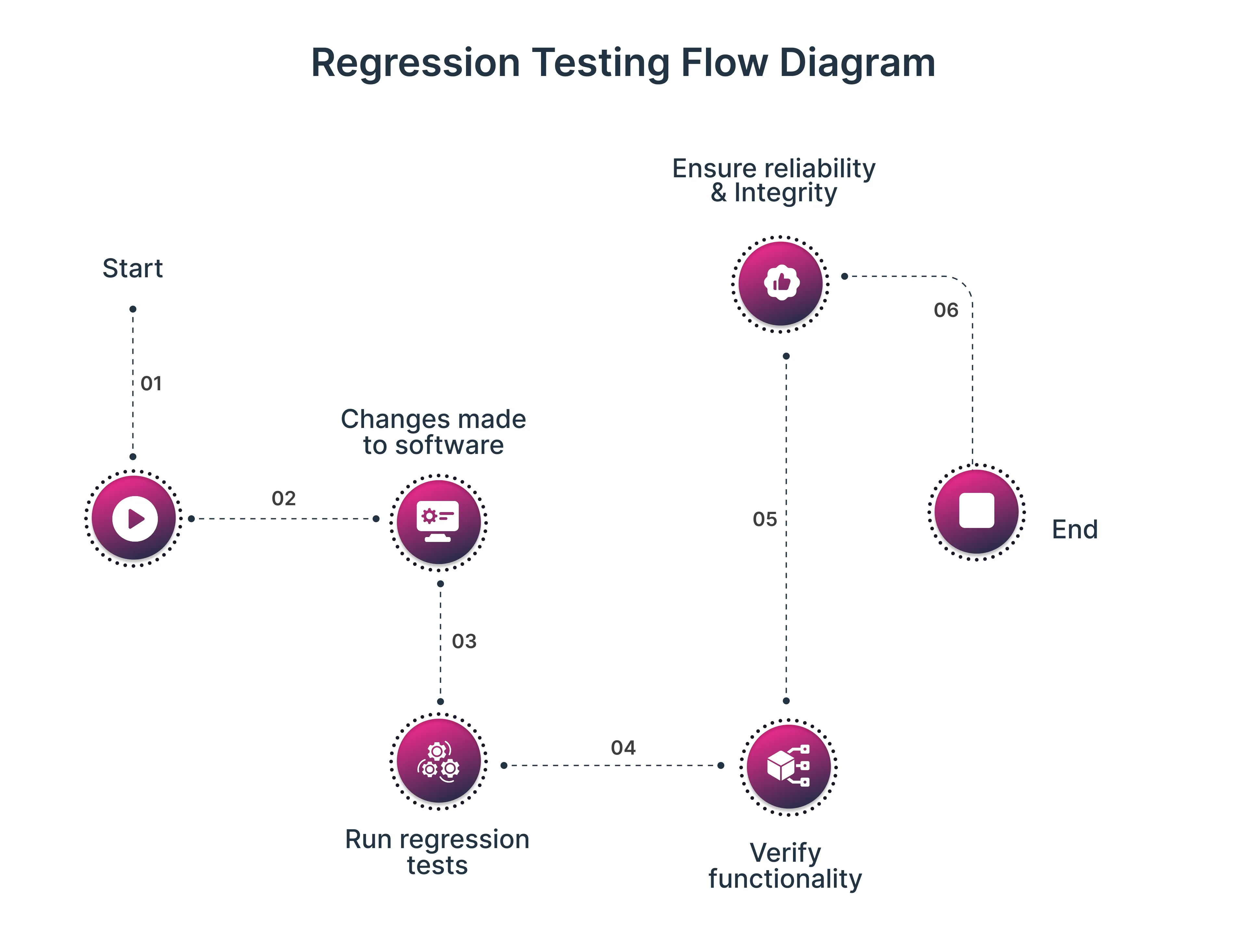
It ensures that existing functionality remains stable after updates or fixes—making regression testing in software critical for fast-moving products.
Testing updates to ensure existing capabilities work without interruption is called regression testing. It's a requirement for many business services, FinTech products, and fast-paced development environments. During the regression testing process, QA teams test their software by rerunning previous test cases to make sure it works properly.
Testing tools for regression testing:
- TestRail for managing test cases
- Jira + Zephyr for managing regression testing cycles
- Qase for managing regression testing in teams that implement Agile
- Azure Test Plans – for managing manual test cases, regression suites, and test execution within Azure DevOps
Accessibility and Usability Testing to Improve Customer Experience
The process of accessibility and usability testing guarantees that the product is user-friendly, open to all, and up to the mark in terms of compliance with accessibility standards. Such types of manual testing are used to verify that all users including those with disabilities are able to access and use the software without any difficulty.
Areas to test in accessibility and usability testing:
- Screen reader compatibility (NVDA, JAWS)
- Contrast of colors and clarity of visuals
- Size of buttons, spacing, and user flow
Reasons why testing accessibility and usability is important:
- Assists companies in achieving WCAG and ADA standards
- Enhances the customer experience in real-world scenarios
- Lessens user dissatisfaction and drop-off
How to Choose the Best Manual Testing Company in the Bay Area
Choosing the appropriate manual testing service provider in San Francisco is crucial to getting reliability of the software, quicker release cycles, and also increased user satisfaction. In the context of the Bay Area with the presence of rapidly growing startups and enterprise-level SaaS products, selection of the right QA partner entails consideration of the areas of expertise, flexibility of the solution, pricing structures, and alignment of the industry.
The top companies not only offer quality assurance services but also facilitate the agile workflows and have a good understanding of the peculiar expectations of the product teams in the Bay Area.
The following are the most important aspects to take into account when deciding on a manual QA provider.
Evaluation Checklist: Skills, Certifications, and Domain Knowledge
Selecting the most suitable manual testing company in San Francisco will be extremely consequential for the software's reliability, faster release cycles, and ultimately, the users' satisfaction.
The following factors represent the key points to consider for manual QA supplier selection.
Evaluation Checklist: Skills, Certifications, and Domain Knowledge
In order to be sure that you are selecting a QA partner with great capabilities, analyze the technical skills of the team, their knowledge of the industry, and their ability to test.
The main evaluation points are:
✔ profound knowledge of various testing types: functional testing, regression testing, usability testing, exploratory testing
✔ Appropriate certifications: ISTQB, CSTE, or QA specialization
✔ Working with complex SaaS, fintech, or health tech applications
✔ Be adept in the use of QA documentation tools like TestRail, Jira, and Qase
Choosing a suitable manual testing associate means getting the quality you need.
Questions to Ask Before Hiring a Manual Testing Partner
Prior to selecting a QA company, you need to ask some strategic questions that would expose their processes, communication style, and technical depth. In the Bay Area, this is very crucial due to the fast release cycles that demand highly effective QA support.
The most important questions to ask are the following:
- What varieties of manual testing are you proficient in?
- (Functional testing, regression testing, accessibility testing, etc.)
- How much agility and hence how much agile development are your testers?
- How do you create quality assurance the product has throughout the updates and releases?
- What tools do you use for bug tracking, managing test cases, and doing regression cycles?
The questions above assist in determining the company's level of maturity, testing method, and whether it is suitable for your project or not.
Comparing Pricing Models and Engagement Types
Flexibility in pricing options is one of the main reasons why Bay Area companies look for manual testing companies. One of the deciding factors in choosing a manual testing company is the pricing that is clear and based on the product’s complexity, release frequency, and testing needs.
The most common pricing and engagement models are as follows:
- Hourly-based engagement: This mode of engagement is preferred for busy industries as it caters to small tasks, ad-hoc testing, or early-stage startups.
- Project-based pricing: This pricing is excellent for one-time releases or definite project scopes.
- Hybrid model (onshore + offshore): Fast communication is the main advantage of this model which also cuts costs.
Quality and cost-effectiveness are the main factors that lead the Bay Area companies to choose hybrid or dedicated models.
How Manual Testing Helps San Francisco Startups Scale Faster
Startups in San Francisco are working in a very competitive atmosphere where quicker releases, user-friendly design and product quality are the main factors of growth. Manual testing has a very important place in the product development process of the early and the middle stage, as it offers the teams an opportunity to validate real user behavior, reveal UI/UX problems and keep stability throughout the fast development cycles. Manual testing is being utilized by startups to gain consistency across features, identify bugs in early stages and to help the testing processes of scalable applications.
Manual Testing in Fintech and Banking Platforms
Fintech startups located in the Bay Area deal with very sensitive financial data, transaction workflows, and high compliance all the time. This is why testing done manually has such an important role because it is the testers who have to check the real-world behaviors, complex business logic, and flows of users that the tools might forget.
The quality of Fintech is supported by manual testing in the following ways:
- It guarantees data correctness at the end of the multi-step financial transaction
- It checks if there is any error handling, security prompts, and user messages
- It gives help to the confirming of the compliance-related UI/UX behaviors
Moreover, the manual testers practice functional testing types such as smoke, sanity, and detailed scenario testing to detect defects ahead of time.
Manual Testing in AI/ML and SaaS Products
AI/ML platforms and SaaS products necessitate constant upgrades, modifications to models, and the launch of new features at a fast pace. This results in regression testing being one of the primary methods in software testing, where the testers manually check that the existing features are still working correctly after every update.
The Role of manual testing in the Support of AI/ML & SaaS products:
- Confirm the expected model outputs of AI/ML
- Finds model outputs that differ from the expected or are not modeled
- Regress tests after the system has been updated
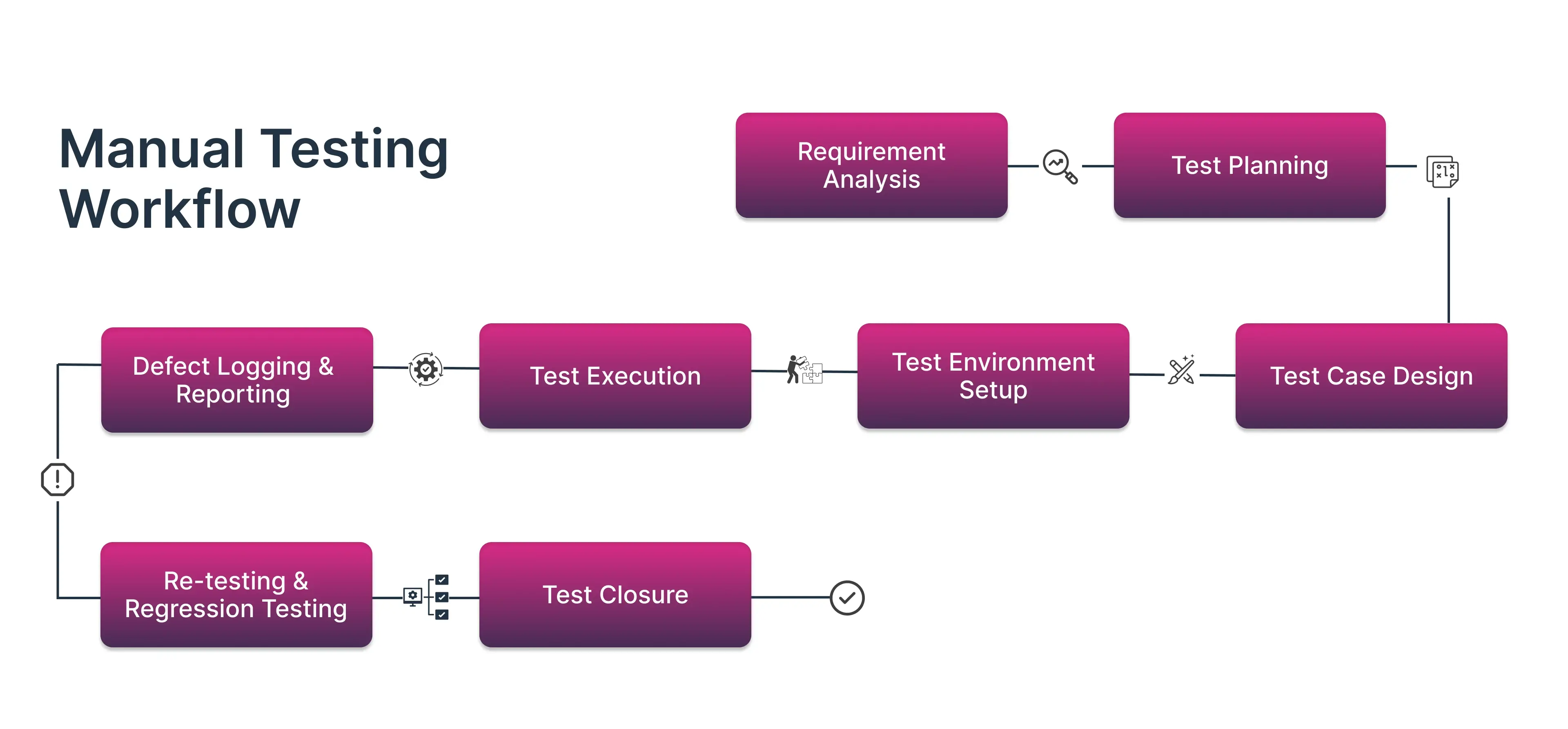
Manual testing is done by following a structured regression testing process. This process entails re-running significant test cases, confirming workflows, recording defects, and verifying that the new changes have not caused other issues.
Manual Testing for Accessibility, Inclusivity and Public-Facing UX
Startups in San Francisco are attracting different types of users thus it is necessary to do accessibility testing and validation of the usability in the first place. Manual testers are the backbone of the entire process.
The testing of accessibility and usability concentrates on the following major areas:
- Screen reader compatibility
- Only keyboard navigation
- Color contrast and text clarity are suitable
The above-mentioned extreme cases do not only add to the software testing but also include real-user interaction with the interface.
Real-World Impact of Manual QA in Bay Area Software Teams
In today’s highly competitive tech landscape, Bay Area startups and enterprise companies rely heavily on manual QA to maintain product stability and build lasting user trust amid frequent releases and rapid iterations. These real-world examples clearly show what is manual testing in practice-where skilled QA teams use proven manual testing tools, apply established quality assurance methods, and follow software testing basics to strengthen the overall software development testing process.
How Manual Testing Improved Release Cycles
A popular SaaS application Testing Company in San Francisco struggled with slow, unpredictable releases. Their automation suite covered basic flows but missed UI issues, broken integrations, and edge cases. After implementing a structured manual QA process supported by manual testing tools such as TestRail and Qase, their release cycles improved dramatically.
Manual testers applied:
- Functional testing with examples such as login, form validation, role-based access, and payment flows
- Regression testing cycles designed specifically for weekly releases
- Quality control testing to ensure every build met design and UX expectations
- Quality assurance methods like exploratory testing and checklist-based verification
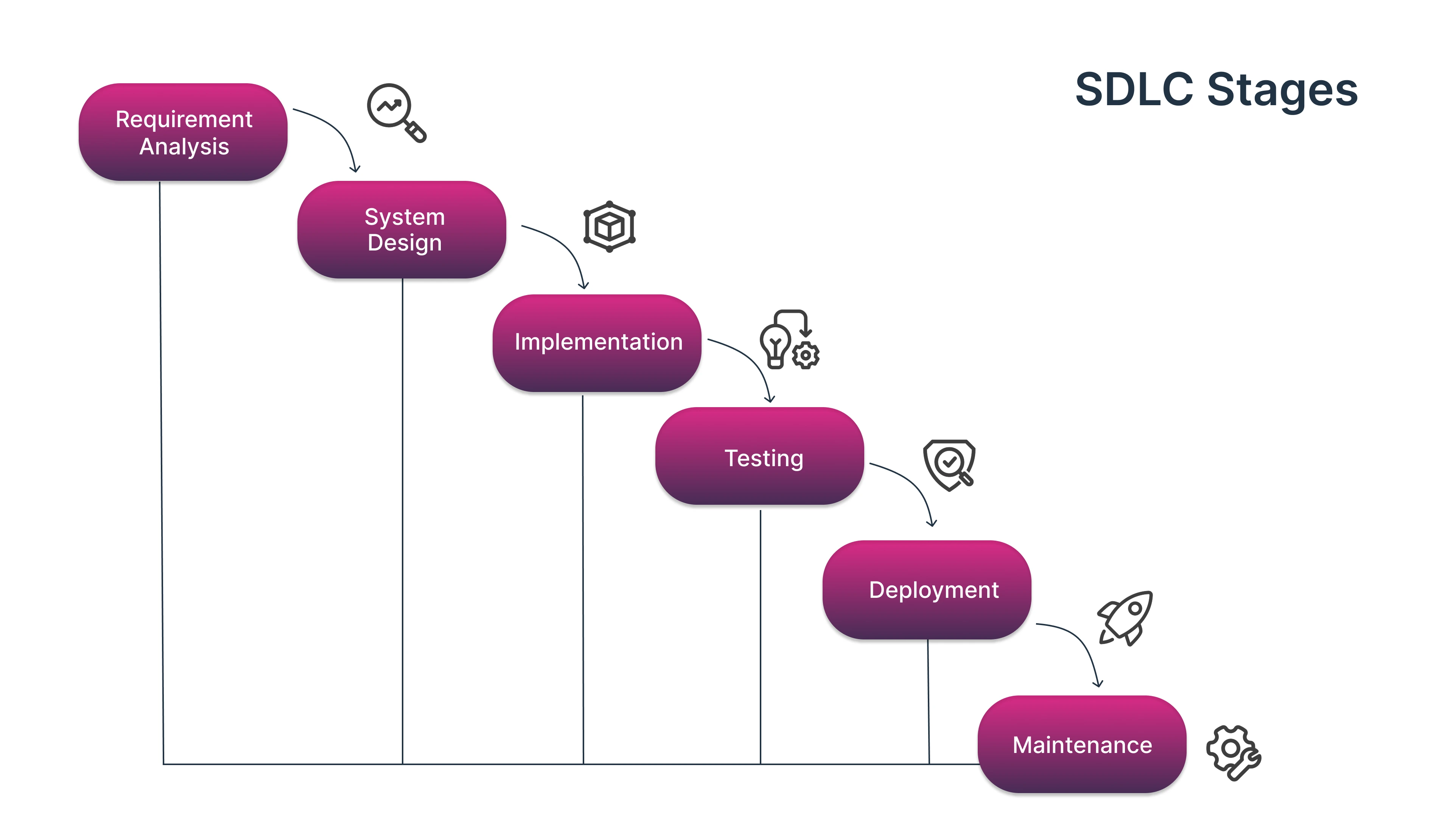
This proves how powerful manual QA is when aligned properly with software development Life cycle workflows.
Common Issues Discovered During Real Testing Cycles
During the actual testing periods in the Bay Area, the manual QA teams were often the ones to find the problems that the automated scripts were unable to detect. The companies were thus able to improve their quality systems, user experience, and stability through these findings.
Some of the common manual QA findings were the following ones:
- UI misalignment and inconsistent layouts across various browsers
- Microservices having integrations broken between them
- Edge-case scenarios in which incorrect error messages were displayed
Since the mentioned findings were based on human assessment, they strengthened the reasons why most enterprises still opt for functional testing companies and skilled manual QA teams during each release.
Impact on Product Stability and Customer Satisfaction
The presence of Manual QA in the product life-cycle causes a positive effect on measures such as stability, reliability, and user satisfaction. This is particularly true for fintech, SaaS, and AI applications made in the Bay Area.
Here are some key benefits noticed:
- Better product stability was one of the positive outcomes as there was an early detection of workflow problems.
- Less production incidents were another benefit as a result of the manual VR using comprehensive test coverage.
- Better accessibility compliance was another improvement which helped with inclusivity and user retention.
Functional testing, exploratory testing, and regression testing are some of the quality testing services for enterprises that allow companies to scale products securely and keep the customer trust.
Improving Quality with Manual Testing Professionals in San Francisco
It is an undeniably reliable method to partner up with skilled manual testing experts in San Francisco to improve your product’s quality and user experience significantly. Firms that comprehend the nature of manual testing and test their software as per the standards of unbreakable quality assurance techniques consistently beat the competitors that are only operating with automation.
It does not matter if you are a venture or a startup; the question that most teams still have is: “What’s a QA and why is its existence important?”
A QA analyst guarantees that the product functions as a consumer wants, checking of the real-world user activities, conducting quality control testing, and spotting the problems that are only hidden to the eye of a human. The result of this manual and automated test synergy is a more stable software product, effortless corporate activities, and thus more pleasing customers.
Not at all the less, product quality enhancement is a matter of the right people who can raise the whole testing of the software development process to the next level rather than just testing. Users across the Bay Area and beyond are the welcome recipients of the product.
FAQ’S
Q1. What does manual QA look like in Agile development teams?
Manual QA in Agile involves close collaboration and quick testing during each sprint. It ensures fast feedback and readiness for release.
Q2. What types of projects benefit the most from manual QA?
Manual QA is most valuable for projects with complex workflows, frequent UI changes, compliance requirements, and strong user-experience expectations, such as SaaS, fintech, and enterprise applications.
Q3. Is manual testing enough without automation?
Manual testing alone isn’t enough; combining it with automation ensures faster, reliable, and scalable QA.
Q4. Can manual testing detect UI/UX problems better than automation?
Yes, manual testing detects UI/UX issues better by evaluating visual design, user flow, and accessibility. Human judgment helps identify subtle issues automation can’t catch.
Q5. What skills should a manual tester have in 2025?
In 2025, manual testers need strong analytical skills, Agile knowledge, and understanding of usability and accessibility. Critical thinking and adaptability are essential as products evolve quickly.