


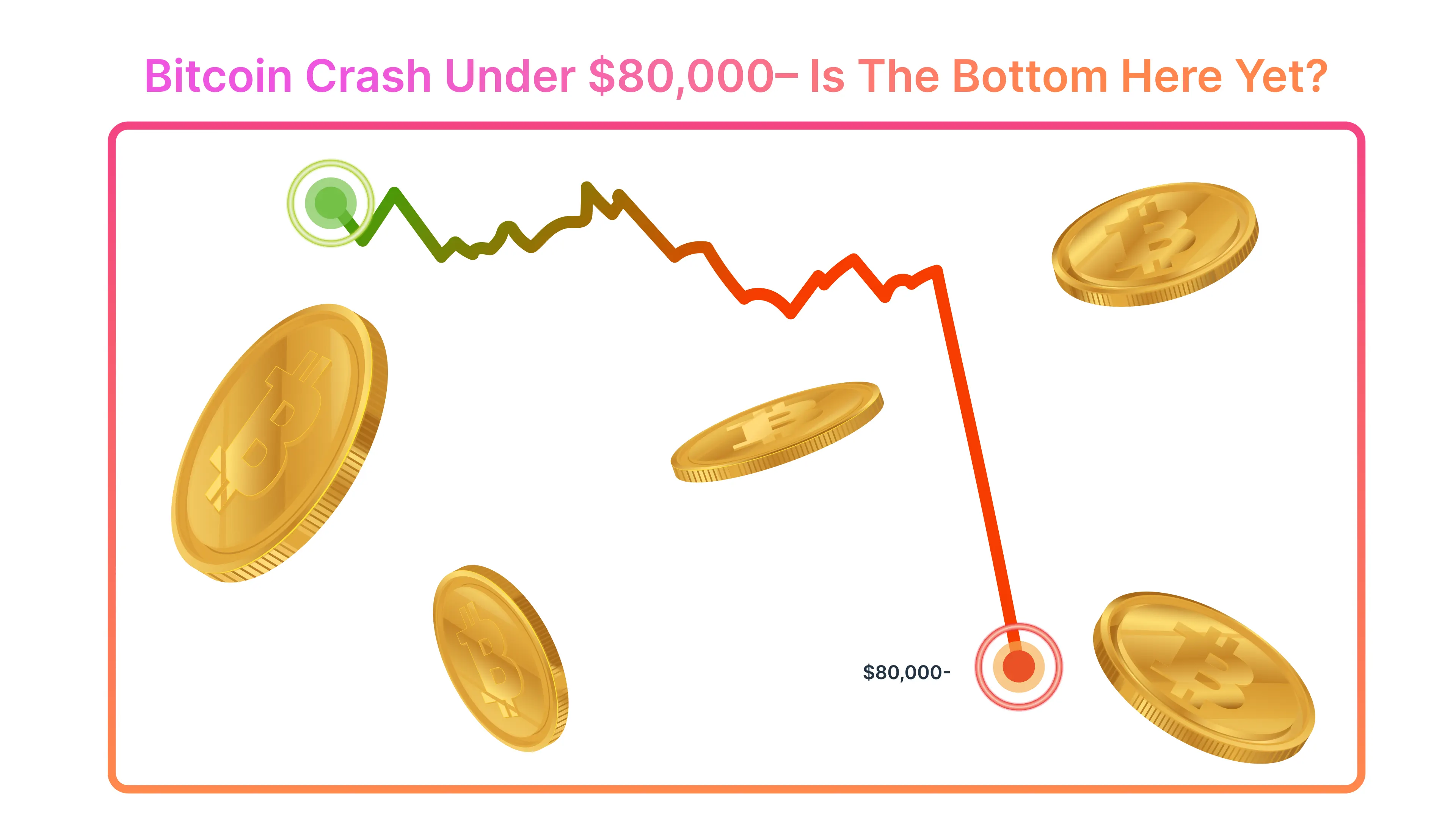
Bitcoin has reshaped the global financial landscape, evolving from an experimental digital asset into a meaningful component of modern payment systems. However, this innovation comes with uncertainty. Extreme Bitcoin price volatility remains one of its most defining characteristics and a persistent challenge for digital payments.
A sudden Bitcoin crash affects far more than traders or long-term investors. It sends shockwaves across payment gateways, crypto wallets, merchant platforms, and decentralized finance (DeFi) systems that rely on Bitcoin for settlement and liquidity. Transaction confirmations slow, fees rise, and user confidence can decline rapidly.
This is where operational resilience becomes critical. Payment systems must be designed not only for growth, but also for disruption. This blog examines how payment systems respond to Bitcoin crashes, why resilience has become essential, and how organizations can prepare for future volatility without compromising trust or performance.
Bitcoin volatility and its impact on payment systems
Bitcoin’s transformation into a core element of digital payments has increased its influence on financial market infrastructure. At the same time, sharp price volatility continues to strain payment networks that depend on it. Sudden price drops often trigger spikes in user activity, liquidity stress, and service disruptions across cryptocurrency payment applications.
- Bitcoin price swings directly affect transaction volumes and settlement flows
- Payment providers experience delayed confirmations and higher failure rates
- User confidence in digital currency payments weakens during market stress
- Extreme volatility places sustained pressure on payments infrastructure
From a resilience perspective, Bitcoin crashes function as real-world stress tests. At Frugal Testing, these events are viewed as opportunities to evaluate payment system reliability, service continuity, and real-time settlement performance under extreme conditions.
Importance of operational resilience in the cryptocurrency market
Operational resilience refers to a system’s ability to continue functioning during shocks such as market crashes, cybersecurity incidents, or regulatory change. In cryptocurrency markets, resilience is foundational rather than optional, as systems operate continuously without the safety net of a central ledger.
- Crypto payment systems operate 24/7 with no centralized fallback
- Volatility and congestion directly expose user funds to operational risk
- Regulatory frameworks increasingly emphasize resilience and risk management
Organizations with significant bitcoin holdings require resilient payment and custody systems to protect balance sheets and maintain liquidity access during extreme volatility. As institutional adoption grows and Bitcoin is treated as an inflation hedge or digital gold, resilient payments infrastructure becomes essential for trust and compliance.
Relationship between Bitcoin price fluctuations and payment systems
The behavior of payment systems is closely linked to Bitcoin price movements. During crashes, higher transaction fees and hash rate fluctuations affect confirmation dynamics, while mining pools may temporarily accumulate more hash power. This shift increases concentration risk and governance risk, rather than directly slowing transaction confirmations.
- Peer to peer transactions are slowed down by higher transaction costs.
- The market plumbing stress is increased with liquidity driven tokens and DeFi protocols.
- Futures open interest unwinds can affect settlement reliability.
Understanding this relationship helps payment providers design systems that withstand volatility without compromising user experience or security.
Understanding Bitcoin and Its Market Dynamics
What is Bitcoin and why does it matter?
Bitcoin is a decentralized network, introduced in 2009, after the Genesis Block, made by Satoshi Nakamoto. It allows peer-to-peer transactions and does not rely on intermediaries, through cryptographic puzzles, digital signatures, and public ledger with security ensured by hash power.
- Miners compete in order to validate transactions by earning block reward.
- Distributed full nodes and censorship resistance are critical to security.
- Privacy is gained by means of seed phrases and private keys.
- Hardware wallets keep the private keys offline thereby lowering chances of online attacks.
Bitcoin miners also control network stability based on the distribution of hash rates and the participation in mining pools in that determination of confirmation times during high market volatility. Bitcoin miners provide their hash power to the network and receive block rewards as their reward to be at consensus. The significance of Bitcoin lies in the fact that it introduced limited programmability through scripting, while reshaping global discourse around decentralized networks, censorship resistance, and seizure resistance.
Bitcoin price trends and market fluctuations
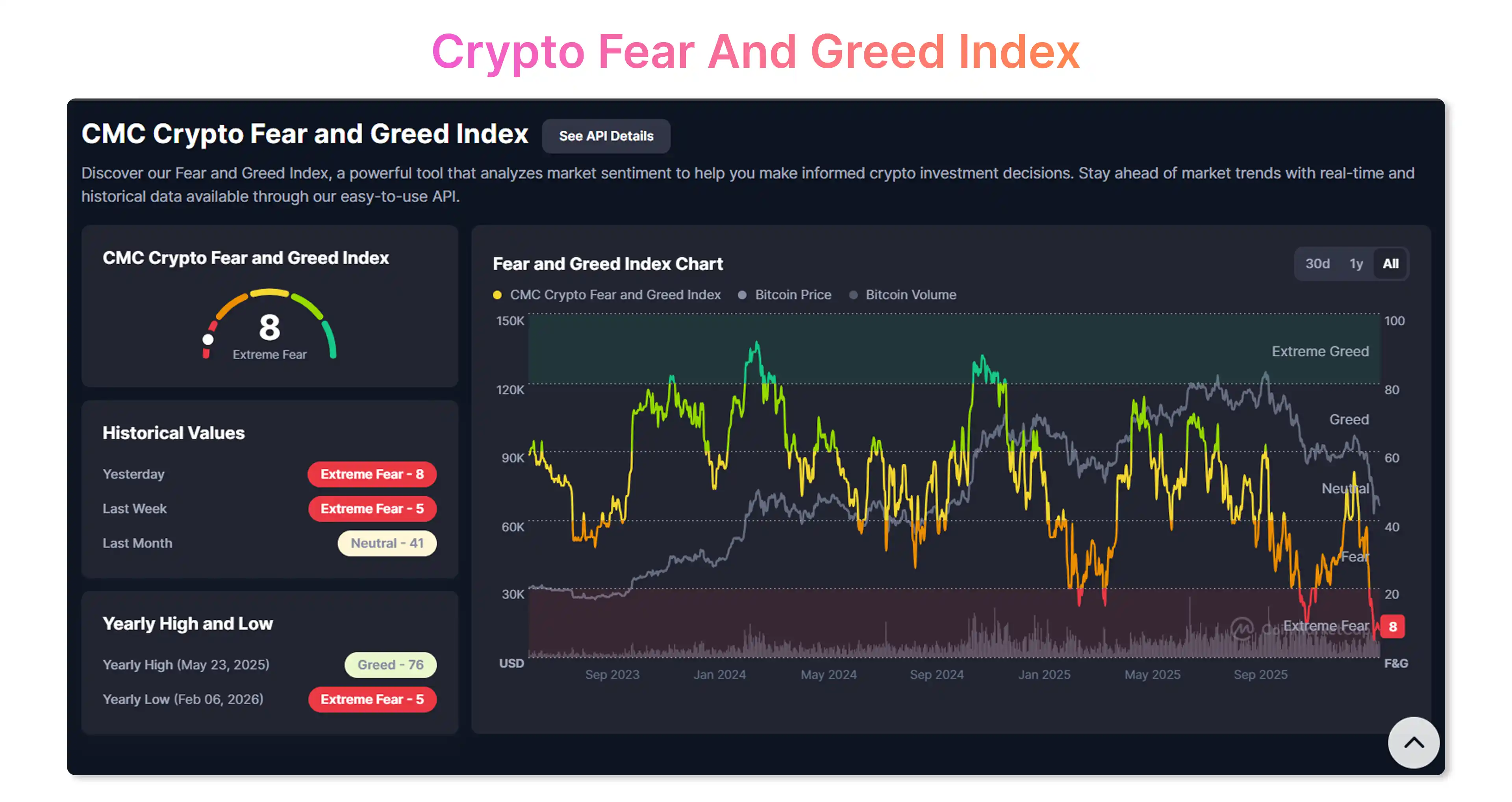
Network effects, institutional adoption, macroeconomic indicators, and sentiment indicators such as Fear & Greed Index drive bitcoin markets. The price cycles are generally path dependence, with the events in the past affecting the future market behavior.
- Bull markets lure novice users and increase volumes.
- Bear markets are a way of showing the vulnerability of payment infrastructure.
- Hash rate changes indicate the profitability of the miners and their good health.
Such variations affect the ability of payment networks to scale, transaction fees pricing, and requirement of reserve management going through stresses.
The role of platforms like CoinMarketCap
Market visibility platforms such as CoinMarketCap play a crucial role in shaping investor and user behavior during volatile periods. Real-time pricing data, liquidity metrics, and market infrastructure insights guide decisions across the ecosystem.
- Traders monitor crypto signals and futures open interest.
- Payment providers track liquidity and user traffic patterns.
- Regulators and analysts assess systemic risk.

Accurate market data supports better contingency planning and operational resilience strategies.
The Impact of a Bitcoin Crash on Payment Systems
Table1: Impact of a Bitcoin Crash on Payment System Components
Historical Bitcoin crashes and market behavior
Bitcoin has experienced multiple major crashes, often triggered by macroeconomic shifts, regulatory announcements, or speculative excess. Each crash reveals patterns in payment system stress.
- 2018 and 2022 crashes saw congestion and fee spikes.
- Miner capitulation affected hash rate stability.
- Centralized payment providers paused withdrawals to protect user funds.
These events underline the importance of resilient cryptocurrency infrastructure capable of absorbing shocks without prolonged outages.
Payment system vulnerabilities during Bitcoin crashes
During crashes, vulnerabilities emerge across both centralized and decentralized payment networks. These weaknesses often relate to scalability limits, cybersecurity measures, and dependency on third-party services.
- Overloaded transaction processing pipelines.
- Increased risk of 51% Attack during hash power concentration.
- Custodial wallet exposure and private wallet mismanagement.
- Hardware wallets help users retain control of funds when platforms face outages.
Addressing these vulnerabilities requires proactive testing, something Frugal Testing emphasizes through resilience and stress-testing methodologies.
Ripple effects across the crypto and DeFi ecosystem
Bitcoin crashes rarely occur in isolation. They cascade through DeFi protocols, payment networks, and cross-border settlement systems.
- Liquidity drains affect reserve management.
- Stablecoins and Central Bank Digital Currencies are compared as alternatives.
- Real estate and other crypto-linked assets face valuation pressure.
These ripple effects demonstrate how interconnected modern digital payments and market infrastructure have become.
Operational Resilience in Crypto Payment Systems
What is operational resilience in practice?
Operational resilience is the ability of a payment system to prevent, adapt to, and recover from disruptions. In crypto, this includes technical, financial, and regulatory dimensions.
- Maintaining service reliability during extreme volatility.
- Protecting user funds through secure key management.
- Meeting compliance obligations across jurisdictions.
Resilient payments infrastructure is designed to prioritize critical transactions, protect user funds, and recover quickly from service disruptions caused by market or network shocks. Resilient systems align incentives across participants, creating a Nash equilibrium where stability benefits everyone.
Strategies for enhancing payment system resilience
Building resilience requires layered strategies that address both technology and governance.
- Load testing transaction processing under peak conditions.
- Diversifying mining pools and liquidity providers.
- Implementing robust cybersecurity measures and monitoring.
At Frugal Testing, we advocate continuous testing and scenario-based simulations to uncover hidden risks before real-world failures occur.
Examples of Resilient Payment System Architectures
Payment systems have been shown to be operationally resilient in the face of Bitcoin crashes through a focus on decentralization, redundancy and routing to transactions dynamically. Such systems kept on moving payments despite market panic and blockchain crunching through the usual crypto payment channels.
- Lightning Network triggers cheap and quick transactions in situations when the network is suddenly clogged.
- Lightning Network enhances the resistance of the payment system through transferring transactions of high frequency and a low value outside the main chain, which decreases congestion and levels the processing of transactions in the Bitcoin network in times of stress.
- Lightning Network created a better user experience in digital payments by allowing nearly instant settlement and deterministic fee charges, even when the cost of on-chain transactions will spike during a period of extreme market volatility.
- Offline authorization of transactions by mobile wallets enhanced consumer confidence by enabling secure approval of transactions even when the service is interrupted.
- Regional redundancy by the payment providers prevented a complete outage as settlement and processing workloads were spread out geographically in various locations.
In these case studies, the authors emphasize the role of layered payment architectures and resilience-oriented design mechanisms in ensuring the reliability of cryptocurrency payment systems in times of stress. Through off-chain scaling technology coupled with the redundancy and user-centric protection, payment providers will one day be able to considerably cut down the service failures in the case of future Bitcoin crashes.
How Blockchain Technology Enhances Payment System Resilience
Blockchain fundamentals and decentralization benefits
Blockchain technology distributes trust across a decentralized network, reducing single points of failure inherent in central ledger systems.
- Merkle tree structures ensure data integrity.
- Public ledger transparency improves auditability.
- Hard forks allow protocol-level adaptation.
Decentralization strengthens payment system reliability, especially during periods of market stress.
Blockchain wallets and secure transaction design
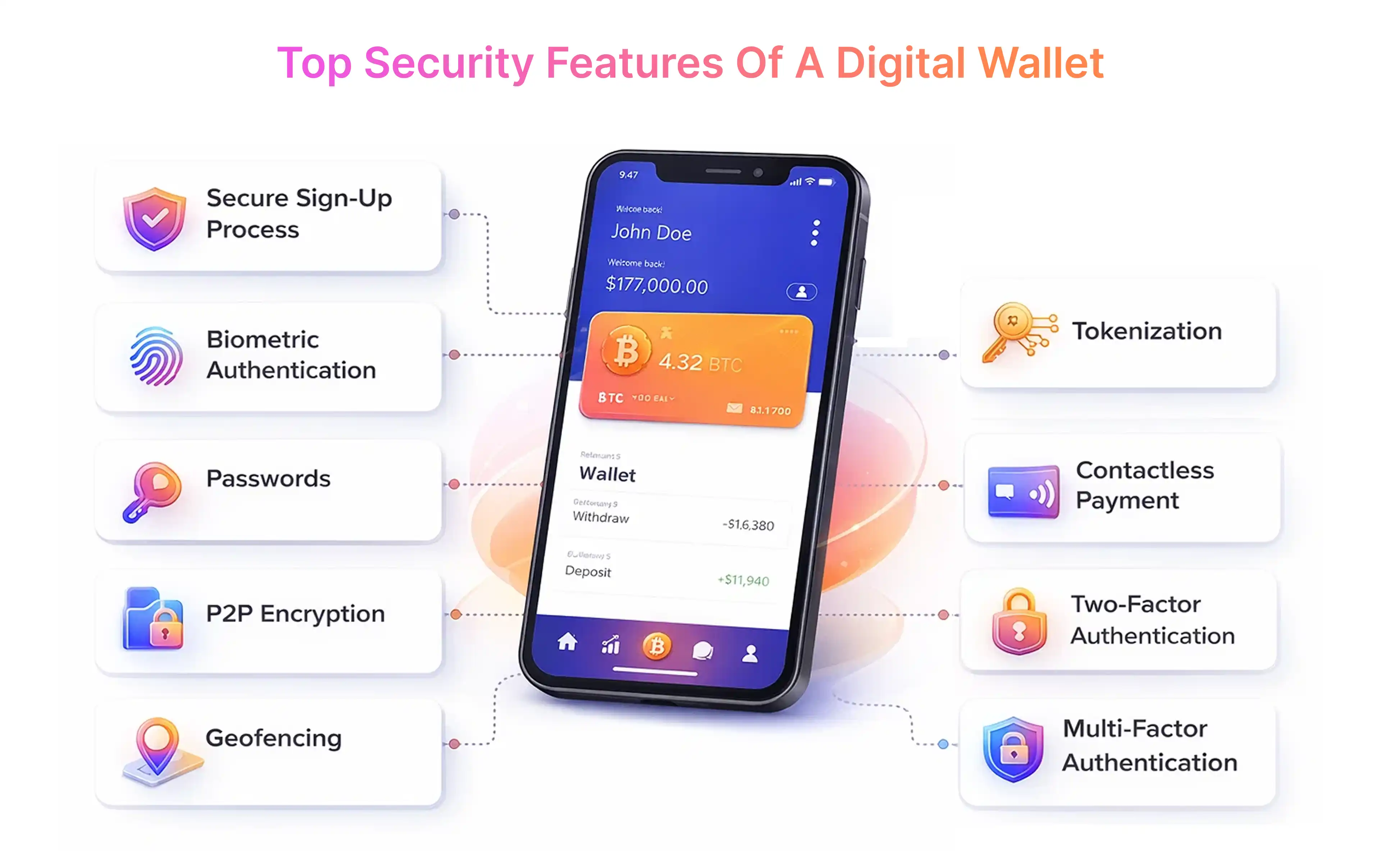
Wallet design plays a critical role in resilience. Secure management of private keys and digital signatures protects user funds even when markets crash.
- Hardware wallets enable secure transaction signing without constant internet access.
- Hardware wallets reduce exposure to online threats.
- Multi-signature wallets improve custody controls.
- Private wallets enhance seizure resistance.
These practices help users maintain control regardless of external volatility.
Future of blockchain-based payment systems
The future points toward hybrid models combining blockchain efficiency with regulatory clarity.
- Integration with internet banking and mobile wallets.
- Cross-border settlement using blockchain rails.
- Exploration of quantum computing-resistant cryptography.
As technology evolves, resilient design will determine which systems endure.
Navigating the Future of Cryptocurrency and Payment Systems
Emerging trends shaping crypto payments
Several trends are redefining how payment systems respond to volatility.
- Institutional adoption by banks and asset managers.
- Experiments with Central Bank Digital Currencies.
- Increased scrutiny from regulators like the U.S. Securities and Exchange Commission.
These trends demand higher standards of operational resilience and transparency.
Continuous learning and adaptation in resilience planning
Resilience is not static. Payment systems must evolve through continuous learning, informed by academic and industry research.
- Insights from the Federal Reserve Bank of St. Louis on market stability.
- Research published in journals like the Quarterly Journal of Economics.
- Collaboration with industry bodies and blockchain associations.
Adaptation ensures systems remain robust as risks change.
Preparing for future Bitcoin market fluctuations
Preparation involves both technical readiness and organizational mindset.
- Scenario planning for extreme price movements.
- Regular audits of payment infrastructure.
- Clear communication strategies for users during outages.
Regions like El Salvador highlight the real-world importance of resilient national payment systems tied to Bitcoin.
Conclusion: Building Resilient Payment Systems for a Volatile Crypto Market
Recap of resilience importance amid Bitcoin volatility
Bitcoin crashes reveal the true strength of payment systems. Resilience ensures continuity, protects user funds, and sustains trust in digital payments.
- Volatility is inevitable in decentralized markets.
- Weak infrastructure amplifies financial and operational risk.
- Resilient architectures absorb shocks and recover quickly.
This perspective aligns with Frugal Testing’s focus on proactive resilience engineering.
Future outlook for cryptocurrency payment systems
Looking ahead, payment systems will increasingly blend decentralization with regulation, innovation with stability.
- Greater emphasis on service reliability and compliance.
- Adoption of programmable money for automation.
- Stronger global coordination on crypto regulation.
Systems that prioritize resilience will lead the next phase of digital payments.
Call to action for investing in resilience strategies
For payment providers, exchanges, and enterprises, the message is clear: invest in resilience now.
- Stress-test payment applications before the next crash.
- Strengthen cybersecurity and contingency planning.
- Partner with experts like Frugal Testing to build robust systems.
In a volatile crypto market, resilience is not just a safeguard it is a competitive advantage.
People Also Ask (FAQs)
Q1.How does path dependence affect payment systems during a Bitcoin crash?
Ans: During a Bitcoin crash, earlier network congestion and liquidity stress influence how payment systems behave later. This path dependence can prolong slow confirmations and recovery times even after market conditions stabilize.
Q2.Can central bank digital currencies improve resilience during crypto market crashes?
Ans: Central Bank Digital Currencies (CBDCs) are often compared to decentralized crypto payments during crashes because they offer stable settlement backed by central authorities, though they lack the flexibility of decentralized networks.
Q3.Why does concentration risk increase in payment systems during Bitcoin volatility?
Ans: During extreme volatility, mining power, liquidity, or transaction routing can concentrate among fewer providers, increasing concentration risk and making payment systems more vulnerable to outages.
Q4.How do crypto signals influence payment system load during a Bitcoin crash?
Ans: Crypto signals shared through trading platforms and social channels often trigger sudden spikes in user activity, increasing transaction requests and stressing payment processing systems during crashes.
Q5.What happens to transaction fees when Bitcoin prices fall sharply?
Ans: A Bitcoin crash often leads to higher transaction fees as users rush to move funds, increasing competition for block space and slowing transaction confirmations.
Q6.Why are public ledger and private key security critical during market crashes?
Ans: During a Bitcoin crash, the public ledger ensures transaction transparency, while private key security protects user funds from unauthorized access amid heightened panic and activity.