

Brief Introduction: What This Blog Offers" section! However, I need a bit more context:
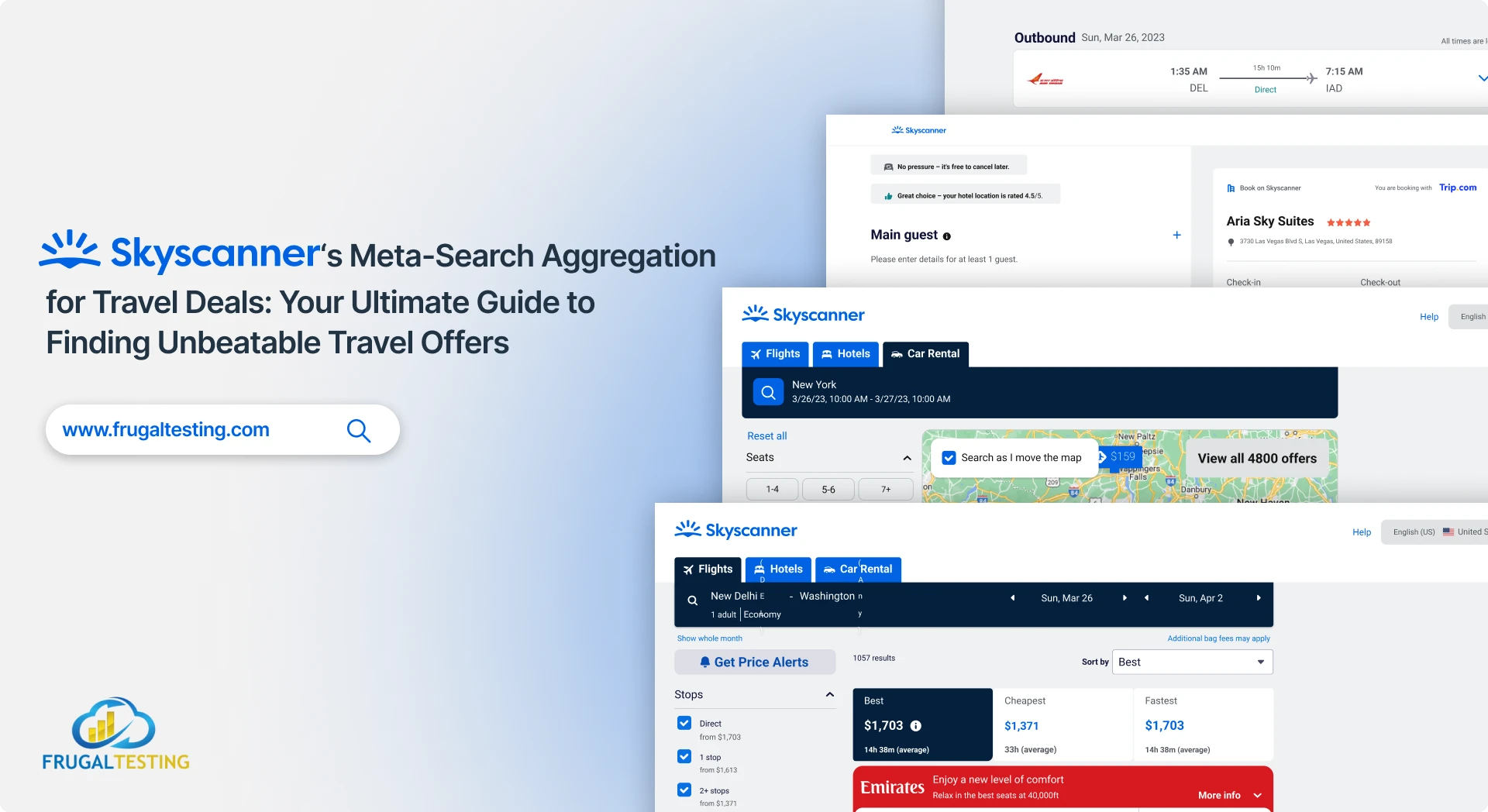
Tired of visiting multiple airline and hotel websites to find the best skyscanner flight deals? This comprehensive guide explores what is Skyscanner and its meta-search aggregation – a powerful technology that revolutionizes how travelers discover unbeatable deals. We'll break down how meta search engines work, explain Skyscanner's unique travel meta-search engine strategy, reveal the technology behind real-time pricing updates, and show you practical tips to maximize your savings. Whether you're a budget-conscious traveler or a deal hunter, this guide will help you leverage Skyscanner booking to book smarter with complete user experience optimization.
Introduction: Navigating the Modern Travel Landscape with Skyscanner
Discover how travelers face overwhelming choices when booking trips and how Skyscanner simplifies the process by aggregating flights, hotels, and car rentals from hundreds of providers into one intuitive platform for unbeatable deals.
The Traveler's Challenge: Information Overload and the Quest for Value
Planning a trip in today's digital landscape presents a unique paradox. Travelers have unprecedented access to flight options, hotel accommodations like Google Hotels, and car rentals, yet this abundance creates overwhelming complexity. Comparing prices across 50+ airlines, 100+ Online Travel Agencies (OTAs), and countless booking sites requires opening multiple tabs. Without a centralized price comparison tool, finding better deals becomes nearly impossible.
Price discrepancies compound the challenge. The exact same flight might be available at different price points whether you book directly, through an OTA, or a travel agent. Some booking engines access unpublished fares, making these significantly cheaper than public prices. The travel experience suffers without a metasearch engine solution.
Introducing Skyscanner: The Power of Meta-Search for Unbeatable Deals
Enter Skyscanner, the metasearch engine platform transforming travel deal discovery. Since 2003, Skyscanner has helped 100+ million monthly users navigate travel metasearch complexity by aggregating flights, hotels, and car hire from hundreds of Travel Providers in real-time. Unlike traditional OTA models selling own inventory, Skyscanner booking acts as transparent intermediary – showing what's available, at what price, and where to book.
Understanding Meta-Search: The Foundation of Deal Discovery
Learn what meta-search engines are, how they differ from traditional booking sites, and the core mechanisms that enable Skyscanner to query multiple travel providers simultaneously, delivering real-time pricing and complete market visibility.
What is a Meta-Search Engine and How Does it Differ?
A Meta-Search Engine is fundamentally different from Google Flights or traditional engines. While Google crawls and indexes pages, a meta search engine queries multiple booking engines simultaneously and aggregates results. Travel metasearch engines query airline systems, OTAs, hotel providers, and car rental services at once.
The Core Mechanism: Aggregating Data from the Travel Ecosystem
When you search (e.g., "Flights London to Paris"), Skyscanner flight triggers simultaneous API calls to hundreds of Travel Providers. Google Flights alternative provides single view; Skyscanner aggregates across all. Each provider responds with available flight options and flight price data. Skyscanner normalizes data – converting currencies, standardizing zones, removing duplicates – presenting consistent results in milliseconds.
This real-time data streaming ensures accuracy. Flight price data fluctuates constantly. Airfare fluctuations captured instantly via real-time pricing updates, not cached data hours old.
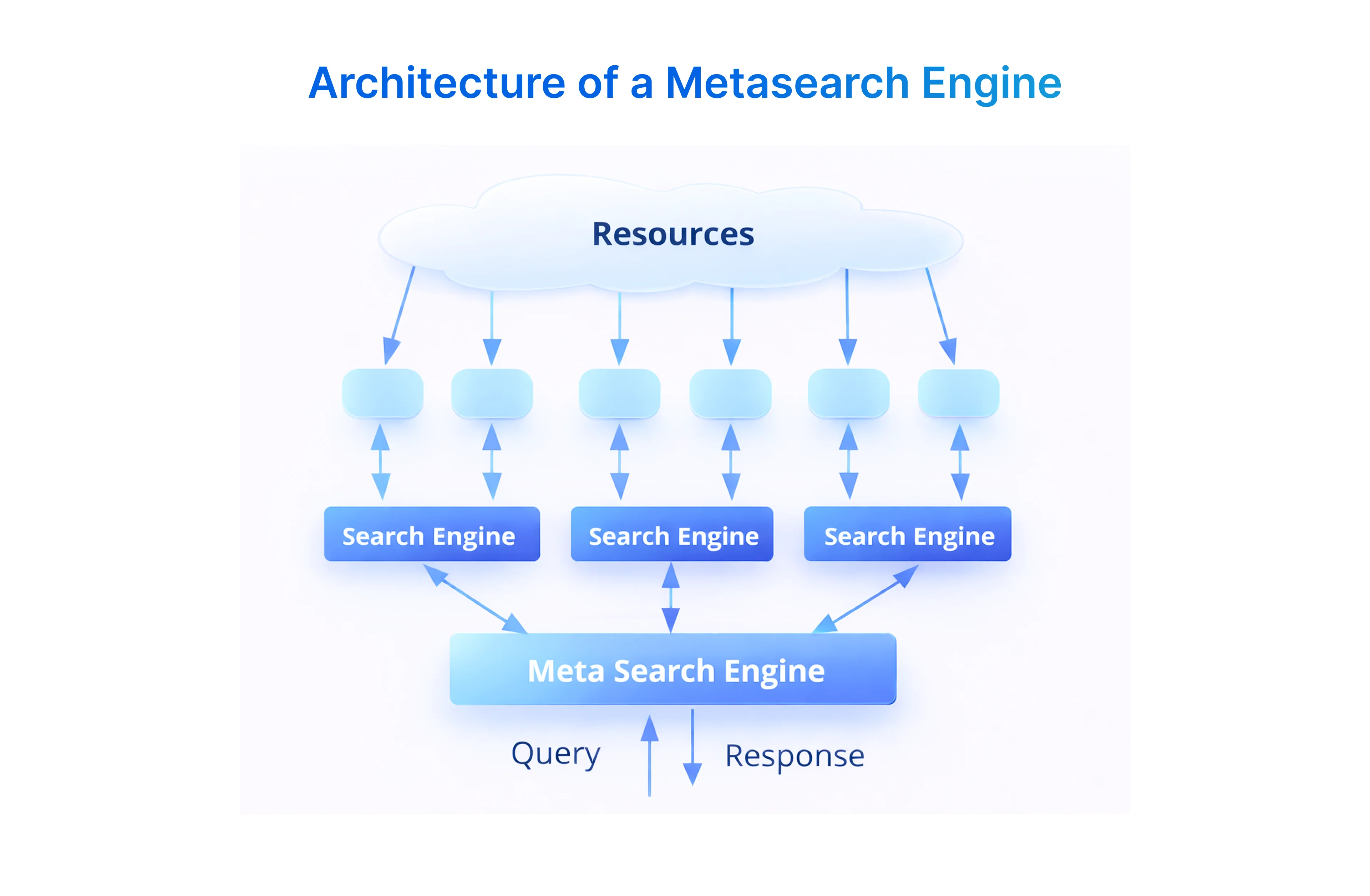
Unparalleled Data Sources: Flights, Hotels, Car Rentals, and Beyond
Skyscanner hotels and flight strength lies in integration breadth:
- Airlines: Direct carrier connections
- OTAs: Expedia, Booking.com, Hotels.com partners
- Global Distribution Systems: Sabre, Amadeus, Galileo
- Hotel Accommodations: Independent and chain networks
- Car Rental Services: Enterprise, Hertz, Avis
- Travel Providers: Complete travel ecosystem coverage
This coverage enables travel metasearch across hotel accommodations, ground transportation across 180+ countries.
The Role of APIs: Real-Time Data Access and Synchronization
API Interface and API management layer form the technological backbone. Skyscanner connects via Global inventory XML API, gaining direct access to real-time data. API calls retrieve flight search data multiple times per minute via real-time data streaming rather than web scraping.
Key Benefits:
- Real-time pricing through continuous API calls
- High accuracy via direct flight data sources
- Multi-language and Multi-Currency Support
- Scalability across traveller search demand data
- Legal API-based partnerships
Skyscanner's Strategic Edge: Deep Dive into Deal-Focused Aggregation
Explore how Skyscanner goes beyond basic price comparison by analyzing flight duration, airline quality, scheduling convenience, and traveler demand trends to identify genuinely valuable deals rather than just the cheapest options available.
Beyond Basic Price Comparison: Identifying True Travel Deals
Skyscanner reviews confirm its meta-search engine algorithm goes beyond the lowest price. Flight Deal identification considers:
- Flight price data competitiveness
- Flight options, duration and convenience
- Airline quality via user reviews
- Traveller demand trends patterns
- Booking behaviour analysis
- Market-specific factors
The Power of Real-Time Pricing Updates and Airfare Fluctuations
Flight price data isn't static – it's dynamic through real-time pricing updates. Airfare fluctuations occur multiple daily. Skyscanner flight tracking captures changes via real-time flight data and flight meta search technology:
- Immediate flight data capture in seconds
- Flight tracking data visibility
- Live flight data for optimal booking
- Instant price drop alerts notifications
The Traveler's Advantage: User-Centric Deal Discovery
Understand the essential tools and features Skyscanner offers for deal hunting, including price alerts, flexible date searches, and advanced filtering options that empower travelers to find personalized deals matching their specific travel requirements.
A User-Friendly Interface for Seamless Deal Exploration
Skyscanner User-friendly Interface prioritizes simplicity and optimal user experience:
Homepage: Clean search functionality for destination, dates, passengers. Skyscanner app works across web and mobile.
Results Display: Flight list organized by criteria. Flight options, pricing, duration appear instantly. Live flight data updates ensure current prices.
Essential Tools for the Savvy Deal Hunter
Building User Trust and Transparency
User trust is fundamental. Customer Experience improvements include:
- User reviews aggregation from multiple sources
- User-friendly Interface consistency across devices
- Dynamic pricing transparency via real-time flight data
- Secure payments and payment gateways protection
- Encryption protocols for user location safety
- Quality Travel Insight ratings updated monthly
The Technology Behind the Deals: Skyscanner's Robust Infrastructure
Discover the sophisticated cloud infrastructure, API management systems, and artificial intelligence technologies powering Skyscanner's real-time aggregation, enabling the platform to process 100+ million searches monthly with sub-second latency.
Scalable Cloud Infrastructure for Handling Massive Data
Skyscanner processes astronomical volumes with technology stack optimization:
- 100+ million monthly searches
- 1,200+ Travel Provider integrations
- Real-time data streaming of flight search data
- Sub-second search results latency
Cloud infrastructure features:
- Microservices Architecture with modular services
- Distributed Computing across global servers
- Intelligent caching for flight data access
- Database optimization for real-time pricing
- Failover redundancy (99.97% uptime)
The Critical API Management Layer
API management layer handles complexity through:
- API Interface gateway for request management
- Connection pooling reducing API calls latency
- Global inventory XML API optimization
- Intelligent fallback logic for provider issues
- Real-time API monitoring for performance
The Emerging Role of Artificial Intelligence in Deal Aggregation
Artificial intelligence powers advanced features:
AI Applications:
- Generative AI for personalized search results
- Natural language search enabling conversational queries
- Traveller search demand data analysis for route development
- Flight search data pattern recognition
- Booking behaviour prediction via market share analysis
- Traveller demand trends forecasting
- Fraud detection via suspicious activity monitoring
- Dynamic pricing prediction algorithms
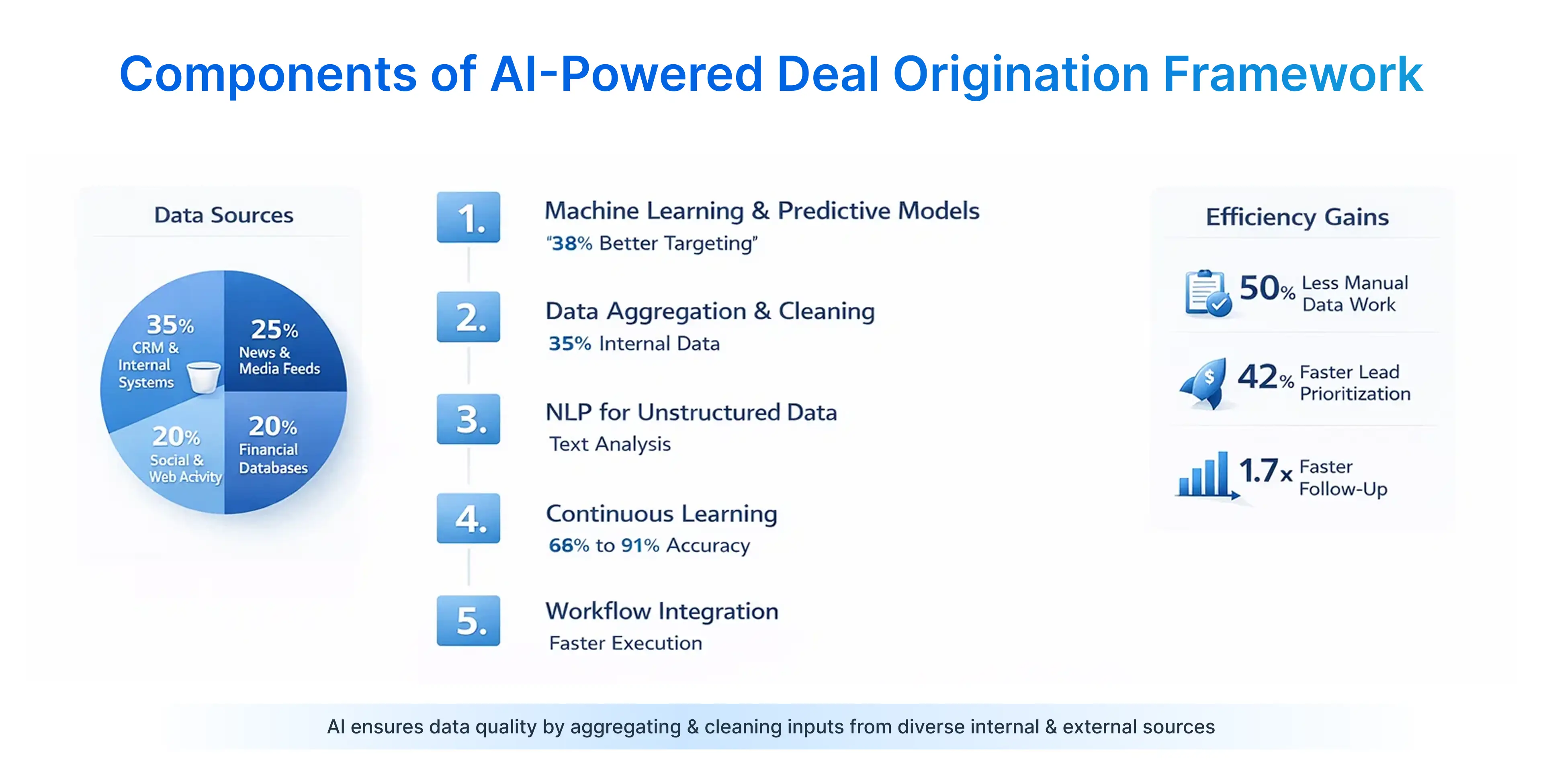
The technology stack includes encryption protocols and secure payments, protecting payment systems and user location data.
The Business Model: How Deal Aggregation Drives Success
Understand evolving traveler needs post-pandemic, including flexibility demands, multimodal journey planning, and budget consciousness, and how Skyscanner's aggregation directly addresses these emerging travel behaviors and preferences.
The Affiliate Business Model: Connecting Users to Travel Providers
Skyscanner connects users to Travel Providers, earning commission on Skyscanner booking conversions, not selling flight options directly.
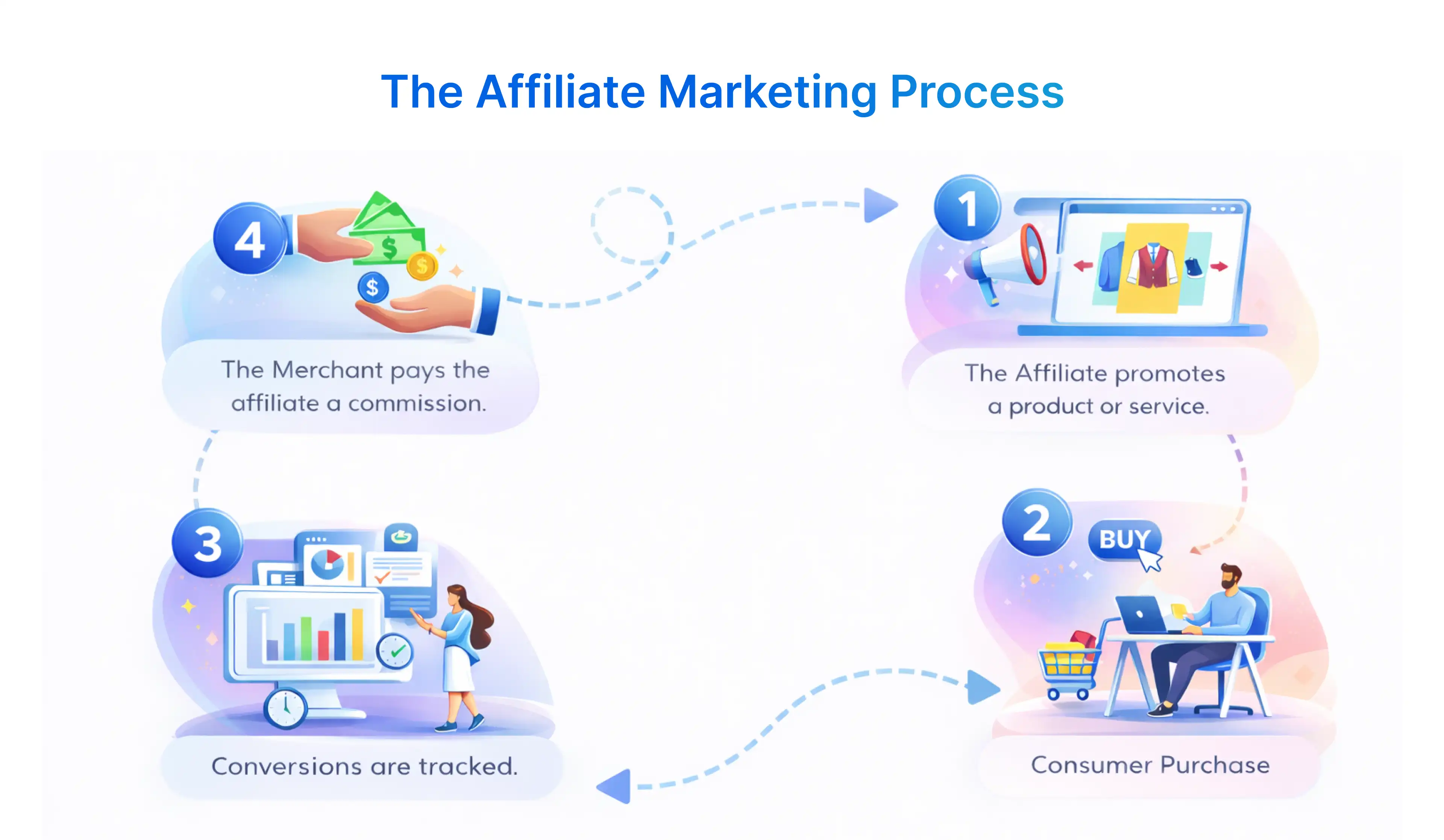
Revenue Model:
- Click commissions ($0.40–$1.00 per user)
- Booking commissions (4-8% hotel accommodations, variable flights)
- Meta search ads and business price comparison partnerships
Benefits:
- Aligned incentives (success through quality flight deals)
- No inventory risk like traditional booking sites
- Scalable price comparison model
- Travel Provider cooperation incentives through a channel manager for independent hotels
Impact on the Wider Travel Ecosystem
Skyscanner metasearch reshaped travel:
- Democratized flight deals access
- Price comparison transparency via business energy & clean energy solutions price comparison models
- Meta-search engines industry-wide adoption
- OTA meta search ads integration
- Booking engine competition improvement
Why Skyscanner's Deal Aggregation is More Important Than Ever
Responding to Evolving Traveler Needs
Post-pandemic shifts in travel experience:
- Flight deals flexibility demand
- Multi-destination flight options searches
- Budget consciousness via price comparison app
- Real-time flight data for last minute flight deals to anywhere
- Instant search results for urgent booking engine needs
- Google Flights comparison shopping
The Future of Travel Planning
Travel is becoming multimodal – combining flights, trains, buses. The same aggregation model is already reshaping ground transportation. In car shipping, platforms now connect vehicle owners directly with carrier networks in real time removing broker friction and delivering instant, transparent pricing the same way Skyscanner does for flights. Flight price data analytics enable route development planning. Traveller demand trends shape market share competition. Booking behaviour data informs product roadmaps for Assistance Needed features and baggage policies integration. Real time flight data monitoring becomes essential for competitive advantage.
Conclusion: Skyscanner – The Future of Finding Travel Deals
Meta-search aggregation changed travel fundamentally. Skyscanner flight eliminated visiting dozens of booking sites. Real time flight data shows actual market conditions. Artificial intelligence identifies genuinely valuable flight deals, not cheapest only. User trust grows through transparency. Skyscanner reviews confirm travelers find better deals faster.
Skyscanner commits to value and innovation. Generative AI personalizes search results. Meta-search engines drive multimodal support for multimodal journeys. Travel metasearch engine methodology remains open; Technology stack continuously evolves; Travel Insight quality measured objectively.
Travel deals aggregation democratizes access. Skyscanner booking enables budget-conscious travelers accessing last minute flight deals to anywhere previously requiring insider knowledge. Whether weekend getaway or round-the-world adventure, Skyscanner helps explore destinations affordably. As travel becomes increasingly personalized, metasearch engine importance grows exponentially.
People Also Ask
What is Skyscanner's meta-search aggregation?
Skyscanner queries 1,200+ travel providers simultaneously via APIs, aggregating flights, hotels, and car rentals into one unified search interface for complete market visibility..
How does Skyscanner aggregate travel deals?
Real-time API calls to partner systems update pricing multiple times per minute, normalizing flight and availability data into consistent, comparable search results instantly.
How does Skyscanner source data?
Direct API integrations with airlines, OTAs, GDS systems, hotels, and car rental companies ensure real-time pricing updates multiple times per minute for accurate availability.
Can users customize results?
Yes—filter by departure/arrival times, stops, airlines, price ranges, reviews, amenities, and car types. Multi-currency and secure payment options available globally.
What are the benefits?
Complete price comparison, zero booking fees, real-time deal alerts, time savings, user reviews, and guaranteed lowest prices across entire travel ecosystem.