


In today’s fast-paced digital economy, software quality directly impacts customer satisfaction, brand reputation, and revenue growth. Organisations are under constant pressure to release faster while maintaining high product quality. This has led many businesses to rethink traditional software testing models and partner with a software testing service company through Testing as a Service (TaaS).
Beyond operational flexibility, TaaS delivers measurable return on investment (ROI) by optimising costs, improving quality assurance outcomes, and accelerating development cycles. This article explores the business value and ROI of Testing as a Service and explains why testing is no longer just a cost center but a strategic business investment.
What This Blog Covers
- Explains what Testing as a Service (TaaS) is and how a software testing service company delivers on-demand QA
- Highlights the business value of TaaS, including cost optimisation and scalability
- Shows how TaaS improves ROI through faster releases and reduced defects
- Compares the benefits for startups business and enterprises using TaaS models
- Outlines key metrics to measure ROI, quality improvement, and business impac
What Is Testing as a Service (TaaS)?
A Cloud-based on-demand software testing Model, Testing as a Service is a model of software testing where Organisations can outsource their testing requests to a dedicated testing provider. Companies do not have to have an in-house QA team, testing infrastructure, and testing tools because they use external software testing services that are offered on scalable platforms.
TaaS encompasses a vast array of different types of testing, such as unit testing, API testing, performance testing, manual testing, automated testing, regression testing, security testing, mobile application testing, etc. Having the definition of unit testing and the unit testing meaning to the implementation of large-scale load and performance testing tools, TaaS providers take care of the entire quality lifecycle.
As opposed to the conventional testing methods, which would involve extensive investments in testing tools and talents to undertake the testing process, TaaS is a payment-as-you-use platform where a business can enjoy high-ranking testing systems without the need to sign any contracts.
Why Businesses Are Shifting to TaaS
Modern software delivery relies on agility, speed, and continuous improvement. As digital transformation accelerates, businesses face fluctuating testing demands, shorter lead times, and complex architectures driven by APIs, microservices, and CI/CD tools.
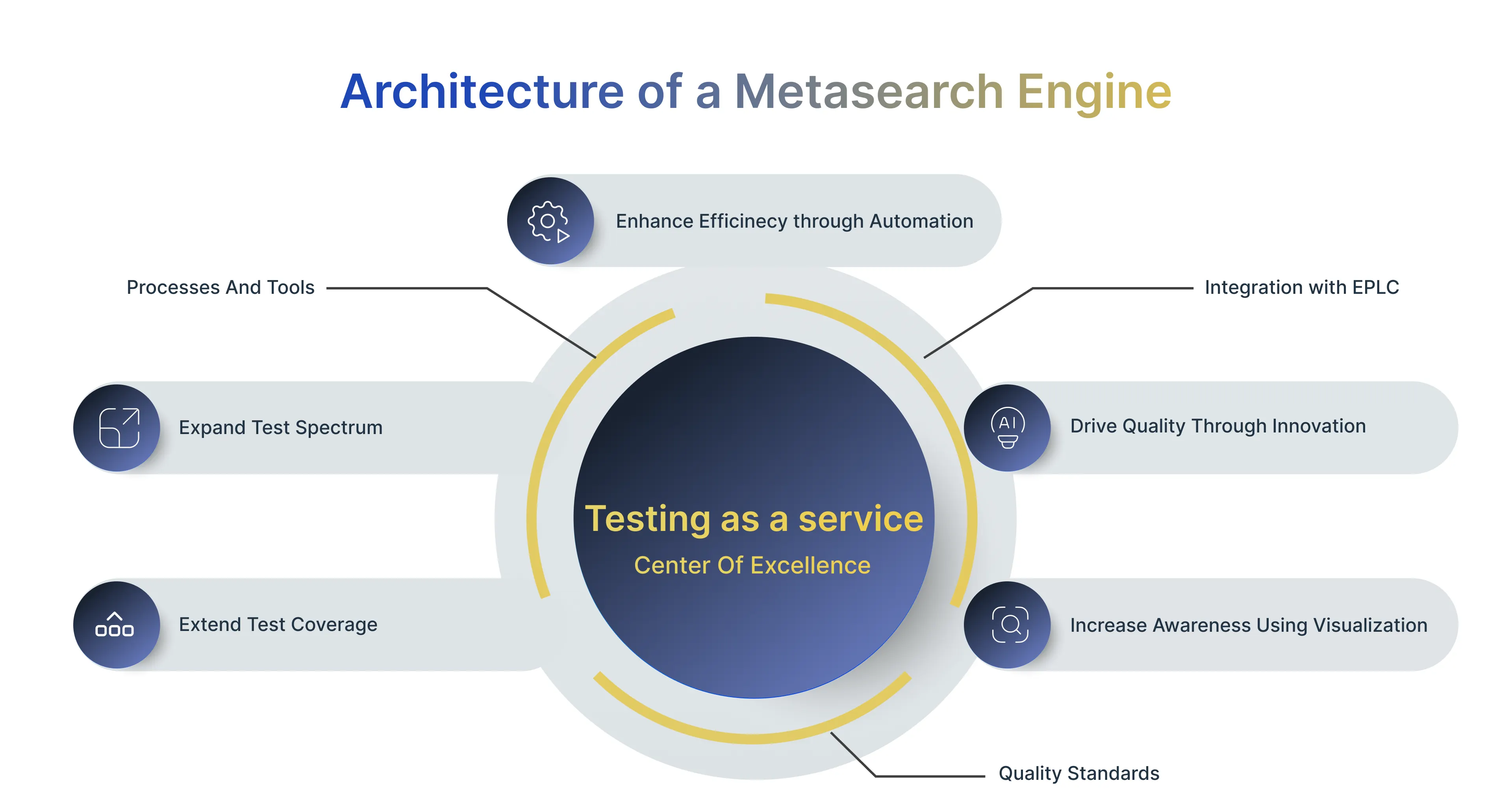
Organisations are shifting to TaaS to:
- Scale testing efforts instantly during peak demand
- Reduce manual testing cost and operational overhead.
- Support rapid development cycles and frequent releases.
- Improve test coverage across devices, platforms, and environments.
- Integrate seamlessly with automated tests and automation tools.
The growing adoption of API testing services, performance testing software, and software testing automation further strengthens the case for TaaS as a flexible and future-ready solution.
Key Business Benefits of Testing as a Service
Testing as a Service (TaaS) can help Organisations to enjoy improved software quality and at the same time be cost-effective and flexible. TaaS is beneficial because it allows companies to adjust to the shifting needs of testing rapidly due to the availability of on-demand access to trained QA experts, modern test tools, and scalable architecture without long-term contracts. It also enables shorter development cycles, better test coverage and less risk, enabling quality assurance to contribute directly to better customer experience and quantifiable business value.
Reduced Operational and Infrastructure Costs
One of the most significant benefits of TaaS is cost savings. Traditional testing requires investment in testing infrastructure, licensed testing tools, device farms, and skilled QA engineers. TaaS eliminates these expenses by providing access to a shared, optimised test environment.
By shifting from capital expenditure to operational expenditure, Organisations avoid high initial investment and pay only for the testing services they use. This directly improves ROI calculation and simplifies cost-benefit analysis for business stakeholders.
Faster Time-to-Market
Speed is a competitive advantage. TaaS enables parallel testing, faster execution of test cases, and continuous testing across development cycles. Automated regression tests, API endpoint testing, and web application performance testing tools help identify defects early, reducing rework and delays.
With tools like k6 performance testing, application performance testing tools, and API automation testing tools, releases become predictable and faster—boosting customer experience and market responsiveness.
Access to Specialized Testing Expertise
Hiring and retaining skilled QA professionals is challenging. TaaS provides instant access to domain experts in quality assurance, performance testing, penetration testing, usability testing, and exploratory testing.
From understanding what unit testing is and the purpose of unit testing, to leveraging advanced API testing platforms such as Postman API testing tools, businesses gain enterprise-grade testing expertise without long-term hiring commitments.
Understanding ROI in Testing as a Service
Understanding ROI in Testing as a Service means looking beyond testing costs to the real business value it creates. TaaS improves return on investment by reducing defects early, shortening release cycles, and eliminating unnecessary infrastructure and staffing expenses. When measured correctly, ROI in TaaS clearly shows how quality assurance drives cost savings, lowers risk, and delivers faster, more reliable software—turning testing into a strategic contributor to business success.
What Is ROI in Testing?
ROI as a term is defined as the monetary payback on investment. What is ROI in business? It is the efficiency of an organisation in transforming investment to value. ROI is used in testing to evaluate the reduction of costs, enhancements in product quality and minimisation of risk.
Organisations use a formula or ROI calculator to compare the testing costs with the benefits, which include reduced defects, quicker releases, and greater customer satisfaction.
Cost Savings vs. Traditional Testing Models
In-house testing often includes salaries, infrastructure, testing software licenses, and ongoing maintenance. TaaS replaces these fixed costs with a flexible model, enabling better ROI analysis and easier calculation ROI exercises.
Lower manual testing effort, reusable automated tests, and optimised testing tools contribute directly to improved return on investment (ROI).
Improved Product Quality and Reduced Defects
Early defect detection through unit testing, API testing, and regression cycle testing significantly reduces downstream costs. Defects found in production are exponentially more expensive than those detected during development.
Higher software quality, fewer production issues, and improved user experience directly enhance customer satisfaction and long-term revenue.
Risk Reduction and Compliance Assurance
TaaS supports security testing, regulatory compliance, and risk mitigation across business processes. Consistent testing reduces vulnerabilities, ensures compliance readiness, and protects brand reputation—benefits that strongly influence ROI calculation.
TaaS for Startups vs. Enterprises
TaaS provides value in various ways depending on the size and maturity of the organization. In the case of a start-up, it provides quick access to quality assurance skills at low cost and configuration whereas in the case of an enterprise, it provides scalable, standardized testing to multi-system complexity. The following comparison is used to outline the adjustment of TaaS to unique business requirements and growth phases.
When Testing as a Service Delivers Maximum ROI
Testing as a Service provides the greatest ROI when organisations have varied testing loads, high release frequency, or massive digital transformation programmes. It particularly works well in peak periods, automation expansion and performance critical release when speed, quality and cost efficiency are the most important factors.
TaaS delivers the highest ROI in scenarios such as:
- Digital transformation initiatives
- Rapid scaling or seasonal demand spikes
- CI/CD-driven development environments
- Migration to microservices and API-based architectures
- Large regression testing cycles
- Performance benchmarking using load performance testing tools
In these cases, flexible testing capacity and automation-driven execution significantly improve ROI outcomes.
Challenges and Considerations Before Adopting TaaS
Despite its benefits, Organisations must evaluate data security, vendor reliability, communication models, and integration with internal teams. Selecting a trusted quality assurance services company is critical.
Key Risks and Evaluation Criteria When Implementing Testing as a Service (TaaS)
Adopting Testing as a Service (TaaS) requires careful evaluation of data security, vendor reliability, and compliance standards. Organizations must assess integration challenges with internal teams, communication models, and SLA commitments. Clear KPIs, governance frameworks, and risk mitigation strategies are essential to ensure consistent quality and measurable ROI.
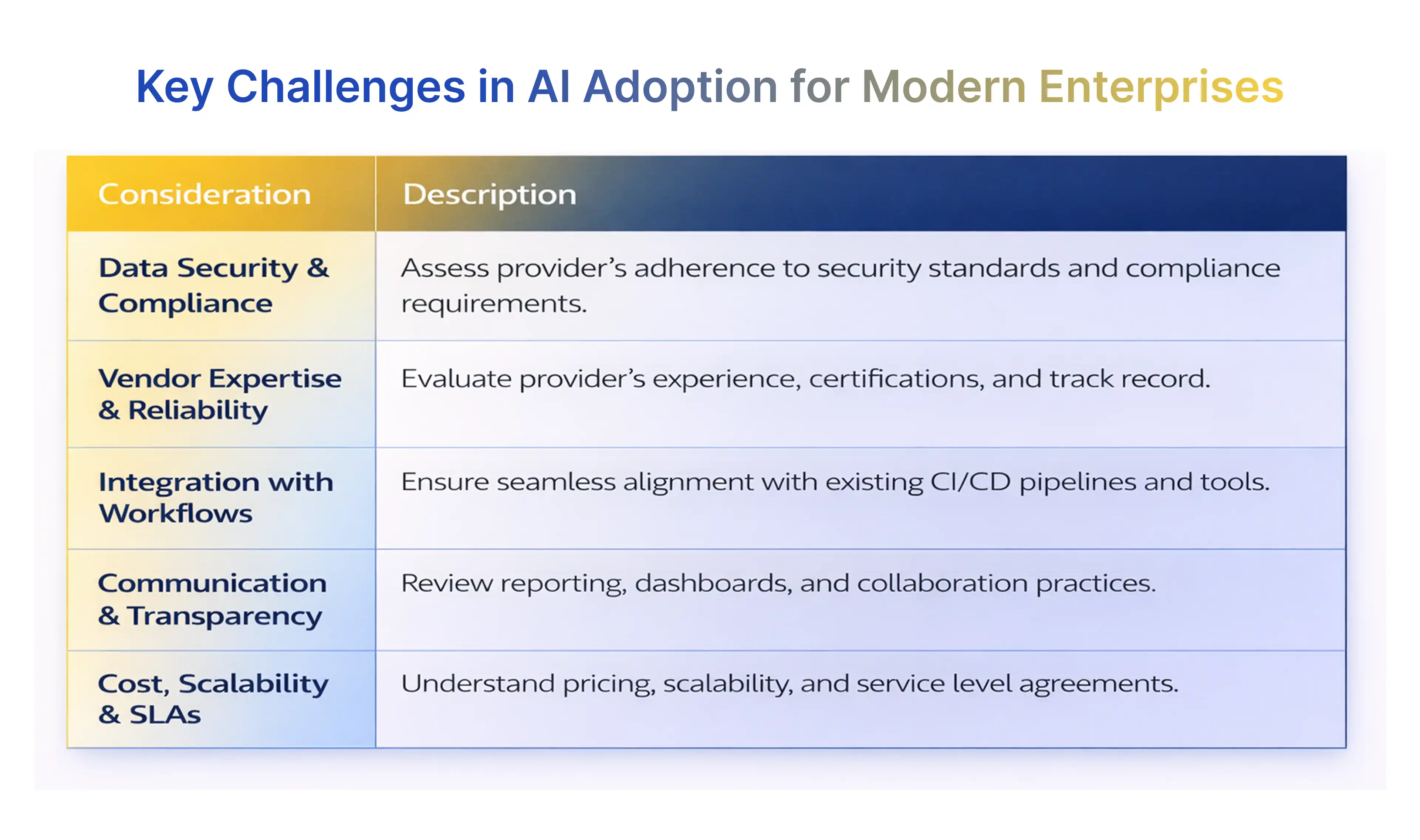
Clear SLAs, defined QA strategies, and secure test environments help mitigate risks and ensure long-term success.
Measuring the Success of TaaS Engagements
Measuring the success of Testing as a Service goes far beyond counting defects. Organisations evaluate cost efficiency by tracking cost savings, reduced manual testing effort, and optimized testing infrastructure. Quality-focused KPIs such as defect leakage, test coverage, regression effectiveness, and overall product quality indicate how well testing improves software reliability.
Delivery and business metrics—including release speed, lead time, customer satisfaction, risk reduction, and ROI analysis—together provide a complete view of how TaaS contributes to operational efficiency, business outcomes, and long-term value creation.
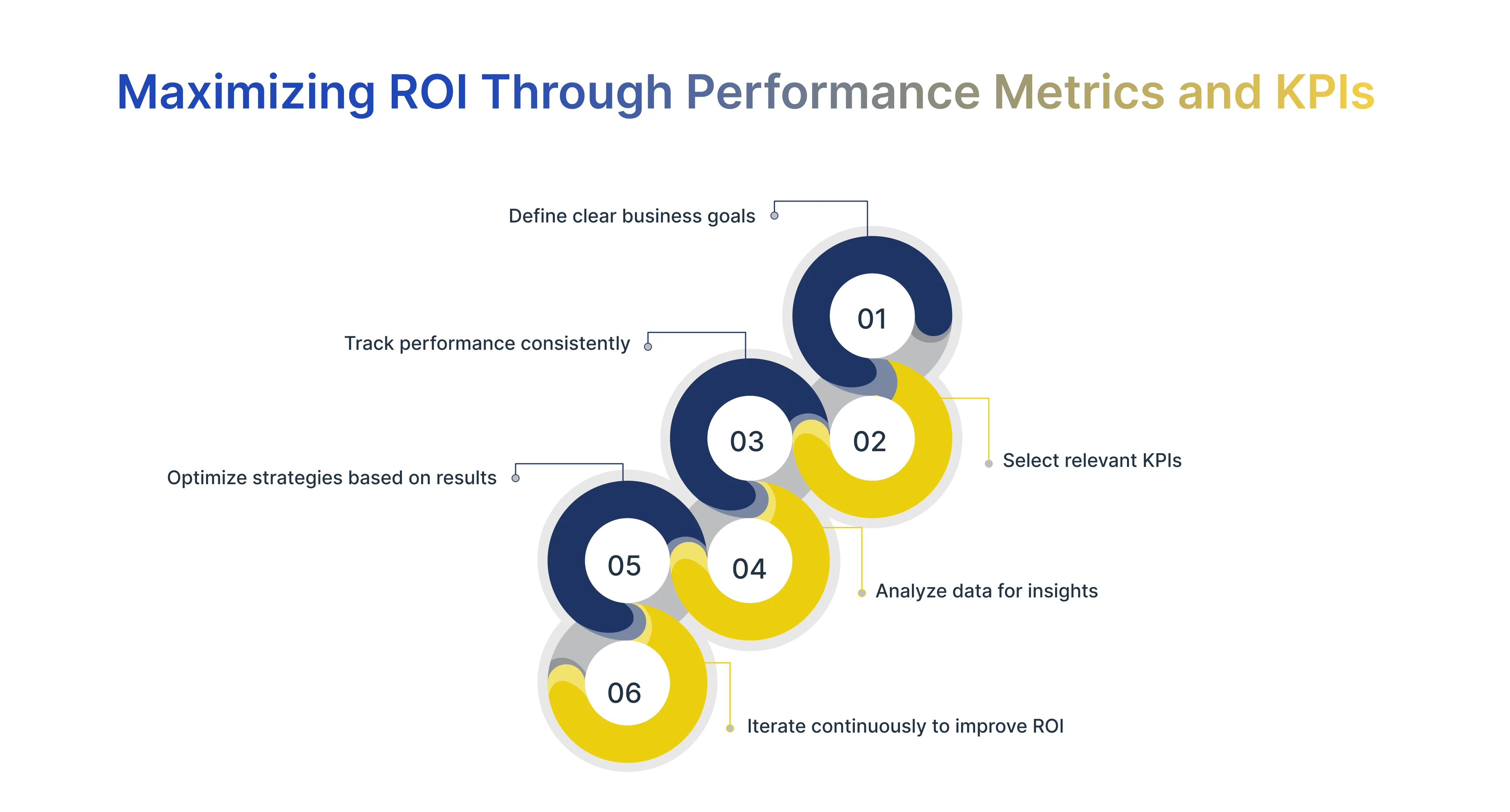
KPIs and Metrics for Evaluating TaaS ROI
KPIs and Metrics for Evaluating TaaS ROI focus on measuring cost savings, test coverage improvement, defect leakage reduction, and release cycle acceleration. Tracking metrics such as cost per test case, automation ROI, defect detection rate, and time-to-market helps organizations quantify quality gains and business value delivered by TaaS.
Conclusion: Turning Quality Assurance into a Business Investment
Testing as a Service (TaaS) changes the software testing to a reactive support service to a proactive business enabler. TaaS helps Organisations provide trustworthy digital products without overloaded infrastructure or a large in-house QA library. It reduces operation costs, speeds up development cycles, and improves software quality.This transformation enables companies to be innovation-oriented and remain of a steady quality standard.
By being coupled with clear quality assurance objectives and organized ROI tracking, TaaS can give visibility to the way testing will be used to help save money, reduce risks, and enhance customer experiences. Rather than posing the question, What does ROI stand for, decision-makers can implement ROI analysis, ROI calculation and performance measures to well illustrate the financial and operational effects of the modern testing strategies.
Testing as a Service has ceased being a purely defect detection or compliance investment in an ever-competitive digital world and is a strategy to create resilient, scalable, and customer-centric software. When quality assurance is considered an investment in the business as opposed to a cost, Organisations are able to realize sustainable development, better development in the marketplace and smarter pay off in the long run.
FAQ
Q1. How does Testing as a Service support compliance and audit readiness in regulated industries?
TaaS ensures compliance by following industry standards, maintaining detailed test documentation, audit trails, and traceability. Regular security, compliance, and validation testing helps organizations stay audit-ready and reduce regulatory risk.
Q2. Can Testing as a Service be customized to align with existing development and DevOps workflows?
Yes, TaaS integrates seamlessly with CI/CD pipelines, DevOps tools, and agile workflows. Testing strategies, tools, and reporting can be tailored to match existing processes without disrupting development velocity.
Q3. How is knowledge transfer managed in Testing as a Service when project teams change?
TaaS providers use centralized documentation, standardized test frameworks, and shared knowledge repositories. This ensures continuity, faster onboarding, and minimal dependency on individual team members.
Q4. Which metrics best measure the effectiveness of Testing as a Service beyond cost savings?
Key metrics include defect leakage rate, test coverage, automation effectiveness, release stability, and time-to-market. These indicators reflect quality improvement and overall business impact.
Q5. How does Testing as a Service adapt to emerging technologies such as AI, IoT, and cloud-native applications?
TaaS evolves by adopting modern testing tools, automation frameworks, and specialized expertise. It supports scalable testing for AI models, IoT ecosystems, and cloud-native architectures to ensure performance, security, and reliability.