


SaaS systems are getting more and more important by global organizations so that they can provide scalable digital offerings, enhanced management of workflows, and market expansion. A company does not install software in local infrastructure anymore: instead of that, the software is delivered as a service in cloud computing platforms, including Google Cloud and Windows Azure. However, expanding internationally with the implementation of SaaS applications must be properly tested.
Business enterprises can be in a position to ascertain the security and conformability of the platforms and guarantee a reliable performance within other regions. One other thing that organizations should ensure that they test out the performance of the infrastructure to scale efficiently in a distributed cloud environment before going global.
Frugal Testing is one of the companies that assist companies to test SaaS platforms in various regions to ascertain that they are safe, scalable, and prepared to roll out globally successfully.
The Growing Importance of SaaS Platforms in Global Enterprises
SaaS software has become a strategy, rather than a cost-saving tool, due to digital transformation. Enterprise cloud is now managing all aspects of supply chain management, customer analytics, and multi-tenant SAAS platforms allow businesses to scale those operations to a global level without supporting infrastructure of individual servers in other regions.
Several forces are accelerating this shift:
- Demand for flexible cloud solutions that allocate resources automatically as user load increases.
- Faster release cycles enabled by continuous integration tools and DevOps practices.
- Broader system connectivity through open APIs and third-party integrations.
- Cost efficiency from shared cloud storage services rather than owned data centers.
SaaS eliminates much of the pain of international expansion - however, it brings another series of issue. Validation is not optional when your platform is spread across a variety of cloud computing platforms and provides services to consumers in divergent regulatory jurisdictions. The least significant bug in a single location deployment of a system can cause a gap in testing that turns into a compliance error or a service failure at the global scale.
What is SaaS, and how do software as a service platforms operate
Software as a Service (SaaS) means applications are delivered over the internet rather than installed locally. Users access the platform through a browser or API while the SaaS provider manages updates, security patches, and infrastructure underneath.
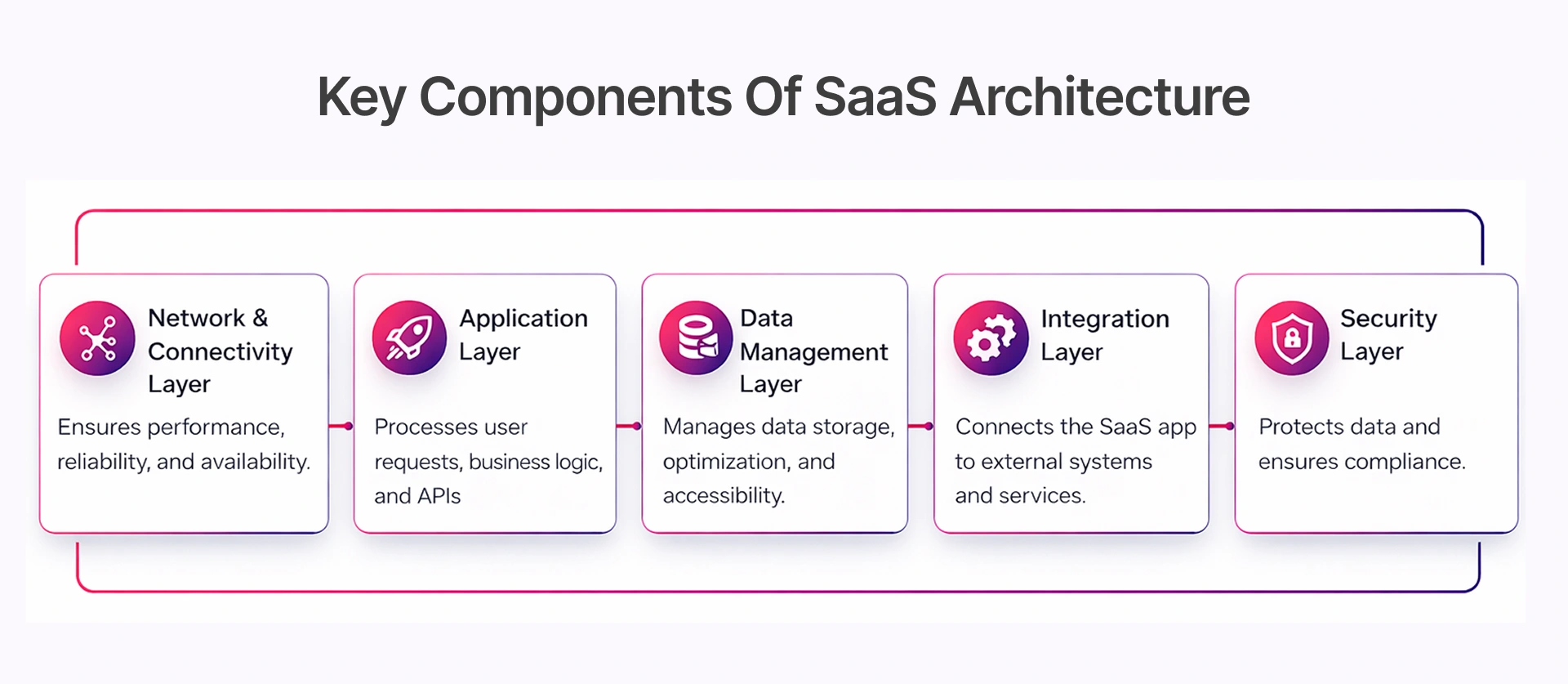
The majority of current SaaS designs focus on a scale-grounded design. The core components include:
- Multi-tenant systems installed that provide the ability to share a common application environment by several organizations with their data kept separate.
- Distributed cloud servers are implemented on many geographical locations to lower latency and enhance availability.
- Scalable cloud storage services that are automatically expanded when needed by users instead of having to be increased manually.
- Apache Spark is a distributed analytics engine commonly integrated with self-hosted data lakehouse architectures used by enterprise analytics, often using large-scale data workloads.
- Real-time performance, error and uptime monitoring via cloud monitoring tools.
- Hardly any supervision Continuous deployment pipelines that automatically deliver tested code changes to production.
It is this architecture that causes SaaS to be fast. Since the system is distributed however, any validation procedure must take into consideration variability - in the regions of the clouds, network availability and quality, regulation, and user behaviour.
Benefits of SaaS platforms for enterprise scalability and cloud computing
One of the biggest advantages of SaaS platforms is their ability to scale quickly without requiring organizations to manage physical infrastructure. By running applications on distributed cloud computing platforms, enterprises can expand services across regions while maintaining consistent performance for users.
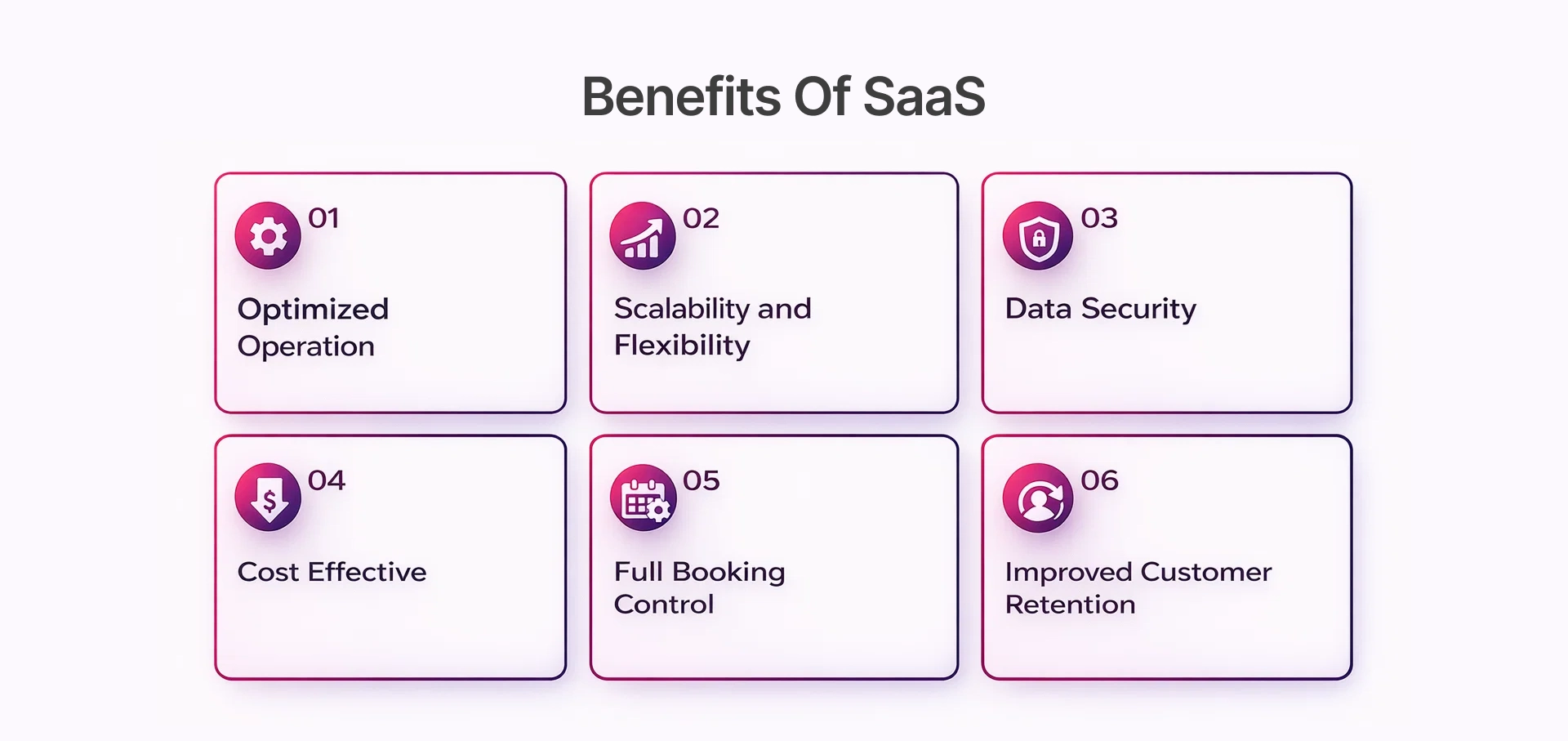
There are several operational advantages that are passed onto SaaS to organizations operating their operations in the global environment:
- Elastic scaling of enterprise cloud resources without overlaying regional infrastructure.
- Lower administrative expense associated with sharing the infrastructure as compared to managing on premises servers.
- Quick movement of cloud and reduced dependence on hardware.
- Internal security control procedures such as encryption and access.
- Localization Belonging to machine translation, use of regional currency format, right-left interface.
These attributes help the companies to expand at a higher pace and be able to serve the global users better. At the same time, the multi-regional operation contributes to the increased importance of the validation of SaaS platforms in order to ensure the stability of performance and compliance.
Common challenges enterprises face when adopting SaaS software
The use of global SaaS presents a multi-tiered set of issues that technical teams do not always take seriously until their initial multi-region deployment.
The most prevalent ones are those that relate to data governance. The needs of different nations regarding data residency (where the data is stored), data sovereignty (what laws pertain to it), and data localization (is it able to leave the country at all) vary. Neglecting such in architecture and verification may lead to regulatory fines following the launch.
Another layer is provided by security requirements. Encryption is not enough to prevent data breaches since it needs a regular execution of security measures and multi-factor authentication in all regions, as well as routine audits to identify configuration drift.
There are even tighter demands on regulated industries. The life sciences and medical device companies, such as those, have to adhere to 21 CFR Part 11 (the FDA framework of electronic records and signatures) and GAMP 5 (a risk-based approach to computerized system validation). Adherence to these frameworks is not something that comes after venturing into those markets.
Why Regional Validation Matters Before Global SaaS Deployment
Before launching globally, enterprises must validate SaaS applications across different regulatory and infrastructure environments. Regional validation ensures the software performs reliably while meeting local compliance and performance requirements.
Key reasons regional validation is important include:
- Different regulatory compliance requirements across regions
- Infrastructure variations across cloud computing platforms
- Cultural and usability factors affecting user experience
- Security rules for data storage and processing
By validating SaaS platforms regionally, organizations can ensure reliable, compliant, and user-friendly deployments across global markets.
Regional compliance requirements and data protection regulations
Global SaaS providers operate across a patchwork of overlapping legal frameworks. Meeting compliance standards is not a one-time checkbox — it requires ongoing validation as regulations evolve.
The major frameworks enterprises must navigate include:
- SOC 2 and ISO 27001 for information security. SOC 2, governed by AICPA, produces an attestation report confirming that a set of security controls is operating effectively. ISO 27001, governed by the International Organization for Standardization, certifies a comprehensive information security management system (ISMS). Both are widely required by enterprise customers, but they work differently.
- PCI DSS for payment data, which mandates specific controls around how cardholder information is stored and transmitted.
- Schrems II and the US CLOUD Act, which govern cross-border data transfers and can require structural changes to where and how data is processed.
- The EU AI Act, which is introducing new requirements for AI-driven features in enterprise SaaS products operating in European markets.
Checklist checking is not all that compliance validation consists of. It consists of mapping your data flows on your platform to suit requirements of each framework, detecting gaps in your security controls, and conducting tests that they are operational, as opposed to being documented. In the case of SOC 2, that usually requires contracting a Type 2 audit, which tests controls as a duration. In the case of ISO 27001, this implies the internal audit before the external certification.
The technical foundations are strong data encryption, structured access controls and constant compliance monitoring. The validation layer assures them that they are running as intended.
Infrastructure differences in cloud computing platforms across regions
The not all clouds infrastructure is not the same within a region. The performance of the network, offered service, storage capacity, and data centre deprivation differ in a huge way between Google cloud, windows azure, and third-party providers - and even within a given provider across geographic regions.
- When businesses have tested SaaS infrastructure across geographical locations they are normally testing:
- Variability of latency, i.e. not only mean response times, but also tail latency percentiles (p95, p99) indicating what actually is experienced by the slowest requests.
- Throttling behavior in API, which may vary across cloud service providers and condition the capacity of the platform to respond to surges of user traffic.
- Performance and consistency of object storage, especially object storage services that support large media files or user-generated content.
The portability of data architecture, such as the compatibility of platforms developed on Apache Iceberg (an open tabular format of large-scale analytics) with multiple cloud storage backends.
Such variants affect the cost and reliability of the systems. Cross-environments validation before launch will make regional performance variations engineering choices, but not production failures.
Adapting SaaS platforms for regional user behavior and accessibility
Localization is the often-underestimated dimension of global SaaS validation. A platform can be technically compliant and infrastructure-ready but still fail in a market because it presents dates in the wrong format, doesn't support the dominant local payment method, or renders poorly in a right-to-left language.
Effective localization for global SaaS platforms involves:
- Language support through machine translation tools, supplemented by human review for markets where terminology accuracy is critical.
- Date, currency, and number formatting adapted to regional conventions, tested against real user workflows rather than just checked in a spreadsheet.
- Local payment methods integrated and validated — in many markets, global card networks are not the primary payment method.
- Interface design tested for right-to-left languages, which require layout adjustments beyond simply flipping text direction.
Product localization is a testable engineering deliverable, not a translation project. Validating it properly means running functional tests in each target locale before launch.
Key Methods Enterprises Use to Validate SaaS Platforms
The validation of SaaS needs to be a structured test program and not a series of somewhat arbitrary checks. Teams that successfully do this are often enterprise-wide and consist of three layers of validation functional testing: This assures that the platform is working, performance testing: This assures that the platform is working with load, and security testing: This assures that the platform is not something to exploit.
This is the model on which Frugal Testing creates structured SaaS testing programs that assist organizations in verifying applications on global infrastructure environments before being deployed.
Conducting software testing and QA testing for SaaS platforms
SaaS platforms need extensive testing of their software to take into consideration the multi-tenant, distributed character of the architecture. It is not sufficient to test a feature in isolation, but ensure that it can handle many tenants at once and across cloud regions as well as realistic data volumes.
The core QA testing disciplines for SaaS platforms include:
- Integration testing that ensures that the internal components of the platform and third party API connections act as expected when put together and not just individually.
- Load testing and performance testing, simulates the realistic volume of traffic to determine the bottlenecks, before the users face the bottlenecks. This involves testing at peak load not an average load.
- Penetration testing, through security experts, who will make an attempt to attack the application and seek vulnerabilities as the automated scanners fail to detect.
- Data validation testing where controlled test data sets are used to represent actual data volumes and edge cases, instead of minimum happy-path input.
.webp)
These testing processes are most valuable when they are systematic and repeatable. One-off tests before a major release are less reliable than continuous testing integrated into the deployment pipeline.
Using automation software and test management tools for efficient validation
Manual testing does not scale for global SaaS validation. The number of configuration combinations — across regions, browsers, API integrations, and user roles — is too large for human testers to cover consistently. Automation software solves this by executing tests at scale, on schedule, and without variation.
Modern automation-driven SaaS validation typically involves:
- Test suites were put into CI/CD pipelines whereby each code change undergoes checking automatically before it is sent to staging or production.
- All the centralized test management tools, which monitor the test results, point out regressions and which test has been tested and at what time.
- Automation of regression testing which performs the entire test set every time a release is made to identify unwanted side effects of changes.
- The documentation artifacts, such as the Validation Plans, Validation Packages and Traceability Matrices which provide an association of test cases to requirements, which is often required in the case of regulated industry compliance.
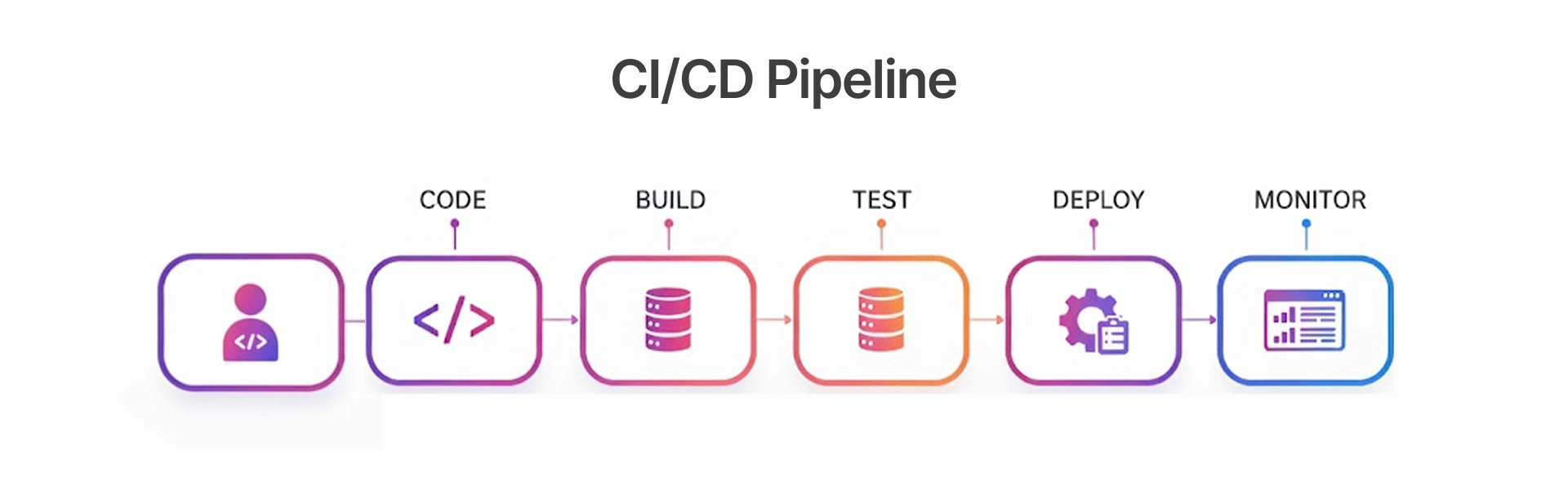
DevOps tools like Azure DevOps and GitHub App integrate automation testing directly into the software delivery pipeline. Azure DevOps, for example, supports end-to-end traceability from a code commit through build, test, and deployment — which makes it easier to demonstrate compliance during audits.
User acceptance testing to evaluate real-world SaaS performance
Automated testing confirms that the platform behaves correctly. User acceptance testing (UAT) confirms that it behaves correctly in the way real users actually work — which is not always the same thing.
UAT for global SaaS platforms should be structured around realistic usage scenarios, not curated demos. This means:
- Recruiting test users from each target region, not just from the development team's geography. A user in Southeast Asia on a mobile connection is testing a meaningfully different experience than a user in Frankfurt on a corporate network.
- Testing daily workflows end-to-end, including edge cases that come up in real usage but are easy to miss in scripted test plans.
- Validating against the User Requirements Specification (URS), which defines what the system must do from a business perspective. UAT is the formal checkpoint for confirming those requirements are met.
- Documenting pass/fail criteria in advance so that UAT produces a clear go/no-go decision rather than a collection of subjective feedback.
UAT findings often surface localization gaps, workflow friction, and accessibility issues that automated tests miss entirely. Building adequate time for UAT — and for resolving what it finds — into the global rollout timeline is one of the most common things teams underestimate.
Leveraging DevOps and Multi-Cloud for Reliable SaaS Deployment
Scalable infrastructure is not sufficient to operate a SaaS platform in different locations. The businesses require consistent deployment processes enabling teams to release updates fast and at the same time remain stable. The combination of devops practices and multi-clouds strategies can assist organisations to deal with this complexity by automating development processes and workloads spread across cloud infrastructure.
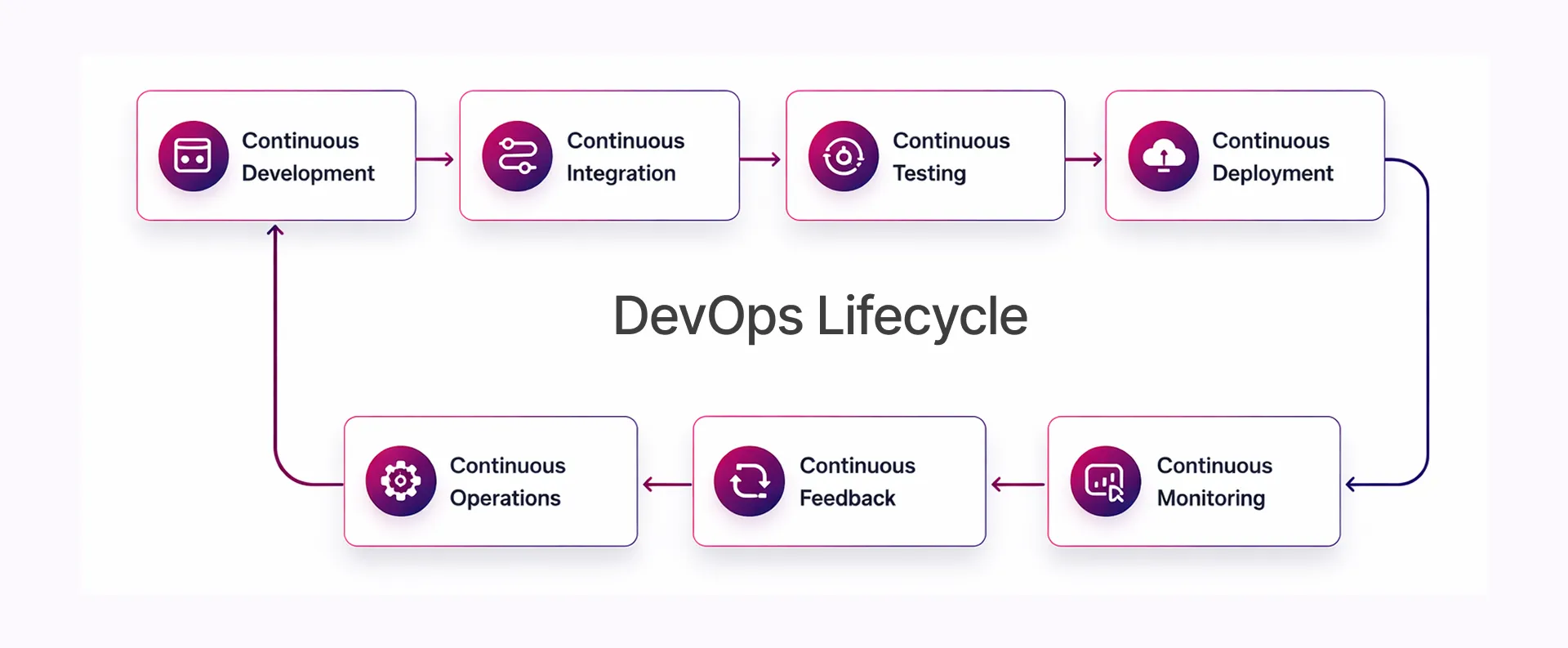
The important deployment practices involve:
- Continuous integration pipelines to automate the builds and releases.
- The infrastructure management by multi cloud management systems.
- Testing performance of applications using incorporated cloud monitoring software.
These practices combined enable organizations to provide uniform services globally and minimize downtime and do not compromise reliability as SaaS platforms are deployed to all parts of the planet.
How DevOps tools such as Azure DevOps support SaaS deployment
Modern SaaS deployments rely on DevOps tools to speed up development and ensure reliable releases. Platforms like Azure DevOps and GitHub App help automate the software delivery process across cloud environments.
These tools help teams:
- Manage application builds and deployments.
- Automate testing and infrastructure provisioning.
- Track code changes and support change control.
Using DevOps services, organizations can release updates faster while maintaining stability in their SaaS platforms.
The role of cloud infrastructure in ensuring SaaS scalability
One of the benefits of SaaS platforms is scalability, which cannot be achieved without a good infrastructure in clouds. Under these conditions in cases where an application is being served to multiple locations, the infrastructure used to support it should be able to support increasing workloads without delay.
The main infrastructure capabilities are:
- Demand-based high-performance cloud servers.
- Distributed cloud-storage which facilitates access to global data.
- Scalable analytics technology like Apache Spark to process huge data.
Having the appropriate cloud infrastructure in place, SaaS providers should be able to accommodate growing user bases, handle growing workloads, and also provide consistent performance in global markets.
Using multi-cloud and multi cloud management to improve global performance
Many enterprises adopt multi-cloud strategies to improve reliability and avoid vendor lock-in.
Benefits of multi-cloud environments include:
- Improved redundancy and disaster recovery.
- Greater flexibility for cloud migration.
- Enhanced performance across geographic regions.
These strategies help enterprises maintain consistent performance for global SaaS users.
Ensuring Continuous Quality Assurance for Global SaaS Platforms
The validation process does not end with the launch, it is the start of another phase. SaaSs are dynamic: new features are released, clouds are upgraded, regulations are modified, and users change. Continuous quality assurance is the manner in which organizations uphold the posture of performance and compliance that they had validated prior to launch.
Monitoring SaaS performance using quality assurance metrics
Team monitoring notifies teams of issues which can impact on users.
Monitoring common measures are:
- Uptime and errors of the system.
- Network percentiles and latency percentiles.
- Performance of API and API throttling.
Monitoring these metrics will keep the performance of an application in check.
Managing updates and improvements across enterprise cloud environments
Frequent updates are necessary to maintain SaaS security and functionality.
Organizations manage updates using:
- Automated deployment pipelines.
- Structured change control and governance frameworks.
- Continuous monitoring for system performance.
These processes ensure stable updates across global environments.
Building feedback systems to continuously enhance SaaS software services
User feedback is essential for improving SaaS platforms over time.
Enterprises gather insights through:
- User analytics and support channels.
- Product feedback surveys.
- Usage data from active customers.
These insights help teams prioritize improvements and enhance product quality.
Conclusion: Preparing SaaS Platforms for Successful Global Rollout
Why regional validation is essential for enterprise SaaS success and how Frugal Testing can help
Regional validation ensures that SaaS platforms meet regulatory requirements, infrastructure constraints, and user expectations across different markets. It helps enterprises confirm that their platforms comply with global regulations while maintaining reliable performance across different cloud computing platforms.
Key validation priorities include:
- Compliance with global compliance standards and security standards.
- Infrastructure testing across multiple cloud computing platforms.
- Continuous SaaS Testing and performance monitoring.
Organizations like Frugal Testing support enterprises by providing structured software testing services, advanced automation testing, and validation strategies that help ensure safe and reliable SaaS deployment across regions.
The role of cloud computing and DevOps in global SaaS expansion
Modern cloud computing and DevOps practices allow enterprises to deploy SaaS platforms rapidly while maintaining system reliability.
Critical technologies supporting global SaaS growth include:
- Automated CI/CD pipelines using DevOps tools.
- Distributed enterprise cloud infrastructure.
- Flexible deployment through multi-cloud strategies.
These technologies enable scalable and resilient SaaS deployments.
Encouraging enterprises to adopt strategic SaaS validation practices
A Successful global SaaS rollout requires a structured validation strategy.
Effective validation approaches include:
- Establishing formal validation frameworks and governance processes.
- Conducting continuous testing and performance monitoring.
- Implementing strong security protocols and compliance checks.
By combining infrastructure readiness, regulatory compliance, and robust testing practices, enterprises can confidently launch SaaS platforms across global markets while delivering reliable digital experiences.
People Also Ask (FAQs)
Q1.What are the ways in which businesses test a SaaS platform to the global extent?
Ans: The test of a SaaS platform is done by software testing, QA testing, and automation software which provides treatment to guarantee that the SaaS software can work reliably across the regions. This certification assists in establishing that the software as a service product is scalable as far as the big scale implementation is concerned.
Q2.What is the significance of software testing of SaaS cloud environments?
Ans: The services of software testing and quality assurance are used to detect the problems related to performance, security, and compatibility in the SaaS cloud settings. Before global launching, proper testing of the SaaS platform will maintain its accredited function.
Q3.How can DevOps tools aid the testing of SaaS platforms?
Ans: Some devops tools, such as build-in Azure Devops and GitHub app integrations automate the deployment process and testing process. Such DevOps services will guarantee quicker validation of SaaS software in various settings.
Q4.It is necessary to test the cloud infrastructure that has been deployed globally on SaaS?
Ans: The testing of cloud infrastructure, cloud computing platform, and enterprise cloud environments help in determining that the application will do well within the various regions. This procedure confirms the capability of cloud solutions and cloud servers in large clients to support international user traffic.
Q5.What is the use of multi-cloud to test the SaaS platforms on the multi-regional basis?
Ans: The companies implement multi-cloud or multi cloud management to install the applications on various providers to test their reliability. Such functionalities as cloud storage, cloud sync, and cloud migration are used to sustain performance, data availability on a global scale.