


What Is Pact and Why Contract Testing Matters in Enterprise Microservices
Shipping a microservices release only to watch two services break each other in production is a specific kind of frustrating. Both services qualified their respective tests. Nothing in CI warned you. Contract testing exists because that scenario is common. Pact is the framework most teams gravitate toward because it solves one specific problem: figuring out whether a consumer and provider can actually communicate without having to spin up the entire system to find out.
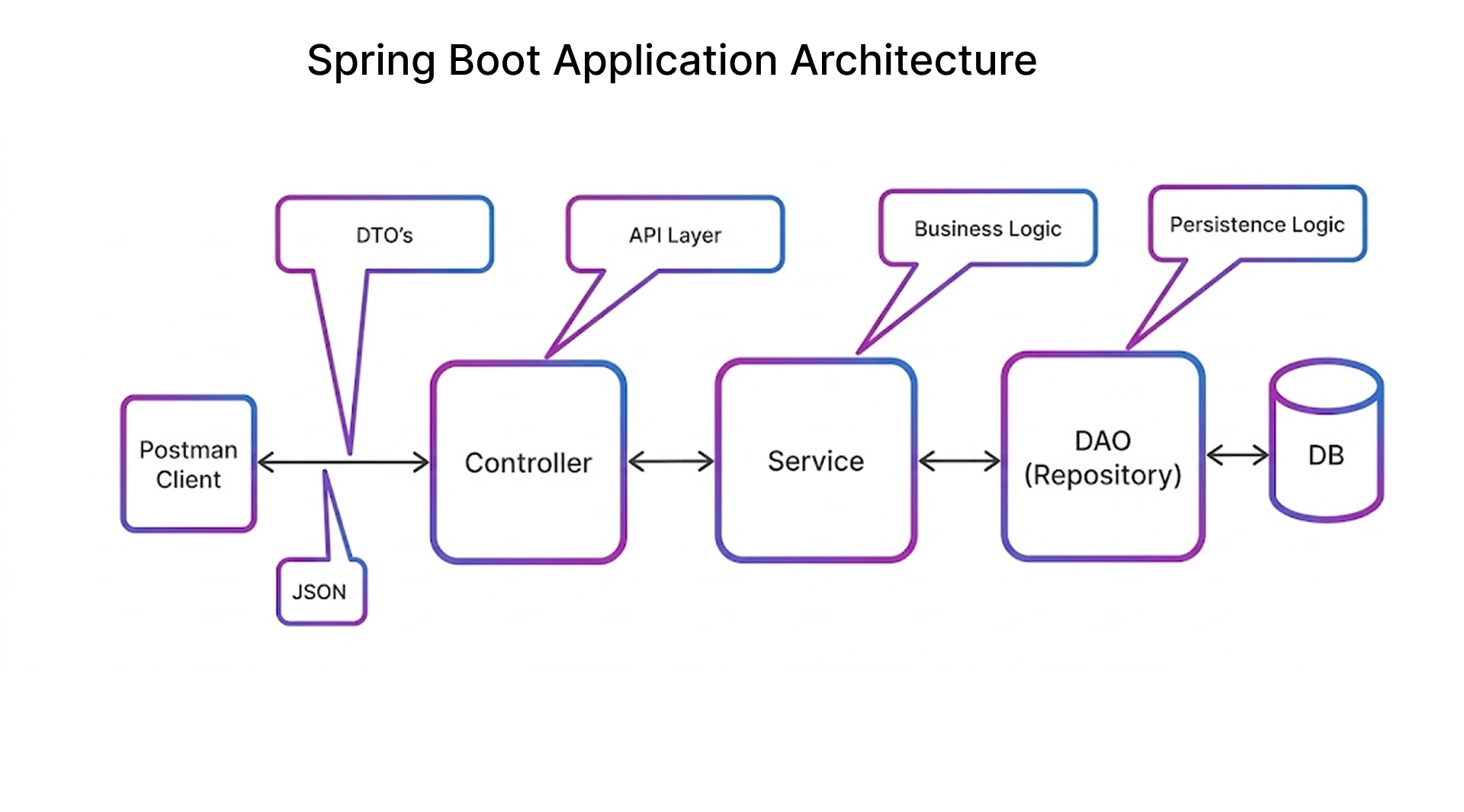
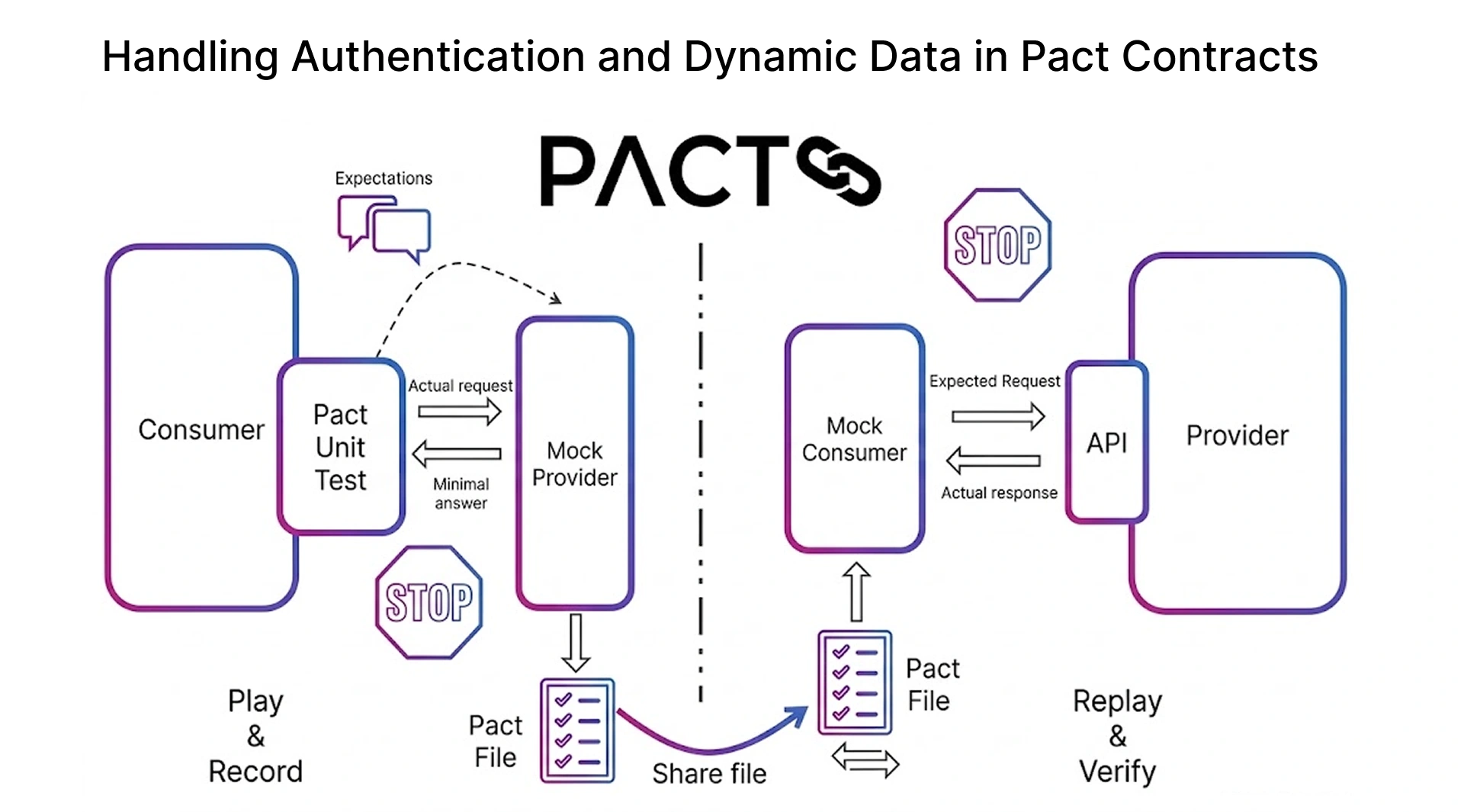
- When you write consumer tests, Pact generates a JSON contract (called a pact file) that captures exactly what requests the consumer makes and what responses it expects back.
- The provider then runs its own verification tests against those contracts, so both sides can confirm compatibility independently no shared environment required.
- All these contracts are stored and versioned in the Pact Broker, which acts as a central source of truth and makes it possible to gate deployments safely across teams. The more services you run, the more this matters at 10 services, the manual coordination stops being manageable and starts being a real problem.
The more services you run, the more this matters. At 10 services the manual coordination is annoying. At 50 it breaks. Frugal Testing has set up Pact implementations across fintech, healthcare, and SaaS clients, and the pattern is consistent: most cross-service failures are not logic bugs.Frugal Testing has made Pact-based microservices testing a cornerstone of what they do, helping enterprise teams across more than 30 industries roll out contract testing at scale.Most microservices failures aren't clever bugs in your business logic. They're two services that stopped agreeing on what a field is called and nobody noticed until it hit production.
Why Enterprise Teams Are Replacing Manual API Contracts with Pact
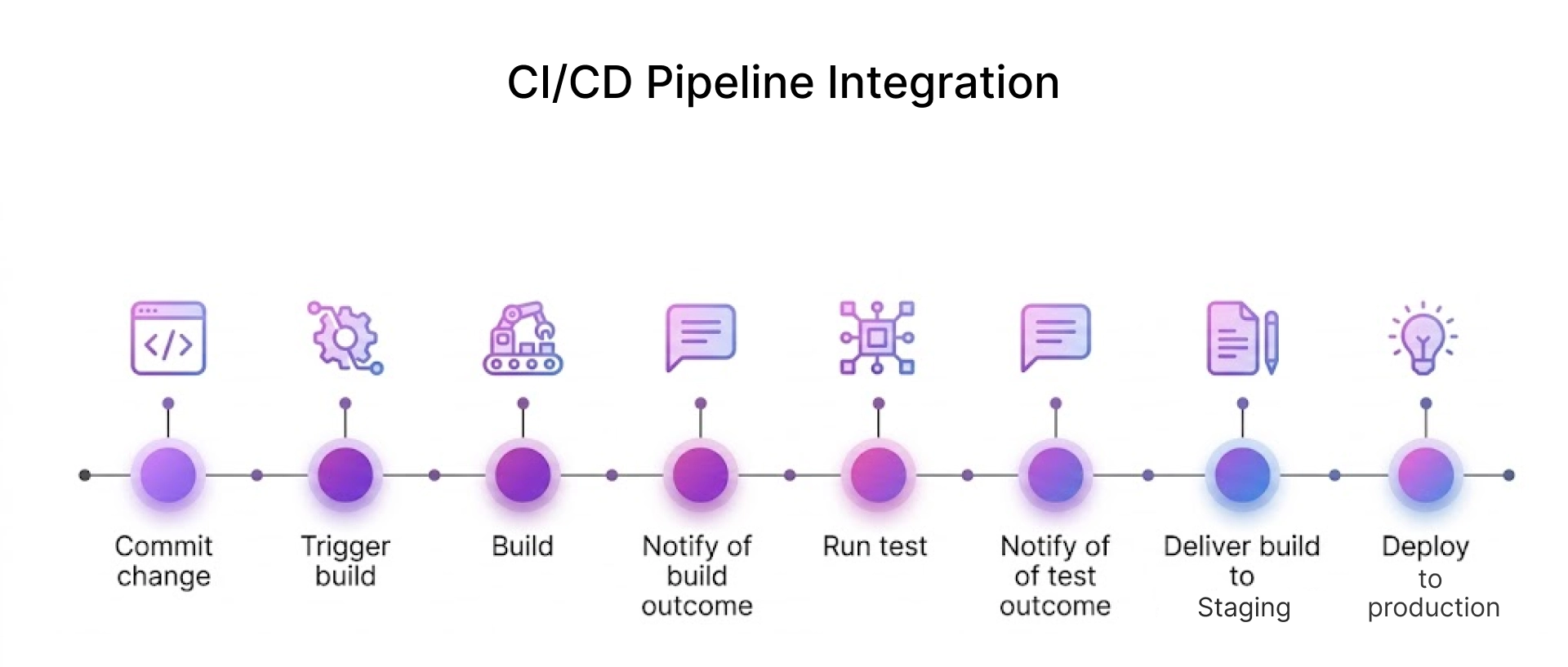
API contracts written in Swagger files or Confluence pages have a shelf life. A developer changes a response field, skips the doc update, and the consumer breaks. Nobody finds out until integration testing or worse, production. Pact replaces the documentation with a test that actually runs. That test runs in CI on every commit and if the contract breaks, the build breaks. Simple as that.
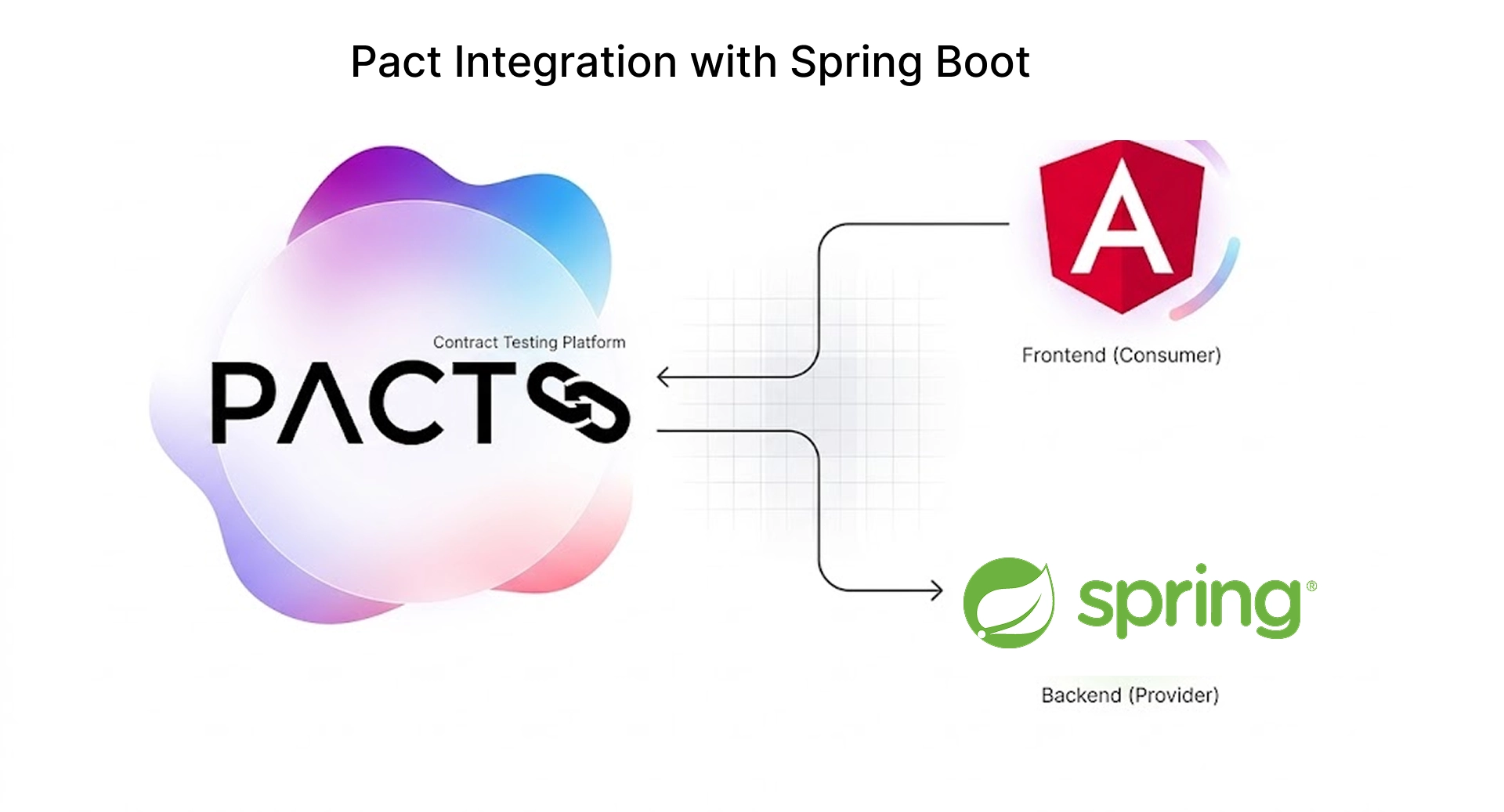
- Consumer-driven contract testing puts ownership of the contract in the hands of the consumer team, rather than a neutral third party who may not fully understand the business logic on either side..
- Provider verification plugs straight into Jenkins, GitHub Actions, or Azure DevOps and runs automatically no human review, no waiting around for a shared QA environment to free up.
- Breaking changes get caught in the pipeline the moment they're introduced, not three sprints down the line when services are finally deployed together and something unexpectedly falls apart.
And if you're already running Spring Boot with JUnit5 and Maven, getting started with Pact is as straightforward as adding a dependency and writing two test classes.
Setting Up Pact in an Enterprise Spring Boot Environment
Before adding Pact, check three things: your Spring Boot version, whether you're on Maven or Gradle, and your current JDK. Version mismatches between these tend to surface as classpath issues, so they're easy to misread as a Pact problem when they're not.
For a Maven multi-module project, add the Pact consumer dependency to the consumer module's pom.xml specifically — not the parent.
<dependency>
  <groupId>au.com.dius.pact.consumer</groupId>
  <artifactId>junit5</artifactId>
  <version>4.6.14</version> #version mention
  <scope>test</scope>
</dependency>
For Gradle projects the equivalent is:
testImplementation 'au.com.dius.pact.consumer:junit5:4.6.14'
- Always double-check pact-jvm compatibility with your JDK version JDK 8+ for older Pact versions, JDK 11+ for Pact 4.x, and JDK 17+ for Spring Boot 3.x projects.
- Spring Boot 3.x requires Pact JVM 4.5 or above, thanks to the Jakarta namespace migration away from javax.
- Spring Boot 4.x will likely need Pact JVM 5.x keep an eye on pact.io for updates as that version continues to mature.
- If you are commencing fresh, use SpringInitializr at start.spring.io to generate a clean baseline project before bringing Pact in. It takes the version guesswork out of the equation right from the start.
With dependencies added, put @ExtendWith(PactConsumerTestExt.class) on your consumer test class.
Version Compatibility Matrix: Pact JVM with Spring Boot in Production
Teams frequently try to run Pact 4.3.x against a Spring Boot 3.x project and encounter Jakarta namespace errors that have nothing to do with their test logic. Pin this matrix to your internal wiki and revisit it every time you upgrade Spring Boot.
Writing Consumer Contracts Using the Pact Lambda DSL
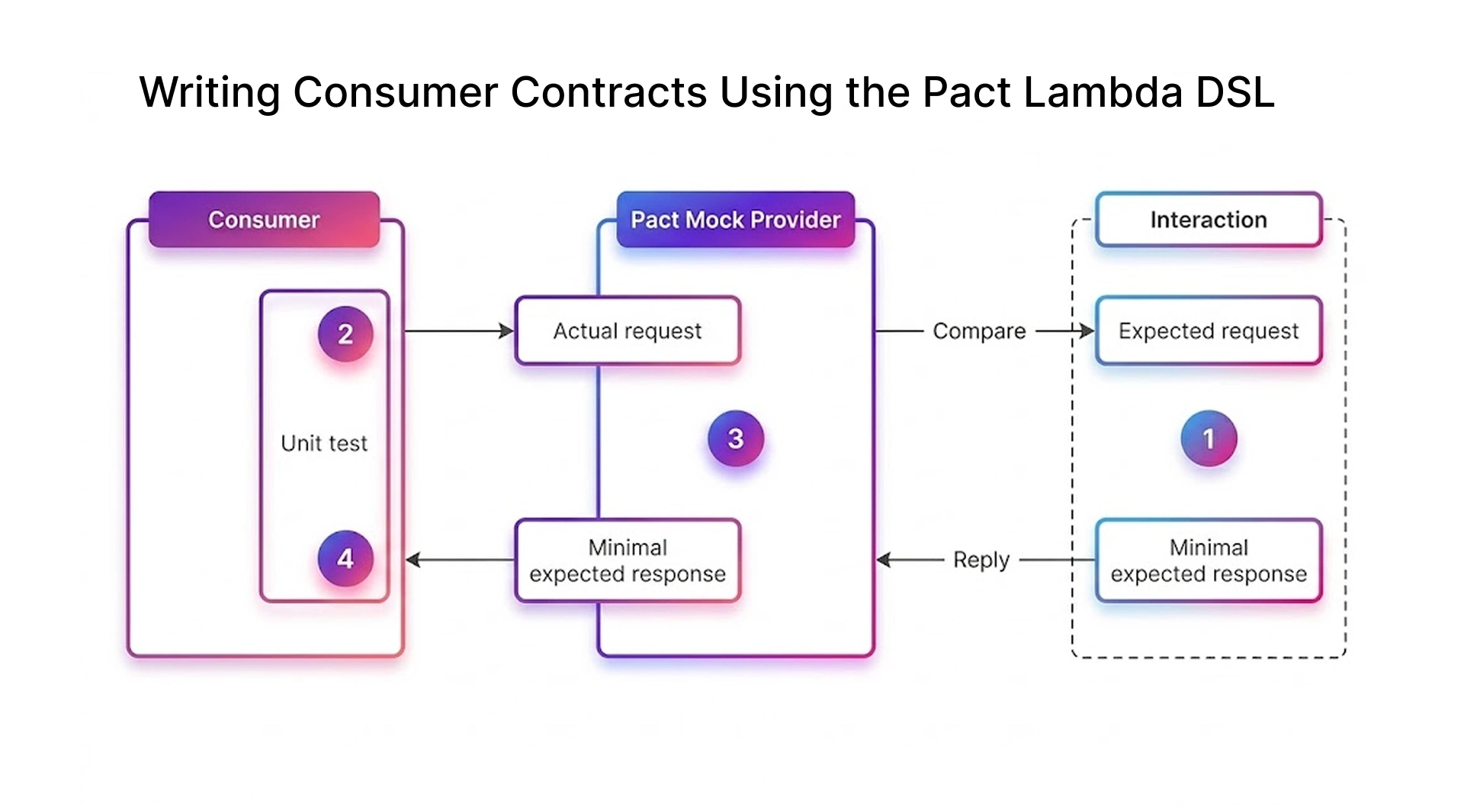
In a typical multi-module setup, you'll have a UserService, a ProductService, and an API Client module. The consumer test lives in the API Client module and generates the contract completely independently of the provider. Here's a minimal consumer contract for GET /users/{userId} using the Pact-jvm Lambda DSL:
@ExtendWith(PactConsumerTestExt.class)
@PactTestFor(providerName = "UserService", port = "8080")
public class UserServiceClientPactTest {

    @Pact(consumer = "UserServiceClient")
    public RequestResponsePact buildUserFetchContractExpectations(PactDslWithProvider builder) {
        return builder
            .given("user with ID 1 exists")
            .uponReceiving("a request for user 1")
            .path("/users/1")
            .method("GET")
            .willRespondWith()
            .status(200)
            .body(LambdaDsl.newJsonBody(responsebody -> {
                body.numberType("id");
                body.stringType("name");
                body.stringType("email");
            }).build())
            .toPact();
    }

@Test @PactTestFor(pactMethod = "buildUserFetchContractExpectations") void verifyUserEndpointReturnsSuccessResponse(MockServer pactMockServer){RestTemplate httpClient = new RestTemplate();
ResponseEntity<User> actualResponse = httpClient.getForEntity( pactMockServer.getUrl() + "/users/1", User.class); assertEquals(HttpStatus.OK, actualResponse.getStatusCode());
 }
Running this test drops a pact JSON file into target/pacts and that file is your contract. Commit it, publish it to the Pact Broker, and the provider team's next CI run will automatically pick it upThe Pact Broker, and the provider team's next CI run picks it up. The doc-chasing stops here.
Provider Verification in Enterprise Spring Boot Applications
Provider verification is where all the setup pays off and also where most teams tend to get stuck. At this point, the consumer has already done its job and generated a contract. Add @Provider and @PactBroker to your provider test class, run it in Maven or Gradle, and Pact pulls the latest contracts from the Broker on its own.
@ExtendWith(SpringExtension.class)
@SpringBootTest(webEnvironment = SpringBootTest.WebEnvironment.RANDOM_PORT)
@Provider("UserService")
@PactBroker(scheme = "https", host = "pact-broker.internal", port = "443")
public class UserProviderPactTest {

    @LocalServerPort
    private int servicePort;

    // Wire up the running Spring Boot instance as the HTTP target for Pact
    @BeforeEach
    void bindVerificationTarget(PactVerificationContext ctx) {
        ctx.setTarget(new HttpTestTarget("localhost", servicePort));
    }

    // Pact drives this method once per interaction found in the broker
    @TestTemplate
    @ExtendWith(PactVerificationInvocationContextProvider.class)
    void verifyPactInteraction(PactVerificationContext ctx) {
        ctx.verifyInteraction();
    }

    // Insert test fixture so the provider state condition is met
    @State("user with ID 1 exists")
    void insertUserFixture() {
        userRepository.save(new User(1L, "John Doe", "john@example.com"));
    }
}- One thing teams frequently miss: if your provider uses @ControllerAdvice to handle exceptions, make sure it's loaded in your test context otherwise your error responses won't behave the way the contract expects.
- Provider states must match the given() clause exactly. One wrong character and the state skips silently — no error, just an untested interaction.
- Staging environments give you more realistic results but they introduce flakiness. A weekly staging run on top of that covers the edge cases. That combination works well without making your pipeline unreliable.The Swagger doc was accurate. Six months ago. Then someone renamed a field, closed the ticket, and forgot the doc existed.
Handling Authentication and Dynamic Data in Pact Contracts
OAuth2 and JWT tokens cannot go into Pact contracts directly.Hardcoding authorization tokens is a trap they expire, and when they do, your verification breaks within hours.
The better approach is to define the Authorization header shape using Pact's string matchers, and use provider states to inject a valid test token on the server side when verification runs.
.headers("Authorization",
"Bearer " + PactDslJsonBody.stringMatcher("Bearer .+", "Bearer test-token"))- A common oversight is only matching top-level fields. Use PactDslJsonBody to go deeper — if a nested field changes silently, your contract should be the thing that catches it, not your users.
- Treat your 401 and 403 responses as their own Pact interactions too. The happy path isn't the only path that matters — a consumer that handles a 403 incorrectly is a security gap, not just a test gap.
- For provider verification, maintain a separate application.yml that points to an H2 database or a test Postgres instance rather than production or staging data. It keeps verification fast, isolated, and free of any unintended side effects.
Pact Broker and CI/CD Pipeline Integration
Without a Pact Broker, you are emailing JSON files. At ten services, it falls apart. The Broker is a versioned contract store: every CI pipeline publishes to it and reads from it. It keeps history, triggers webhooks, and tells you which version of what is verified where.
docker run --name pact-broker \
  -e PACT_BROKER_DATABASE_URL=postgresql://user:password@db:5432/pactbroker \
  -p 9292:9292 \
  pactfoundation/pact-broker
An unauthenticated Broker exposes your entire API contract structure to anyone on the network — that includes field names, endpoint paths, and expected payloads.Teams that plug contract testing into CI stop finding out about broken integrations from an angry Slack message at release time.
Using Can-I-Deploy to Gate Production Releases Safely
You can self-host the Pact Broker via Docker or go with PactFlow, the managed SaaS option, if you'd rather not deal with the infrastructure yourself.can-i-deploy queries the Broker and gives you a straight yes or no: can this version of this service be deployed to this environment right now? Add it as a hard gate in your deployment pipeline — if it comes back false, the deployment doesn't proceed. No exceptions.
pact-broker can-i-deploy \
  --pacticipant UserService \
  --version 2.3.1 \
  --to-environment production
Before can-i-deploy, someone had to manually check whether each provider had verified the latest consumer contracts before a release. Now the Broker answers that on every deployment.
Scaling Pact Across 50+ Microservices: Lessons from the Field
Getting Pact working on a single service takes a day. Getting it working cleanly across 10 services is a different challenge entirely — it takes real planning, and it won't organise itself. The wiring is not the hard part. The hard part is: who owns a contract when two teams share it? What happens when a provider breaks a contract and both teams are convinced the other side is wrong? And what stops the Broker from quietly filling up with contracts from services that were decommissioned two years ago?
Governance Models for Contract Testing in Large Engineering Organizations
Measuring ROI: Reduced Bugs and Faster Release Cadence with Pact
Across Frugal Testing's contract testing projects, the pattern holds: teams that were catching integration failures in QA or production start catching them earlier, at the contract generation stage, before anything gets deployed. The shift is not gradual. It tends to happen after the first few Pact verification failures in CI.
Conclusion: Why the Integration of Pact with Spring Boot Is Essential for Effective Contract Testing?
If you're running microservices without contract testing, you're never more than one silent API change away from a production incident.That's not a hypothetical — it's exactly what happens when two teams build correctly against different assumptions about the same API. What Pact does is make those assumptions visible and testable before anything gets deployed. Consumer tests generate a contract. The Broker stores the contract. The provider verifies it. When anything doesn't match, the build fails. That chain catches the problem before it ever reaches anyone.Consumer tests run against Pact's mock server — no live services needed. That means your tests pass or fail based on the contract itself, not on whether staging happens to be up at that moment.And contract retrieval is handled automatically through the @PactBroker annotation.
Pact isn't a replacement for your existing test suite — it's an addition to it. Unit tests, integration tests, end-to-end tests — keep all of them. As a consumer-driven test framework, Pact specifically closes the gap that no other layer in your testing pyramid addresses. And that gap is a quiet one — it doesn't announce itself until something breaks in production.
The Future of Contract Testing in Enterprise Microservices Architecture
Pact's roadmap now covers more than REST. Async messaging via SpringMessagePactRunner, GraphQL, and gRPC support are either in progress or already available depending on which version you run. The Test Automation Pyramid Model is evolving: contract tests are claiming more of the space previously occupied by slow, expensive E2E integration tests.Performance and load testing is increasingly being layered on top of contract-verified services — you test performance only against providers you've already proven are functionally correct.AI is also starting to make its way into software testing, with tools that infer consumer contracts directly from traffic logs currently in early development. It's worth keeping an eye on.
People Also Ask (FAQs)
Q1.How do I handle Pact contract failures when the provider team is in a different timezone or department?
Ans: Don't wait for someone to notice a failed build. Set up Broker webhooks to push failure alerts straight to Slack or your ticketing system, and treat a contract failure the same way you'd treat any broken build it needs an owner, a priority, and a fix, not a message that sits unread until the other team's morning.
Q2.Can Pact be used with Spring Boot applications that use GraphQL or gRPC instead of REST?
Ans: Pact is really in its element with REST. gRPC support does exist in pact-jvm, but most enterprise teams aren't using it in production yet. With GraphQL you can test at the HTTP layer, which works — though it's not as clean. If either protocol is a core part of how your services communicate, it's honestly worth asking whether a schema-based contract approach might be a better fit.
Q3.How do we manage Pact contracts when a single provider serves more than 20 consumer microservices?
Ans: At that scale, discipline matters as much as tooling. Tag contracts by team and service, lean on PactFlow's can-i-deploy matrix to keep tabs on verification status across the board, and make a habit of cleaning out contracts from services that no longer exist. Stale contracts are surprisingly easy to accumulate and surprisingly annoying to work around.
Q4.Is Pact Broker mandatory for enterprise use or can teams use a shared file system to exchange contracts?
Ans: A shared file system can get you started, but it won't take you far. The moment your team grows, you'll miss versioning, webhooks, and can-i-deploy — and those aren't nice-to-haves at enterprise scale, they're what make the whole thing reliable.
Q5.How do you introduce Pact without disrupting existing workflows?
Ans: Start with one service pair, run Pact in non-blocking mode, then gradually enforce it in CI once stable.

.webp)