


.webp)
A Quick Look at SendGrid, Mailgun, Amazon SES and Mailtrap
- SendGrid is the best for beginners and all-in-one usage
- Mailgun is the best for developers and API control
- Amazon SES is best for cost-efficient high-volume sending
- Mailtrap is the best for high deliverability and detailed analytics
Final verdict:
SendGrid for startups.
Mailgun for developer teams
Amazon SES for scaling to a lot of users
Mailtrap for developer and product teams for high inbox placement.
What is a transactional email service?
A transactional email service sends automated emails triggered by user actions such as password resets, account verification, and order confirmations.
Which email API is best?
The best email API depends on your use case. SendGrid is easier to use, Mailgun offers more control, Amazon SES is the most cost-efficient at scale and Mailtrap delivers the highest inbox placement with detailed analytics included on every paid plan.
Introduction
Choosing the right transactional email service directly impacts deliverability, cost, and user experience.
SendGrid, Mailgun, Amazon SES, and Mailtrap are among the most widely used transactional email providers, each offering different approaches to email APIs, as explained in this guide on what an email API is and how it works.
If you are comparing these tools, you are likely trying to understand which email API best fits your product and team requirements. This email API comparison focuses on real-world usage, especially if you are already working with API testing best practices, so you can make a clear decision without unnecessary complexity.
What Is a Transactional Email Service?
What Is a Transactional Email?
A transactional email service is used to send automated emails triggered by user actions such as password resets, account verification, payment confirmations, and login alerts, as explained in this guide on what transactional emails are.
Transactional emails are expected instantly. Users rely on them to complete actions inside your application. If these emails fail, it directly affects user experience.
What to look for in a provider
When choosing a transactional email provider, focus on the following:
- Deliverability: Emails must consistently reach inboxes. Understanding inbox placement is critical, as explained in this guide on email deliverability
- Scalability: The system should handle growth from thousands to millions of emails
- API reliability: Stable performance during peak traffic
- Pricing at scale: Costs should remain predictable as volume increases
- Monitoring and analytics: Helps detect and fix issues early, especially when supported by a solid API automation testing framework
SendGrid vs Mailgun vs Amazon SES vs Mailtrap Comparison (2026)
Here's a quick comparison of email APIs:
This comparison highlights a clear pattern. SendGrid focuses on usability, Mailgun emphasizes developer control, Amazon SES prioritizes cost efficiency, and Mailtrap focuses on high deliverability and detailed analytics.
SendGrid vs Mailgun vs Amazon SES vs Mailtrap Pricing Comparison (2026):
When picking between transactional email providers, it's important to know how much an email API costs.
Amazon SES has the lowest prices, especially for sending a lot of emails. But lower cost often means that setting things up is more difficult.
SendGrid pricing is higher but includes features like templates, dashboards, and marketing tools.
Mailgun pricing sits in the middle and is suitable for teams that value flexibility and control.
Mailtrap pricing is positioned in the middle of the four providers, with paid plans starting at $15/month. Its pricing is designed for teams that value deliverability, analytics, and developer-focused email infrastructure.
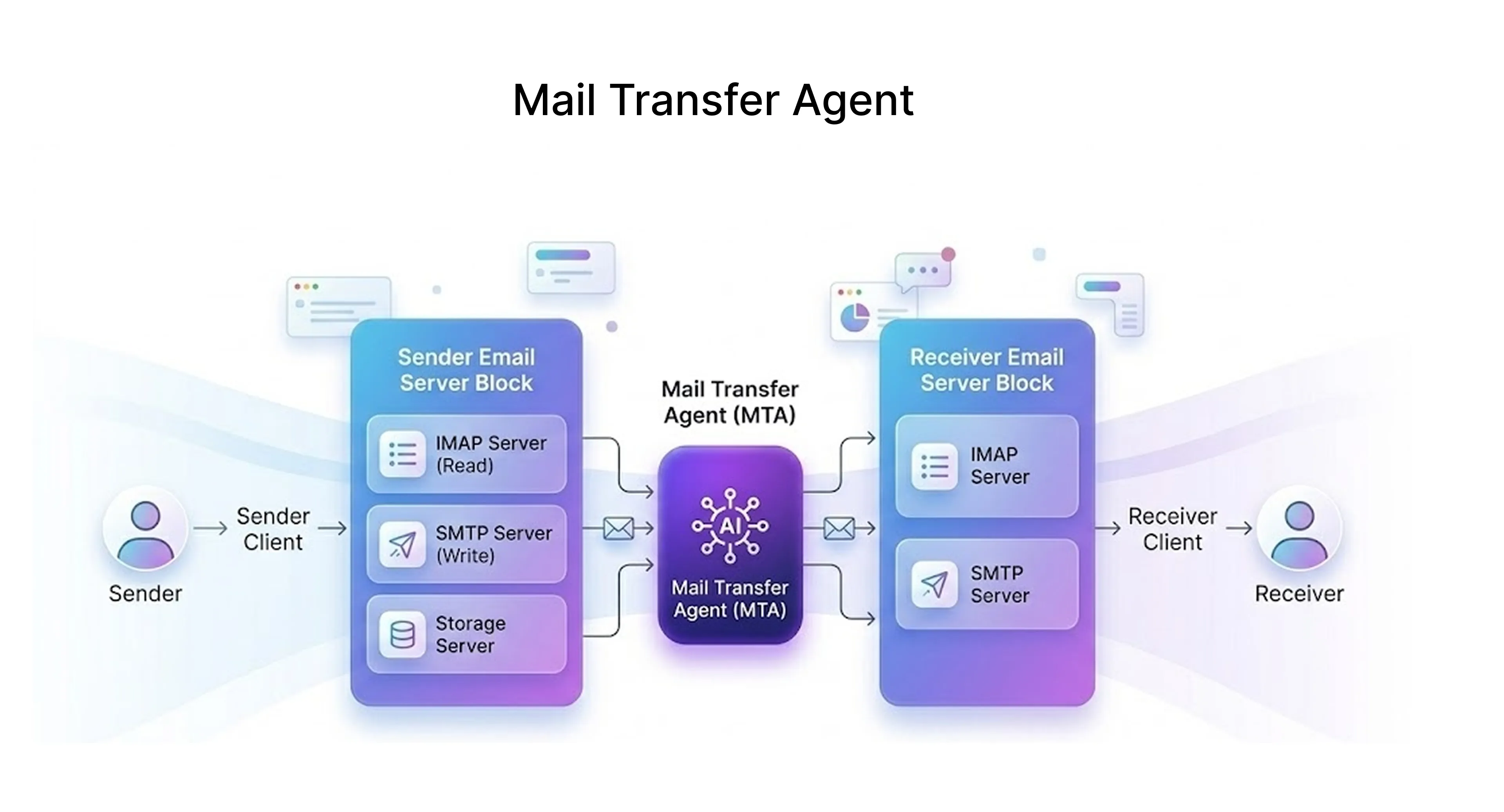
SendGrid Review: Features, Pricing, and Use Cases
The interface is intuitive. Teams can monitor delivery, manage templates, and debug issues without deep technical knowledge.
SendGrid pricing :- SendGrid pricing follows a tiered model with both free and paid plans based on usage and features.
Features and benefits :- SendGrid offers strong deliverability and a reliable infrastructure. Its onboarding process is structured, making it easier to get started quickly.
When to use SendGrid :- SendGrid is ideal for startups and small teams that need fast setup without heavy infrastructure work. It is also suitable for teams that want marketing and transactional email capabilities in one place.
Mailgun Review: Features, Pricing, and Developer Experience
Mailgun is built for developers who need full control over email workflows. It provides a clean API, detailed logs, and powerful debugging tools.
Originally built by Rackspace and now part of Sinch, Mailgun has consistently focused on flexibility and developer-first design.
Mailgun pricing :- Mailgun pricing is usage-based. It allows teams to scale gradually, though costs can increase compared to Amazon SES at higher volumes.
Features and benefits :- Mailgun includes email validation, detailed logs, and real-time analytics. These features help maintain sender reputation and improve deliverability.
One of its strongest advantages is its logging system. When issues occur, it provides enough detail to diagnose problems efficiently, similar to workflows explained in this Postman API testing tutorial.
When to use Mailgun :- Mailgun is best suited for developer-heavy teams that need flexibility and deep visibility into email systems. It works well for SaaS products where customization and debugging are essential.
Amazon SES Review: Pricing, Scalability, and AWS Integration
Amazon SES is a part of AWS and is made to be cost-effective and easy to grow.
Many businesses that send millions of emails and want to keep costs down use it.
Amazon SES pricing :- Amazon SES is part of AWS and is designed for scalability and cost efficiency.
It is widely used by companies that send large volumes of emails and want to minimize costs.
Features and benefits :- SES integrates with AWS services like IAM and CloudWatch, making it suitable for teams already working within cloud environments and API testing frameworks and practices.
Trade-offs :- The setup process requires familiarity with AWS. Managing configurations and monitoring can take time, especially for teams without cloud experience.
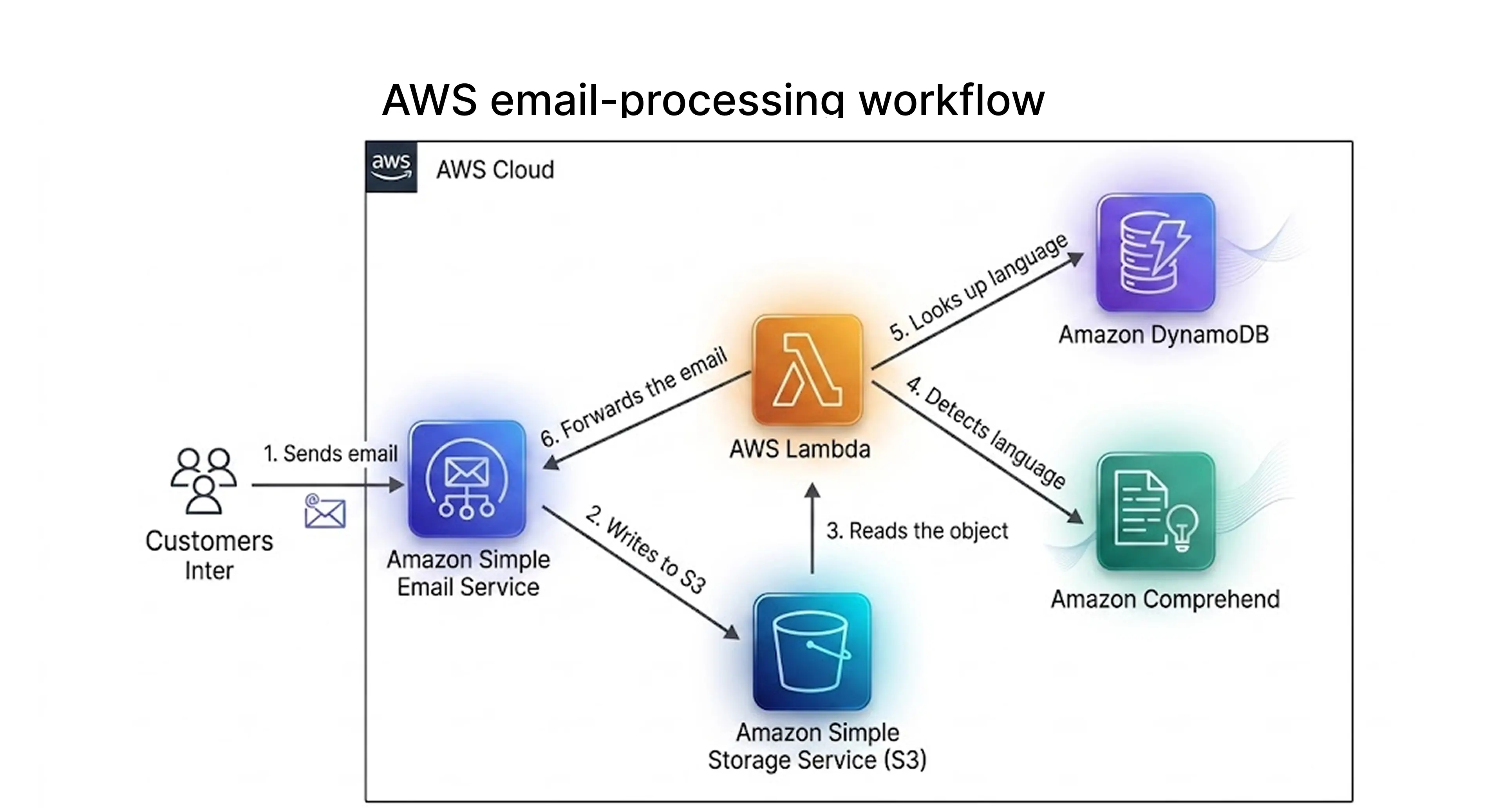
Mailtrap Review: Features, Pricing, and Use Cases
Mailtrap is an email delivery platform for developer and product teams that need high inbox placement and detailed analytics. It provides an email API and SMTP relay with separate sending streams and independent IP pools for transactional and bulk email.
Mailtrap pricing :- Mailtrap pricing is volume-based. Paid plans start at $15/month, with dedicated IPs and automatic warmup available from $85/month on a Business plan.
Features and benefits :- Mailtrap includes automatic SPF, DKIM, and DMARC configuration with monthly DKIM key rotation, separate sending streams with dedicated IP warmup, and drill-down analytics by mailbox provider on every paid plan. An MCP server is available for teams building AI-powered workflows with Claude, Cursor, or VS Code.
When to use Mailtrap :- Mailtrap is best suited for developer and product teams that need high deliverability, per-provider analytics, and authentication handled automatically without manual setup.
Which Email API Should You Choose?
Use SendGrid if:
- You want a fast setup
- You need marketing and transactional email in one platform
Use Mailgun if:
- Your team is developer-heavy
- You need detailed logs and control
Use Amazon SES if:
- You send high volumes
- You are already using AWS
Use Mailtrap if:
- You prioritize high deliverability
- You need detailed mailbox-provider analytics
- You want automated authentication and email infrastructure management
Practical Insights from Implementation Experience
From real-world usage and implementation, email infrastructure and API reliability play a major role in performance, as explained in this guide on email APIs and how they work:
- Teams switching from Amazon SES to SendGrid often reduce setup time by 60–70%.
- Mailgun is commonly preferred by developer-led SaaS teams due to its logging depth
- Amazon SES becomes cost-effective mainly after ~100K emails/month
These insights show that choosing the right provider depends not only on features but also on how well it fits into your technical workflows and scaling strategy. Beyond the sending API itself, dedicated deliverability tools like Warmy help teams continuously warm new sending domains, monitor sender reputation across providers, and surface blacklist issues before they affect production traffic.
Other Notable Transactional Email Providers
Beyond SendGrid, Mailgun, Amazon SES, and Mailtrap, several other transactional email providers offer specific advantages:
- MailerLite: Suitable for small teams needing simple marketing and transactional workflows
- SMTP2GO: Focused on strong deliverability and global email routing
- Mailjet: Ideal for teams that require collaboration features
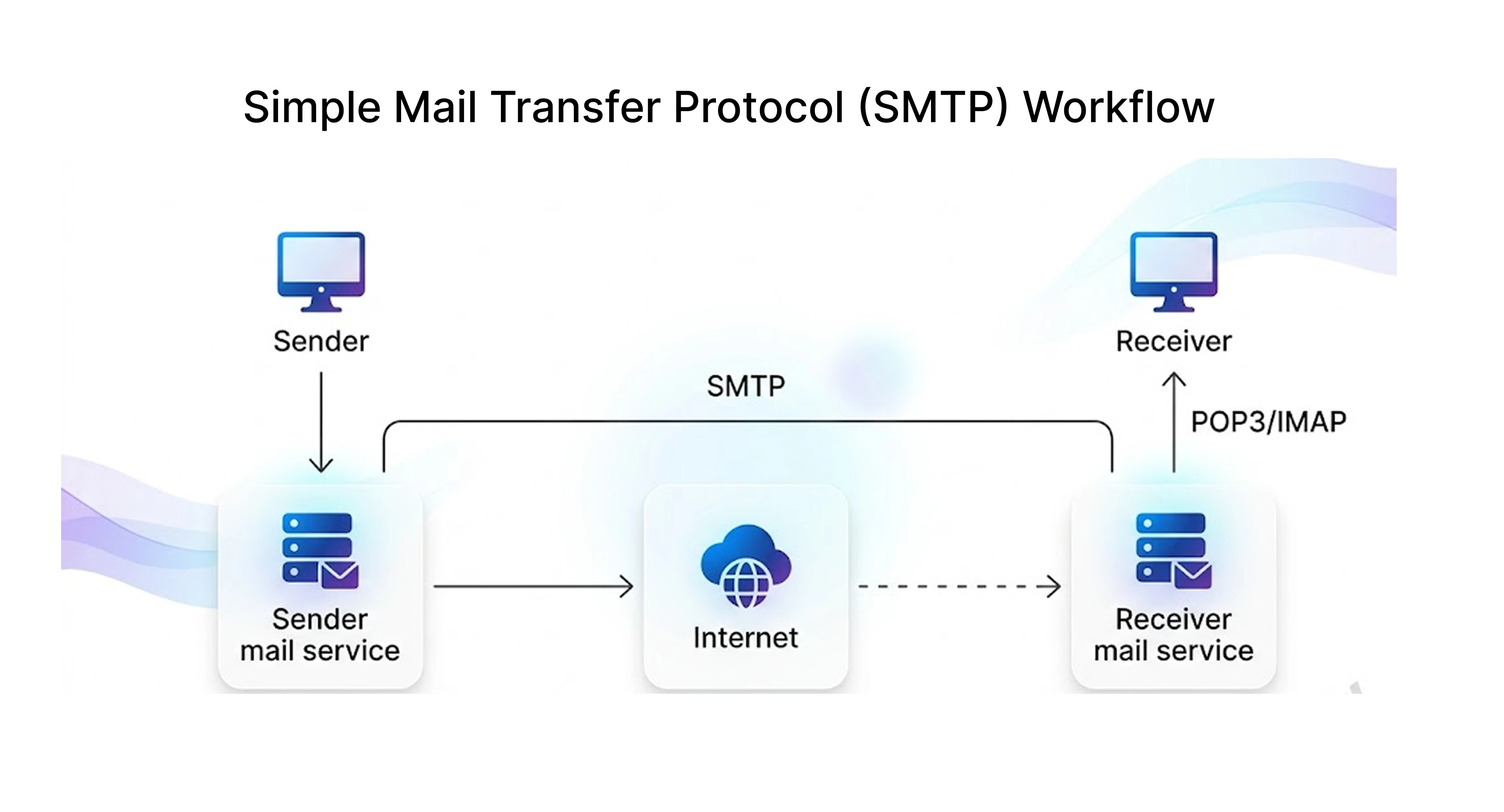
Conclusion Which Email API Is Right for You?
If ease of use and fast setup are your priorities, SendGrid is the best choice.
If you need flexibility and developer control, Mailgun is more suitable.
If cost efficiency at scale is your primary concern, Amazon SES offers the best value.
If high deliverability and detailed analytics are your priorities, Mailtrap is a strong choice for developer and product teams.
Fix Your Email Infrastructure Before It Costs You Users
Poor email deliverability, rising API costs, and unreliable systems can silently impact your product growth.
At BNXT / Frugal Testing, we help teams:
- Reduce transactional email costs at scale
- Improve inbox placement and delivery rates
- Build reliable, production-ready email infrastructure
Book a consultation and get a tailored email strategy that scales with your product.
People Also Ask (FAQs)
Q1.What is the best transactional email service in 2026?
Ans: It depends on your needs. SendGrid is best for ease of use, Mailgun for developer control, Amazon SES for cost efficiency at scale, and Mailtrap for high deliverability and detailed analytics.
Q2.Which email API is cheapest in 2026?
Ans: Amazon SES is the cheapest option at scale, but it requires more setup effort.
Q3.How does Mailgun compare to SendGrid?
Ans: Mailgun offers more flexibility and control, while SendGrid focuses on ease of use.
Q4.Is Amazon SES suitable for beginners?
Ans: Amazon SES is powerful but requires AWS knowledge, making it less beginner-friendly.
Q5.How do you integrate a transactional email API?
Ans: Most providers offer SDKs and documentation. Integration is straightforward, but managing deliverability requires proper setup and monitoring.

.webp)



.webp)