


Each platform has its own strengths: Terraform offers ecosystem breadth with 4,800+ providers, while OpenTofu is the open-source drop-in replacement, with built-in state encryption and no licensing risk; Pulumi is the developer-first option, for teams preferring TypeScript, Python, or Go over HCL. The appropriate tool for you and your team will depend on your team's programming experience, your willingness to take risks with licensing, and your testing methodology.
The comparison goes deep to uncover what makes these three tools really different – state management, multi-cloud, licensing risk, developer experience and migration challenges. No matter whether you are looking to scale your current Terraform deployment or considering OpenTofu and Pulumi as an alternative, you'll be able to do it right with this framework in 2026.
Still Running IaC Manually? Here Is Why Your Team Needs to Choose the Right Tool in 2026
According to Flexera's State of Cloud 2026 report, 73% of businesses are now running multi-cloud infrastructure and at that scale, manual console clicks and ad hoc scripts compound quickly, slowing every team down.
Infrastructure as Code provides the complete opposite – cloud resources such as VPCs, Kubernetes clusters, containers, CI/CD pipelines, defined in version-controlled code, instead of being manually provisioned with clicks.
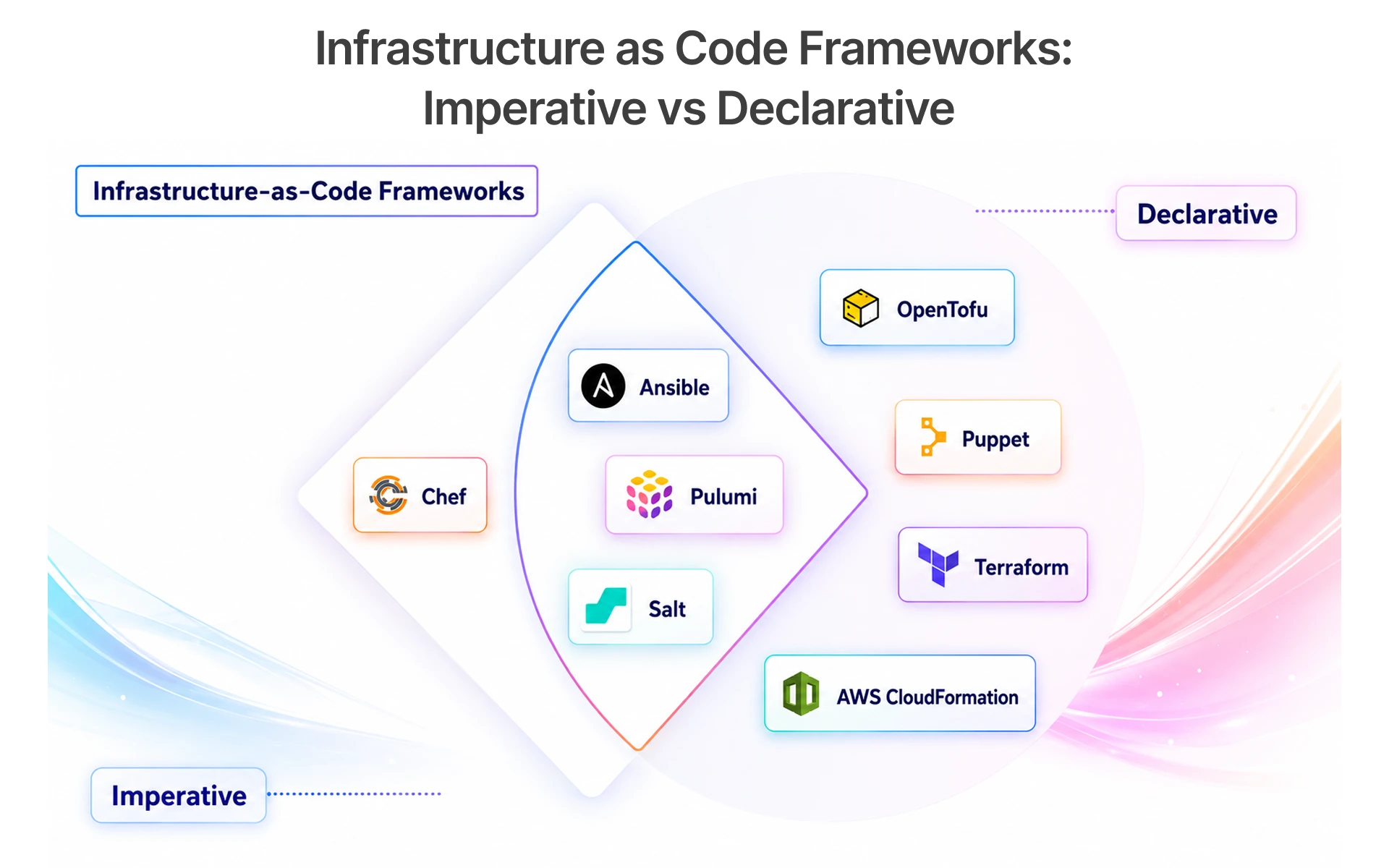
Here are some of the advantages that a move to IaC affords:
- All infrastructure changes are tracked, reviewed, and auditable without having to dig out console logs.
- All your Dev, Staging, and Production environments are set up in minutes.
- The time and effort to prepare for disaster recovery has been reduced to hours instead of days, and it is all at the command of one person.
- All compliance changes are automatically recorded and provide you with an audit trail of all changes to the infrastructure.
So, it isn't whether your team is using IaC, but which tool-Terraform, Pulumi, or OpenTofu-is best for your team for your cloud strategy and your long-term risk profile.
What Each IaC Tool Offers and Who It Is Built For
Terraform: Mature Ecosystem and Industry Adoption
Released in 2014 by HashiCorp, Terraform is now the foundation of DevOps infrastructure automation. It also enables declarative definition of cloud resources, including AWS VPCs and Kubernetes clusters, via HCL with support for deployments on other major clouds like GCP and Azure.
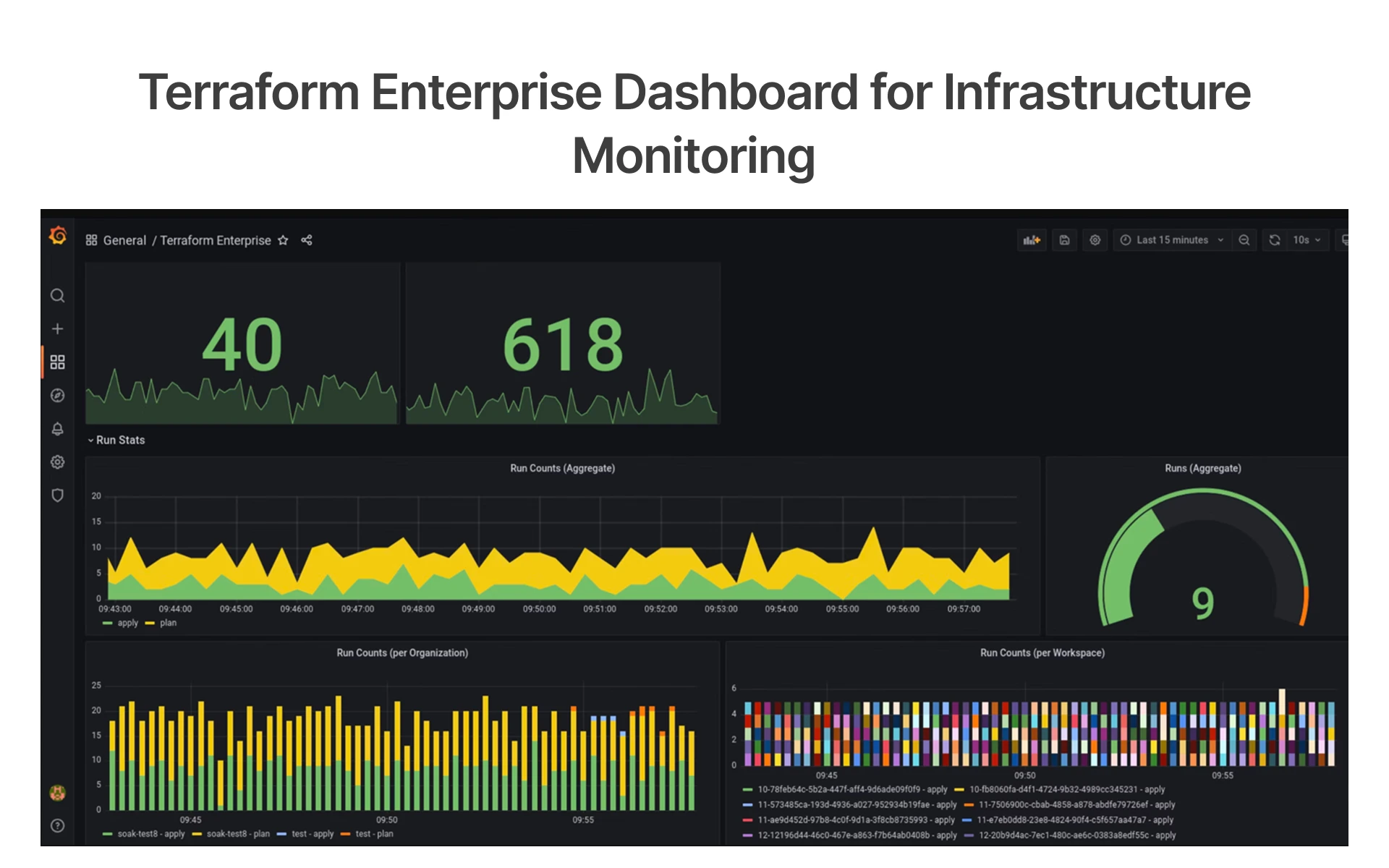
Why Terraform is amazing for enterprises:
- The Terraform Registry contains 4800+ providers for almost all of the major cloud platforms, Kubernetes, Datadog, Cloudflare, and hundreds of other SaaS applications.
- The team can build the modules that can be shared and versioned with other teams to avoid code duplication in infrastructure configs.
- AWS Provider is the most mature and widely-used provider in the whole landscape, so Terraform AWS Provider remains so far.
- Seamless integration with widely-used CI/CD platforms such as GitHub Actions and GitLab CI has been proven on thousands of production deployments.
- Pre-provision misconfigurations in the infrastructure are detected by Checkov using static analysis before it's provisioned into any cloud.
- Sentinel audits the infrastructure policies and gates the deployments before changing them.
For even the most complicated cloud infrastructure, Terraform is a great place to start operations teams with a tried and true, stable, and well-supported IaC foundation.
Pulumi: IaC for Teams Who Think in Code, Not Config Files
The key difference between Pulumi's approach to Infrastructure as Code and Terraform's is that they think that you should manage cloud resources with familiar programming languages like TypeScript, Python, Go, Java, and .NET.
On its own, this makes engineering teams' lives easier when testing, validating, and deploying cloud resources with their application code.
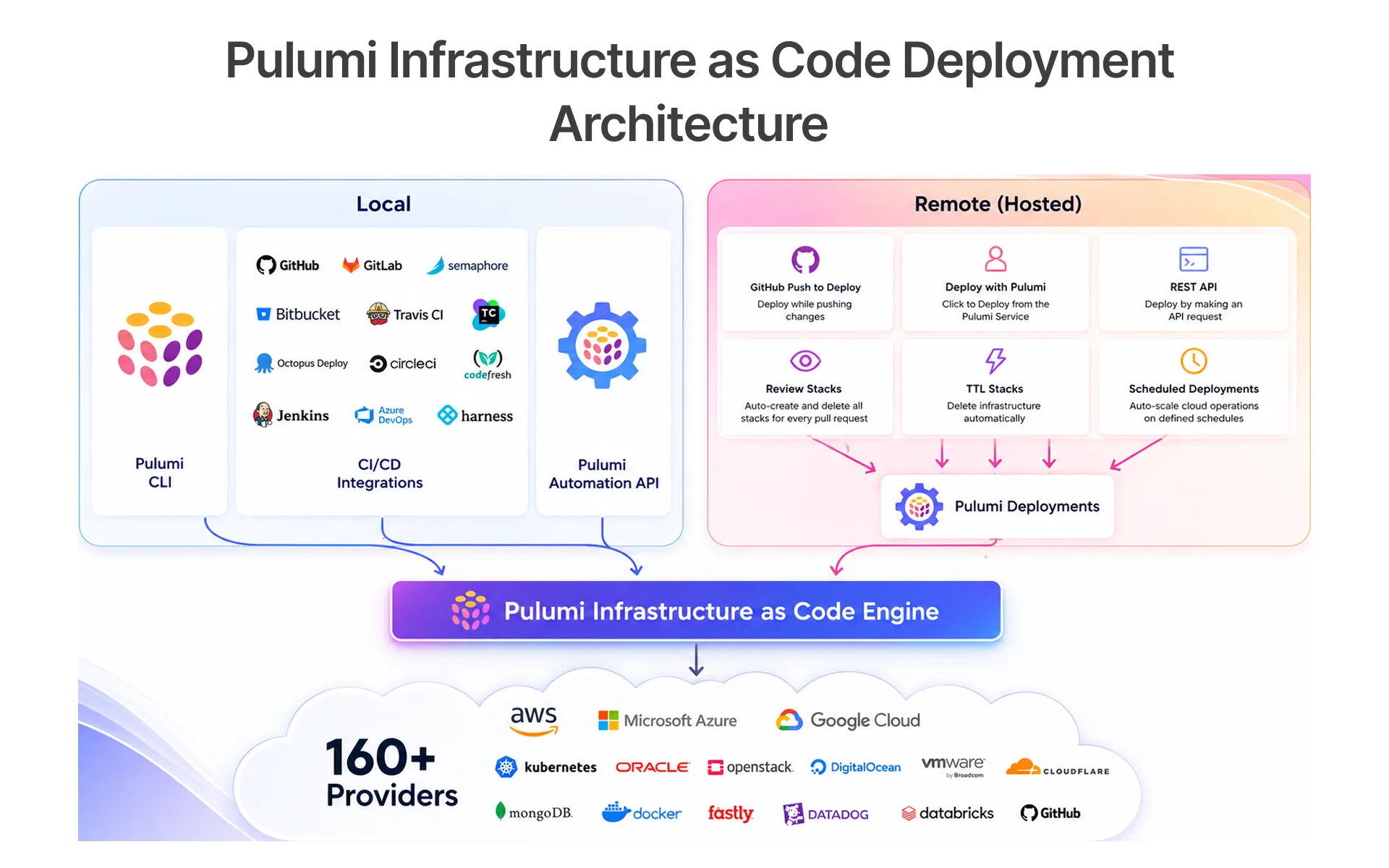
Pulumi is ideal for developer-driven teams because:
- Loops, conditionals, and dynamic resource provisioning are just as easy in Pulumi as in your application code, avoiding HCL-specific workarounds.
- Using a tool such as Jest for TypeScript or pytest for Python can be used to mock cloud resources and test the infrastructure logic without adding testing infrastructure.
- Prevents all your testing from being shifted to the left and catches up with every possible misconfiguration before it starts to move through the CI/CD pipeline.
- You can do integration tests with actual cloud environments in isolated stacks to make sure your desired state is valid before you deploy to production.
- Use Pulumi Cloud to easily set up a managed state backend, secrets management, and audit logs without having to use separate tools to do it all.
- Continuous validation of your desired state against your state as you run, so that you won't drift configurations without knowing it before you deploy.
- With Pulumi convert, existing Terraform configurations are converted to Pulumi's TypeScript and Python formats, ensuring that you retain your existing test coverage in any migration.
For any team of engineers who treats infrastructure as they do applications, unit tests, mocks, integration, and quality gates are all part of every deployment.
OpenTofu: The Open-Source Answer to Terraform's Licensing Problem
Shortly after HashiCorp switched Terraform to the Business Source License in August 2023, the open-source community forked it under Linux Foundation governance and released it permanently under MPL 2.0, so you can rest assured that you've got access to the same features and compatibility you have with Terraform, without the commercial restrictions of BSL.
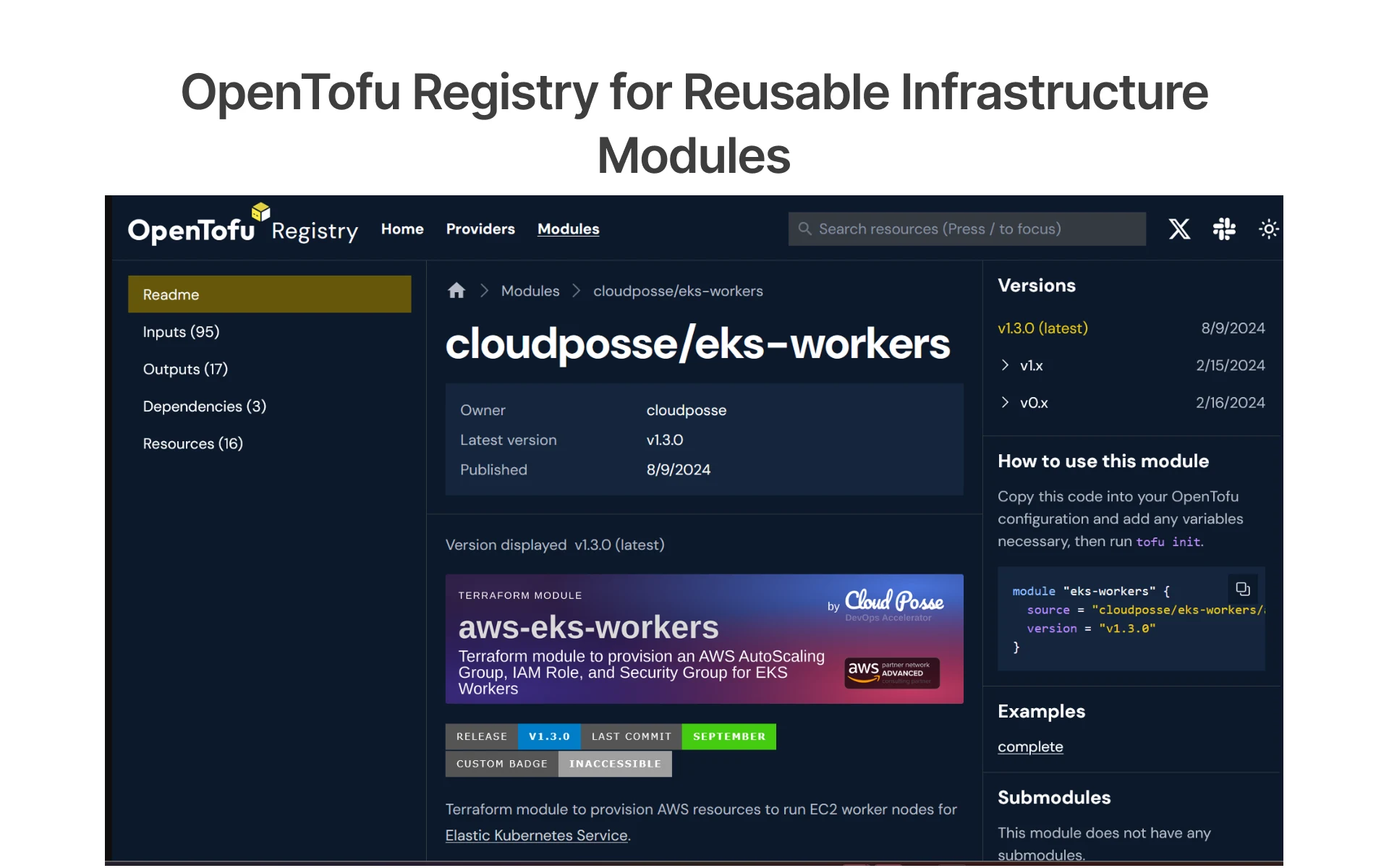
An open-source framework like OpenTofu offers the following advantages for teams with an open-source focus:
- OpenTofu is 100% backwards compatible with Terraform 1.5. Providers X means no changes, no rewrite required when you lift and shift your existing configurations, providers, and state files.
- OpenTofu extends Terraform's built-in test framework with provider mocking and integration test support in isolated environments.
- Your state files are encrypted by default with built-in state encryption, meaning you don't need to install Vault or another third-party tool to encrypt sensitive data.
- Before being provisioned, all compliance failures are caught by Policy as code, when implemented as native integration to Open Policy Agent.
- Drift detection runs automatically and flags any infrastructure that no longer matches your declared state.
- Checkov and native scanners seamlessly integrate for all your CI/CD test automation.
- The Linux Foundation's role in managing the project guarantees a community voice in the project's future direction and roadmaps.
OpenTofu offers a robust, reliable, and totally free IaC option, with no licensing complexity like the Terraform Business Source License, that addresses all your cloud automation needs.
Terraform vs Pulumi vs OpenTofu - Feature Comparison at a Glance
Infrastructure Management: State Handling and Workflow Control
How to deal with the state is the biggest issue most IaC implementations face. If the state is set up wrong, it'll result in either deploying multiple resources to production or the resources in your production environment differ from what you have specified in code, both of which lead to downtime. Before choosing, it is important to understand how each IaC tool works and what sort of state configuration they have, especially if you have a continuous testing pipeline across multiple environments.
Verdict: OpenTofu leads on state security with built-in encryption. Pulumi removes the overhead of managing state manually. Terraform has the broadest third-party remote backend support.
Scalability and Multi-Cloud Capabilities
With multi-cloud support, it is more than simply about having the maximum number of providers, but also about how well a tool scales multi-cloud integrations without causing a break in your validation pipeline. Having the ability to support multiple cloud environments at once, with a multi-cloud IaC solution, can significantly simplify a continuous validation process between AWS, Azure, and Google Cloud Platform, without compromising the quality and performance of testing in large resource counts.
Terraform: Access more than 4,800 providers for different cloud systems, Kubernetes, Datadog, and numerous other SaaS. In the case of large infrastructure, this will be an issue for testing, with a limit of 1000 resources, but for static analysis and policy testing, Checkov and Sentinel will operate at peak performance regardless of the size of the infrastructure.
OpenTofu: Better early evaluation for files with extremely large state, and there are more than 4200 providers, all compatible with each other. The same applies to its cross-cloud integration testing capabilities from Terraform. Drift is detected and flagged before being pushed to production.
Pulumi: More than 160 providers are natively supported, and it also has a Terraform bridge to fill some gaps in native support. Its object-oriented language structure makes cross-cloud logic easier to manage than HCL, without being tied to any single platform. Jest and pytest unit testing work out of the box for multi-cloud setups. Jest and pytest unit testing can be done out of the box for multi-cloud support.
Verdict: Terraform and OpenTofu cover more providers. Pulumi handles complex multi-cloud logic more cleanly, particularly when testing across environments.
Licensing, Cost, and Long-Term Risk
Licensing is more than just a legal consideration; it can influence the performance of your automated tests and the type of access you'll be granted to toolchains in the future. When teams are operating on a continuous validation platform, it is important to be aware of the cost of your IaC tool, so that you can calculate whether you will be paying according to the number of deployments you have or are using, without adding another budget constraint as you deploy more.
The key issue for the teams here will be the price point, and teams with a continuous testing workflow that have a large number of apply requests will be under pressure from their Terraform Cloud plan. This is completely removed if using OpenTofu; it removes any restrictions on your potential pricing constraints. The free version of Pulumi should be able to handle any sort of validation setup without having to buy into enterprise solutions.
Comparison Table - Key Differences That Actually Matter in Real DevOps Workflows
The table below covers state handling, testing, provider support, pricing, and long-term governance the factors that actually determine fit in a real DevOps workflow.
If you're looking at Terraform, Pulumi, or OpenTofu, there will not only be one feature that either of these tools supports, but there will be a variety of factors to consider, such as handling and support of state, testing capabilities, provider support, price point, and governance for the tool in the long term. Thus, all the following dimensions are presented in a comparison table, which you won't need to navigate between different sites just to find the best tool.
Migrating between IaC tools: What DevOps teams need to know
Before You Migrate: What Every Team Must Audit Regardless of Tool
Most of these IaC migration issues are not tool issues; they're preparation issues. Teams that find themselves in trouble in the middle of the migration tend to have one thing in common: they didn't really know what they were moving.
The state files are distributed over the workspaces. Policies that are dependent on the specific version of CLI. Terratest suites, which require a Terraform binary and stop quietly if it is substituted with another binary. Tests that have never been running and are never run.
Before starting a team audit, there are four things that every team needs to look at:
- State Health: State Health's function is to know the location of all state files, whether all the remote backends are locked, and the time of the last successful apply. If there is no recent backup, then a corrupted state mid-migration is a nightmare to restore.
- Testing Pipeline Inventory: Create a list of all the Checkov rules, OPA policies, and drift detection schedules that are currently active, which will need to be tested with the new tool before any production environment is changed.
- Provider and Module Dependencies: Identify all versions of providers and record information about custom modules. The majority of unanticipated plan diffs following migration will be linked to unpinned providers.
- Rollback Procedure: Identify exactly what needs to be done to roll back before initiating the migration. Unless teams have planned what they will do when something goes wrong, it'll be too late.
Low-Effort Switch: Moving between Terraform and OpenTofu
1. Uninstall Terraform and install the OpenTofu binary
brew uninstall terraform
brew install opentofu
tofu version
Before going on, confirm that the tofu binary has been successfully installed and that the version is the same as that of the OpenTofu release you are trying to install.
2. Migrate state backend away from Terraform Cloud
terraform state terraform.tfstate is the file that contains the resource state. The resource state is stored in terraform.tfstate.
Copy this state to S3, Azure Blob, or GCS and update the backend configuration in main.tf before running tofu init so that it references the new backend.
3. Reinitialize with OpenTofu
tofu init
tofu providers lock
Configs for providers are directly supported by OpenTofu, and by default, it will be read from Terraform, but it is recommended to run providers.lock to generate a new dependency lock file from the OpenTofu registry.
4. Validate State Integrity
tofu planIf the plan is clean, meaning that there are zero unexpected changes, then the state has been carried over successfully. Unexpected diffs are likely to be provider-version conflicts-you should check .terraform.lock.hcl for any conflicts.
5. Verify Testing Pipeline Continuity
checkov -d
Tofu test
Perform static analysis with Checkov and the tofu test command on the code you have. Your OPA policies and integrations with your CI/CD pipeline will not need to be changed beyond a simple update to the binary name (terraform vs. Tofu) in your YAML files (e.g., in GitHub Actions or GitLab CI).
High-Effort Switch: What Moving to Pulumi Really Means
Migrating to Pulumi touches everything state management, test suites, CI pipelines, and every resource you've ever provisioned. Budget time accordingly.
1. Convert Existing HCL Using pulumi convert:
Convert Terraform to typescript, output to pulumi-infra/ directory. Convert Terraform to typescript, output to pulumi-infra/.
Complex modules, dynamic expressions, and custom provider configurations will need manual cleanup before the output is usable don't merge it without reviewing first.
2. Initialize Pulumi Stack and Configure Backend:
Point Pulumi at a state backend Pulumi Cloud, S3, or Azure Blob all work. Unlike Terraform, Pulumi cannot read existing Terraform state files directly, so each environment needs its own stack
pulumi login s3://your-state-bucket
pulumi stack init production
3. Import Existing Infrastructure into Pulumi State
To import the aws:ec2/instance: Instance resource, run the following command:
pulumi import aws:ec2/instance:Instance app-server i-1234567890abcdef0Any resource previously managed with Terraform must be “imported” into Pulumi's state files. When the value is a large number of codebases, there are ways to automate this process by creating a script to generate the Pulumi import commands and then executing them.
This script can use the output of terraform show -json to process each Terraform state file to produce the corresponding Pulumi import commands.
4. Rebuild Test Suite in Jest or pytest
import * as pulumi from "@pulumi/pulumi";
pulumi. runtime.setMocks({
 newResource: (args) => ({ id: args.name + "_id", state: args.inputs }),
 call: (args) => ({ outputs: {} }),
});
Terratest suites can not be migrated; they need to be built from scratch with the testing framework native to Pulumi. Unit testing consists of the simulation of cloud resources along with no provisioning of physical infrastructure; it is much quicker than verification using Terratest.
5. Reconfigure CI/CD Pipeline and Policy Enforcement
- name: Pulumi Deploy
  uses: pulumi/actions@v4
  with:
   command: up
   stack-name: production
  env:
   PULUMI_ACCESS_TOKEN: ${{ secrets.PULUMI_ACCESS_TOKEN }}
In your GitHub Actions or GitLab CI YAML, use "pulumi" instead of "terraform".
Afterwards, reconfigure Checkov to scan the configuration of your Pulumi resources and configure your Pulumi CrossGuard policies rather than your current Sentinel or OPA rules.
Starting Fresh in 2026: Choosing Without the Migration Burden
Teams starting from scratch have a real advantage: no state files to untangle, no test suites to rebuild, no vendor lock-in to negotiate around.
While any team can quickly get to work on their own, it is very clear that teams starting from scratch have a significant advantage over the majority of migrating teams: they don't have to worry about existing state files, test suites to be rebuilt, or existing vendor lock-in.
Three questions determine which tool fits your team:
Question 1 - What does your team do every day?
Terraform or OpenTofu
For teams that focus on operations and have been used to declarative configuration, use Terraform or OpenTofu. The HCL syntax is intuitive even for non-programmers, and most typical use-cases are already being addressed natively by the ecosystem of modules.
Pulumi
Pulumi is an appropriate choice when your team frequently writes Python or TypeScript. Your infrastructure code will be in the same repository as your application code and will have the same testing framework, so you will have a very short learning curve.
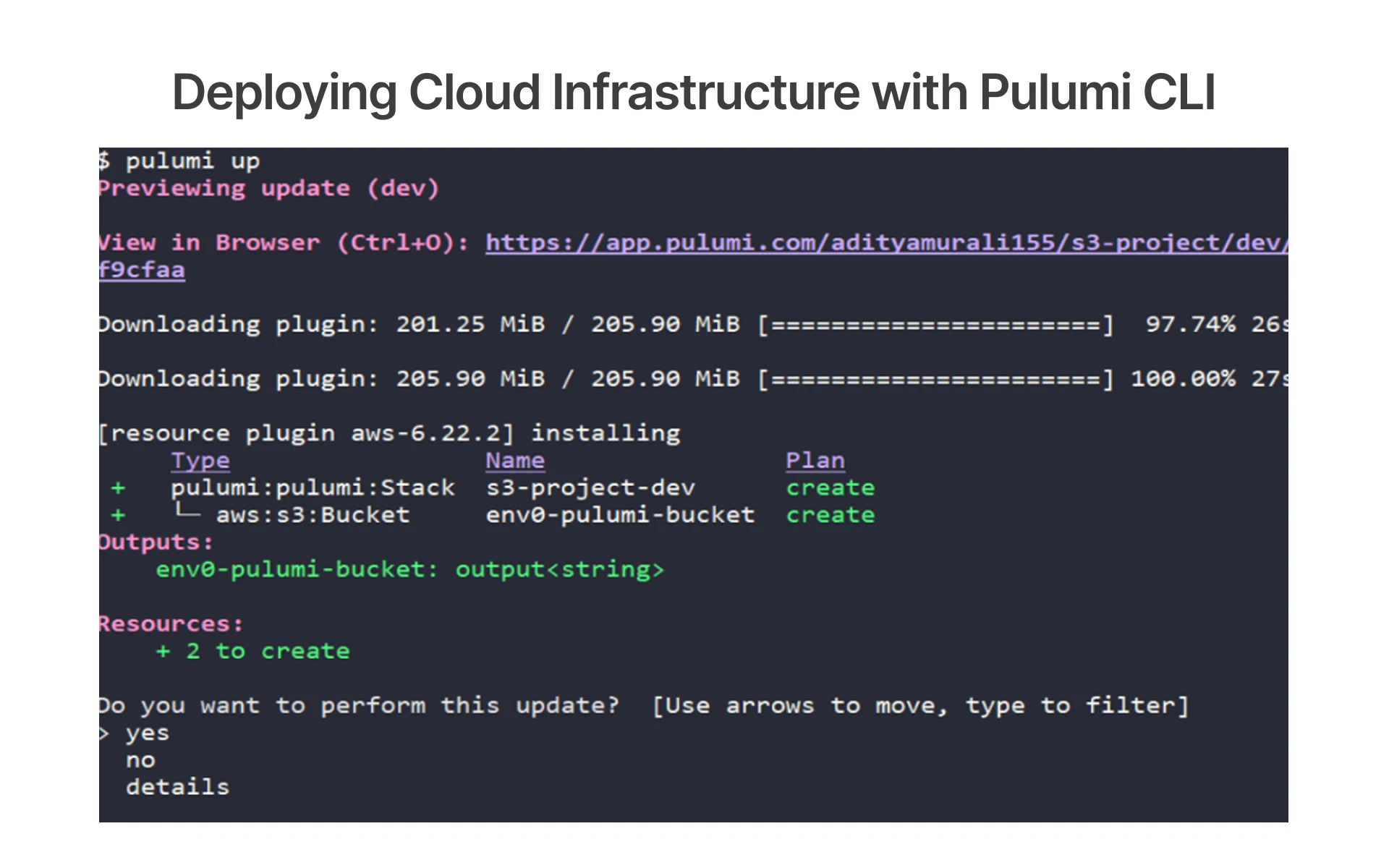
Question 2 - What is your cloud footprint?
Question 3 - What is your testing pipeline currently like?
Common Challenges DevOps Teams Face With IaC Tools
Whatever IaC tooling you use, whatever your team size is, whatever the impact of your team, a set of predictable problems is common to every well-designed IaC implementation: Terraform, Pulumi, and OpenTofu.
- Concurrent applies, without state locking, will corrupt state files. It is a fact of life for teams that deploy CI/CD pipelines without any DynamoDB locking or any native backend locking.
- Configuration drift: When there are manual changes outside of the IaC workflow, the state of the physical infrastructure is not in the expected state. If drift checks have not been scheduled, the deviations add up gradually until a plan command is issued and a significant deviation is detected.
- Flaky testing pipelines: Integration tests that provision real infrastructure are slow and dependent on the environment. If there is no stack isolation, then tests will interfere and give false positives or false negatives, which will eventually erode confidence in the testing validation pipeline.
- Version conflicts amongst providers: Unpinned provider versions may result in subtle changes after registry updates, which may cause provider updates during the sprint that affect resource behavior.
- Hardcoded credentials in IaC code pose security risks: secret sprawl introduces hidden vulnerabilities that are easy to miss in code review. Implement secret management early HashiCorp Vault or built-in state backends both work.
- The pain of scaling: After 500 resources, plans, and applications start to take a while. Failure to separate workspaces, define module boundaries, and apply specific applies can cause pipeline timeouts to pause all deployments.
How Frugal Testing Enables Scalable and Reliable IaC Workflows
With IAC being adopted in multi-cloud environments, ensuring consistency, security, and validation for large deployments can be difficult for teams. You can't manage Terraform modules, AWS CloudFormation templates, K8s-native tools, and workflows for cloud service management without also having continuous testing built into the SDLC.
In 60% of initial IaC validation audits conducted in 2025–2026, Frugal Testing's automated security gates caught critical misconfigurations including over-privileged IAM roles and exposed S3 bucket policies before infrastructure reached staging.
Frugal Testing works well with IaC workflows in key areas such as:
- IaC validation of Terraform HCL, HashiCorp Configuration Language (HCL) templates, and AWS CloudFormation (CFN) before provisioning.
- Automated vulnerability management and Security tools integration in CI/CD pipelines.
- Drift detection and policy-as-code validation across Cloud Providers.
- Validation for the deployment of Kubernetes Operators and Kubernetes-native tools.
- Testing Terraform Stacks and reusable Terraform modules.
- Real-Time Cloud Integration testing- Dev, Staging & Production.
For teams leveraging general-purpose programming languages for deployment along with Pulumi or AWS CDK, Frugal Testing also supports developer-focused software architecture workflows and helps control costs and risks throughout the cloud.
Conclusion: Making the Right IaC Decision for Your Cloud Strategy
In 2026, the choice between Terraform, OpenTofu, and Pulumi comes down to your team's risk tolerance, existing workflows, and how you treat infrastructure code. Terraform remains dominant because of its provider ecosystem, module support, and CI/CD integration depth. Pulumi takes a developer-first approach, letting teams use general-purpose programming languages instead of HCL.
As IaC adoption grows, provisioning is only part of the problem. Teams running multi-cloud environments need continuous validation built into the pipeline catching misconfigurations before they reach staging, enforcing policy at the commit level, and detecting drift before it becomes an incident. The tool you pick shapes how straightforward or painful it is to build and maintain.
People Also Ask (FAQs)
Q1.Does the Terraform BSL license affect teams managing internal infrastructure?
Ans: Terraform’s BSL license does not restrict most internal infrastructure usage. However, organizations building commercial IaC platforms or competing SaaS offerings should carefully review licensing terms to avoid future compliance or operational risks.
Q2.Does switching from Terraform to OpenTofu require rewriting existing configurations?
Ans: No. OpenTofu is backward compatible with Terraform 1.5.x configurations, providers, and state files. Most teams can migrate with minimal changes by updating binaries, backend configurations, and CI/CD workflow references.
Q3.Does Pulumi support Terraform providers without a full migration?
Ans: Yes. Pulumi supports many Terraform providers through its Terraform bridge, allowing teams to use existing provider ecosystems while gradually adopting Pulumi without immediately rebuilding all infrastructure configurations.
Q4.Does OpenTofu work with existing Terraform state files and backends?
Ans: Yes. OpenTofu supports existing Terraform state files, remote backends, and provider configurations. Teams can typically continue using Amazon S3, Azure Blob, or GCS backends without major infrastructure changes.
Q5.Does Terraform Cloud work with OpenTofu after the BSL license change?
After the BSL license change, Terraform Cloud support for OpenTofu is limited because OpenTofu is no longer officially aligned with HashiCorp’s ecosystem. Many teams instead use alternatives like env0, Spacelift, or self-managed remote backends.

.webp)



.webp)