


AI automation is now directly integrated into enterprise production systems. AI agents perform deployment, change system state, invoke batch processes, and engage with ITSM and CI/CD pipelines with little human interaction.
In such settings, failure is not merely about producing incorrect results but could lead to irreversible actions, regulatory violations, tainted live data, or unauthorized workflow execution.
As operationalized agentic AI is introduced, testing needs to go beyond functional testing. There is a need for structured risk management, governance, audit logging, and human review to ensure the safe validation of AI systems that directly affect production environments.
Understanding AI in Testing Automation
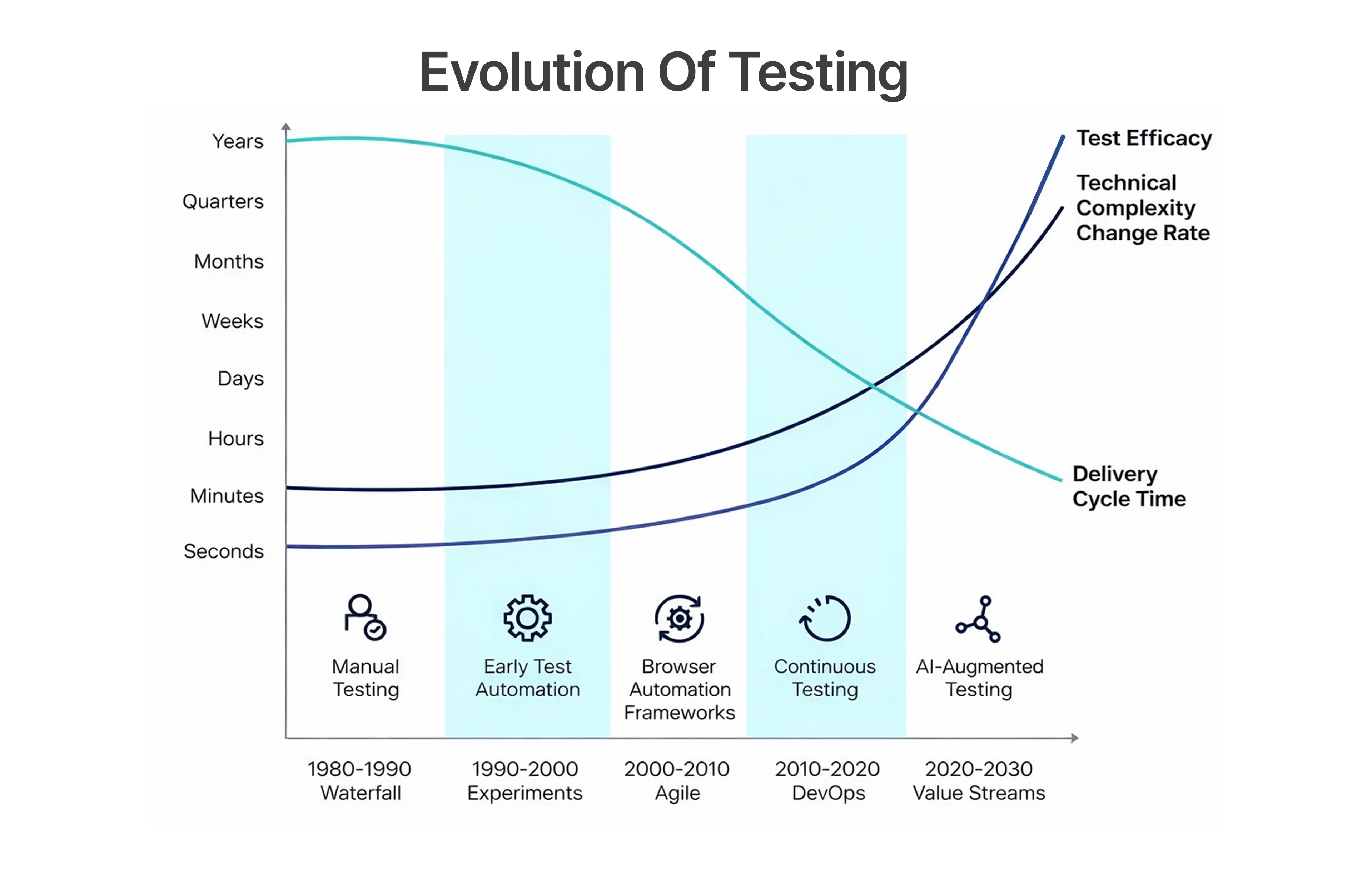
AI in test automation has evolved from mere UI automation. Current agentic AI involves the use of AI Agents and LLM Agents that are aware of the context of execution, have memory, and follow agentic workflows.
Due to the ability of these systems to change the state of the system, invoke batch jobs, or take incident response actions, testing has to go beyond functional verification. It has to incorporate robust risk management, governance policies, security measures, and human oversight to ensure that dangerous autonomous agents do not cause irreparable downstream effects.
The Role of AI in Modern Testing Automation
AI is revolutionizing contemporary test methodologies in the following ways:
- LLM Agents for the generation of test cases via prompt engineering
- Smart search within knowledge bases via AI
- Deep code analysis for vulnerability management
- Defect severity assessment via AI
- Time-series forecasting for performance prediction
The current automation frameworks are not limited to scripts. They support generative AI models, memory and state management, and runtime awareness. The advanced frameworks use the Model Context Protocol for handling interactions between services.
AI testing is also being extended to multi-agent systems, where more than one AI agent works together as one for test generation, another for validation of system state, and another for incident response.
For instance, Google DeepMind CaMeL investigates collaborative AI agents. Projects such as Claude Code and Claude Research showcase the role of AI in engineering support. Facilities such as the xAI data center showcase the size of contemporary AI environments.
Key Benefits of AI in Testing Automation
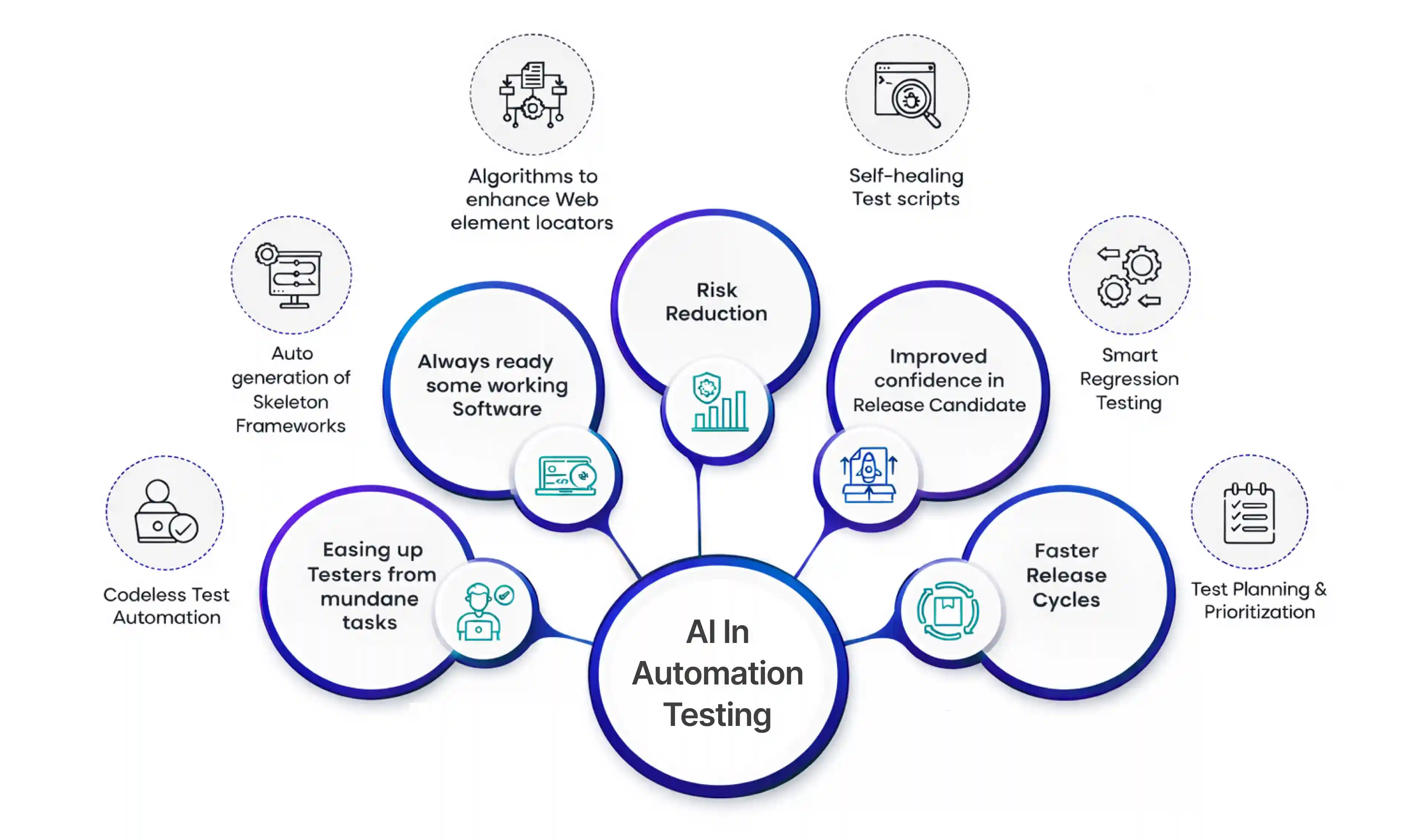
Despite the challenges, the benefits of AI are significant:
1. Enhanced Accuracy and Efficiency
AI systems are less prone to manual repetitive analysis and can identify anomalies in error messages more effectively than traditional scripts.
2. Faster Time-to-Market
Autonomous agents run regression tests overnight and optimize resource allocation.
3. Complex Scenario Analysis
AI systems can analyze:
- Weather-related events that affect demand forecasting
- Viral moments that affect sales data
- COVID-19 data that affects analytics dashboards
- Medical image validation in healthcare environments
However, the most important measure of success is not speed, but error rate in production environments.
Automation Testing Services and Solutions
Automation testing services and solutions are very important for testing AI-driven and agentic automation systems. As AI agents engage with production systems, internal tools, and external tools, it is important for organizations to ensure that testing frameworks are designed with effective risk management, security, and governance policies in place.
Contemporary automation testing services extend beyond the traditional UI automation and regression testing. They now encompass testing system state changes, monitoring error codes, evaluating error rates in production environments, and ensuring controlled agentic workflows before deployment.
The ideal solution must incorporate audit logging, explainability capabilities, human oversight points, and seamless integration with CI/CD pipelines to protect against failing AI and irreversible downstream decisions.
Types of Automation Testing Services
Contemporary automation testing offerings encompass:
- Functional testing
- Regression testing
- Performance testing
- Security testing
- API validation
- UI automation
The choice of the appropriate service offering is based on factors such as:
- Complexity of software architecture
- Sensitivity of system state
- Presence of batch processes
- Integration with third-party tools
For instance, in ITSM solutions for ticket backlog and incident fix, AI needs to be validated for:
- Accuracy of severity level identification
- Appropriate response to incident triggers
- Unintended auto-closure of critical tickets
Leading Test Automation Solutions
Some popular automation platforms are:
- Selenium
- TestComplete
When assessing tools for agentic automation, consider the following:
- Explainability tools
- Audit logging
- Security features
- Integration with change management systems
- Agent registries
- Memory and state isolation
In high-risk environments, always include manual review before production triggers.
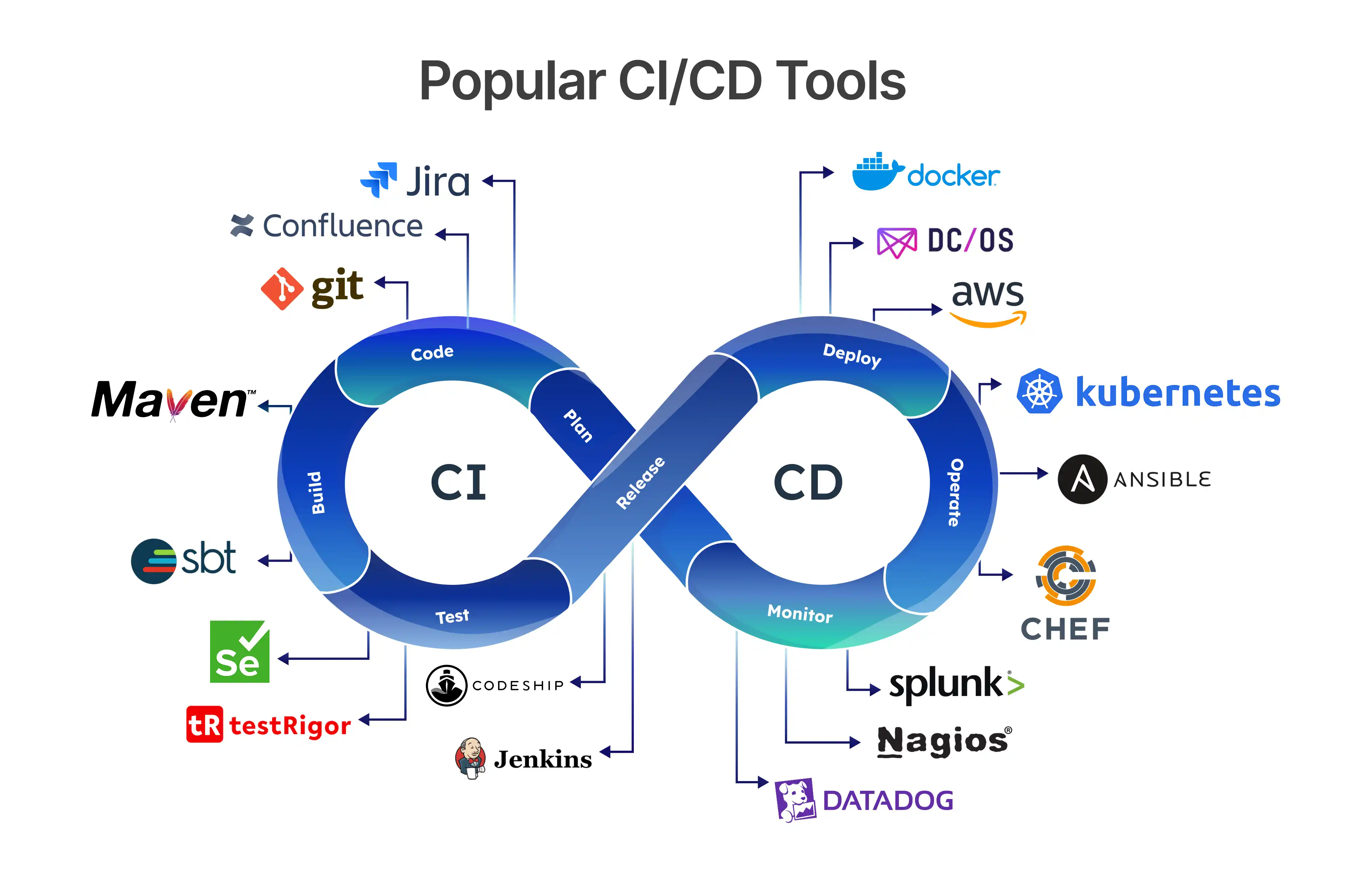
CI/CD Pipeline Tools and Their Impact on Testing
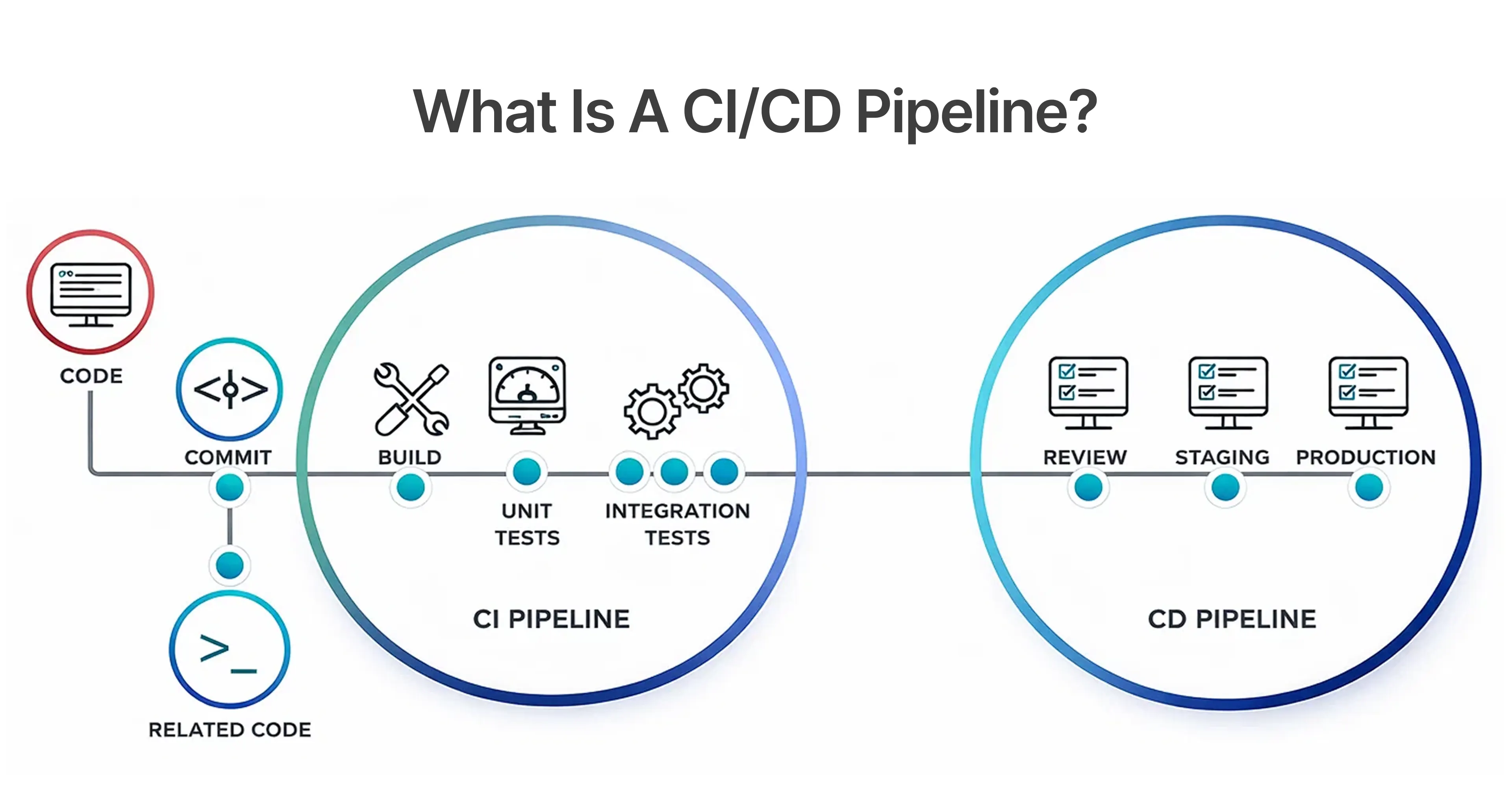
The CI/CD pipeline tools can automate the build, test, and deployment processes, which helps to speed up the release process in the production environment. When combined with AI agents and agentic workflows, these tools can automatically deploy model updates, initiate batch jobs, and change the system state.
However, if there is no proper governance policy in place, the CI/CD pipeline tools can cause errors to be injected directly into the production environment if the AI system fails. This is why the CI/CD pipeline tools should have proper validation and risk management checks in place.
Understanding the CI/CD Process
Continuous Integration and Continuous Delivery (CI/CD) enables fast deployment via:
- Code commits
- Automatic builds
- Automatic test execution
- Deployment
- CI/CD quickens IT Operations and integrates with internal tools, collaboration tools, and client reporting systems.
But risk arises when integrating AI in the following ways:
- Model updates trigger auto-deployment without checks
- AI alters configuration files
- Agentic workflows circumvent security checks
Best CI/CD Tools for Automation Testing
Some popular tools for CI/CD are:
- Jenkins
- GitLab CI
Advantages of integration are:
- Fast feedback cycles
- Decreased ticket queue
- Automatic checks for validation order
- Disadvantages are:
- Immediate injection attacks that control AI commands
- Damaged context at runtime
- Misleading statistics in reports
- Failure of AI to deploy incomplete code
The security posture needs to address:
- Vulnerability management
- In-depth code analysis
- Incident response playbooks
- Audit logging for traceability
Generative AI and Its Governance in Testing
Generative AI models are commonly applied in testing for test case generation, defect analysis, and workflow automation. When combined with agentic automation and production systems, the results can have a direct effect on the system state.
Effective governance policies are required to guarantee human review, security measures, audit trails, and adherence to regulatory standards. Without proper risk management, problems such as prompt injection attacks or unmanaged model updates can cause irrevocable downstream effects.
What is Generative AI Governance?
Governance of generative AI refers to the set of policies and controls that must be in place to ensure the safe, ethical, and compliant use of generative AI models. With the impact of AI agents on production systems and business processes, effective governance is necessary.
Effective governance practices include:
- Adherence to ethical AI
- Compliance with regulations
- Transparency and explainability of decisions
- Alignment with enterprise risk management
The necessary controls for effective governance are human review, explainability tools, agent registry management, strict validation before execution, and audit logging.
In the absence of proper governance policies, generative AI systems could modify system state, leak sensitive information, or perform unsafe agentic workflows. This is where runtime monitoring becomes critical, giving teams the visibility to catch and contain unexpected agent behavior before it escalates.
Challenges and Best Practices in Generative AI Testing
As generative AI models integrate with production systems and agentic workflows, testing must address risks beyond basic functionality.
Common Challenges
- Vulnerabilities in prompt injection
- Uncontrolled autonomous agents
- Conflict in multi-agent systems
- Inconsistent system state
- Poor integration with change management platforms
- Lack of audit logging
These issues can increase error rate and create security and compliance risks.
Best Practices
- Employ security controls with layered protection
- Employ manual review for critical actions
- Measure error rate in real-world execution
- Employ workflows for incident remediation
- Limit access to the runtime context
- Employ explainability tools
- Monitor autonomous security bots
- Test API integrations, such as the disease.sh API before deployment
For instance, in a crisis simulation scenario with COVID-19 data from the disease. The sh API: improper ingestion may affect dashboards for severity levels.
Strong governance and proactive monitoring are essential to keep generative AI systems secure, reliable, and production-ready.
Exploring Automated Software Testing Technologies
Contemporary automated testing tools have now integrated traditional UI automation with AI and agentic automation capabilities. These tools can now analyze system state and error codes, and can even be integrated with CI/CD pipelines.
With the increasing autonomy of automation, it is now important for organizations to focus on security controls and human oversight to ensure that the testing process remains accurate and safe.
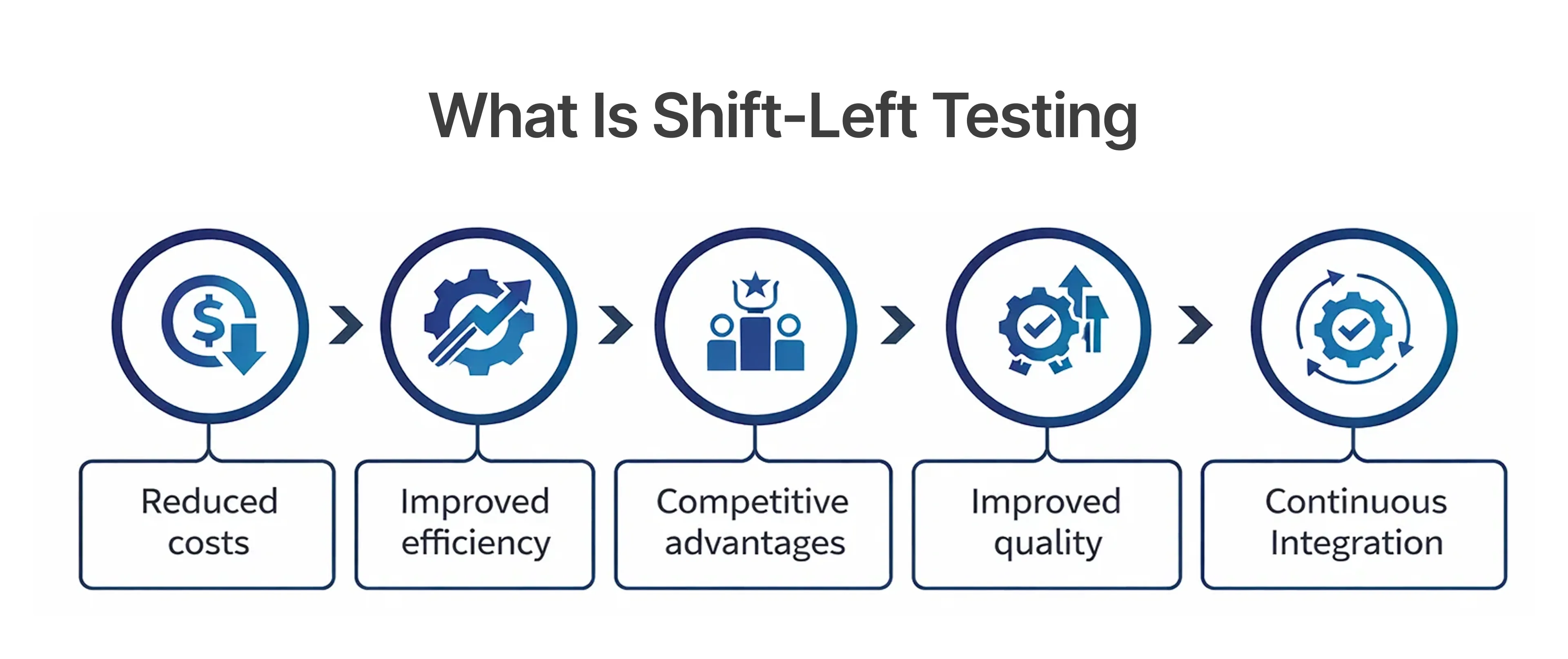
Shift Left Testing and Its Advantages
Shift left testing involves moving validation into the development life cycle.
Advantages:
- Remediation cost is reduced.
- Vulnerability management problems can be identified early.
- The load on incident response is decreased.
- Resource optimization is improved.
The Agentic AppSec Platform implementation enables validation of security during the development life cycle instead of after deployment.
Security Testing in an Automated Environment
Security testing must address:
- Prompt engineering abuse
- Prompt injection
- Unauthorized sign-in attempts
- Memory and state tampering
- Runtime context manipulation
Advanced tools include autonomous security bots performing:
- Deep code analysis
- Security posture monitoring
- Batch job validation
- Error code anomaly detection
Testing should simulate:
- Weather events affecting analytics
- Viral moments causing traffic spikes
- Change management failures
Emerging Tools in Automated Testing
Some of the emerging technologies in automated testing are being driven by AI agents, autonomous agents, and multi-agent systems that have the capability to perform agentic workflows with little human interaction. These emerging technologies in automated testing are more advanced than scripting technologies because they are able to perform smart search, deep code analysis, and monitoring of system state.
Although they are more efficient in resource optimization, they also need robust governance policies, security measures, and human monitoring because, without risk management, they can cause an increase in error rates or unintended actions.
Overview of Autonomous and Open Source AI Testing Tools
Autonomous testing tools run without requiring constant human interaction.
Features:
- Agent registry
- Multi-agent coordination
- Collaboration tools integration
- Smart search in knowledge bases
- Self-service support automation
However, governance policies need to set limits to avoid uncontrolled agentic automation.
Evaluating Free AI Testing Tools
Free testing tools for AI are helpful in initial experimentation with AI agents and small-scale automation projects. They provide rapid setup and are relatively less expensive, making them ideal for proof-of-concept experimentation.
The advantages are:
- Lower initial investment
- Rapid experimentation
- Ease of integration with internal tools
However, in a production environment, the following disadvantages could pose a risk:
- Limited audit logging capabilities
- Poor explainability capabilities
- Higher error rate in complex scenarios
- Inadequate security measures
On the other hand, paid enterprise tools are more effective in terms of governance policies, incident remediation, regulatory compliance, and secure integration with ecosystems such as Microsoft 365 Copilot.
Conclusion
However, the power of AI-driven automation can be harnessed only if the testing process goes beyond functional validation when the automation itself triggers irreversible downstream actions. As AI agents begin to interact with production systems, change the system state, run batch jobs, or initiate incident remediation, even a small probability of error can lead to significant operational and regulatory risks.
The need for organizations to adopt:
- Risk management approaches that are in line with regulatory norms
- Human review points for high-stakes decisions
- A robust security posture with multi-layered security controls
- Well-defined governance policies for generative AI models
- Incident response readiness
- Controlled and monitored agent workflows
The future is for well-governed agentic AI systems, not for uncontrolled autonomous agents that are opaque, invisible, and lack explainability.
At Frugal Testing, we assist enterprises in validating AI-driven automation for UI automation, IT Operations, CI/CD pipelines, and complex agent workflows focusing on security, compliance, and production stability. At BuildNexTech, innovation-driven engineering helps organizations build scalable, governed, and resilient AI automation architectures that emphasize safety without compromising speed. Organizations that focus on safe AI automation today will ensure fewer production failures, avoid regulatory issues, and safeguard customer relationships tomorrow.
People also Ask For (FAQ’s)
Q1.What is AI in testing automation?
Ans: AI in testing automation applies generative AI models, LLM Agents, and autonomous agents to create, run, and optimize test cases and track system state.
Q2.What are the best automation testing technologies available?
Ans: Selenium, TestComplete, Jenkins, GitLab CI, and advanced AI-infused automation tools are some of the best automation testing tools available.
Q3.How can CI/CD tools improve testing automation?
Ans: CI/CD tools facilitate rapid validation loops, automated regression testing, and continuous tracking of model updates and security measures.
Q4.What is generative AI, and why is governance critical?
Ans: Generative AI models produce content or make decisions. Governance is essential to ensure compliance, ethical operation, and secure deployment in production environments.
Q5.What are the advantages of shift left testing?
Ans: Remediation expenses are minimized, error rates are decreased, vulnerability management is enhanced, and overall security posture is improved.

.webp)



.webp)