

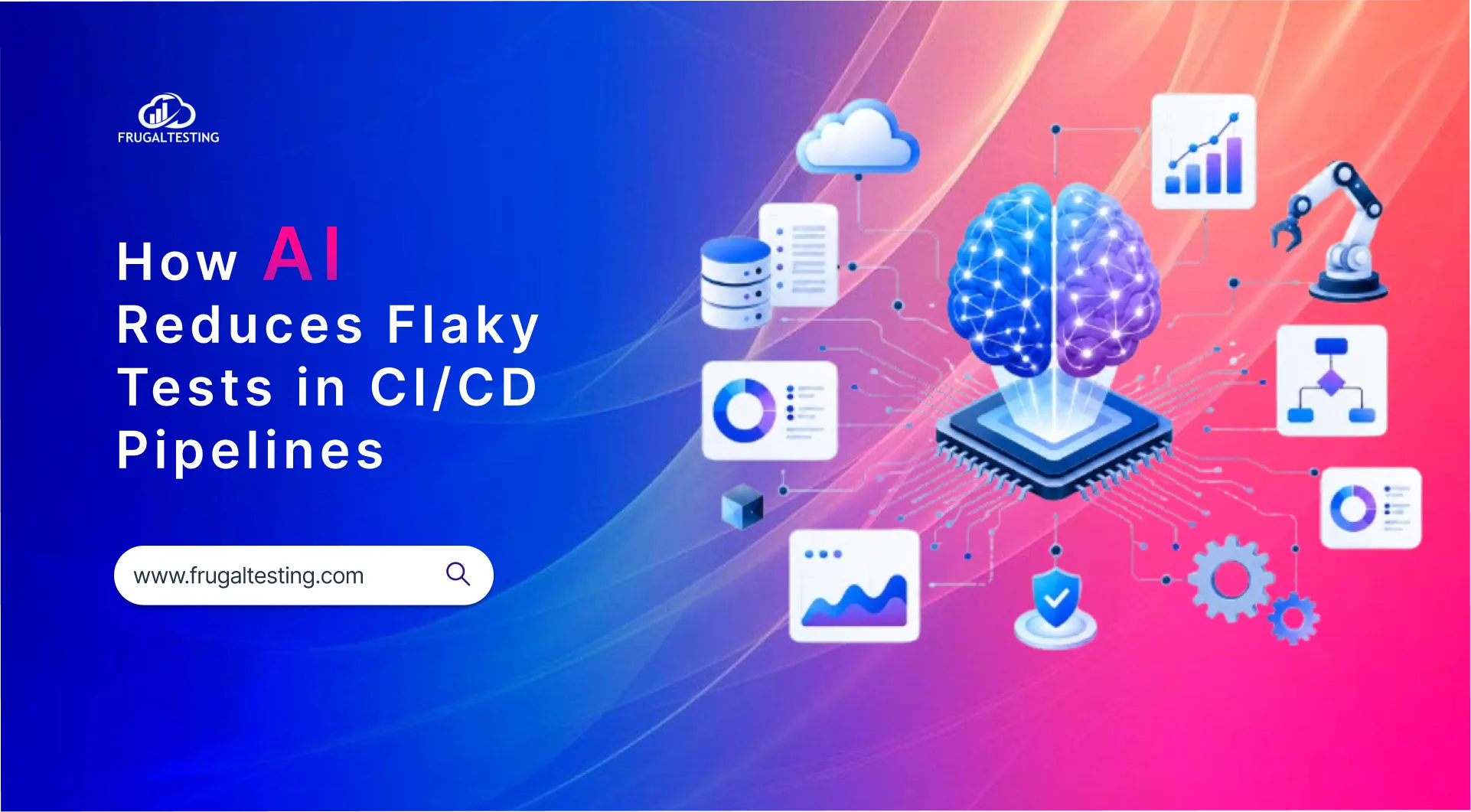
This is the daily reality of flaky tests a test fails in the CI/CD pipeline, you re-run it and it passes, even though no code changed and nothing broke, yet your build is red, your sprint is blocked, and your team has just burned another 20 minutes chasing a ghost. Atlassian reported that flaky tests in a major Jira backend repository contributed to more than 150,000 developer hours wasted annually through reruns and investigation. As pipelines grow more complex and release cycles shrink, the problem only compounds. AI is now changing how teams detect, manage, and eliminate test flakiness at scale and this blog walks you through exactly how.
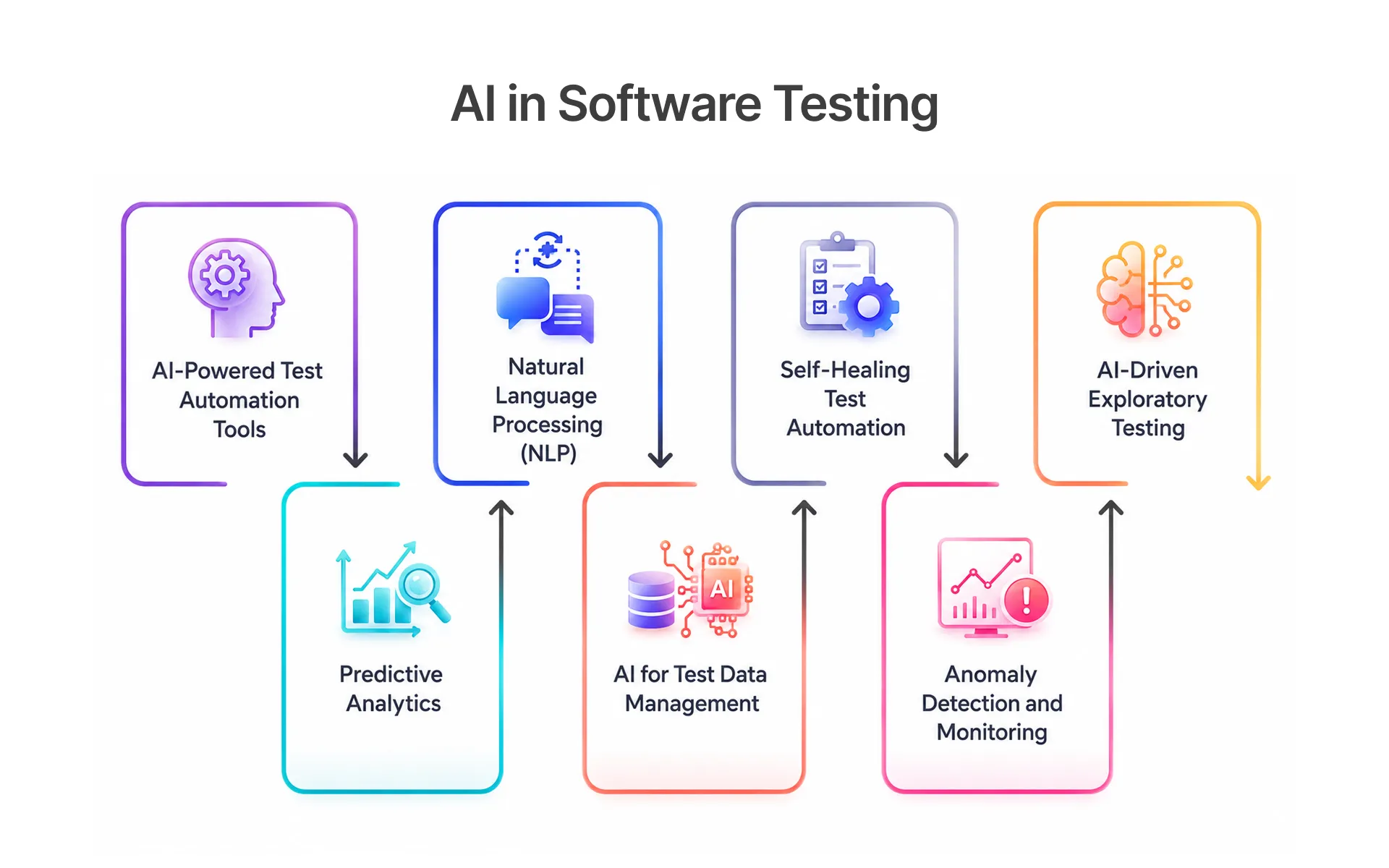
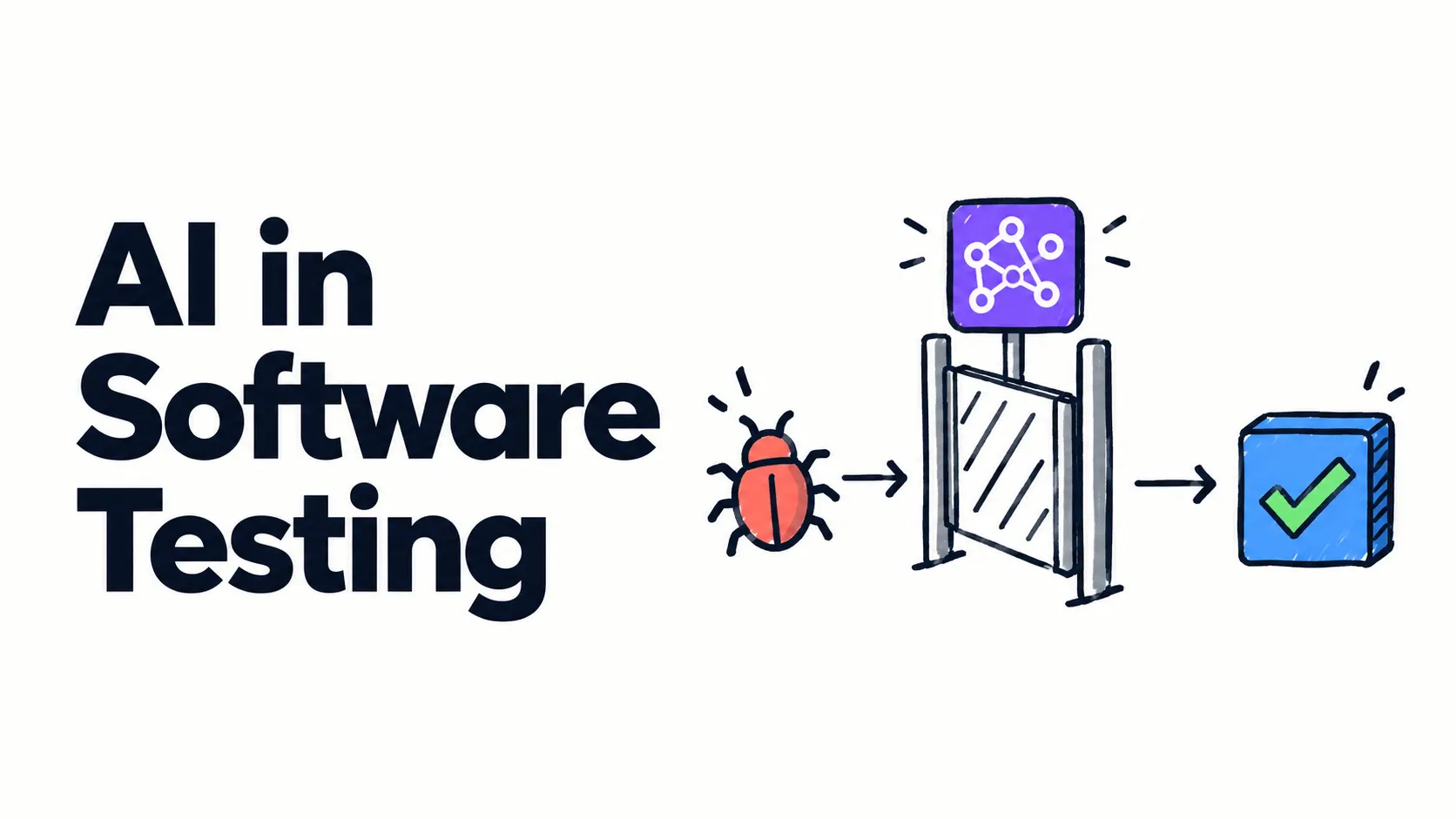
How does AI reduce flaky tests in CI/CD pipelines? AI reduces flaky tests by analyzing historical test results, detecting recurring failure patterns, correlating failures with code and environment changes, quarantining unstable tests, prioritizing high-risk tests, and helping teams separate genuine regressions from pipeline noise.
Understanding the Growing Challenge of Flaky Tests in Modern Software Testing
What Flaky Tests Are in Automated Software Testing and QA Automation
A flaky test is one that produces inconsistent results without any change to the underlying code or application. Run it once, it fails. Run it again, it passes. Flaky tests produce non-deterministic results running the same test multiple times yields different outcomes, with no actual regressions, broken assertions, or CI failures to explain the difference.
Why Flaky Tests Impact CI/CD Pipelines, Regression Testing, and DevOps Workflows
The downstream effects of flaky tests ripple across the entire software delivery process. DevOps environments depend on automated pipelines for rapid code delivery, but ongoing CI/CD reruns delay test execution and block pull requests, reducing pipeline efficiency and leading to delayed release cycles. For regression testing specifically, flaky failures create false alarms that make it impossible to distinguish a real regression from a test environment hiccup. DevOps teams start merging code with red pipelines because "it's probably just a flaky test again" and that is exactly when real bugs slip through undetected.
Common Causes of Unstable Tests in End-to-End Testing Tools and Test Automation Frameworks
Flakiness does not come from one place. Consistent industry research shows that flaky failures are driven more by timing issues, test data dependencies, runtime instability, and environment variability than by simple UI locator changes. In end-to-end testing tools, the most common triggers are:
- Shared test data that gets modified mid-run by parallel test threads.
- Race conditions in dynamic UI frameworks like React and Next.js.
- External service dependencies that introduce unpredictable response times.
- Environment inconsistencies across ephemeral containers and dynamic staging setups.
- Timing-based waits that are too rigid for variable infrastructure response times.
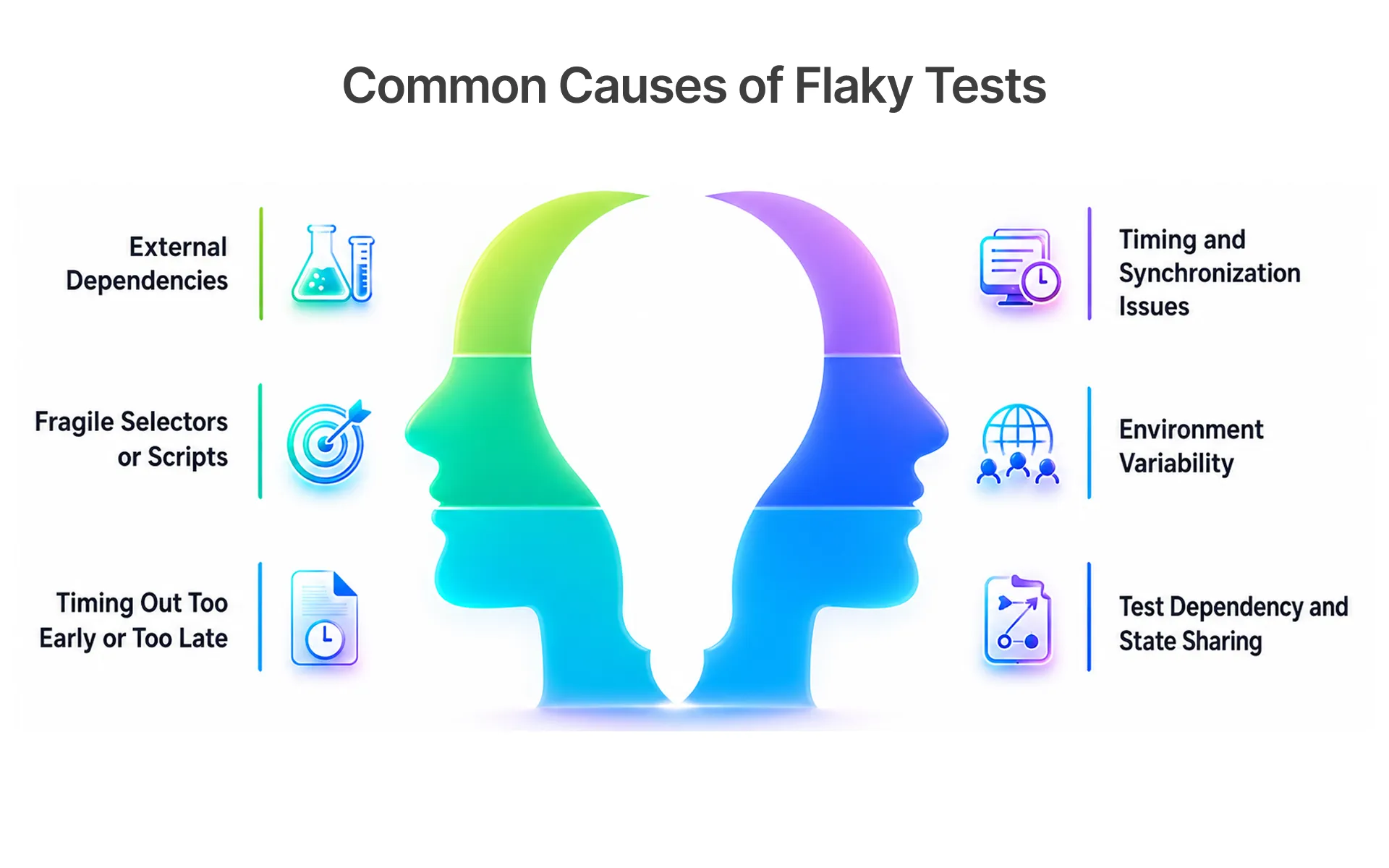
Understanding these root causes is the first step toward fixing them systematically rather than suppressing them with retries.
Why Traditional Flaky Test Detection Fails in Modern CI/CD Environments
Limitations of Rule-Based and Manual Flaky Test Identification in QA Automation
Traditional approaches to handling flaky tests rely on retry logic, manual tagging, and developer memory what QA teams often call tribal knowledge. Someone notices a test fails intermittently, adds it to a flaky list, and excludes it from blocking builds. This process is slow, reactive, and error-prone. Rule-based systems cannot distinguish between a test that is genuinely flaky and one that is revealing a real intermittent bug. The result is either too many false positives that developers ignore or real failures that quietly get swept under the rug.
How Non-Deterministic Test Failures Overwhelm Traditional CI/CD Pipeline Monitoring
Traditional CI/CD monitoring has no mechanism to distinguish a genuine failure from an environment artifact and that gap is where engineering time disappears. Most CI/CD pipelines still operate as fixed, rule-based systems with no ability to adapt to actual system conditions or environmental context at execution time. Teams are left re-running builds manually and spending engineering cycles on root cause analysis that should be automated. This forces teams to spend more time investigating false failures than building features.
The Cost of Undetected Flaky Tests on Release Velocity and Engineering Confidence
The financial and cultural cost is significant. A case study across a team of roughly 30 developers found that engineers spent 2.5% of their productive time dealing with flaky tests, including 1.3% on repairs alone. Multiply that across a 50-person QA and DevOps org and you are looking at weeks of lost engineering capacity every quarter. Beyond time, there is an erosion of trust: when developers stop believing their test suite, they stop acting on it. Here is how traditional flaky test handling methods compare against AI-based classification:
How AI Detects and Reduces Flaky Tests in CI/CD Automation
AI-Driven Analysis of Regression Testing Patterns and Failure Trends
AI approaches flaky test detection by doing what humans cannot do at scale: analyzing thousands of test execution records to find patterns invisible to the naked eye. Instead of flagging a test as flaky because a developer noticed it failed twice, AI systems score tests on a continuous flakiness probability based on historical pass/fail signals, execution environment, time of day, test suite order, and upstream dependencies. This gives QA automation teams a ranked, data-driven view of test health rather than an informal list maintained in a spreadsheet.
How AI Models Classify Flaky vs. Genuine Test Failures Using Historical Execution Data
The classification problem itself is genuinely hard. Google's data reveals that approximately 84% of transitions from passing to failing tests in their CI system were due to flaky tests rather than actual regressions which means teams that treat every red build as a real failure are wasting enormous resources. Modern AI models address this by extracting features from historical test runs: failure frequency, correlation with code changes, environment variables, and execution timing. By training on these signals, AI can confidently distinguish a flaky failure from a genuine regression and route each appropriately triggering investigation for the latter and quarantine for the former.
Self-Healing Capabilities in AI Test Automation Tools
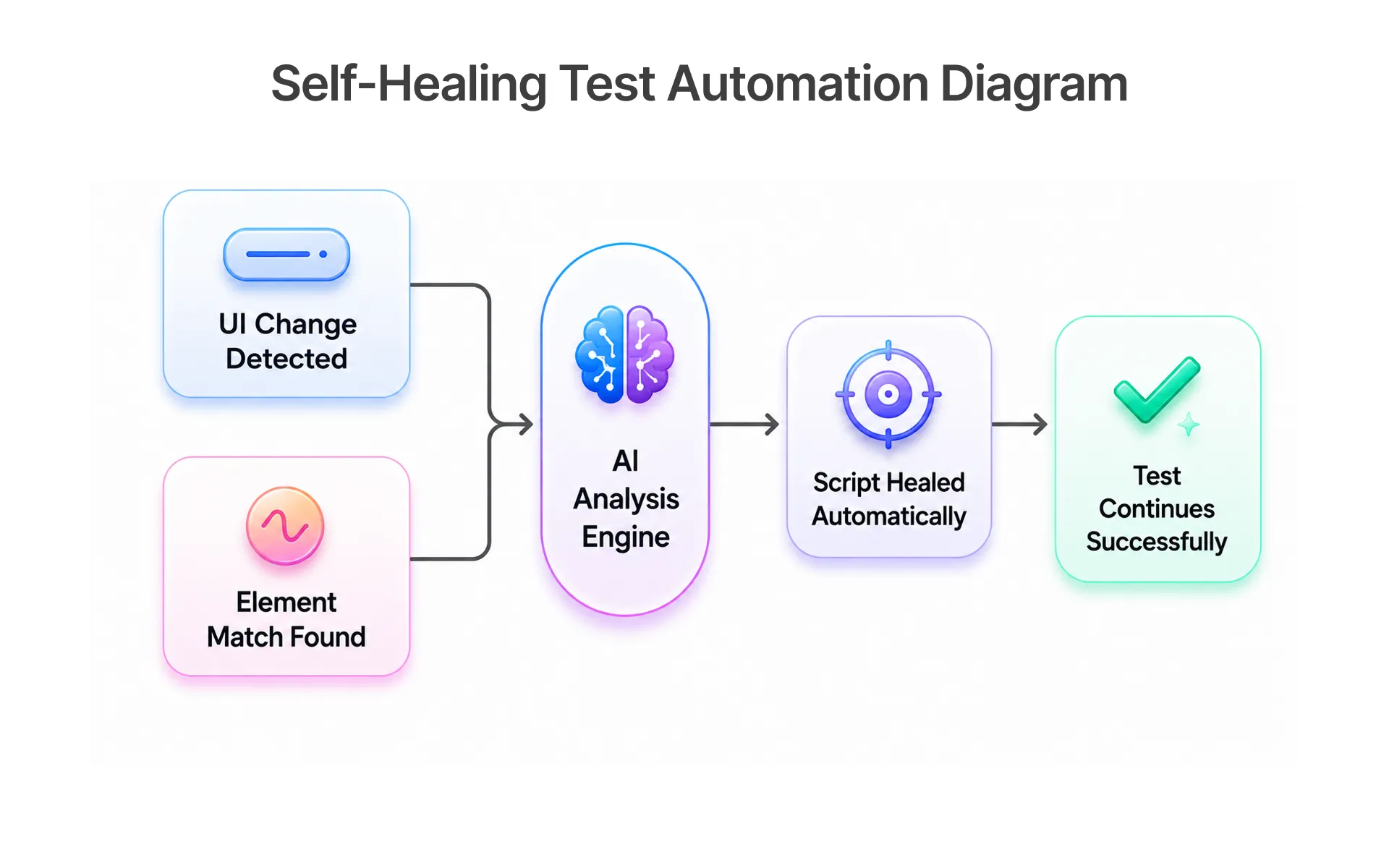
Self-healing is one of the most practical expressions of AI in test automation. When a UI element changes a button ID updates, a CSS class shifts, a form layout reorganizes traditional automation frameworks break immediately, generating failures that look identical to real bugs. Self-healing systems absorb these changes, reduce root cause analysis time, and protect engineering velocity by automatically updating test models based on healing decisions, reducing manual refactoring. The strongest AI test automation tools tackle both layers.
Intelligent Test Prioritization for Faster CI/CD Testing and Automated Regression Testing
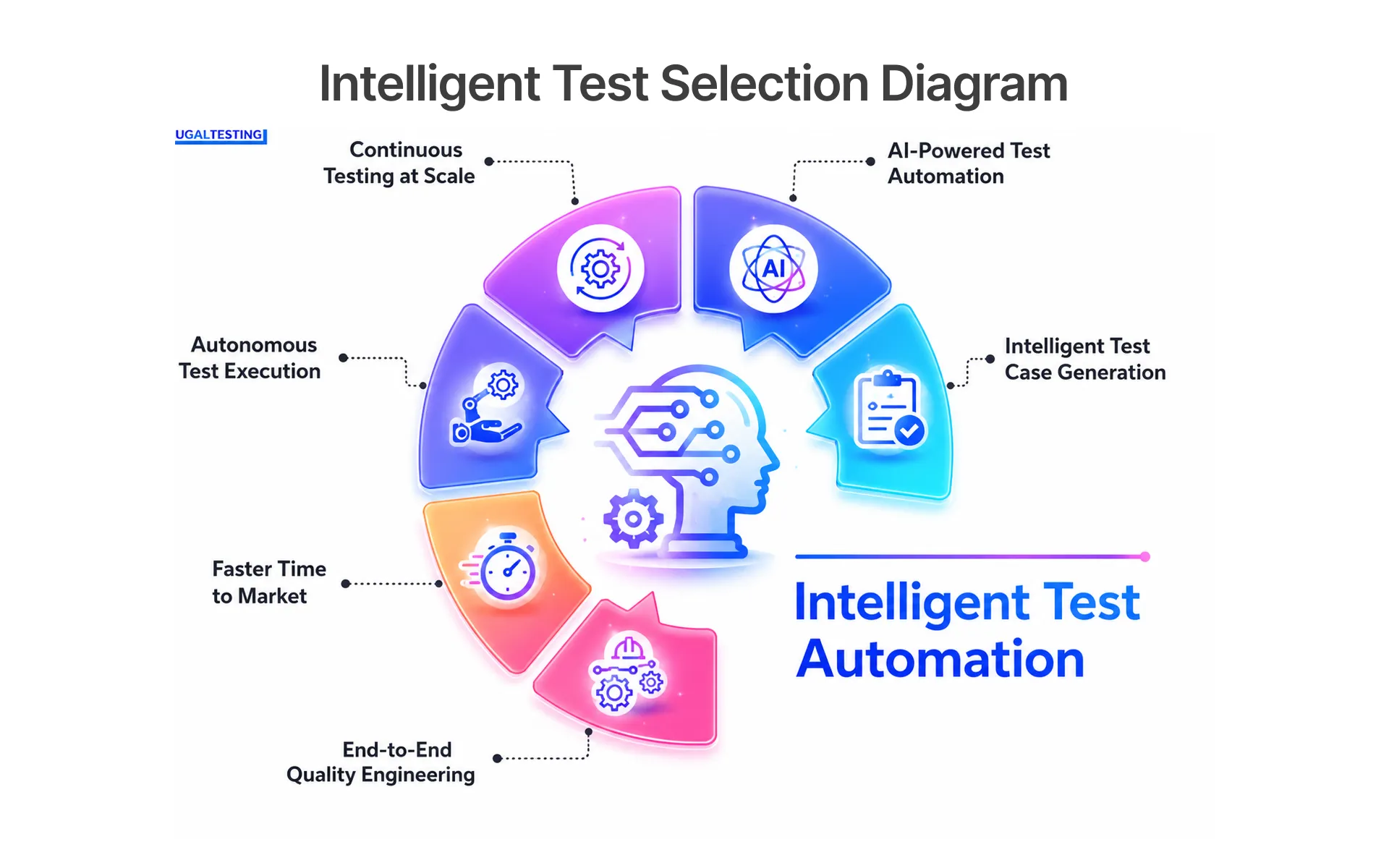
Not every test needs to run on every commit. AI-powered test prioritization analyses which tests are most likely to catch failures given the specific code change being submitted. CloudBees Smart Tests reports up to 80% test execution time reduction and 3 to 5 cloud instances saved per test hour through AI-driven test selection. For teams running large regression suites in Jenkins or GitHub Actions, this kind of intelligent selection can transform a 90-minute regression cycle into a focused 15-minute run with minimal coverage trade-off, particularly for change-scoped pull request validation.
Predictive Insights Using AI for Software Regression Testing Stability
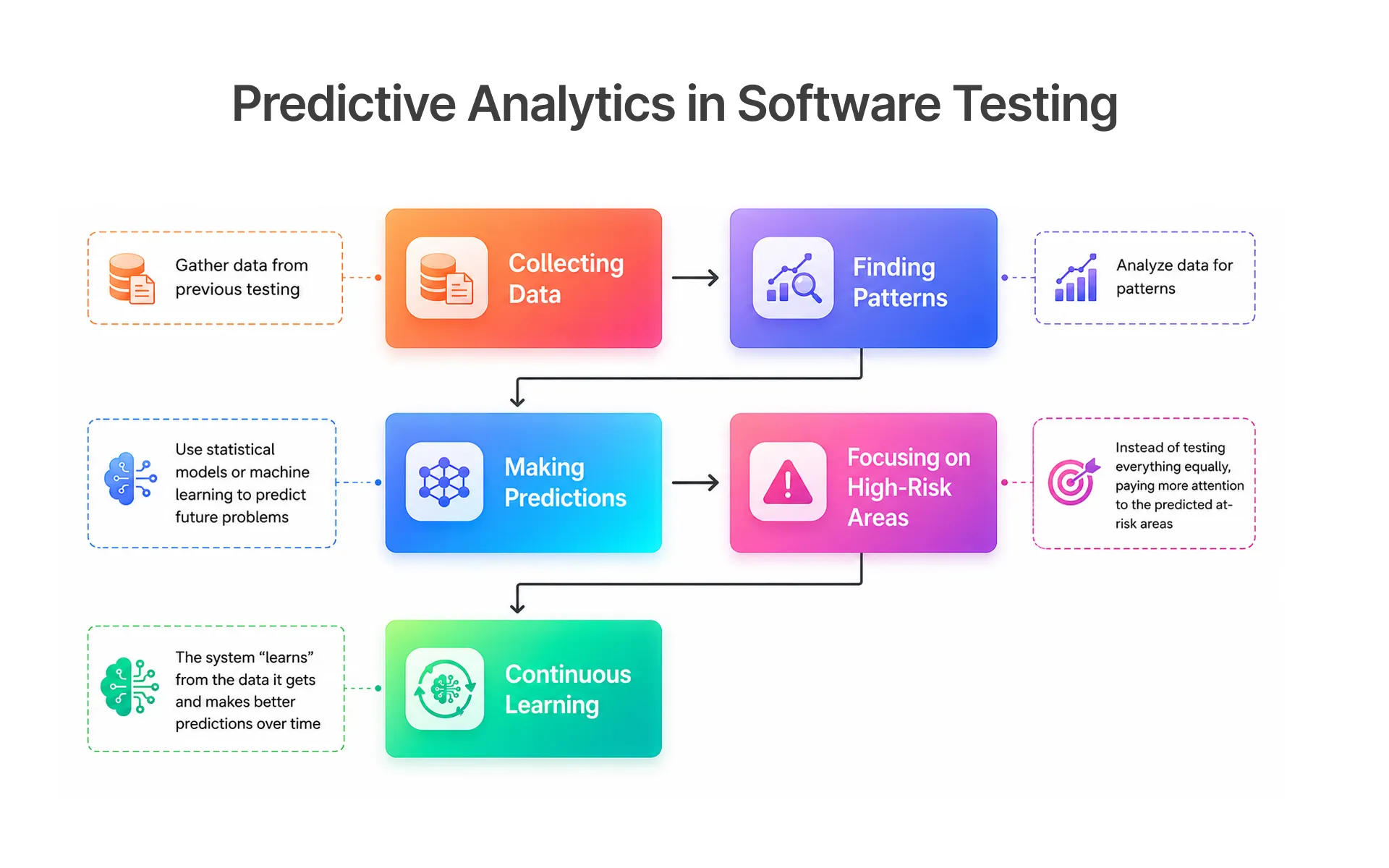
Beyond detection and healing, AI introduces predictive capability to test pipelines. By modeling historical failure trends alongside code change velocity and deployment frequency, AI tools can flag which parts of the regression suite are likely to become unstable before they actually do. This shifts QA from a reactive discipline fixing failures after they surface to a proactive one, where engineering teams address fragility in test data, environment configuration, or test design before it disrupts a release.
In one SaaS enterprise engagement, a Frugal Testing client running over 4,000 automated tests across three CI/CD pipelines used predictive flakiness analysis to identify 23 high-risk tests before a major release sprint. By correlating historical execution trends with deployment frequency data, the team stabilized its regression suite within two weeks and reduced false-blocker incidents by approximately 70% ahead of the release window, significantly improving pipeline reliability during the sprint.
Integrating AI Testing Tools into DevOps and CI/CD Pipelines
Connecting AI Testing Tools with CI/CD Tools and DevOps Pipeline Tools
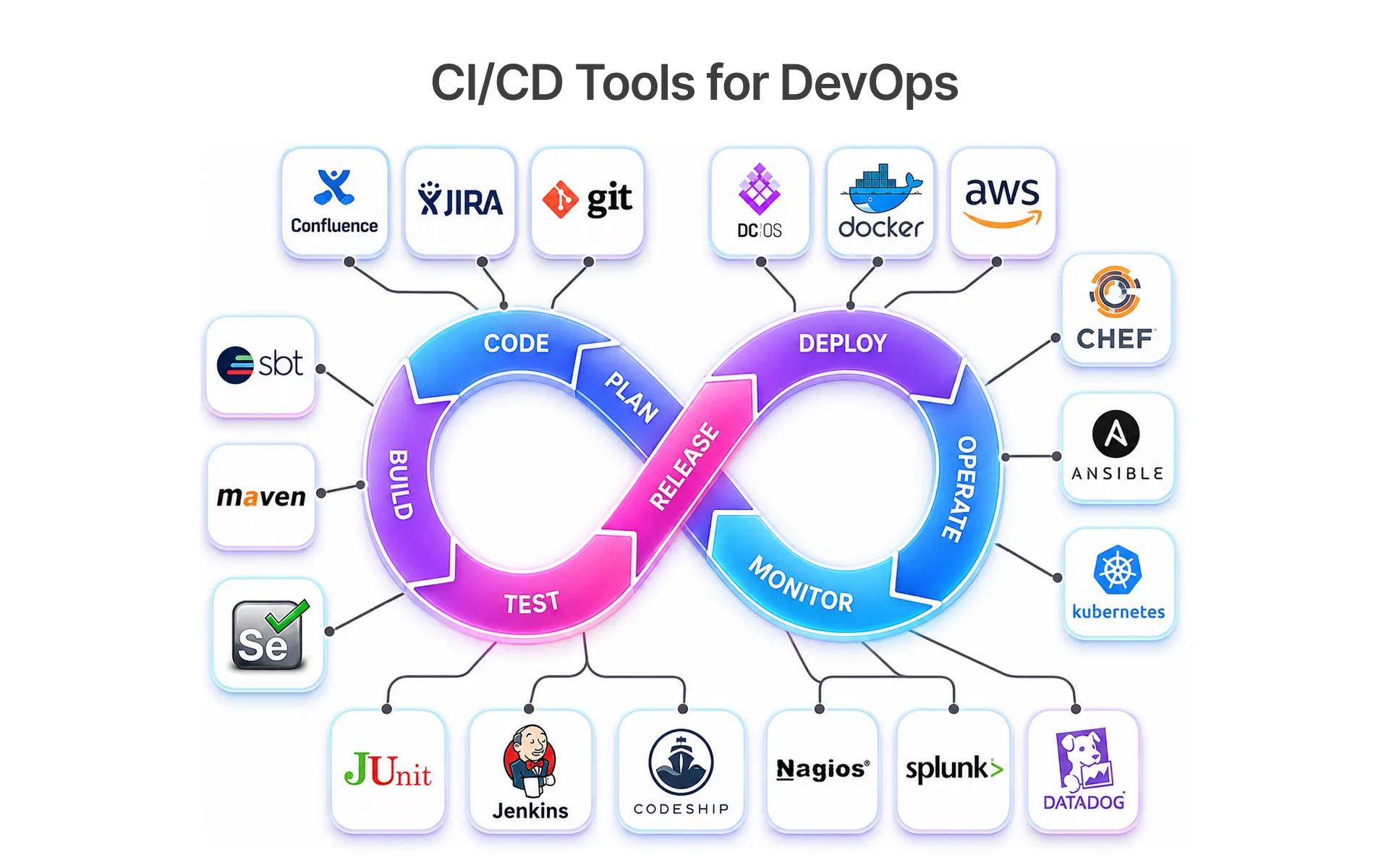
The value of AI test automation only materializes when it is wired into the tools your team already uses. Modern AI testing platforms are built with native integrations for Jenkins, GitHub Actions, GitLab CI/CD, and Azure DevOps. The integration pattern is typically lightweight: the AI layer sits between your test runner and your pipeline orchestrator, intercepting results, scoring them for flakiness, and feeding decisions back into the build workflow. No test framework migration is required.
Real-World AI Tool Integrations: How Leading Platforms Connect to CI/CD Pipelines
Several platforms have established strong integration depth with enterprise CI/CD ecosystems. CloudBees Smart Tests uses AI to help DevSecOps teams shorten test runs, improve test triaging, and access comprehensive test health insights and test failure analysis with support for Jenkins, GitHub Actions, and GitLab. Datadog Continuous Testing brings observability-grade visibility to test pipelines, correlating test failures with infrastructure metrics and deployment events. For teams already in the Datadog ecosystem, this means flaky failures can be traced back to an Amazon EKS node anomaly or a network timeout in minutes rather than hours. Frugal Testing integrates with these workflows to provide continuous test intelligence across distributed DevOps environments.
Improving DevOps Continuous Integration with Automated Software Testing
Shift-left testing principles call for moving quality checks earlier in the software development process, and AI-driven test automation makes this practical at scale. When AI accurately separates flaky noise from genuine failures in real time, developers get fast, trustworthy feedback at the pull request stage rather than hours later in a regression suite. This accelerates DevOps continuous integration by removing the manual investigation loop that typically sits between a pipeline failure and a developer taking action.
Best Practices for Combining AI, Test Automation, and Agile DevOps Workflows
Teams that apply these steps in sequence consistently see faster AI adoption and fewer rollback incidents than those who try to automate everything at once.
- Invest in test observability first. Clean, structured test result data is the fuel AI models run on. Messy or incomplete telemetry produces unreliable classifications.
- Set flakiness thresholds that trigger automated quarantine rather than manual review. Define what flakiness score warrants automatic exclusion from build gating.
- Start with advisory mode. Treat AI recommendations as suggestions initially, validating classifications against known flaky tests before granting the system autonomy over build decisions.
- Expand scope incrementally. Begin with one regression suite, validate the accuracy, then roll out across the full test suite once confidence is established.
Before applying AI to flaky test detection, ensure each test run captures the following data points:
- Test ID and test name.
- Commit SHA and branch name.
- Test environment and runner or agent details.
- Execution duration and retry count.
- Failure type assertion, timeout, or infrastructure.
- Screenshot or log reference for each failure.
Key Benefits of AI for QA Automation and Regression Testing
Faster Release Cycles with Reliable Regression Testing Automation
The most immediate benefit teams report after adopting AI-driven flaky test management is faster pipeline throughput. A 2025 case study highlighted how one team cut their flake rate from 22% to just 0.6% and reduced regression time by 70%. Teams have also reported up to a 59% reduction in cycle times and a 37% boost in feature delivery.
Reducing False Positives and Improving Developer Productivity
Every false positive in a CI/CD pipeline costs a developer context-switching time: opening the failure, reading the logs, determining it is probably flaky, re-triggering the build, and waiting again for results. Multiply this by the volume of test runs in a modern DevOps team and the waste compounds quickly. AI reduces false positives at the source by accurately classifying failures before they reach developers, returning that time to feature work and reducing the frustration that drives teams to simply disable unreliable tests altogether.
Enhancing Software Quality Through Continuous Quality Assurance Automation
Stable, trustworthy test pipelines have a downstream effect on software quality that goes beyond catching bugs faster. When developers trust their test suite, they write more tests, review failures more seriously, and maintain test coverage as a genuine quality gate rather than a compliance checkbox. Quality assurance automation becomes a team culture rather than a formality. Organizations using AI-enhanced continuous testing consistently report improvements in defect escape rates and production incident frequency, because signal quality upstream translates directly to reliability downstream.
How Stable CI/CD Automation Compounds Long-Term Regression Testing ROI
The ROI case for AI in testing is not just about reducing flaky failures today it compounds over time. A stable regression suite requires less manual maintenance, fewer emergency hotfixes caused by missed regressions, and lower infrastructure costs from reduced re-runs. Research suggests that effective flaky test management could reduce the flaky-induced build failure rate from 8% to approximately 3.2%, representing a 60% improvement in build stability.
Key Criteria for Evaluating AI Test Automation Tools for Enterprise Pipelines
When evaluating tools for enterprise adoption, QA leads and CTOs should assess five dimensions:
- Integration depth with existing CI/CD tooling, including Jenkins, GitHub Actions, GitLab CI/CD, and Azure DevOps.
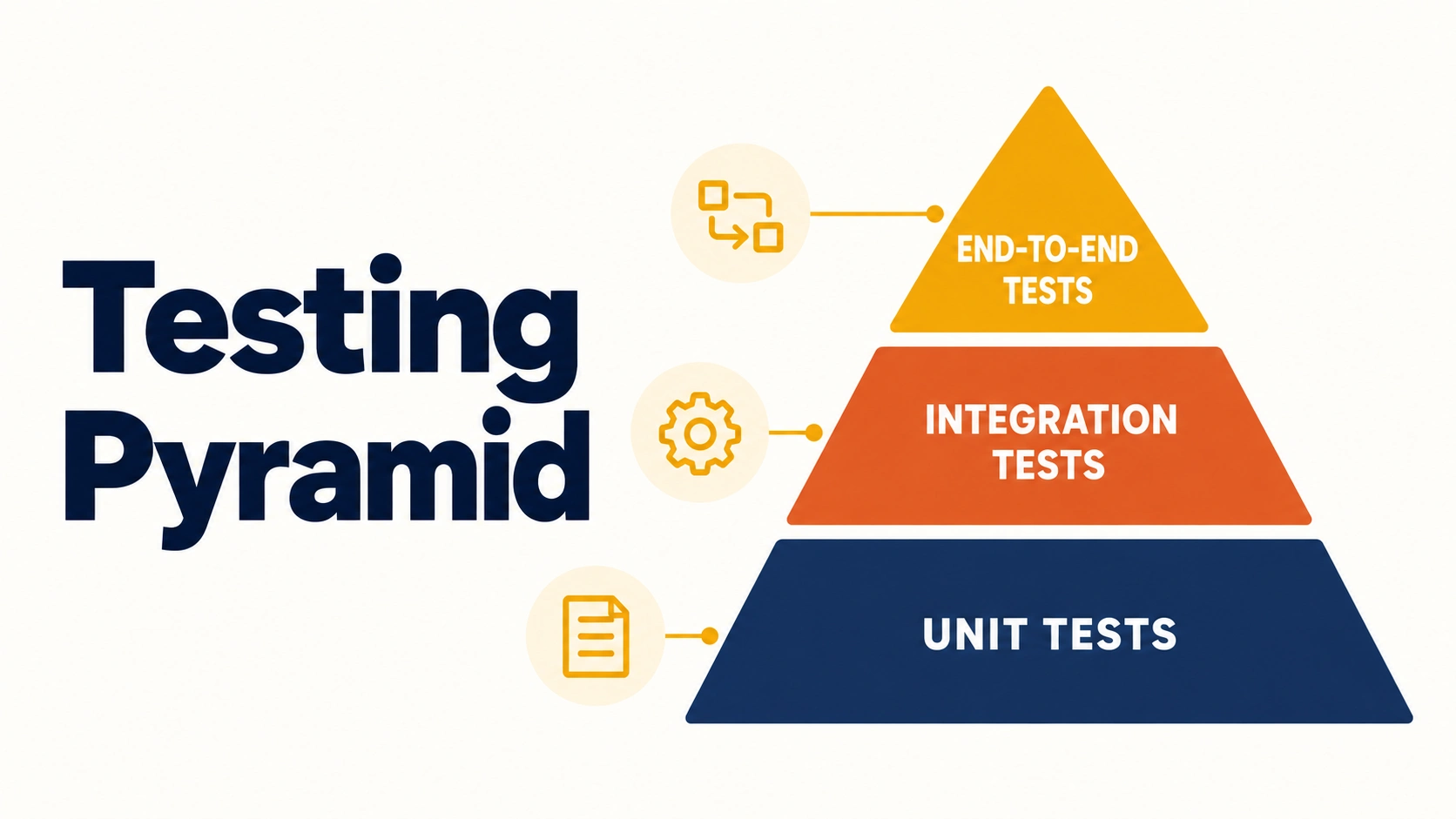
- Detection accuracy across your specific test types UI tests, API tests, and unit tests each have different flakiness signatures.
- Recommendation transparency can engineers review and override AI decisions, or is it a black box?
- Scalability across large parallel test suites and dynamic environments like Amazon EKS.
- Enterprise compliance support including SOC 2 certification, SSO, RBAC, and audit logging.
Frugal Testing recommends prioritizing transparency, integration depth, and configurable flakiness thresholds when evaluating AI testing platforms so that AI-driven failure classifications remain auditable and trustworthy within regulated delivery environments.
The Future of AI Testing in DevOps and Continuous Testing
Emerging Trends in AI for Software Testing and DevOps Practices
The next frontier in AI testing moves beyond detection into generation. The next generation of self-healing will integrate more deeply with DevOps and agentic testing platforms tools will blend visual AI, natural language processing, and behavior modeling to choose the best locator or interaction based on user intent, reducing flakiness and maintenance overhead. Agentic AI systems are beginning to handle test case generation directly from natural language requirements, closing the loop between product specification and test coverage without manual scripting. Platforms like Applitools, Mabl, and testRigor are already shipping Gen AI test automation capabilities in production, moving the category from experiment to enterprise-ready.
The Evolution of Intelligent QA Automation and End-to-End Testing Tools
End-to-end testing tools are evolving from static script executors into adaptive systems that model application behavior over time. Deep learning models trained on user interaction patterns can identify when an application has changed in ways that matter to users, not just in ways that break a selector. Visual AI testing applies computer vision to catch rendering regressions that no code-level assertion would catch. As these capabilities mature, the boundary between test automation and production monitoring will continue to blur, creating genuinely continuous quality intelligence rather than periodic test runs.
How AI-Driven Testing Supports Scalable Continuous Delivery Pipelines
At scale, manual test management is simply not viable. Organizations deploying hundreds of microservices across ephemeral environments and dynamic infrastructure need testing systems that adapt automatically. AI-driven testing provides this by continuously learning from execution data, adjusting test selection and flakiness scoring as the system evolves. This is what makes it foundational to continuous delivery at scale not a nice-to-have feature, but a prerequisite for maintaining quality as deployment frequency increases and test suites grow from hundreds to thousands of cases.
Conclusion: Building Reliable Continuous Testing Pipelines with AI
Why AI Testing Is Becoming Essential for Modern CI/CD and Regression Testing
Flaky tests were a manageable inconvenience when teams deployed monthly. In a world of continuous delivery, they are an active threat to pipeline reliability and release confidence. The combination of AI-driven classification, self-healing automation, and predictive analytics transforms the test suite from a source of noise into a genuine quality signal one that engineering teams can trust and act on without hesitation.
How Enterprises Can Build Release Confidence with AI-Driven Testing Strategies
Building release confidence starts with test observability, continues with AI-assisted flaky test quarantine, and matures into predictive pipeline intelligence. Enterprises that have invested in this progression report not just faster releases but measurably better production quality and higher developer satisfaction. Through continuous testing engagements, Frugal Testing has seen organizations achieve stronger release confidence when AI-driven flakiness management is introduced incrementally. Teams that begin with observability, establish flakiness baselines, and gradually automate failure classification tend to achieve faster adoption and more sustainable quality improvements. Frugal Testing can help teams audit their current CI/CD test suite, identify flaky-test hotspots, and build a practical AI-assisted stabilization roadmap for regression testing and QA automation.
Next Steps for QA Teams Starting with AI-Driven Continuous Testing
If your team is starting this journey, begin by measuring your current flakiness baseline before evaluating any tooling:
- Track the percentage of pipeline runs that are reruns triggered by a previous failure.
- Calculate mean time to green for pull requests across your most active repositories.
- Identify the top five tests by flakiness frequency using your existing CI/CD reporting.
People Also Ask (FAQs)
Q1. Can AI test stability tools suppress real bugs as flaky?
Ans: AI tools can suppress real bugs if thresholds are too aggressive or review controls are missing. That is why teams should use confidence scores, audit trails, human review workflows, and override controls before fully automating flaky-test decisions.
Q2. How much test history does AI need to detect flakiness reliably?
Ans: Most AI tools need 50–100 historical runs per test to build reliable flakiness scores. Accuracy improves significantly beyond 200 runs.
Q3. Does AI flaky test detection work for unit and API contract tests?
Ans: Yes. AI detects flakiness in unit, API, and contract tests by analyzing execution patterns, not just UI behavior or selector changes.
Q4. What is the performance overhead of AI test analysis in CI/CD?
Ans: Minimal. Most AI test analysis runs post-execution asynchronously, adding under 2–5 seconds to pipeline runtime with no blocking impact.
Q5. How does AI handle flakiness from infrastructure or environment issues?
Ans: AI correlates test failures with environment signals like network timeouts and container restarts, isolating infra flakiness from code bugs.