

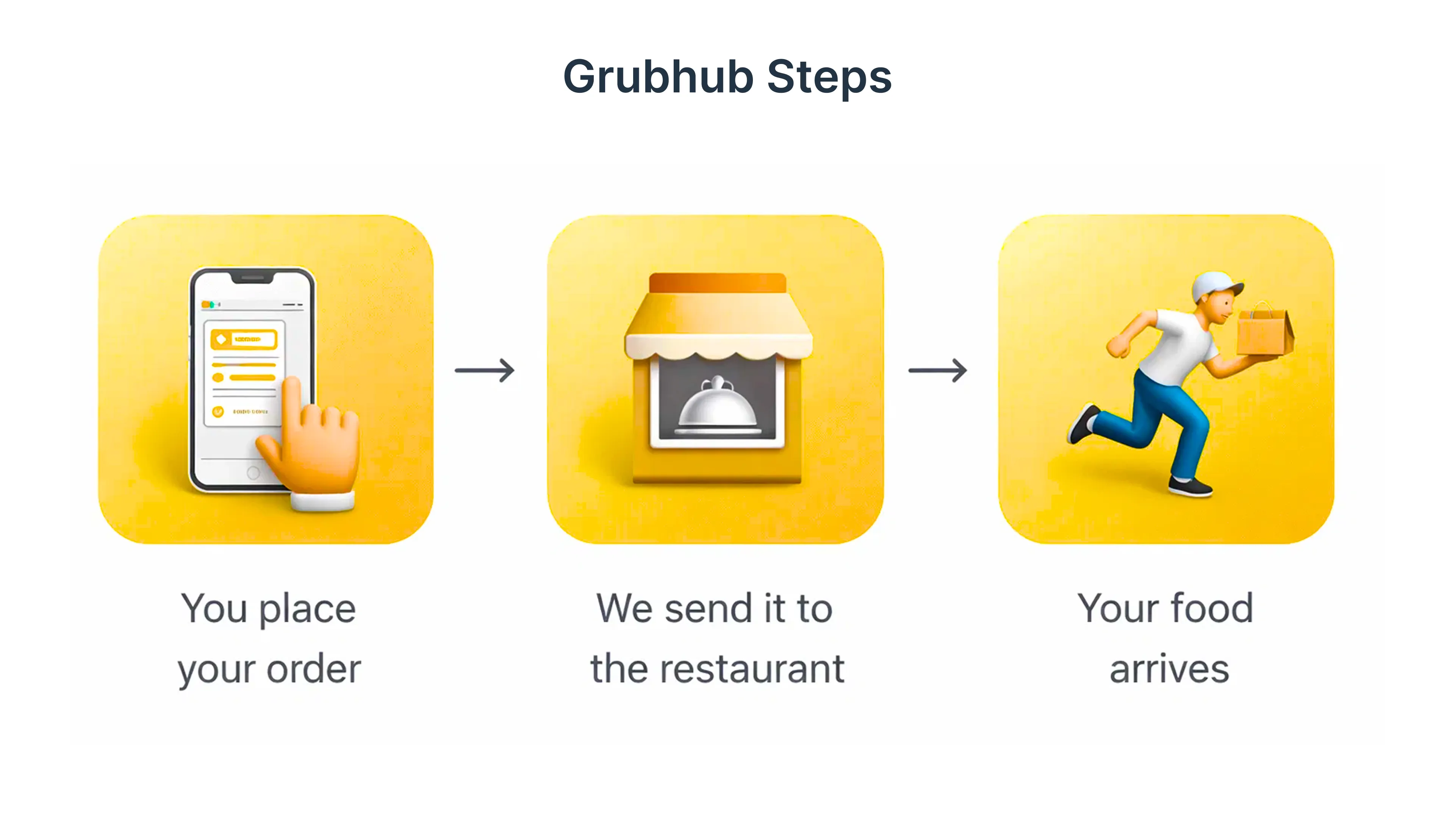
Now In the US, there are several types of Point Of Sale (POS) and payment processing systems used by restaurants/foodservice operators, which makes handling multiple types of transactions difficult. In addition, with the increase in online ordering and delivery, Grubhub helps restaurants process millions of orders on various systems through their online platform. They provide their restaurant partners with order tracking, transparent fee structures, and digital menus that are easily accessible.
Through a structured POS integration, payment testing, API validation, automation with integration of ai for restaurants, and continuous integration (CI), Grubhub has created reliable payment processing operations to ensure that all transactions will be processed accurately and that they will have stable performance across thousands of restaurants throughout the United States.
Understanding POS Integration in the Restaurant Industry
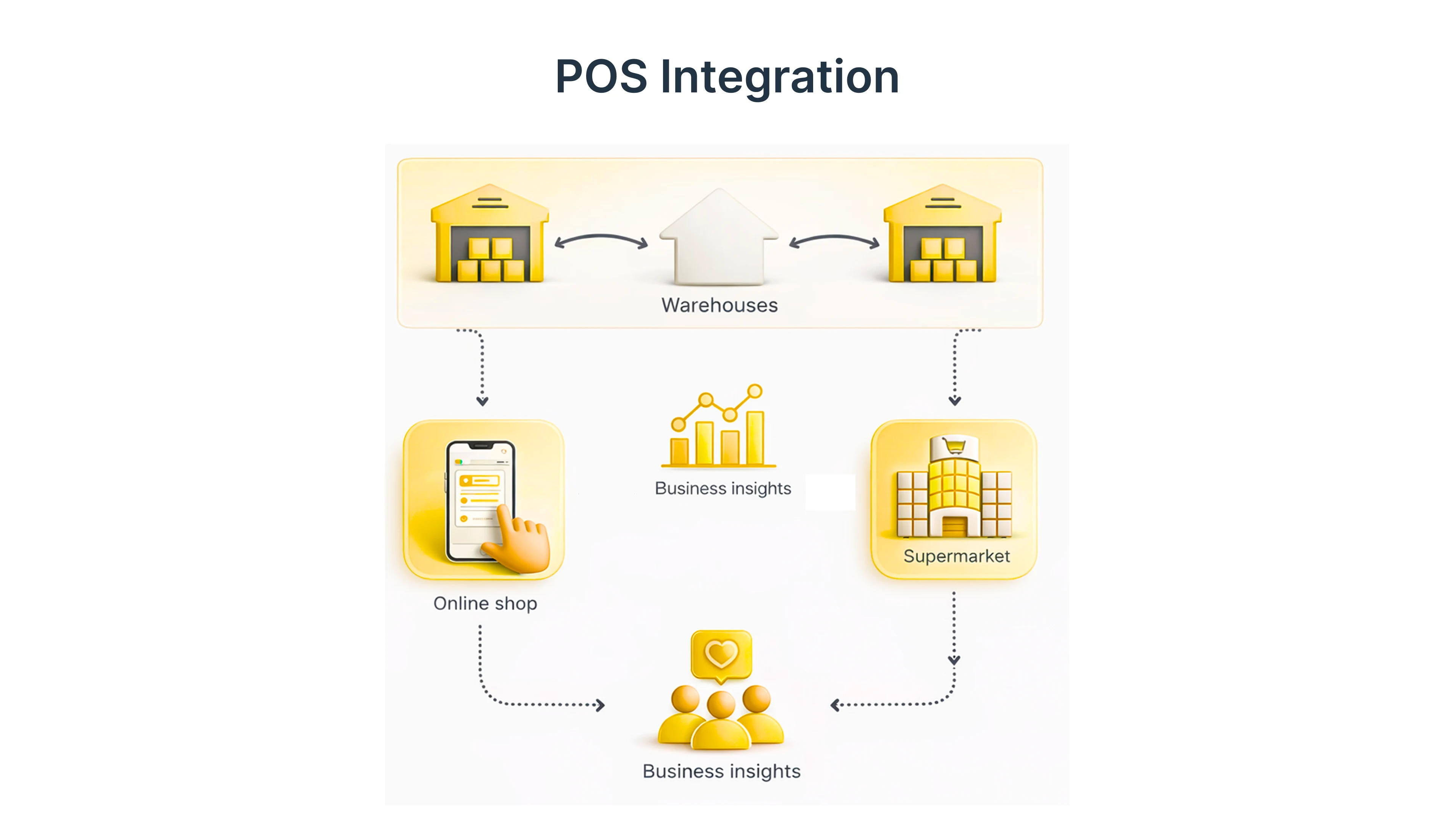
When a restaurant connects its point-of-sale system to its online ordering platform and payment processor, it can automatically receive all orders and payments while syncing all menus and report information between systems. This eliminates the need for employees to manually enter data into multiple systems, reduces the likelihood of order errors, and makes the reconciliation of payments for large amounts of online transactions much easier.
Operational efficiency is further improved by allowing menu changes to be reflected in real-time, pricing updates to be applied in real-time, and item availability changes to be reflected instantaneously when using integrated systems. By having connected systems, restaurants can quickly take care of orders and keep accurate records while managing peak volumes without having to add additional staff to manage administrative tasks.
What is POS Integration?
Integrating restaurant point-of-sale (POS) systems with external platforms, including online ordering systems, payment vendors and other relevant platforms, is known as POS integration. This occurs through secure applications programming interfaces (APIs) and real-time data transfer, automating order transfer, payment processing, refunds and synchronizing menus. POS integration reduces the need for human interaction, lowers the number of mistakes, increases accuracy in reporting, and provides restaurant operators with a greater ability to see transactions and the daily operation of the restaurant..
The Role of Grubhub in POS Integration
The Grubhub Merchant Portal Has Integrated POS Integration:
- Syncs the menu items and prices of the restaurants with online orders to eliminate errors when ordering.
- Provides payment authorization, payment settlements, refunds, and cancellations using integrated payment gateways.
- Provides real-time order and payment visibility to the merchant through the merchant portal.
- Reduces the need for manual order entry, making it easier for restaurants to manage multiple locations and have peak period business.
Key POS Integration Features for Restaurants
Using POS integration assists restaurants in improving their operations through reduced human interaction, decreasing errors in orders, increasing efficiency/confidence for your staff and a lot more. Lastly, features laid out on this document will assist with ensuring that order accuracy remains high as well as your ability to receive payments promptly and to provide the same high-quality experience for your customers every single time.
Payment Integration Testing: Why It Matters
By performing payment integration testing (PIT), one can verify the proper flow of transactions between the order management platform (OMP), point of sale (POS), and payment gateway. You can validate different stages of a payment transaction, including but not limited to authorizing, capturing, refunding, and settling funds to ensure that the transaction is processed accurately.
PIT can help restaurants efficiently test their Grubhub marketplace (MP) or Grubhub OMP to minimize transaction failures, protect their revenue and create a seamless checkout experience for customers across both mobile and web channels. It also allows restaurants to maintain compliance with PCI standards and resolve payment processing errors more quickly.
The Importance of Payment Gateway Testing
When testing payment gateways it will ensure that your transactions come through as expected no matter what type of testing is used (normal and edge cases). In addition it will verify that errors, timeouts, duplicate requests, and idempotency are handled as expected to avoid creating inconsistencies with payments.
By conducting thorough testing on your payment gateway you’ll see a decrease in failed transactions, prevent any potential loss of revenue, improve performance at checkout and also help you have stronger protection for transactions by validating that the gateway rules you’ve established and security measures you’ve put in place are working properly.
Types of Payment Gateway Testing
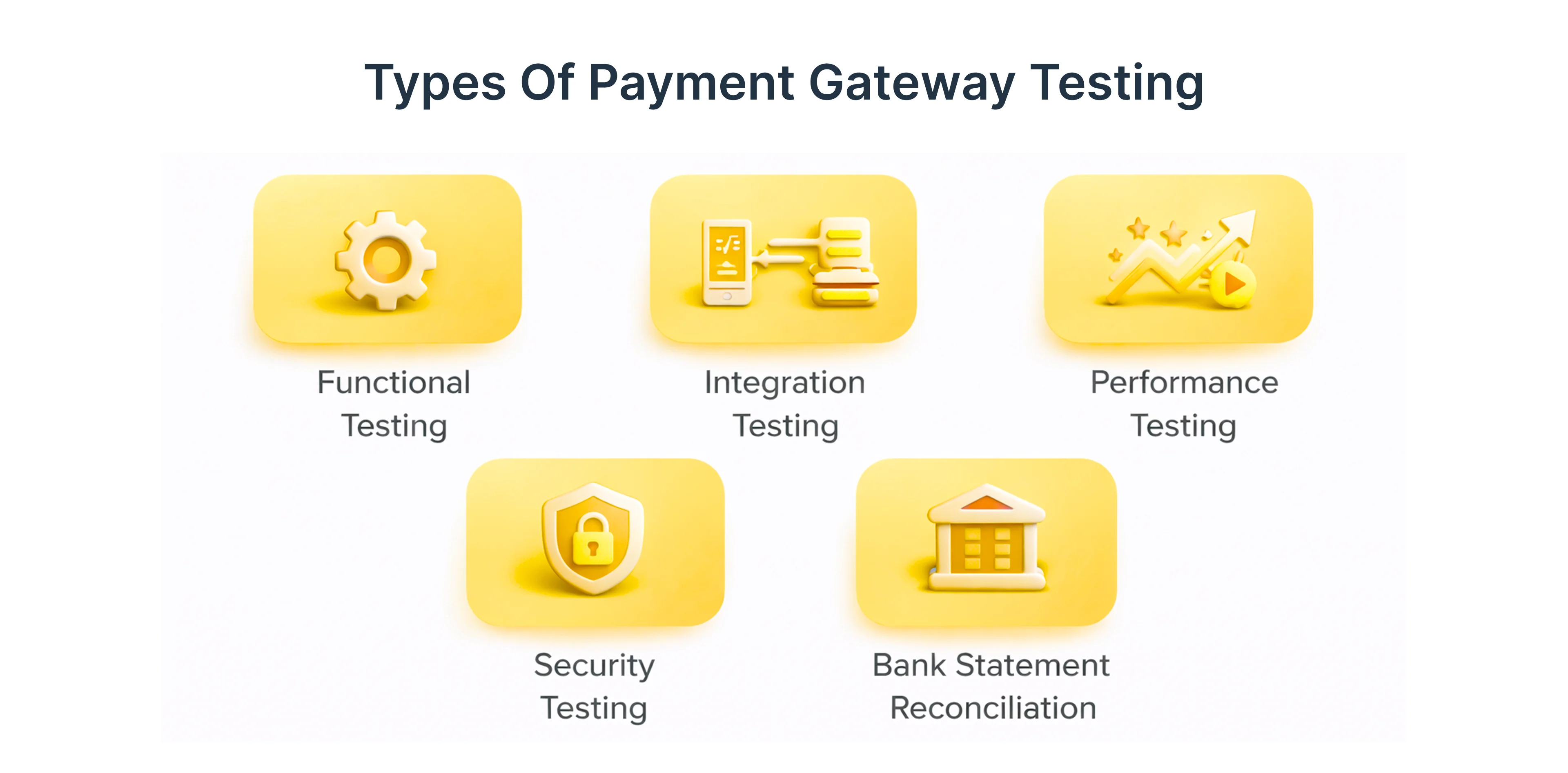
Payment Processing Tests include:
Types of Payment Processing Tests
- Functional Testing - Tests the function of authorizations, capture, refund, and transaction states.
- Integration Testing - Ensures that there are proper data exchanges between POS, gateways, and back office systems.
- Performance Testing - Measure the throughput and latency of peak loads under load.
- Security & Compliance Testing - Ensure PCI compliance, encryption and secure handling of payment data.
- Resilience Testing - Tests the retry logic to ensure that it performs correctly when there is a failure and tests if the system will recover during failure.
Real-World Impact of Payment Integration Testing
- Decreased Revenue Loss: Fewer failed transactions and chargebacks.
- Increased Efficiency: Less manual reconciliation for the restaurant manager portal staff.
- Better Customer Experience: Reliable and consistent payments improve food delivery satisfaction.
- Facilitates Scalability: Supports multi-location restaurant delivery operations.
- Compliance & Security: Safeguards customer data and prevents liabilities.
Grubhub's Continuous Integration Testing Strategy
Continuous Integration (CI) automates testing of code changes and new features before deployment. For payment systems, CI ensures POS interfaces, APIs, and payment gateways remain reliable.
Overview of Continuous Integration (CI) in Payment Systems
Testing via Automation Continuous Integration (CI) for Payment changes occurs prior to the release of those changes as an automated validation mechanism. Therefore, any modifications made to Payment Logic (payment processing rules), Payment API integrations, or POS (point of sale) connections are validated with respect to live transactions.
- The CI Pipeline for Payments will include the following types of tests:
- Business Rule Test; verifying core payment processing rules and transactional processing.
- Contract Tests; verifying that the Payment Gateway APIs will properly connect to POS Vendors.
- Integration Tests; verifying that the sandbox Payment Gateway(s) have been properly configured.
- End-to-End Tests; simulating the complete transaction flow from order entry through payment, settlement, and/or refund.
Tools and Technologies Used for CI Testing
Challenges in Continuous Integration Testing
- Third-party merchant provider inconsistencies with their test environment caused inconsistent test results with different POS/Relationship Tests (i.e., different merchant providers had different outputs).
- Ensuring that contract tests and maximum compatibility with numerous merchants and multiple POS/Relationship Types/API Versions.
- Ensuring we can simulate full-volume (peak) conditions to ensure response time and reliability of the payment application.
- Balancing CI Pipeline Speed vs. Extensive Test Coverage.
- Ensuring Security, Compliance, and Proper Handling of Edge-case Transactions.
API Integration Testing: Ensuring Seamless Transactions
What is API Integration Testing?
API Integration Testing validates that systems like Grubhub, POS systems, and payment processors send and receive information correctly. It checks endpoints, authentication flows, headers, payloads, and error codes to prevent delivery experience issues and transaction failures.
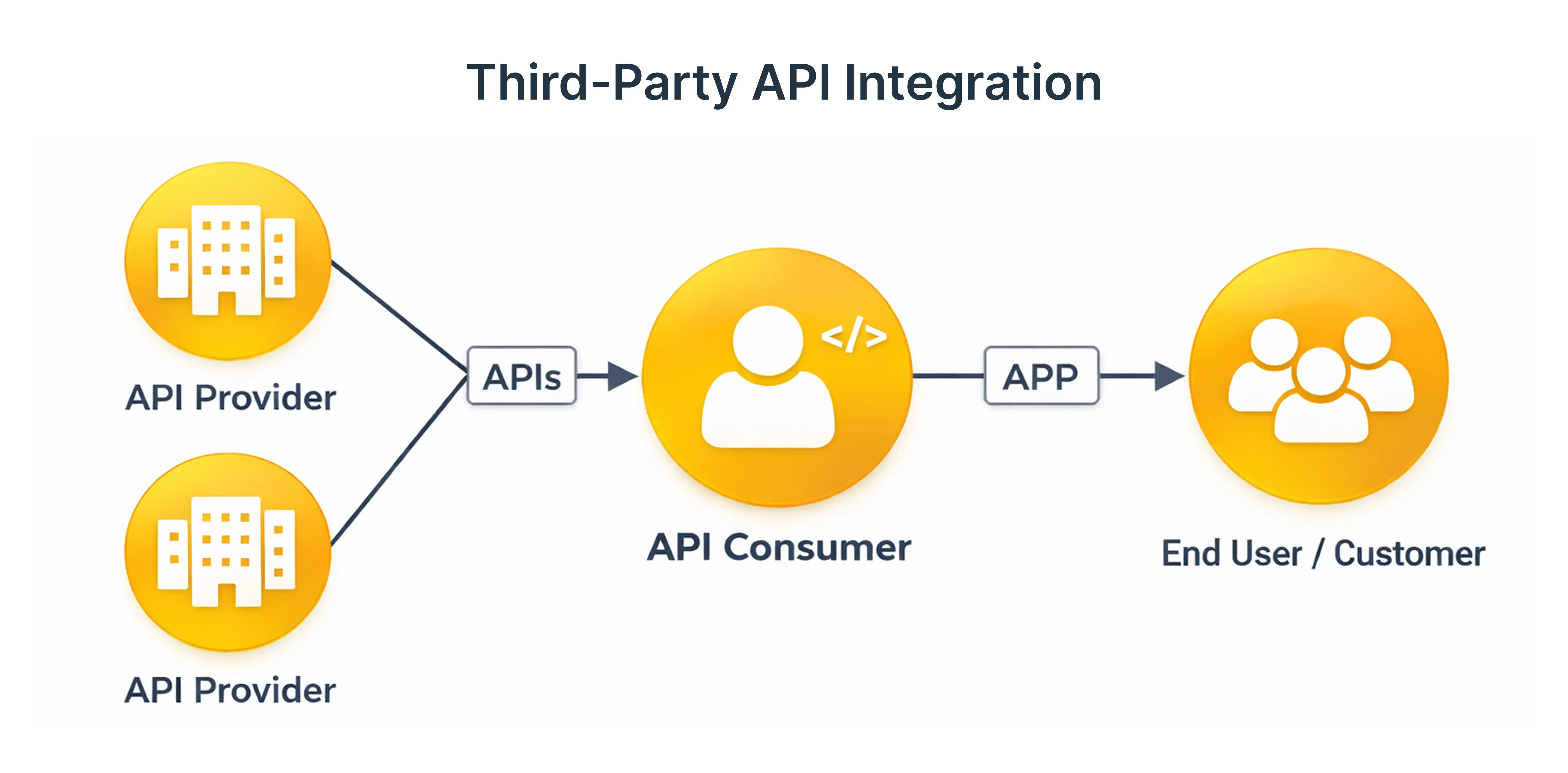
Third-Party API Integration Testing
Testing integration with third-party payment processors or POS systems adds a layer of complexity to your testing process. Here are some of the best practices for third-party integration testing:
- Contract Testing ensures consistent schemas and error responses.
- Mocking & Sandboxing simulate scenarios like 3D Secure, declines, and timeouts.
- Versioned Adapters maintain back-compatibility with older POS systems.
- Observability through logging, correlation IDs, and message tracing aids real-time order tracking.
Automating API Testing for Efficiency
By utilising automation to execute API Testing, we can complete regression tests faster with more accuracy and fewer mistakes than doing them manually. There are a number of recommended methods of automating API Testing.
- Contract Testing: Prevent breaking changes.
- Sandbox Testing: Simulate full transaction flows before production.
- Unit Testing with Mocks: Quick verification during development.
- Load Testing: Ensure APIs can handle peak food ordering activity.
Automation vs Manual Testing:
- Automated tests: Fast, repeatable, and easily integrated into CI pipelines; requires initial setup and maintenance.
- Manual tests: Useful for exploratory testing or vendor-specific quirks; slower and error-prone at scale.
This framework ensures that Grubhub’s payment transactions remain seamless, reliable, and secure across diverse POS and gateway integrations.
The Future of Payment Integration Testing at Grubhub
Future strategies focus on automated, scalable, vendor-agnostic integrations, automated reconciliation, and reduced manual labour. Enhanced CI/CD pipelines and performance simulations ensure peak restaurant delivery volumes are handled efficiently.
Trends in Payment Integration Technology
Three areas in which payment integrations are changing rapidly are:
1. Tokenization of and vaulting postcard and cardholder data to limit how much PCI you will be subject to.
2. Enhancing resiliency by using more event-driven architectures such as webhooks and Kafka.
3. Reducing friction by utilising server-to-server 3D Secure and risk orchestration.
4. Increasing observability/distributed tracing to speed up issue resolution.
Grubhub’s Vision for Payment Integrations
By developing vendor-neutral integrations that integrate into a range of restaurant systems, the organization eliminates friction from a number of POS systems. By providing standardized APIs, the organization can get new users onboarded more quickly than if they built unique develop SAPs for each customer.
Automation of reconciliation and anomaly detection enhances the accuracy of settlements while decreasing the manual effort involved in achieving that accuracy. In addition, lower-cost testing and automation solutions will help independent restaurants maintain reliable payment integration and provide smoother digital ordering experiences.
Staying Ahead of Competition
Grubhub competes against other delivery platforms through the speed at which it can facilitate payment and POS integration. Standard APIs and efficient onboarding processes allow for the rapid addition of new restaurant partners.
CI/CD pipelines that are robustly built with effective testing environments will help eliminate payment errors and expedite peak demand, thereby assuring restaurants and customers of uninterrupted service.
Conclusion
For restaurants and platforms like Grubhub, payment integration testing is critical to reliable restaurant delivery operations. Automation, sandbox testing, standardised API contracts, and observability help prevent errors, ensure timely settlements, and improve the delivery experience. Frugal Testing provides practical guidance for balancing automation with maintainable processes, allowing scalable and effective POS and payment integration systems.
Summary of importance payment integration testing for Grubhub and its restaurant partners.
Payment integration testing ensures proper and secure payment processing, minimizes failures, supports mobile prepared food ordering, enhances delivery experience, and allows restaurants to operate efficiently across multiple locations and POS systems. Automated processes, sandbox/simulation, and standardised API contracts enable accurate financial records, quicker settlements, and reliable service for both restaurants and diners.
People also ask for (FAQ’S)
Q1.What is POS integration and why is it important for restaurants?
Ans: POS integration connects a restaurant’s point-of-sale system with ordering platforms and payment gateways, ensuring accurate orders, faster payments, and streamlined operations.
Q2.How does Grubhub test and integrate with different POS systems?
Ans: Grubhub uses API integration, sandbox testing, and contract validations to sync orders, menus, and payments across diverse POS systems reliably.
Q3.What are the key components of payment integration testing?
Ans: Core components include functional testing, integration testing, performance testing, security/compliance checks, and resilience testing.
Q4.Why is continuous integration critical for payment systems?
Ans: CI detects issues early, automates testing of updates, ensures stable payment flows, and prevents disruptions across multiple restaurants and POS systems.
Q5.What tools are commonly used for automation testing in payment integrations?
Ans: Common tools include Jenkins/GitHub Actions, Docker/Kubernetes, Postman/Pact, JMeter/k6, Selenium/Playwright, sandbox environments, and security scanners.
Q6.How does Grubhub ensure the security of its payment integrations?
Ans: By using PCI-compliant gateways, tokenization, secure APIs, automated security scans, and thorough testing in sandbox environments.
Q7.How does Grubhub handle payment failures and ensure reliability during peak order volumes?
Ans: Through automated retries, resilient CI/CD pipelines, load testing, contract validations, and real-time monitoring, ensuring orders and payments remain reliable even at peak times.